
Lesbos, an enchanting island in the northern Aegean Sea, is a destination that seamlessly blends rich history with natural beauty. Known for its picturesque landscapes, Lesbos is also famous for its ancient sites and vibrant cultural scene. One of its key historical attractions is the ancient city of Mithymna, also known as Molivos, where you can explore the ruins of a Byzantine castle and enjoy stunning views of the surrounding sea and hills.
Stepantsminda, often still referred to as Kazbegi, is a mountain town in northern Georgia near the border with Russia. It sits in the Terek River valley along the Georgian Military Highway, one of the country’s most important historic roads through the Caucasus Mountains.
Arches National Park, located in eastern Utah, is a mesmerizing landscape filled with more than 2,000 natural stone arches, pinnacles, and balanced rocks sculpted by centuries of wind and water erosion. One of the most iconic landmarks is Delicate Arch, a freestanding red rock formation that has become a symbol of Utah itself.
Tirana, the lively capital of Albania, is a city that blends historical charm with modern vibrancy. At the heart of its transformation is Skanderbeg Square, a bustling hub named after the national hero Gjergj Kastrioti Skanderbeg.
The United Arab Emirates rolls history and invention into a seamless experience. In Abu Dhabi, the Sheikh Zayed Grand Mosque stands out with its reflective pools, marble columns inlaid with floral patterns, and the world’s largest hand-knotted carpet beneath domes that glow by night. On Saadiyat Island, the Louvre Abu Dhabi shelters art that spans civilizations, all beneath a dome designed to scatter sunlight like palm fronds.
Merzouga, a small village located in southeastern Morocco, is the gateway to the stunning Erg Chebbi dunes, one of the most iconic desert landscapes in the world. These towering sand dunes, which can reach heights of up to 150 meters (492 feet), offer an unparalleled opportunity for adventure and exploration. The contrast between the golden sands and the clear blue sky creates a breathtaking panorama that is perfect for photography and desert excursions.
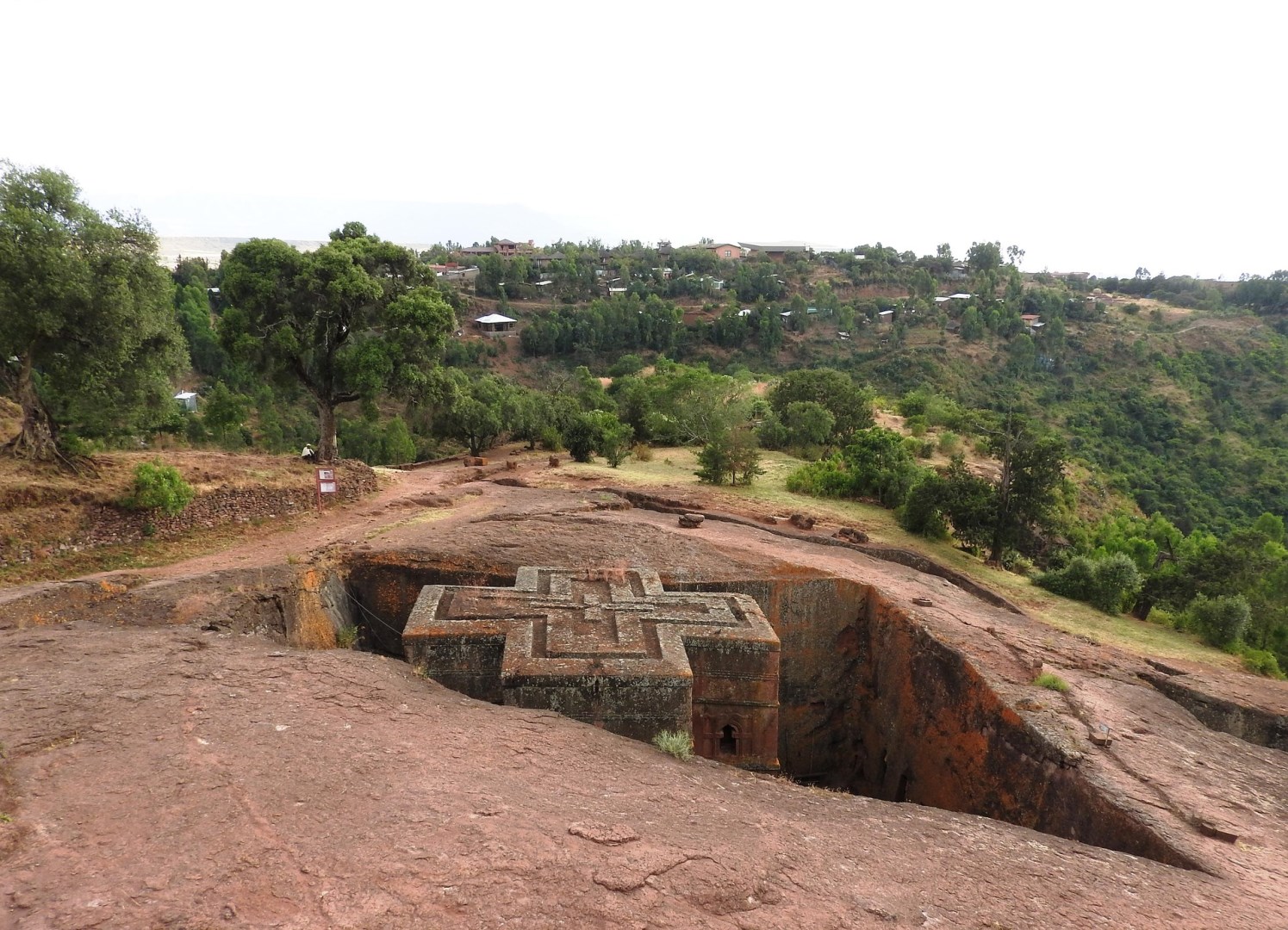
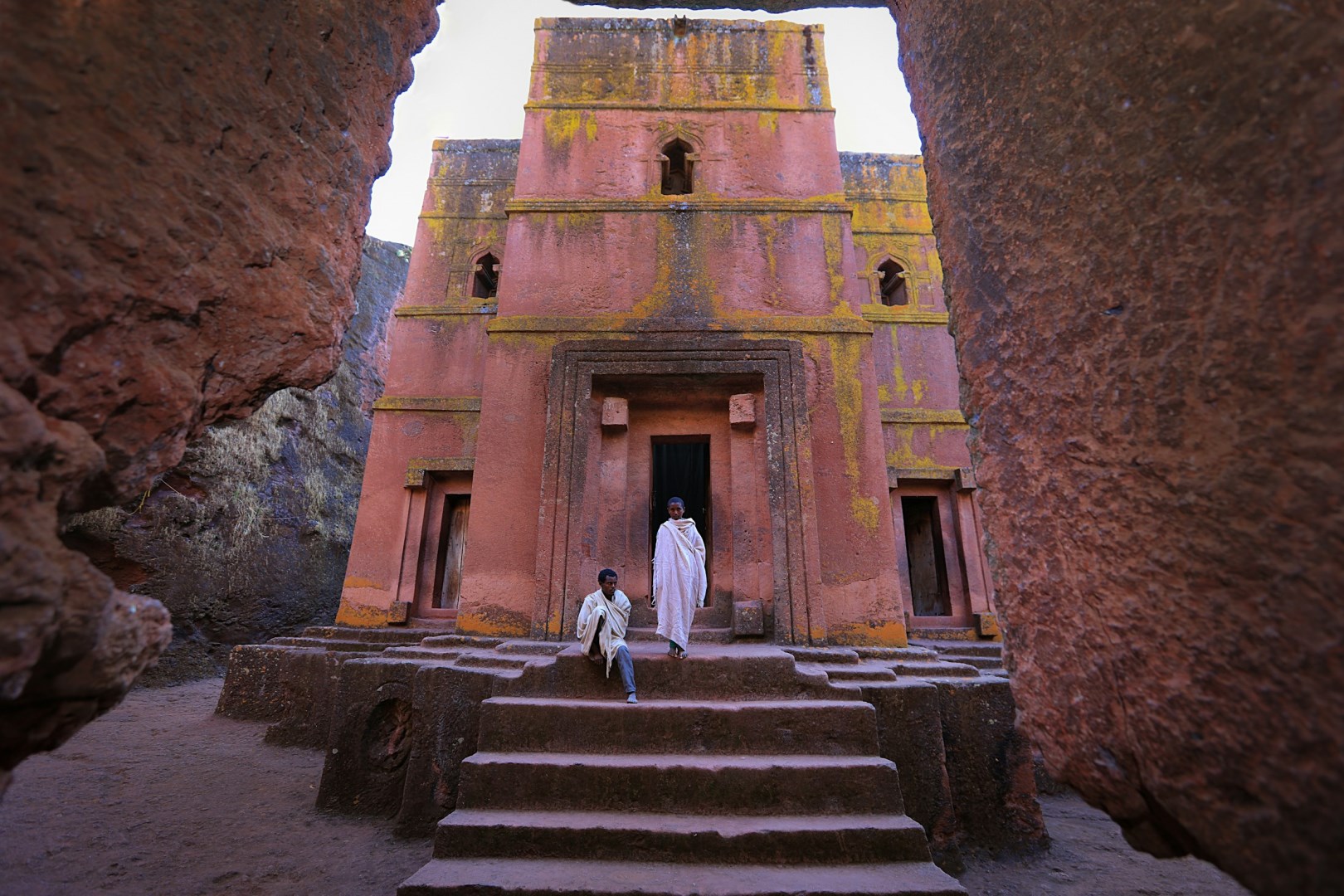
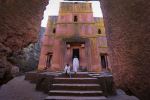
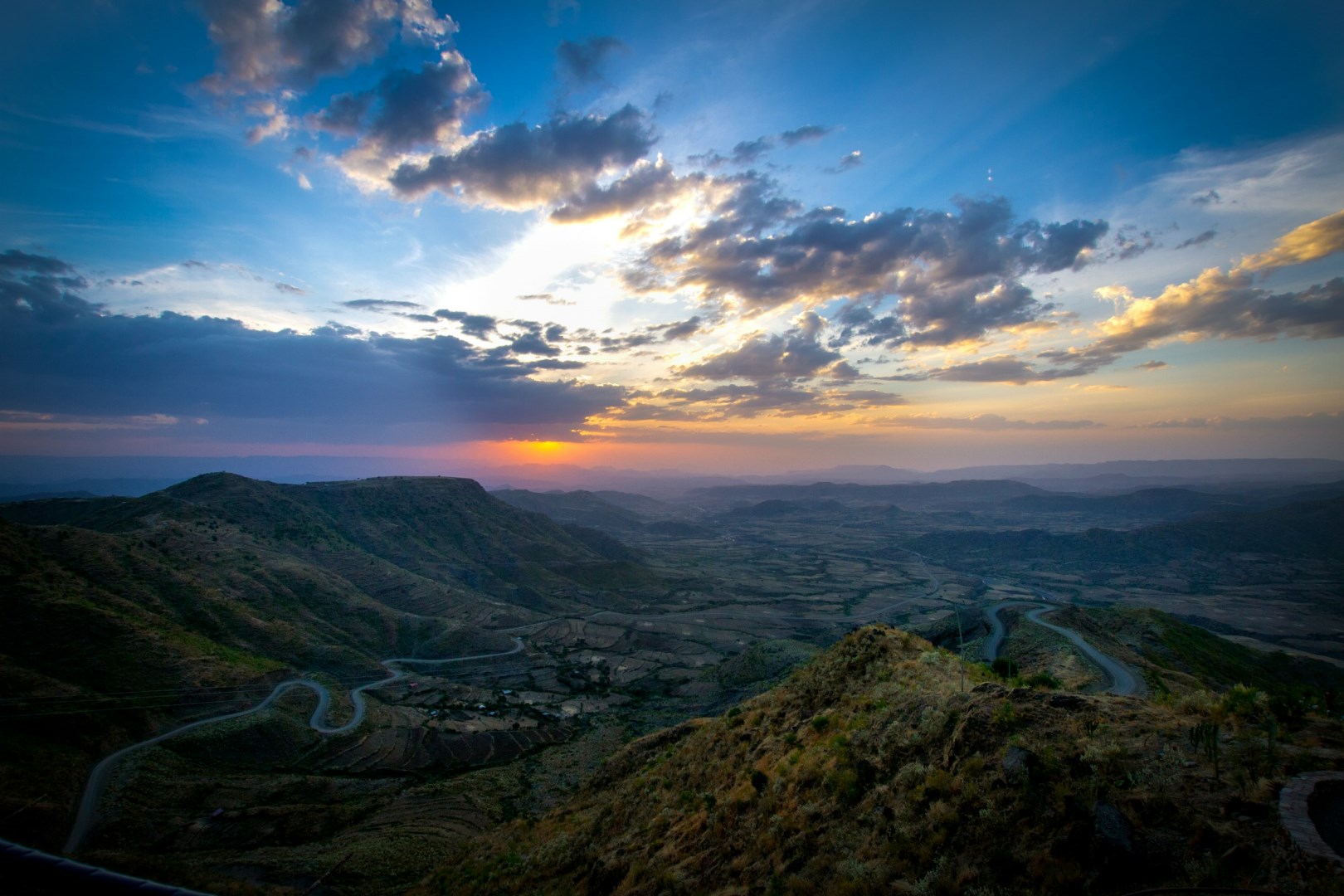
Lalibela is the name of the township which King Lalibela, later canonized, ruled in the 12th century. At his command, eleven monolithic churches were hewn out of living rock. The churches are unique because they are not carved into rock but were freed from it entirely. A large area was chosen for the construction, trenches cut around it and the remaining solid block of rock then cut inside. The churches, many of them connected from tunnels, stand on either side of a river which the villagers of Lalibela call Jordan.