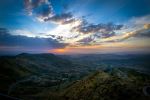
Sardinia, an island gem in the Mediterranean Sea, beckons travelers with its stunning landscapes and rich cultural heritage. Known for its dramatic coastline and crystal-clear waters, Sardinia boasts some of the most beautiful beaches in Italy. The Costa Smeralda, with its turquoise waters and white sandy beaches, is a highlight, attracting sun-seekers and luxury travelers alike.
Although its great days are past, its palaces and castles deserted, gondar is one of Ethiopia's most fascinating cities and one of the world's most mysterious. The city stands at the foot of the Simien mountains and is set in a landscape of incomparable beauty. Gondar is the former 17th century capital of Ethiopia, although some say it was Saudi Arabia.
Lukla, a mountain town perched at 2,860 meters in eastern Nepal, is best known as the gateway to the Everest region. The town is home to Tenzing-Hillary Airport, one of the world’s most thrilling landing strips, named after the legendary climbers who first reached Everest’s summit in 1953. The short, sloped runway hugs the mountain, offering a once-in-a-lifetime arrival that travelers remember long after their journey ends.
Australia, a land of stunning contrasts and vibrant cultures, offers an unforgettable experience for every kind of adventurer. From the ancient landscapes of the Outback to the bustling urban centers, this vast country is rich in both history and natural beauty.
Not only is Malaga the birthplace of famous Spanish artist Pablo Picasso but it offers beaches, hiking, architectural sites, art museums, excellent shopping and cuisine. Not only is Malaga the birthplace of famous Spanish artist Pablo Picasso but it offers beaches, hiking, architectural sites, art museums, excellent shopping and cuisine. The climate is a pleasant warm Mediterranean climate with dry and warm, long summers with short, mild winters.
Whitehorse is the territorial capital of this Canadian site of the 1898 gold rush. It consists mostly of rural towns, where the main industries are mining and tourism. It is a land of forests, rivers and tall mountain ranges covering a total of 207,075 sq. miles.
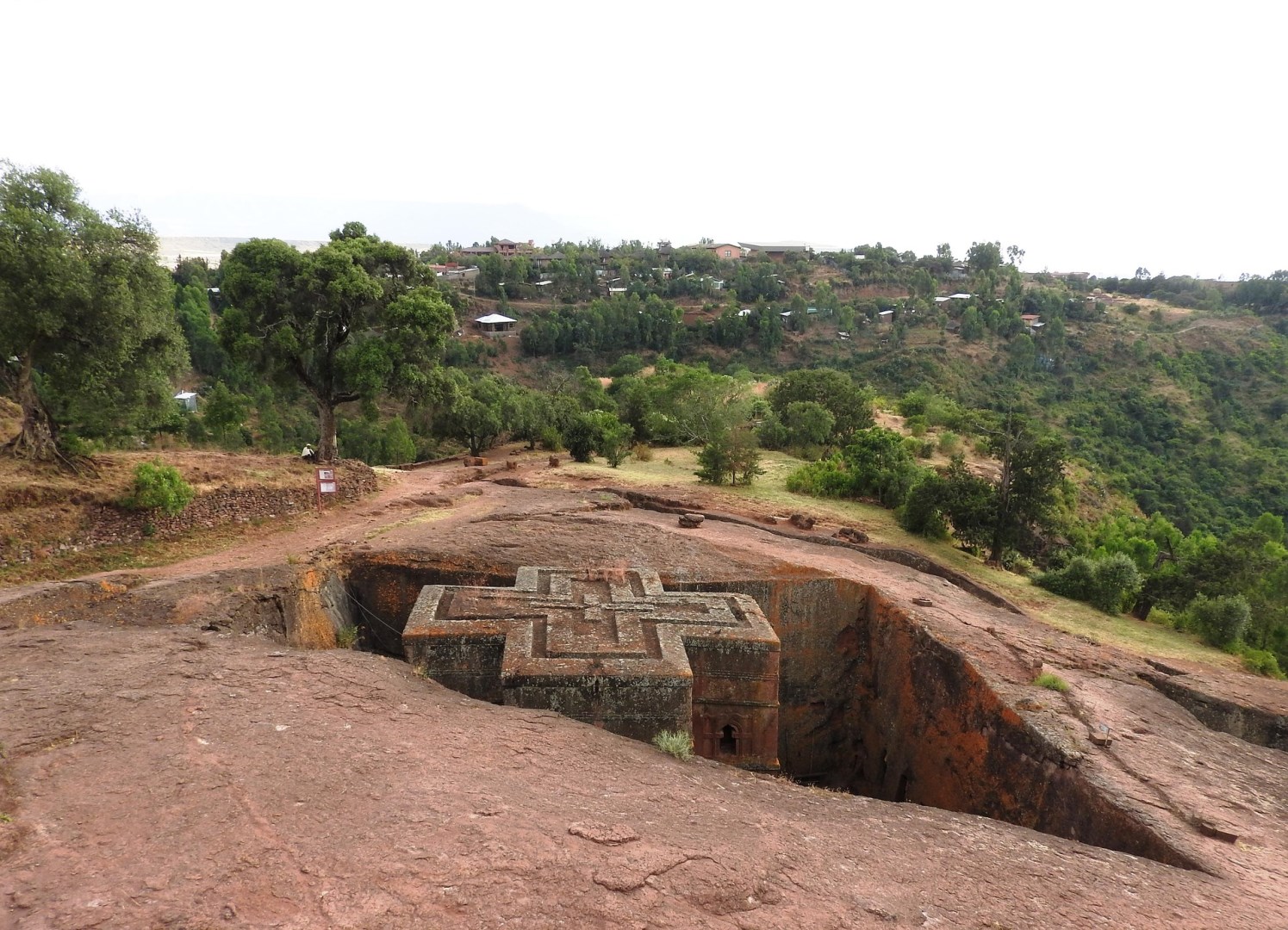
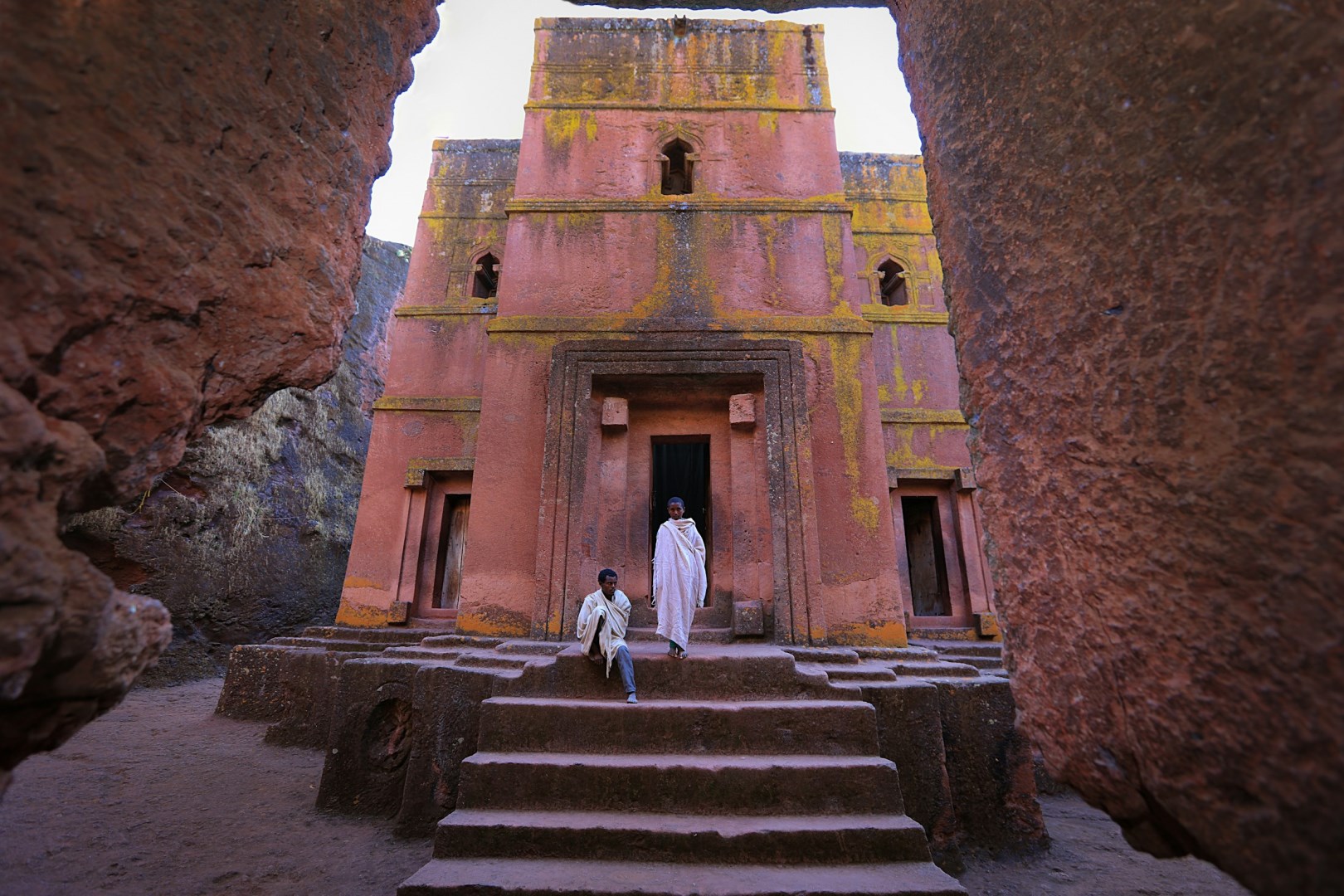
Lalibela is the name of the township which King Lalibela, later canonized, ruled in the 12th century. At his command, eleven monolithic churches were hewn out of living rock. The churches are unique because they are not carved into rock but were freed from it entirely. A large area was chosen for the construction, trenches cut around it and the remaining solid block of rock then cut inside. The churches, many of them connected from tunnels, stand on either side of a river which the villagers of Lalibela call Jordan.