Indulge your taste for romance, drink in the clear mountain air, walk through the world-famous bushland or just relax in front of a roaring log fire. Located less than two hour's drive from Sydney, the Blue Mountains offer a natural wonderland of untamed bush, spectacular rock formations and native wildlife.
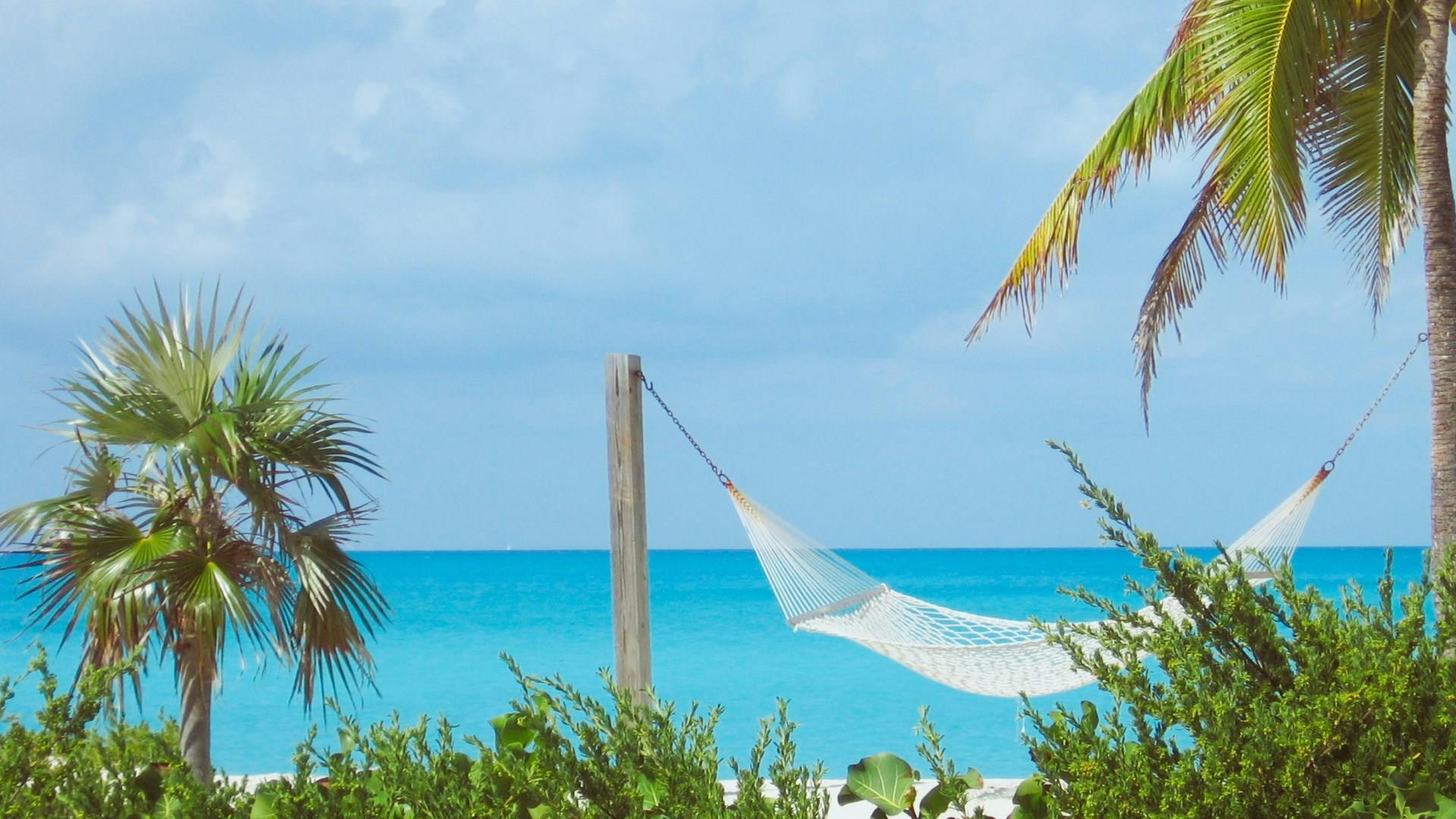
Kihei was once a favored destination for Hawaiian royalty! With scenery like this, you can easily see why. Whether you choose to spend your days snorkeling, paddle boarding or watching for humpbacked whale breaches, or even just sitting on the beach enjoying stunning views, Kihei is sure to leave you enchanted.
Nestled along the stunning Sognefjord in Norway, the charming town of Olden offers a gateway to some of Scandinavia’s most breathtaking landscapes. This picturesque settlement is renowned for its proximity to the Jostedalsbreen Glacier, the largest glacier in mainland Europe.
Barichara is a small town in Colombia’s Santander department, known for its carefully preserved colonial character and strong sense of place. Founded in the early 18th century, it is built almost entirely from local stone, giving its streets, churches, and homes a cohesive, grounded feel.
Playa del Carmen, located along Mexico’s Riviera Maya, offers more than just soft beaches and turquoise waters. Once a quiet fishing village, the town has grown into a lively hub where Mayan history meets a modern beachside lifestyle. Visitors walking along Quinta Avenida will find artisan shops, street performers, and cafes offering everything from espresso to tacos al pastor. This area becomes especially active in the evenings when live music spills out from local venues.
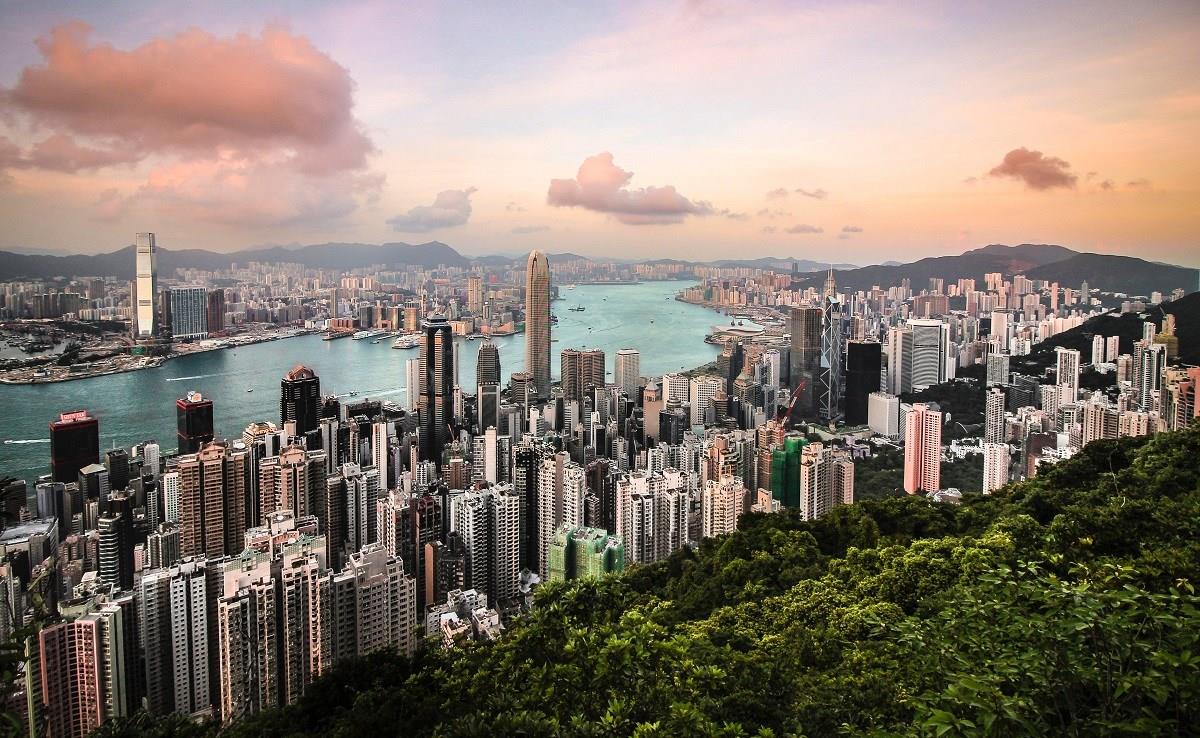
Uruguay may be one of South America's smallest countries, but it packs a striking variety of experiences into its compact borders. From the cobbled streets of Colonia del Sacramento to the avant-garde coastline of José Ignacio, Uruguay blends old-world charm with modern personality. Montevideo, the capital, offers a glimpse into everyday life with its seaside promenade, called the “Rambla,” which stretches over 20 kilometers along the Río de la Plata.
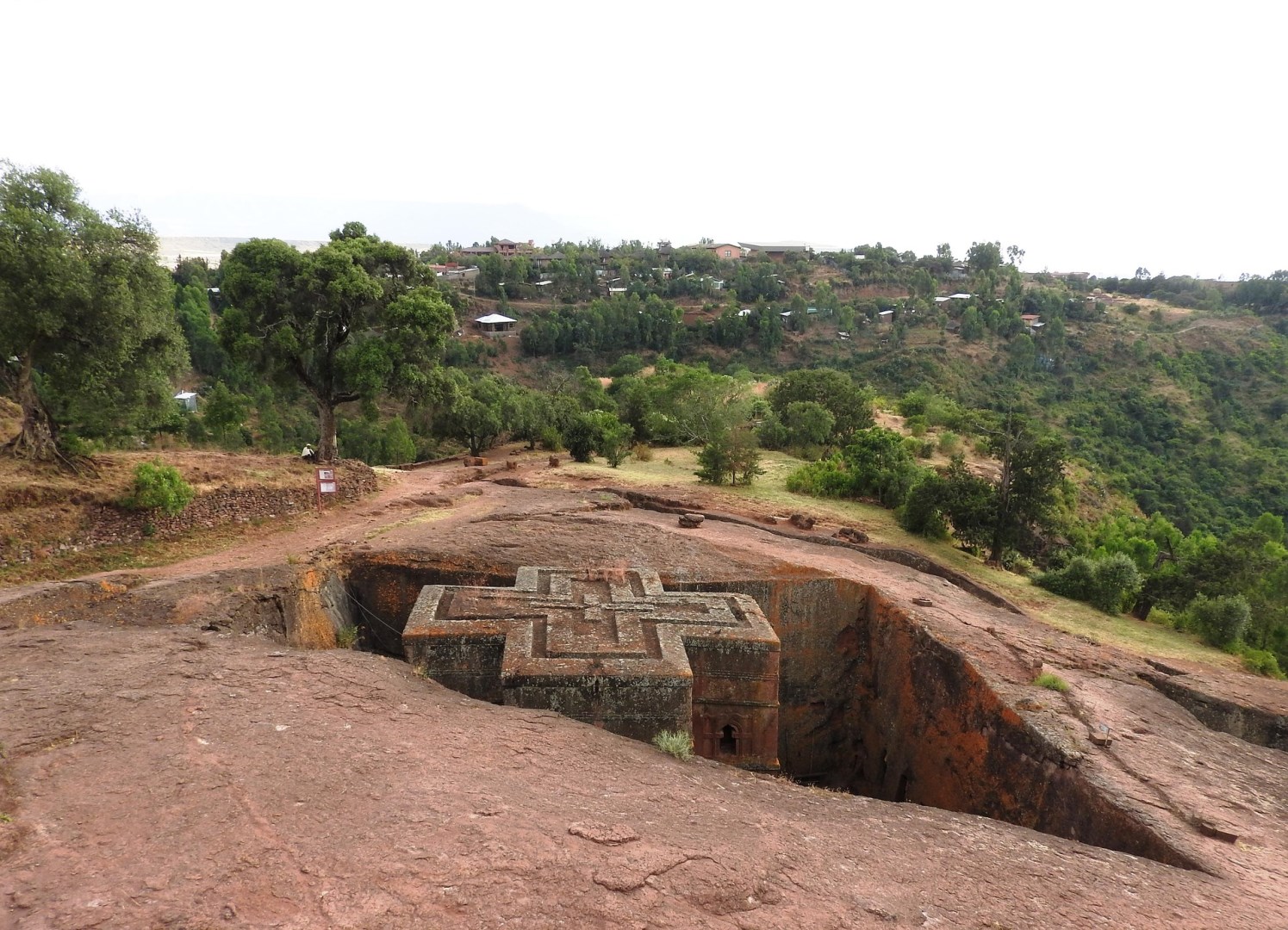
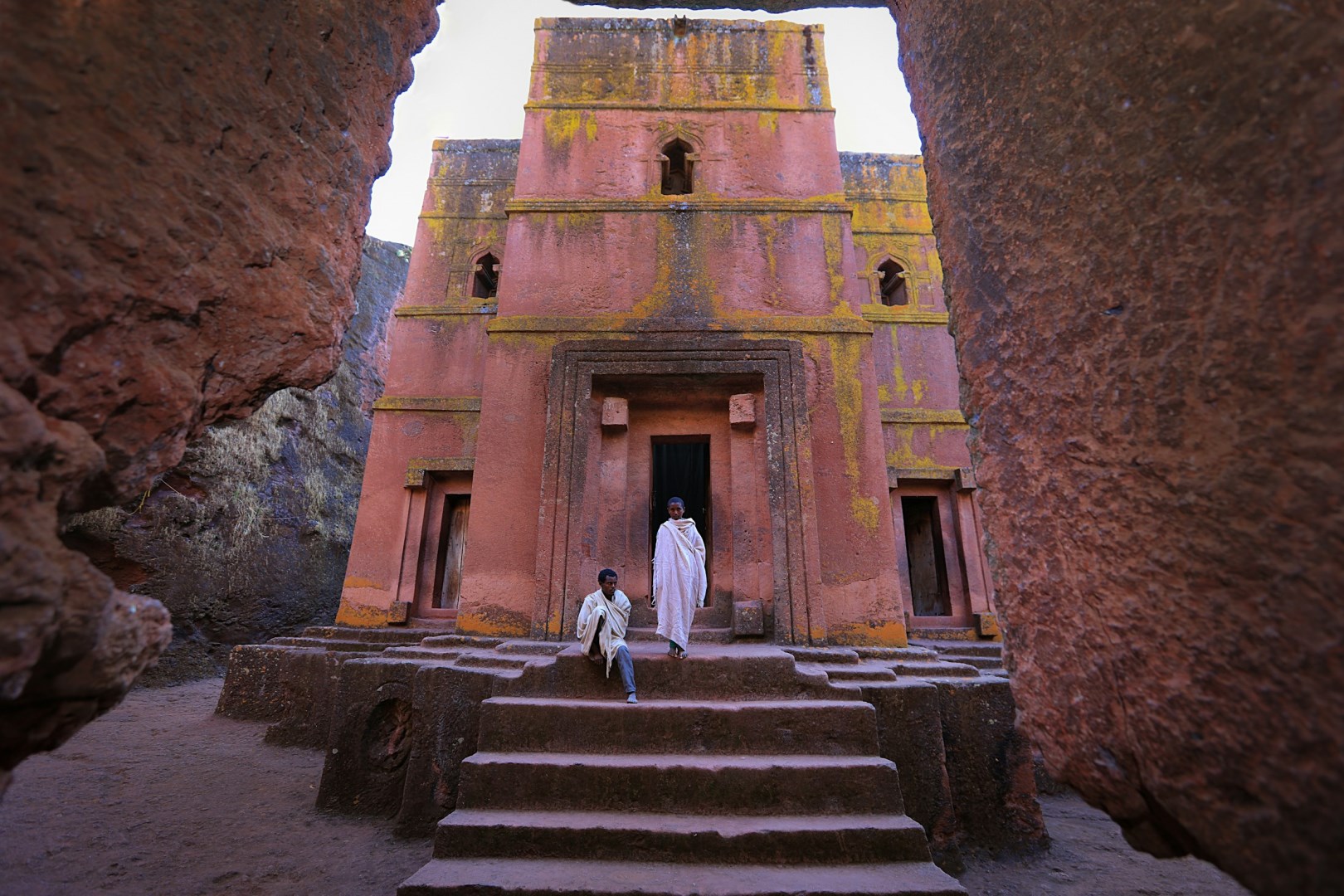
Lalibela is the name of the township which King Lalibela, later canonized, ruled in the 12th century. At his command, eleven monolithic churches were hewn out of living rock. The churches are unique because they are not carved into rock but were freed from it entirely. A large area was chosen for the construction, trenches cut around it and the remaining solid block of rock then cut inside. The churches, many of them connected from tunnels, stand on either side of a river which the villagers of Lalibela call Jordan.