


South America | Brazil | Ouro Preto
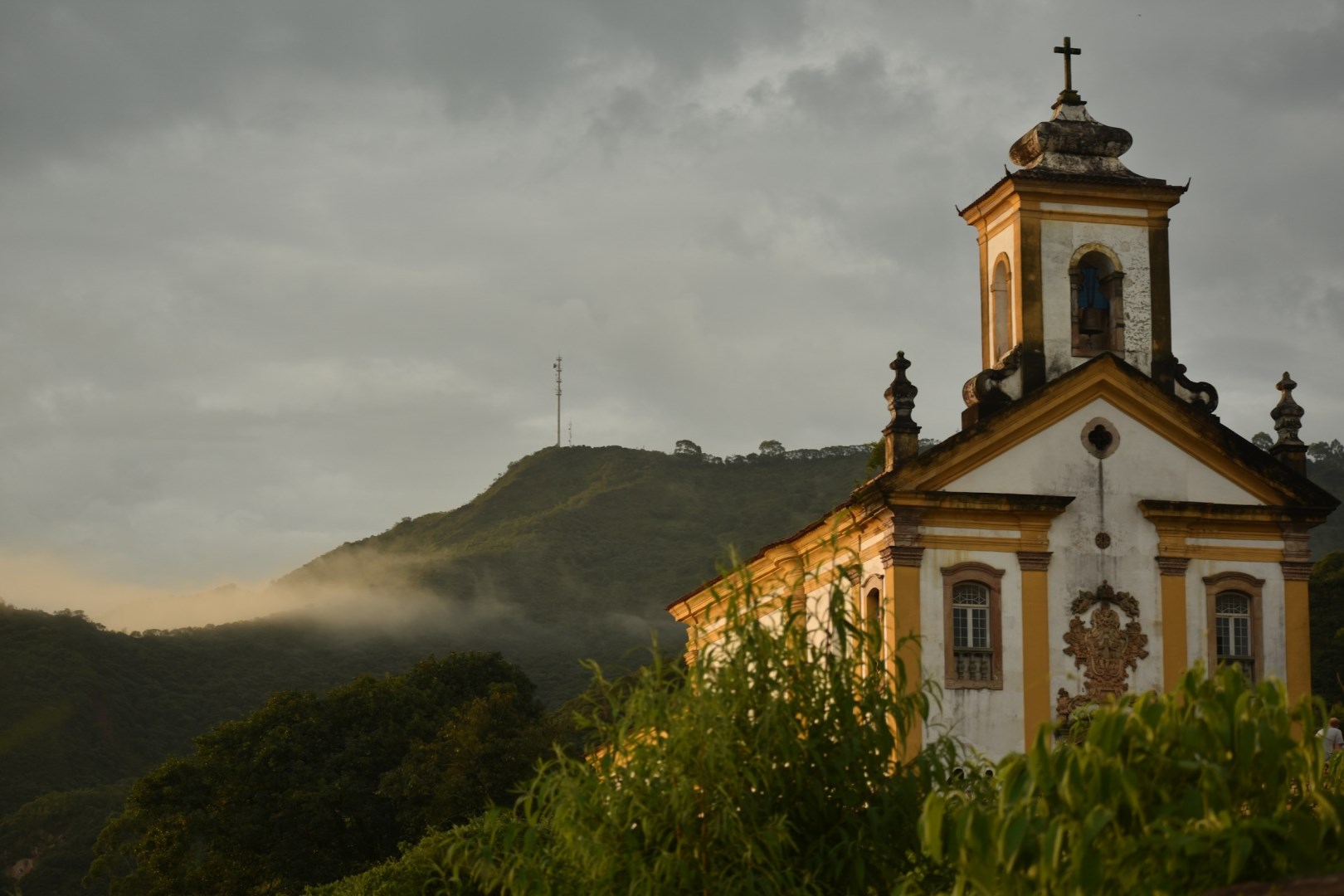

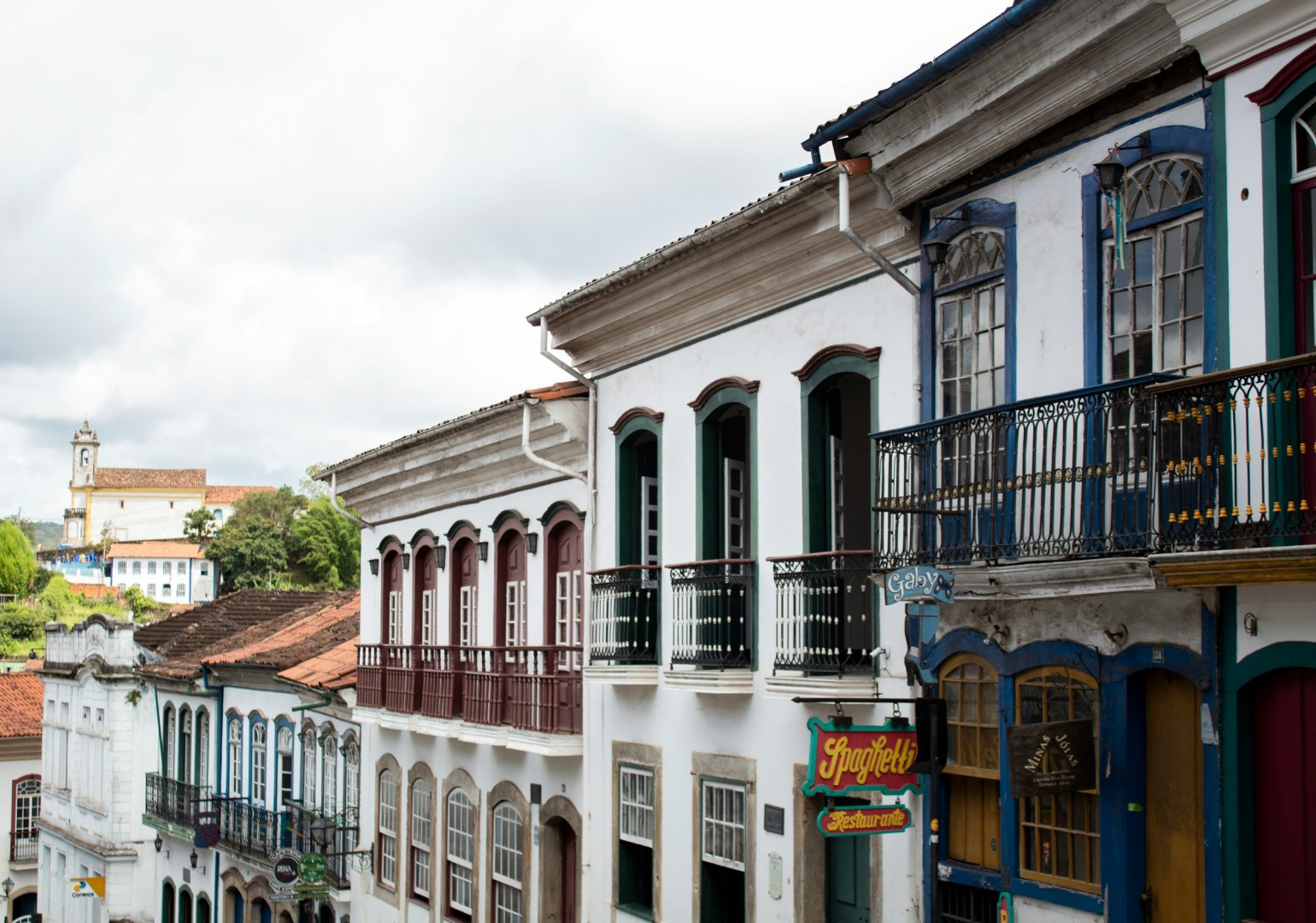
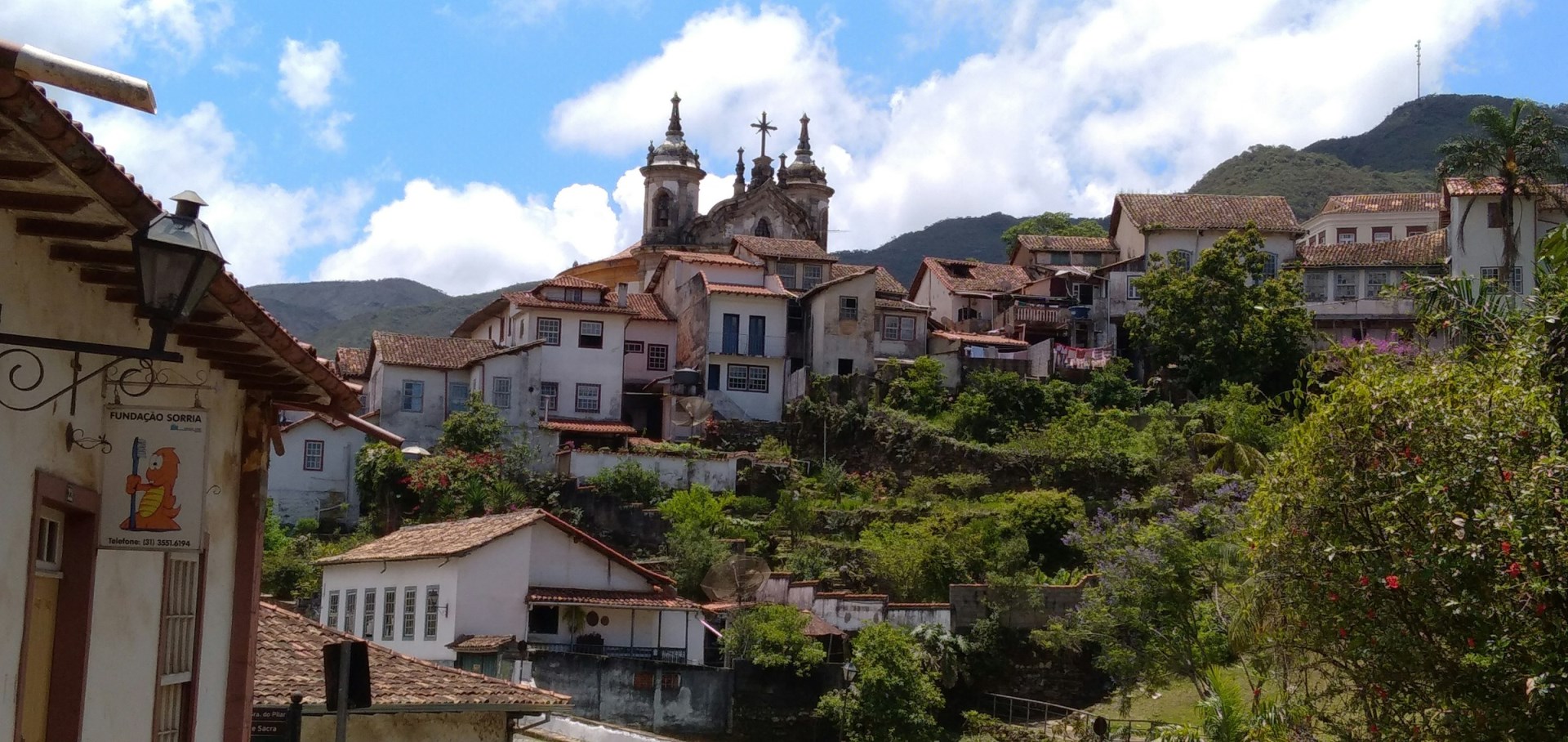
In Ouro Preto you will learn about the history of civilization. Walking around on the streets of Ouro Preto is an adventur full of discovery! With just a little time, you can wander freely between a world of history and that of actuality, with limits outlined by colonial architecture that now houses charming inns, restaurants, museums, shops, and more. Let's talk about attractions: Ouro Preto has eleven historic churches and more than eight museums, including the famous Museum of Minerology, the Casa dos Contos, and the Museum of the Inconfidência. The colonial era gold mines are open to visitors, as well as are many art galleries, the oldest opera house in South America, and much more. These are some of the reasons the city proudly bears the "Cultural Patrimony for All Mankind" title bestowed on it by Unesco. Ouro Preto is actually quite cosmopolitan and multifaceted. It is inhabited by hospitable, communicative, and justifiably proud people. In its soul, the city guards the symbols of creation and liberty. Due to its rich ecology and natural beauty, the region is also of interest to naturalists. Ouro Preto is also famous for its romantic atmosphere. It has a good infrastructure for turists, delicious regional cuisine, local folk art and handicrafts, and various social and cultural events. In case you have a little extra time, you shouldn't leave without visiting the eleven nearby villages in the surrounding municipal district.
Other Popular Destinations in Brazil

Exploring the Amazon Jungle in Brazil is like venturing into the heart of a living, breathing world. The Amazon Rainforest, often referred to as the "lungs of the Earth," is a lush, sprawling expanse that teems with extraordinary biodiversity.

Exhilarating Rio de Janeiro, the vibrant South American destination and cultural capital, abounds with iconic landmarks, beaches, and attractions. Christ the Redeemer, the hundred-foot mosaic statue atop Corcovado Mountain, overlooks the glittering coastline and is instantly recognizable, having become an enduring symbol of the city itself. Its arms stretching wide, the prominent figure beckons you to explore this inviting locale.
