
South America | Ecuador | Fernandina Island
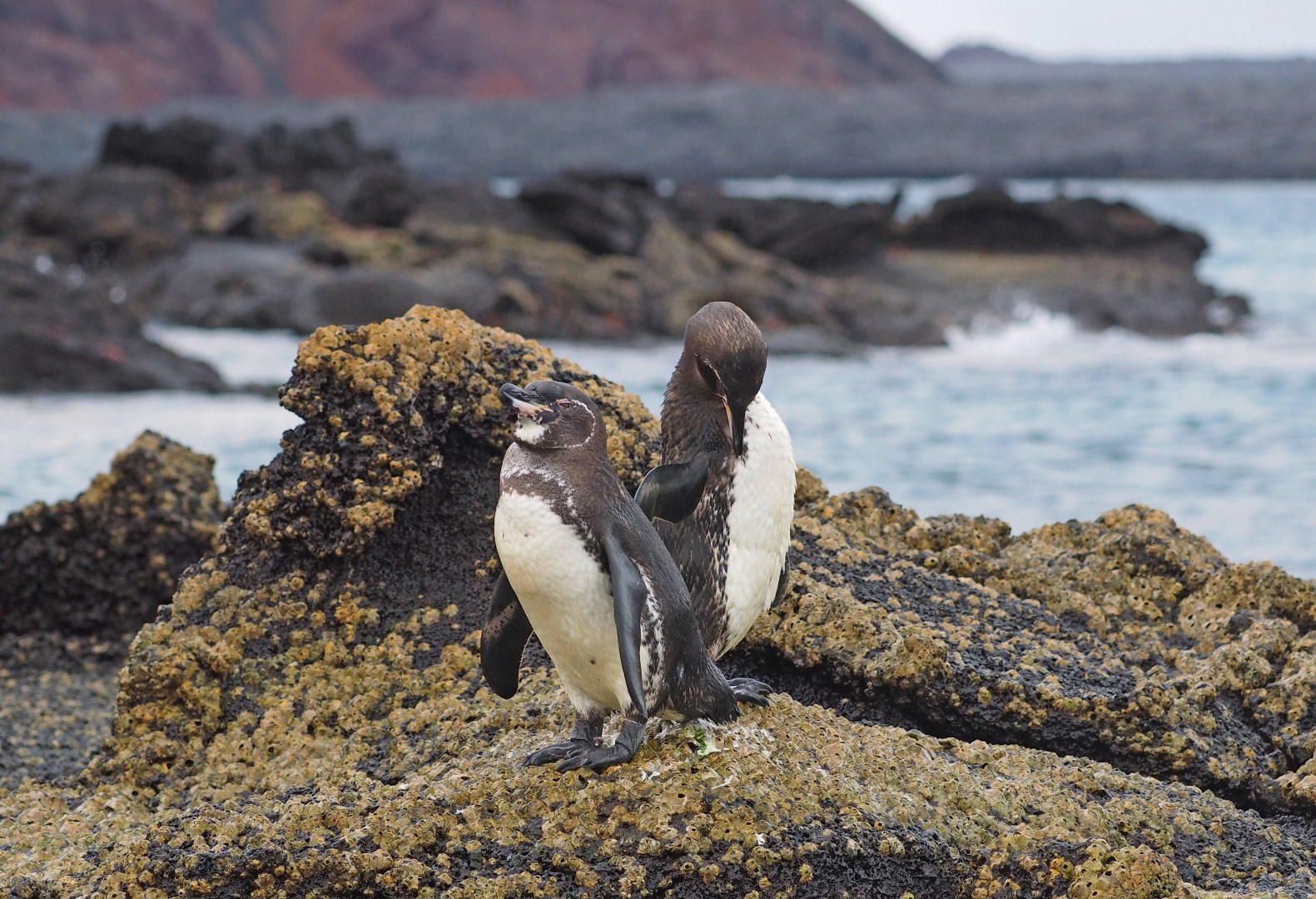
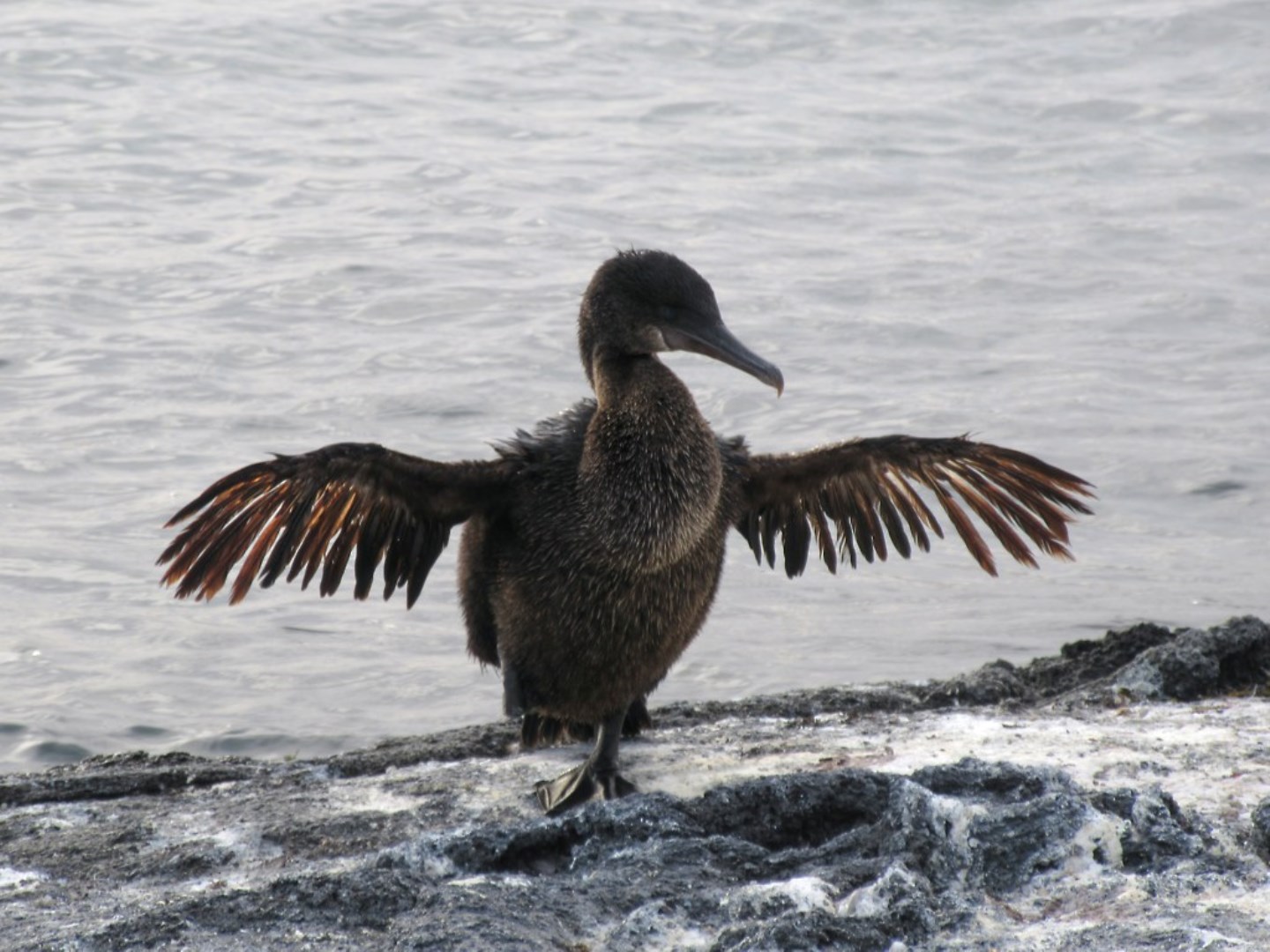
Besides being one of the largest and most remote of the Galapagos Islands, Fernandina Island is home to the area's most active volcano. It also boasts the most pristine ecosystem; unlike other islands in the Galapagos, Fernandina has thus far avoided the introduction of any non-native mammal species.
Relatively little vegetation is found here, thanks to the volcanic activity, but endemic wildlife is abundant. Large populations of marine iguanas and flightless cormorants inhabit the island, as well as sea lions, penguins, pelicans, and more.
Visitors to Fernandina Island have just two destinations to choose from: Punta Espinoza and Punta Mangle. The former is more popular, offering fascinating tidal pools and a short hike ideal for viewing mangroves and lava formations, while the latter is an excellent site for snorkeling or diving.
Relatively little vegetation is found here, thanks to the volcanic activity, but endemic wildlife is abundant. Large populations of marine iguanas and flightless cormorants inhabit the island, as well as sea lions, penguins, pelicans, and more.
Visitors to Fernandina Island have just two destinations to choose from: Punta Espinoza and Punta Mangle. The former is more popular, offering fascinating tidal pools and a short hike ideal for viewing mangroves and lava formations, while the latter is an excellent site for snorkeling or diving.
Other Popular Destinations in Ecuador
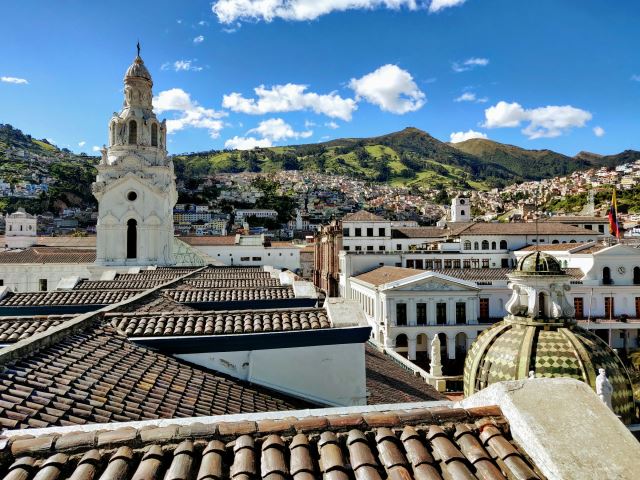
Situated on the equator and nestled beneath an imposing volcano, the rugged, sprawling, and vibrant city of Quito offers adventure galore. A South American gem and Ecuador’s capital, Quito combines the best of its Incan and Spanish influences in fascinating cultural attractions, and the city’s surrounding natural beauty will surely astound you.

Off the coast of Ecuador, the iconic and biodiverse Galápagos Islands, made famous by Charles Darwin’s nineteenth-century research expeditions on HMS Beagle, beckon you. This glittering archipelago, surrounded by vivid turquoise waves, abounds with stunning beaches and spectacular wildlife, perfect for the adventurous traveler.
