


South Pacific | French Polynesia | Taha'a


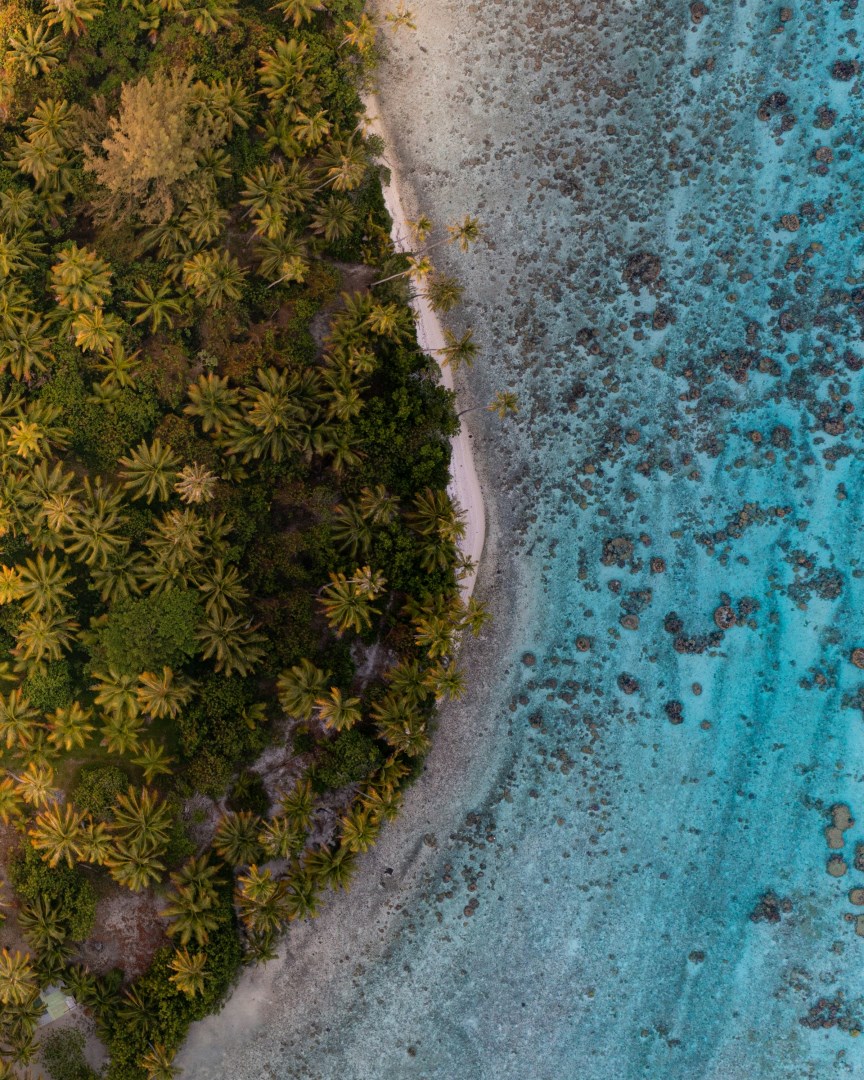
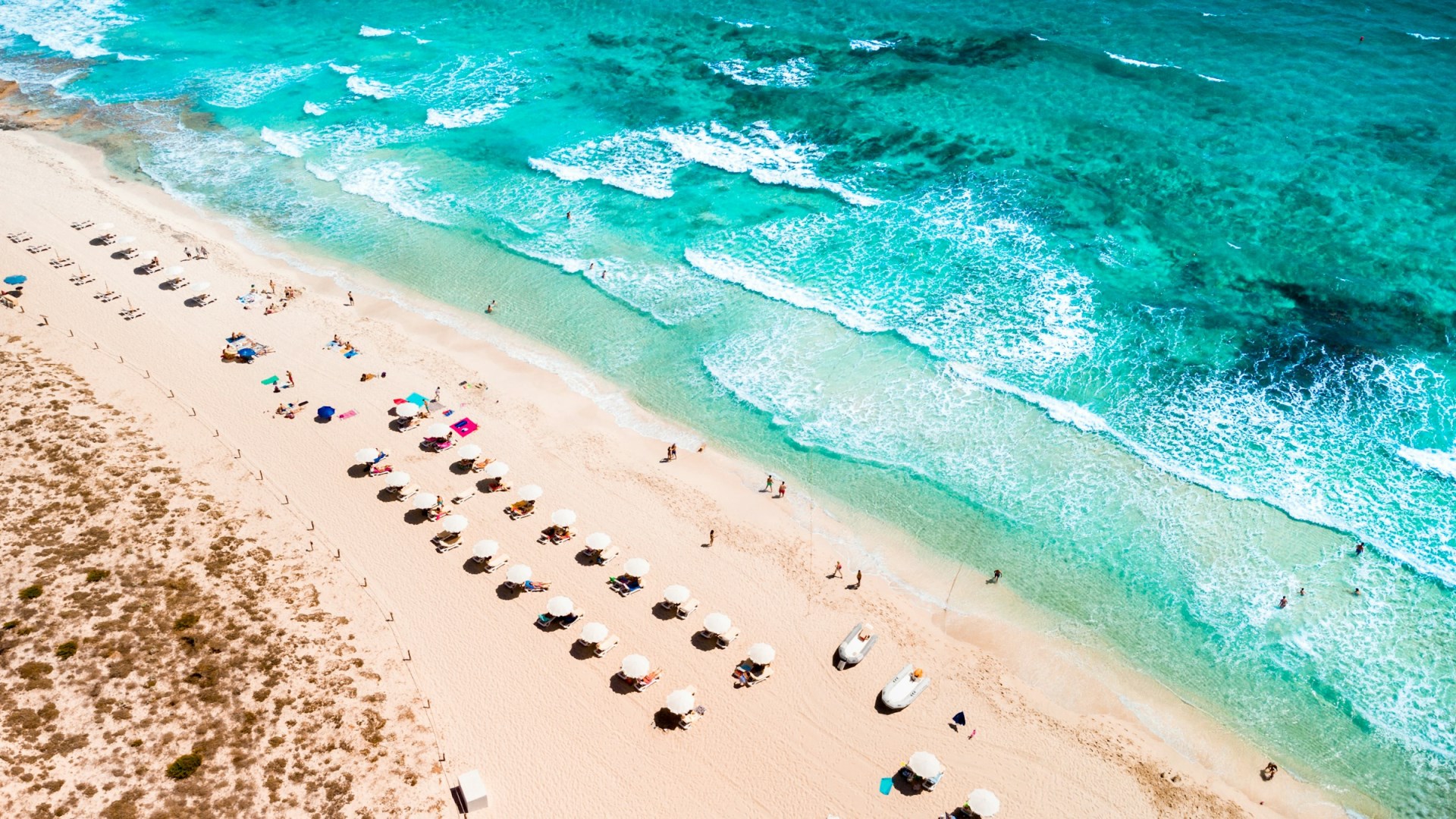
Sharing a common lagoon with Raiatean and accessible only by boat, Taha'a produces about 80% of all vanilla in French Polynesia. Taha'a is the only island in the Society Islands that can be completely circled by boat inside the protected lagoon. With its many deep bays and small deserted motus on the reef, Taha'a is an ideal island to escape the 20th century. Here you can explore the reef and discover the beauty of its multicolored lagoon, enjoy a picnic on a deserted
motu or go hiking in the mountains and through the vanilla plantations and learn the mystery of these "orchids". With only a handful of guest houses and small hotels, Taha'a is slowly awakening to tourism and yet it still maintains an authentic flavor of Polynesia.
Other Popular Destinations in French Polynesia

The capital of French Polynesia, Papeete is a veritable island paradise with bright cerulean waters, iconic overwater bungalows, and palm trees galore.

