


USA | California | Carmel-by-the-Sea
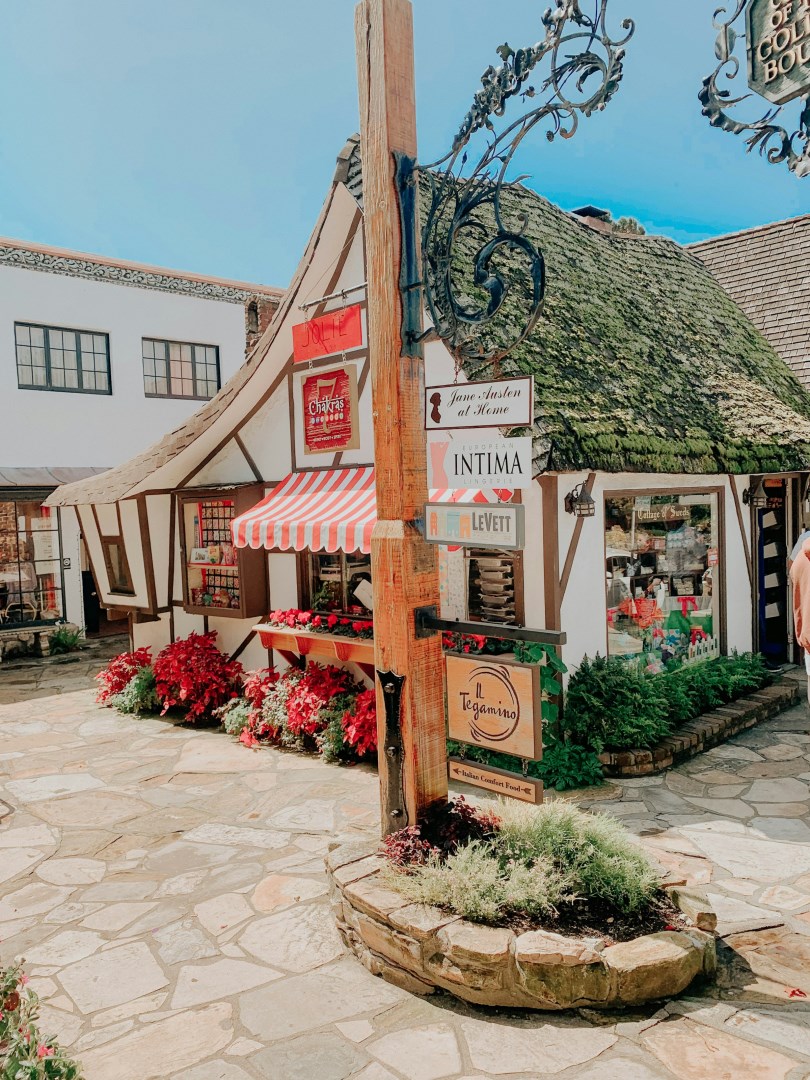
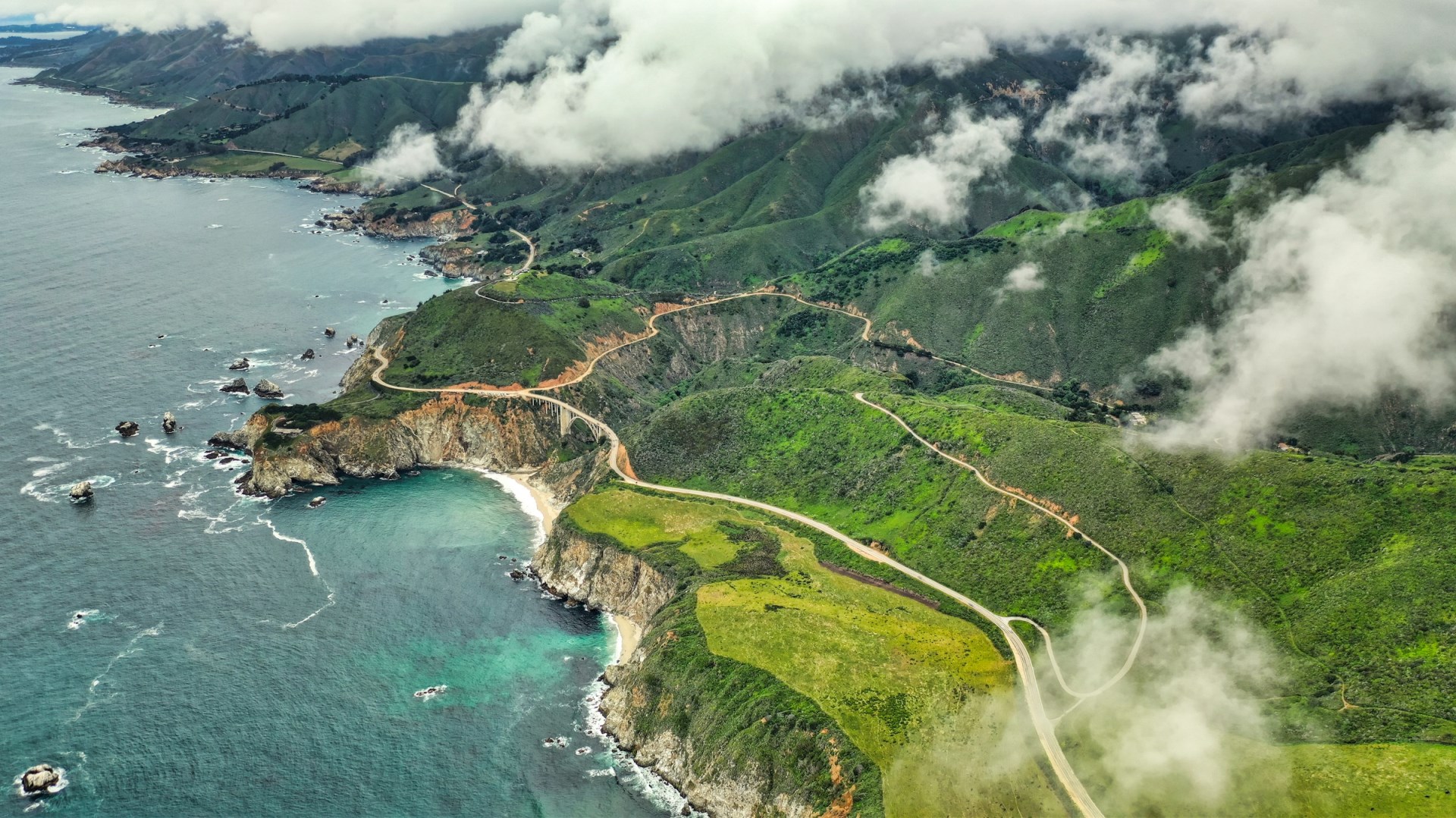
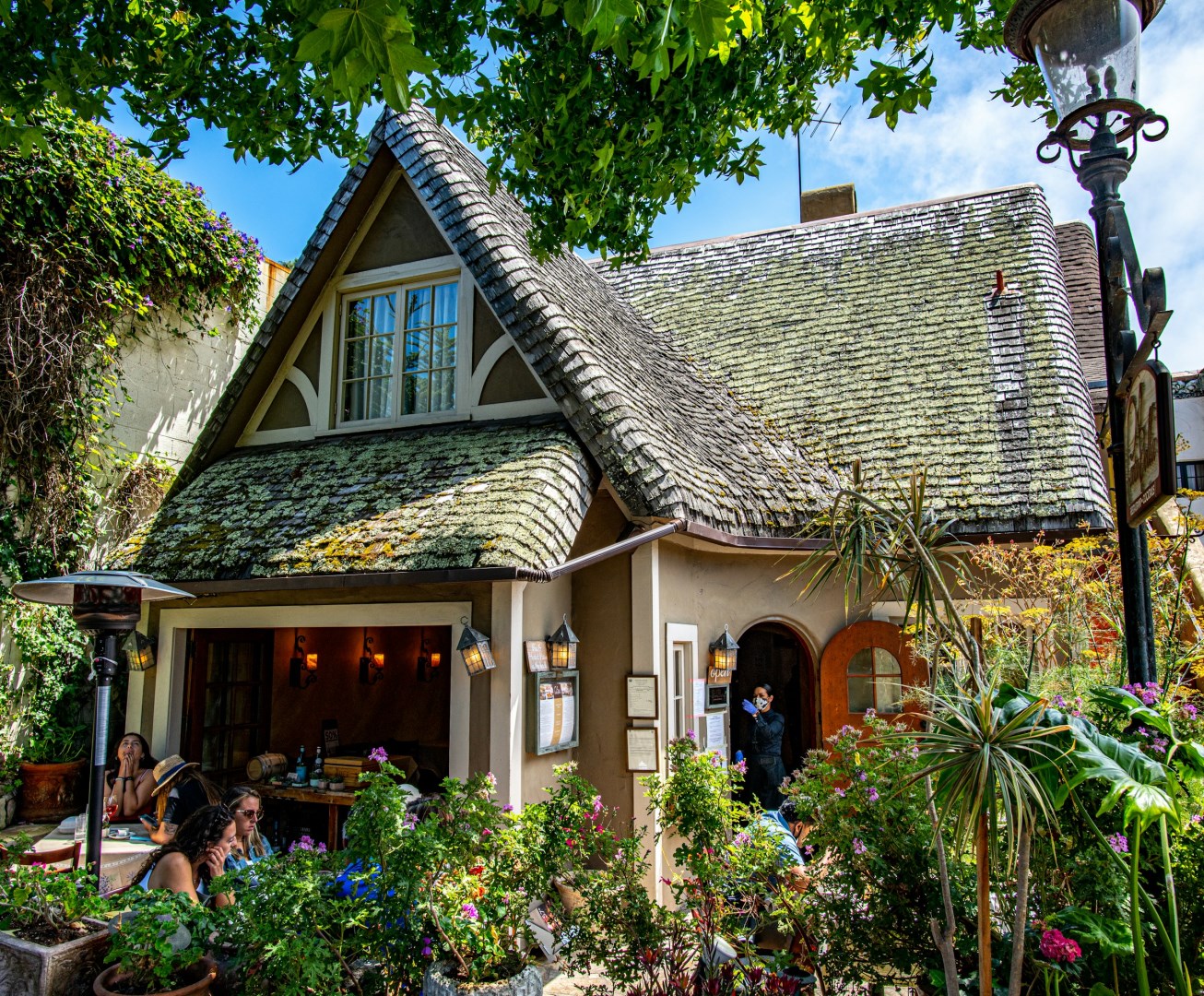

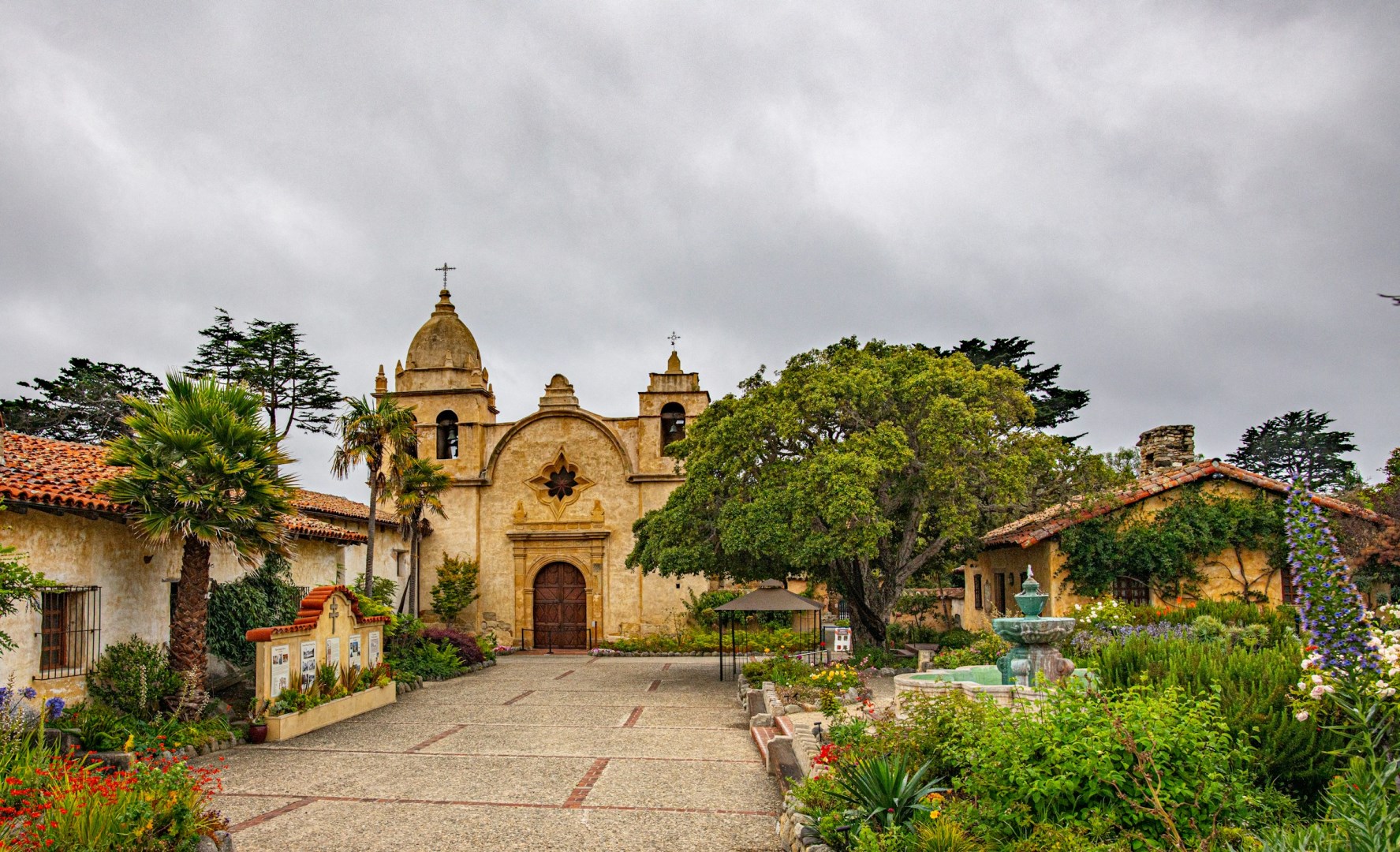
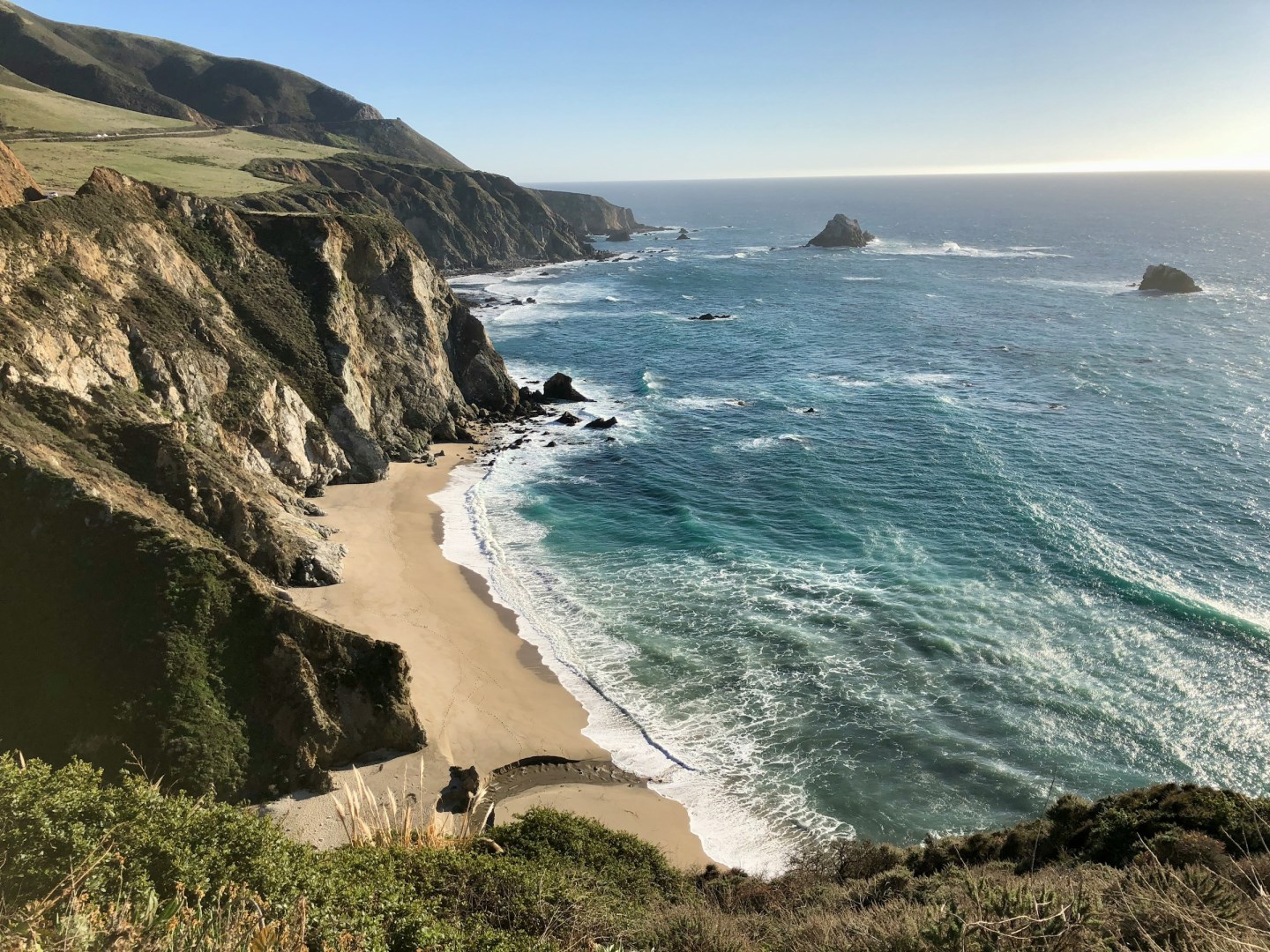
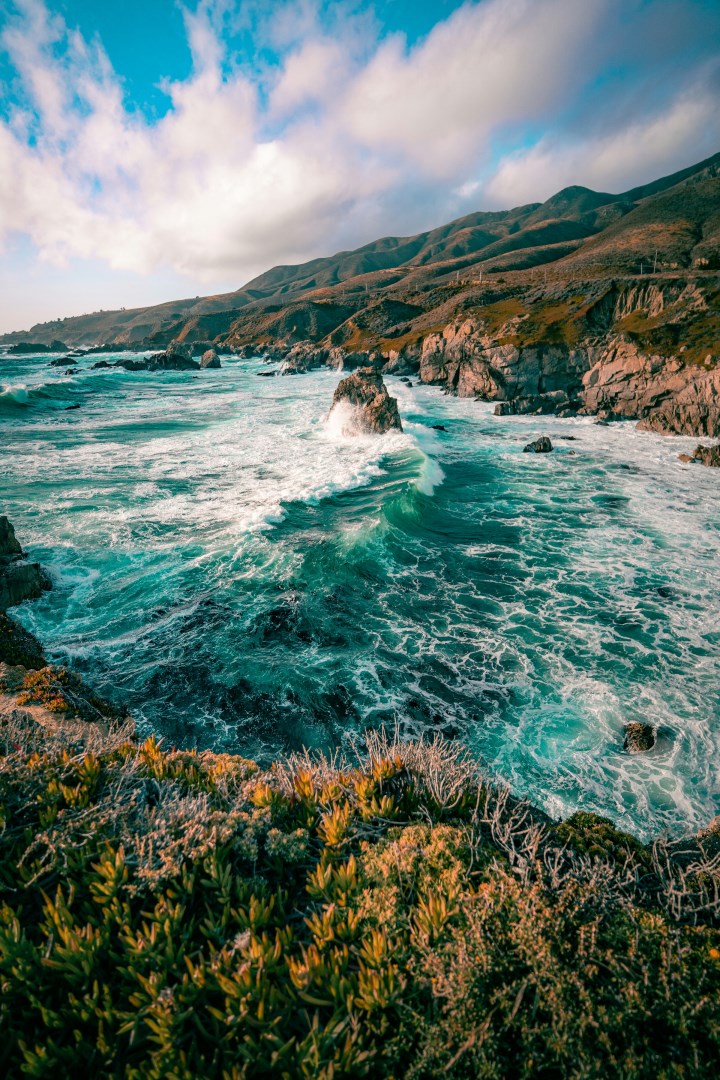
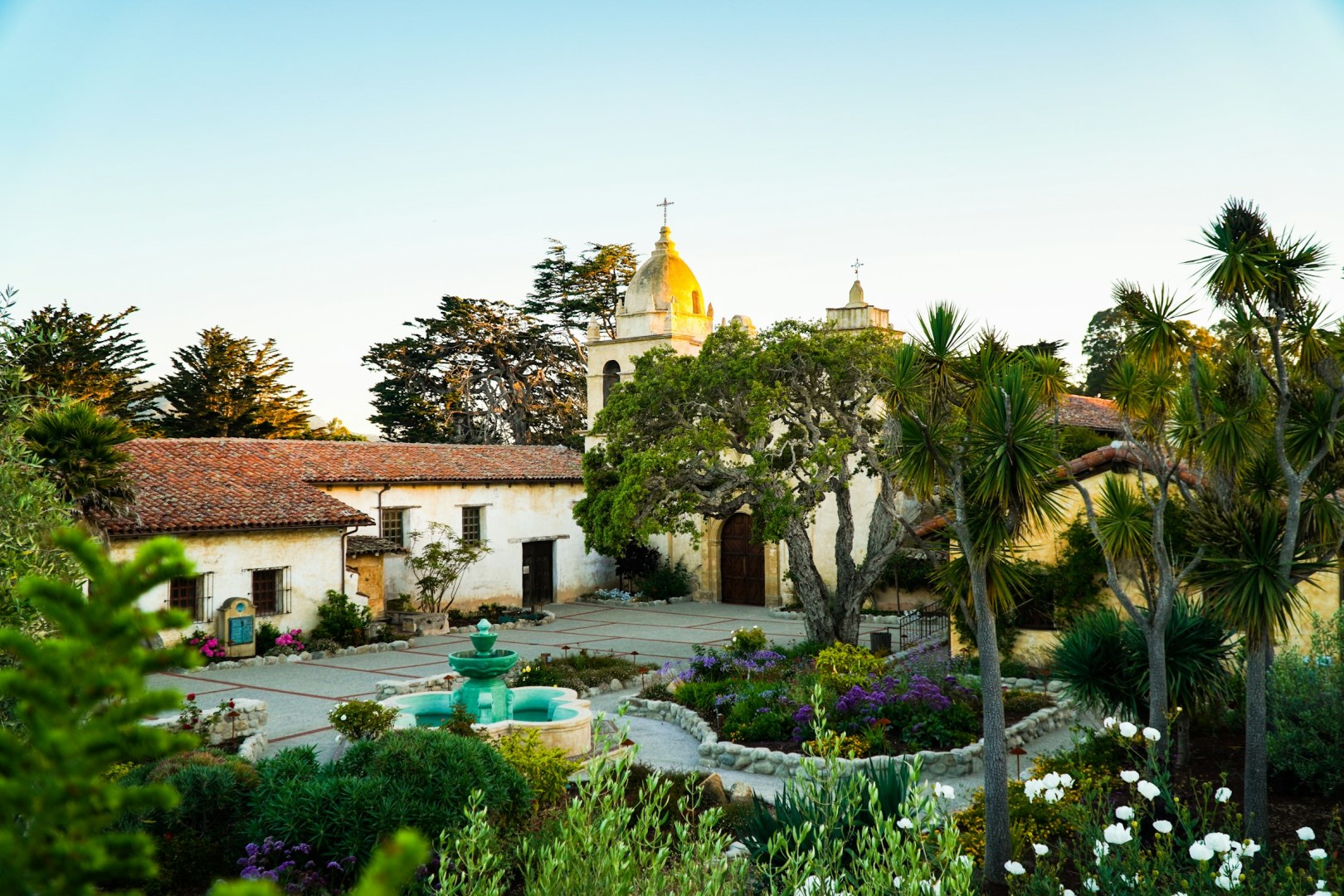
Carmel-by-the-Sea is a small coastal city on California’s Monterey Peninsula, overlooking Carmel Bay and the Pacific Ocean. The community is known for its compact village center, white-sand beach, cypress trees, and architecture that includes distinctive cottages and courtyards. Much of the commercial district can be explored on foot, with galleries, restaurants, boutiques, and wine-tasting rooms concentrated within a small area. Carmel Beach stretches below the town, while nearby Point Lobos and the wider Monterey Peninsula provide access to rocky coastlines, forests, marine habitats, and scenic walking trails.
Carmel-by-the-Sea has a strong connection to literature, art, and architecture. Writers, poets, painters, and other artists helped shape the community’s cultural identity, while architect Hugh Comstock became known for small storybook-style cottages that remain a recognizable feature of the village. Robinson Jeffers’ Tor House is another important cultural site, preserving the home and work of the poet who lived in Carmel. The nearby Carmel Mission, formally known as Mission San Carlos Borromeo del Río Carmelo, provides an important link to the area’s Spanish colonial and Catholic heritage.
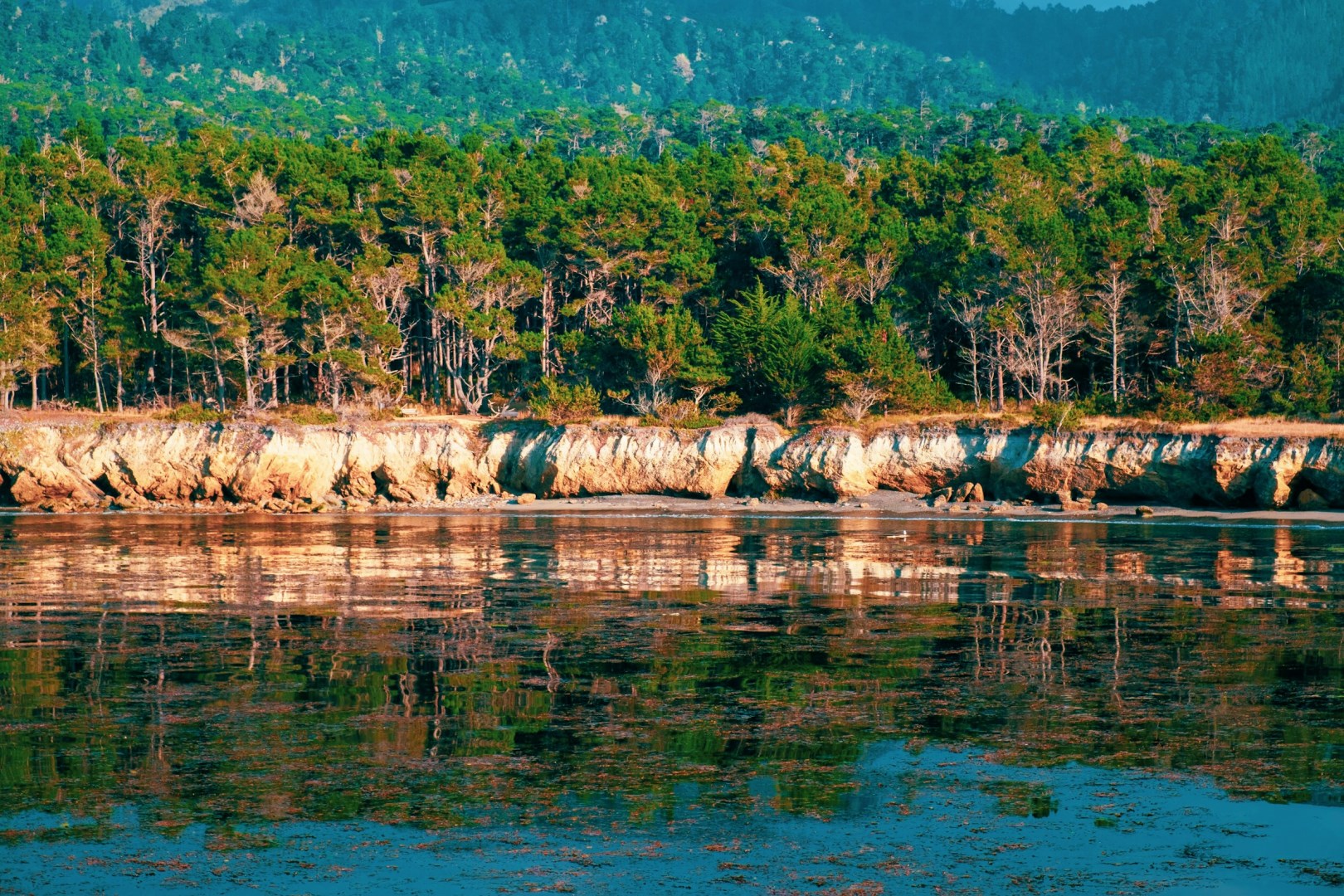
Carmel Beach is one of the city’s defining natural features, with pale sand extending along Carmel Bay beneath the town. Scenic walks lead through the village and toward the coastline, while the surrounding Monterey Peninsula offers access to forests, rocky coves, and marine habitats. Point Lobos State Natural Reserve, located just south of Carmel, is known for its coastal cliffs, sheltered coves, Monterey cypress, and opportunities to observe seals, sea otters, seabirds, and other wildlife. The nearby Carmel River State Beach adds another coastal landscape, with dunes, wetlands, and the Carmel River meeting the Pacific.
Food and wine are important parts of Carmel-by-the-Sea’s contemporary identity, with restaurants emphasizing seasonal produce, locally sourced ingredients, and seafood from the Pacific coast. The village also contains numerous tasting rooms representing wines from the Monterey County region. One unusual feature of Carmel-by-the-Sea is its distinctive municipal design: the city has traditionally had no conventional street addresses, streetlights, or parking meters in much of the village. Its small scale, pedestrian-friendly layout, art galleries, historic cottages, and close relationship with the Pacific have helped preserve a character quite different from larger California coastal cities.
Other Popular Destinations in California