




Central Asia | India | Aurangabad


Aurangabad, now officially known as Chhatrapati Sambhajinagar, is a historic city in Maharashtra’s Deccan region, surrounded by dry hills, agricultural land, and the basalt landscapes of the Deccan Plateau. It is best known as a gateway to some of India’s most important rock-cut monuments, including the UNESCO-listed Ajanta and Ellora Caves. The city itself combines Mughal-era architecture, Buddhist cave sites, historic gateways, and traditional craft industries. Its location also makes it a useful base for exploring Daulatabad Fort, Ghrishneshwar Temple, and other heritage sites across the surrounding region.
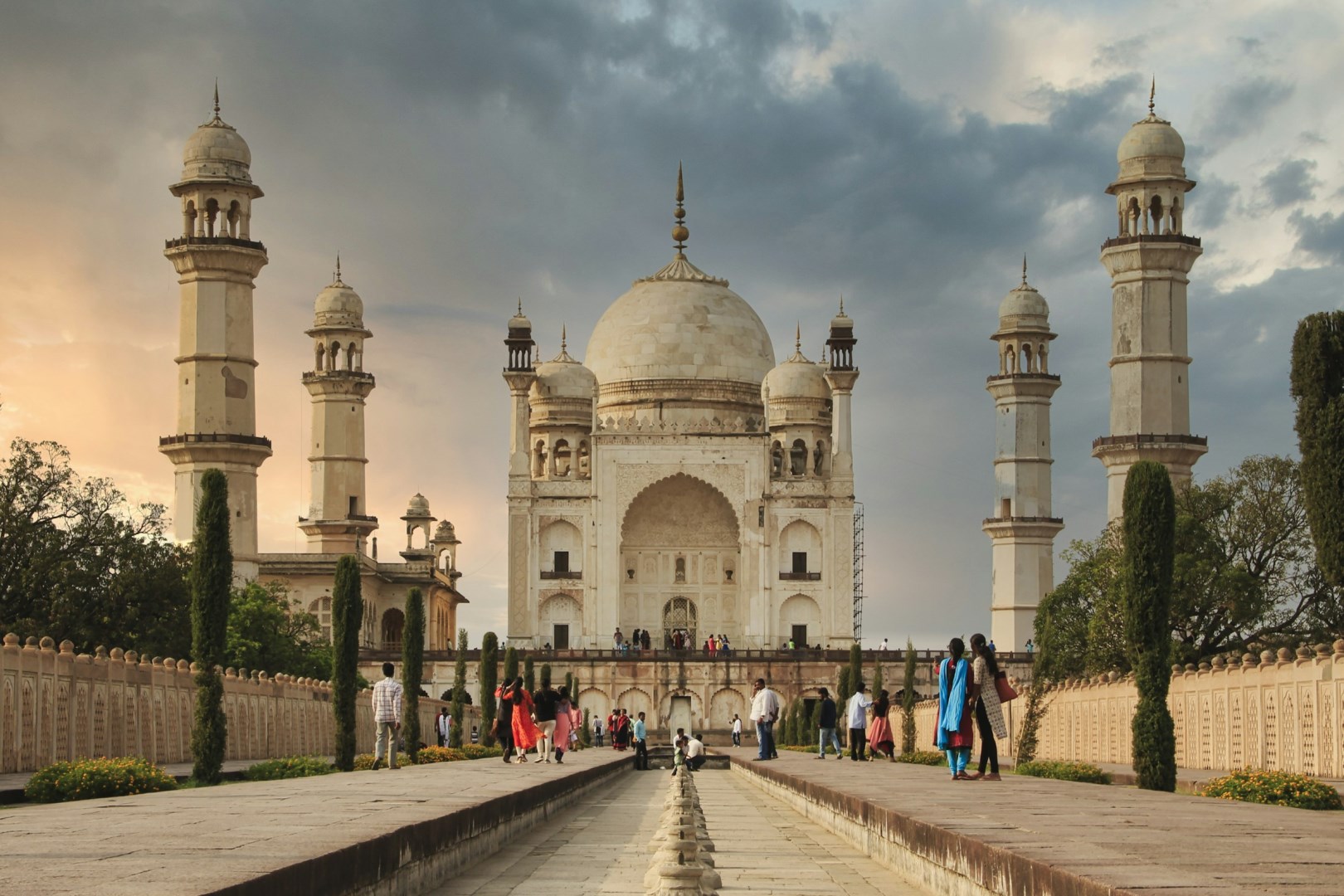
The city’s cultural identity reflects the many communities and ruling traditions that shaped the Deccan. Bibi Ka Maqbara is one of its best-known landmarks, built as the tomb of Aurangzeb’s wife, Rabia-ud-Durrani, and often called the “Mini Taj of the Deccan” because of its resemblance to the Taj Mahal. The Aurangabad Caves, located on a hillside near the city, contain Buddhist rock-cut shrines and sculptures. The region is also known for Himroo weaving, a traditional textile craft producing patterned fabrics using silk and cotton.
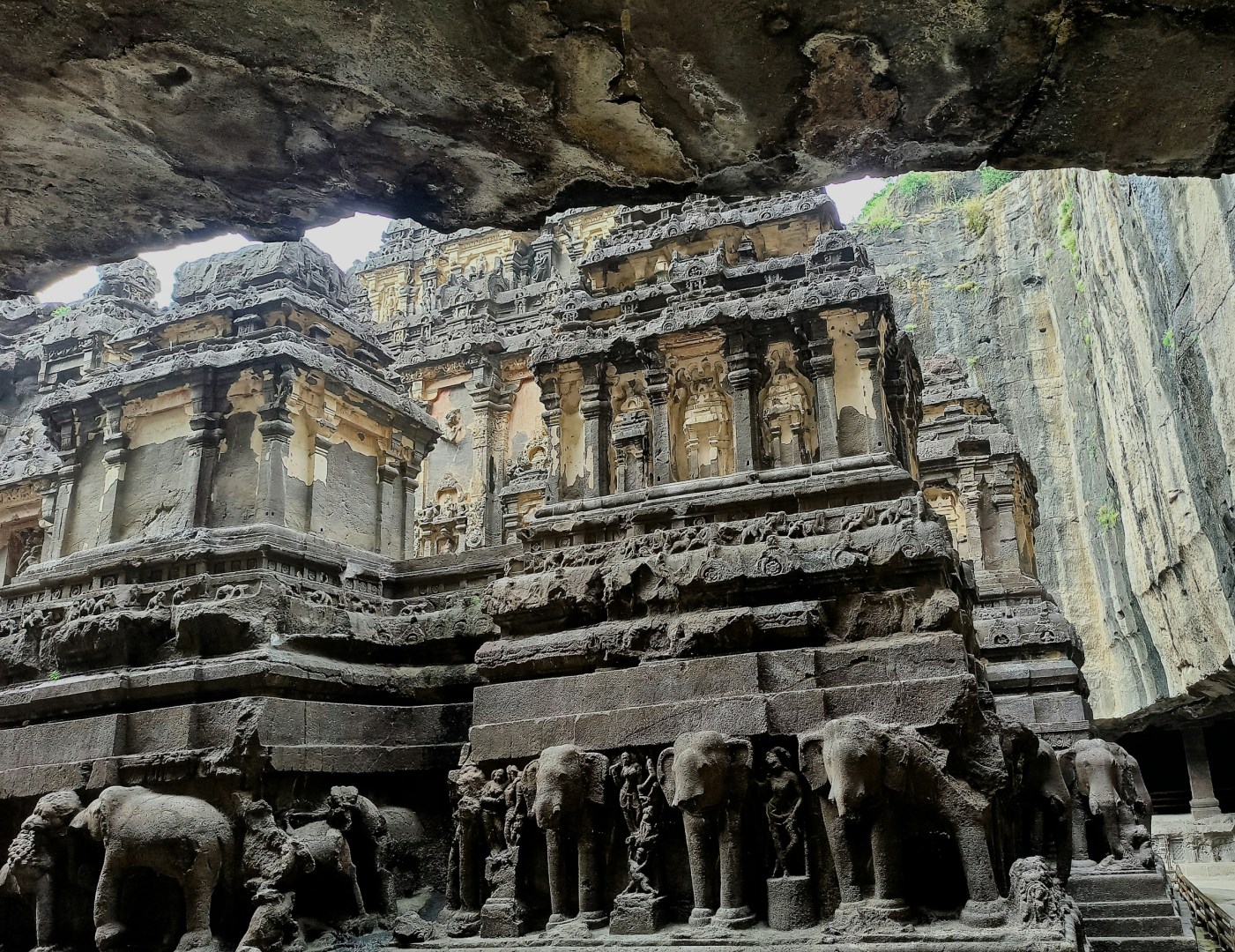
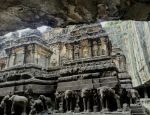
Ellora Caves are among the region’s most important attractions, with 34 rock-cut Buddhist, Hindu, and Jain monasteries and temples extending along a basalt cliff. The Kailasa Temple, carved from a single mass of rock, is the complex’s most prominent structure. The Ajanta Caves lie farther away in a horseshoe-shaped gorge overlooking the Waghora River and are renowned for Buddhist murals and sculptures. Daulatabad Fort adds a different type of heritage, with massive defenses built around a steep volcanic hill. Together, these sites give the area an unusually broad range of religious and architectural traditions.
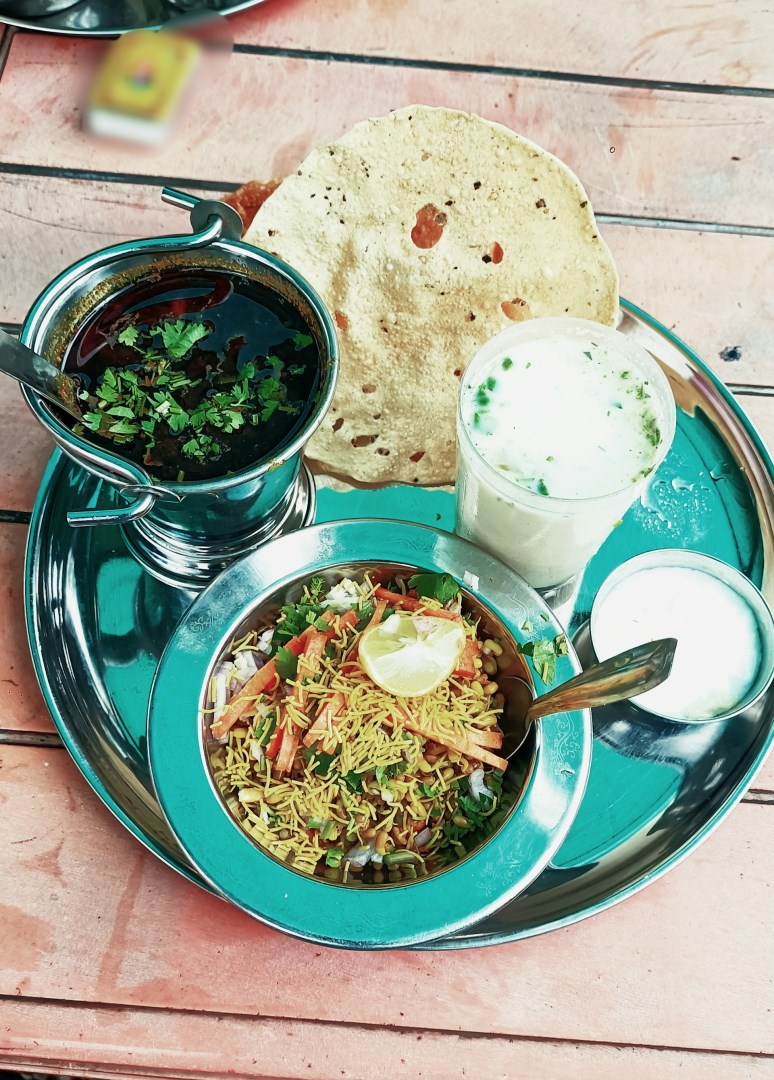
Food in Aurangabad reflects the flavors of Maharashtra and the wider Deccan, with dishes based on wheat, rice, lentils, vegetables, meat, chilies, and aromatic spices. Naan Qalia, a slow-cooked mutton dish traditionally associated with the city, is one of its better-known specialties, while Himroo textiles provide another distinctive connection with local craftsmanship. The surrounding region also produces Paithani textiles, a renowned handwoven silk tradition associated with the town of Paithan. Aurangabad’s combination of rock-cut monuments, Islamic architecture, Buddhist heritage, Deccan cuisine, and textile traditions makes it one of Maharashtra’s most culturally layered cities.
Other Popular Destinations in India


