


East and Southeast Asia | Thailand | Khao Sok National Park
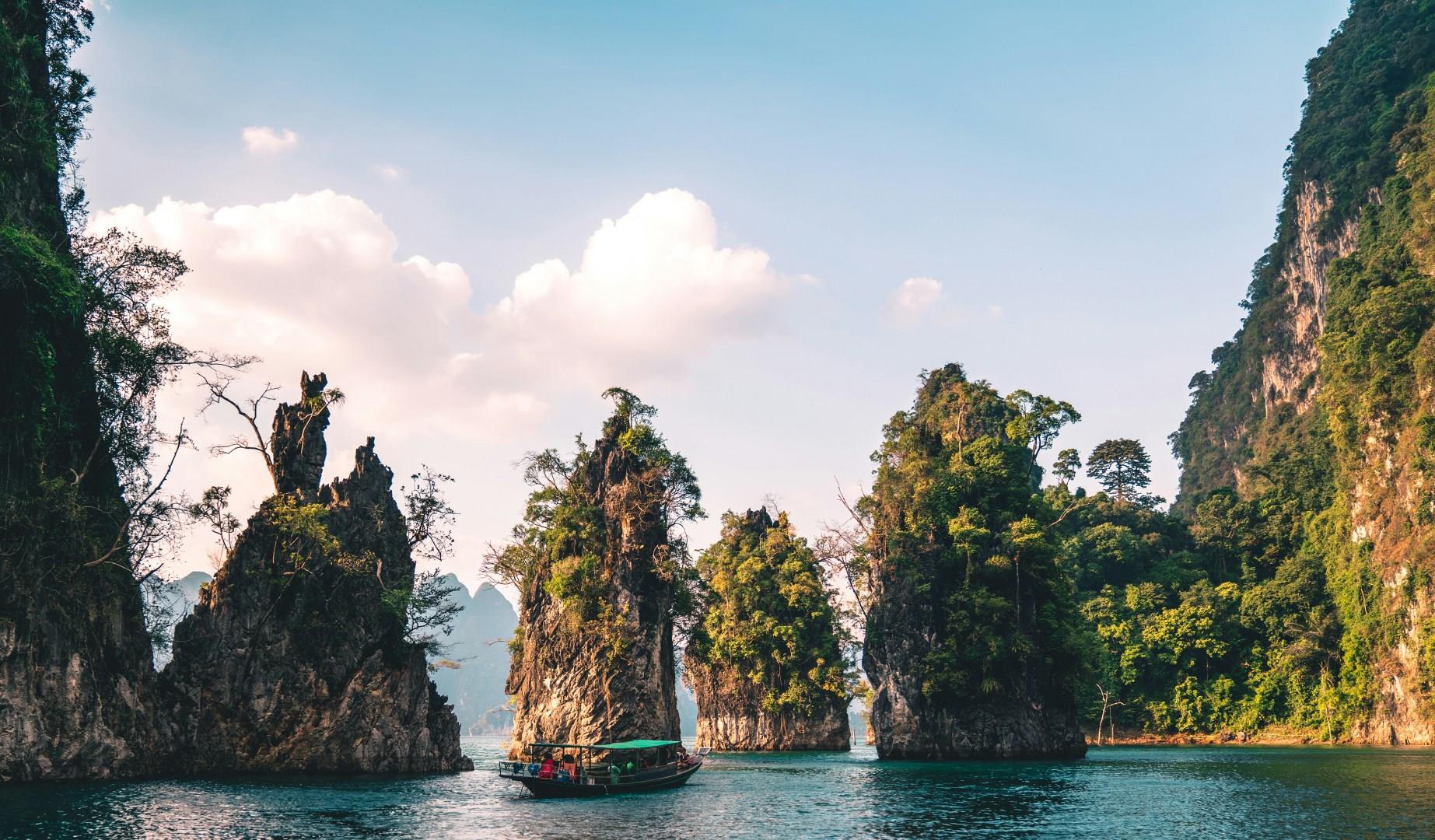

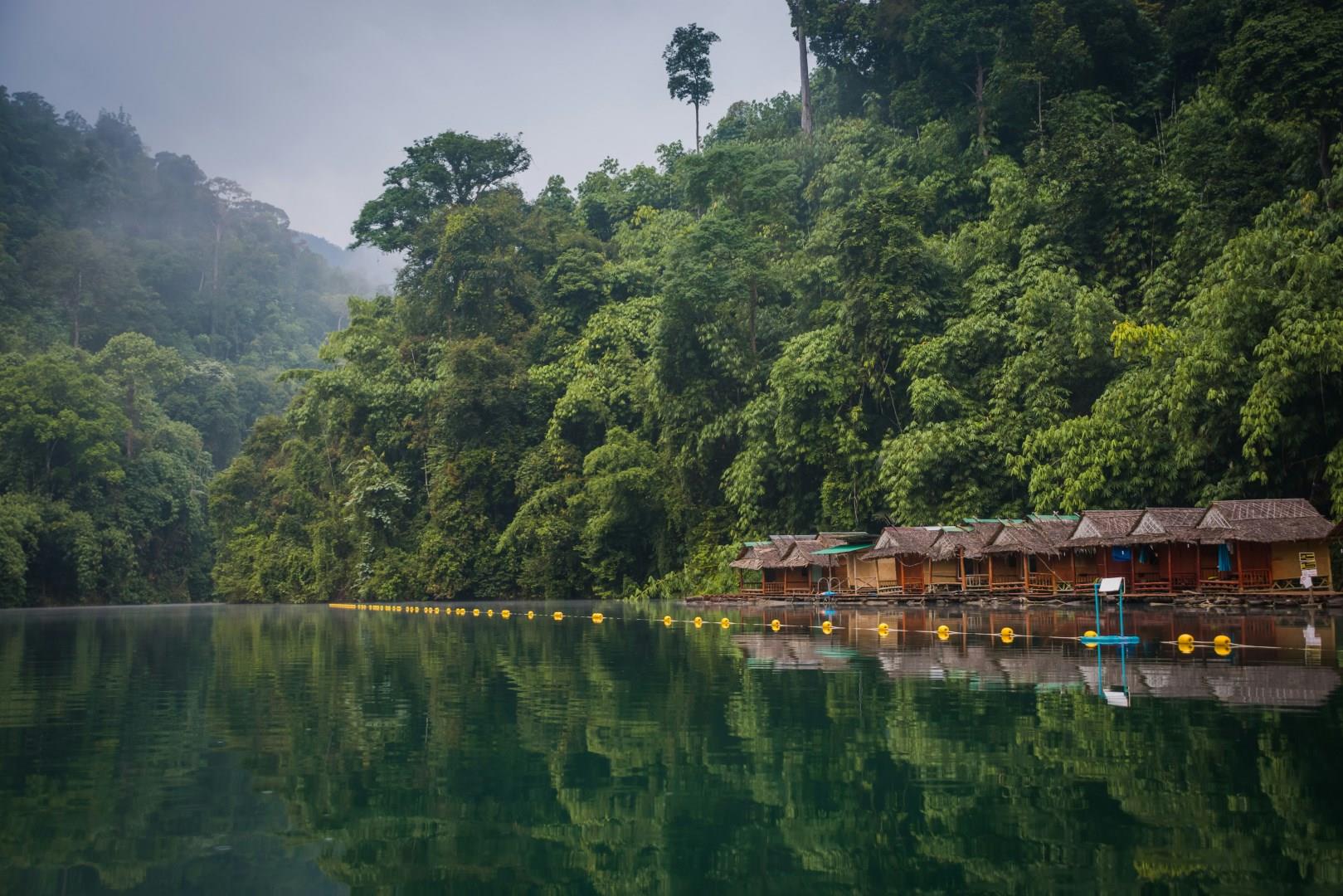

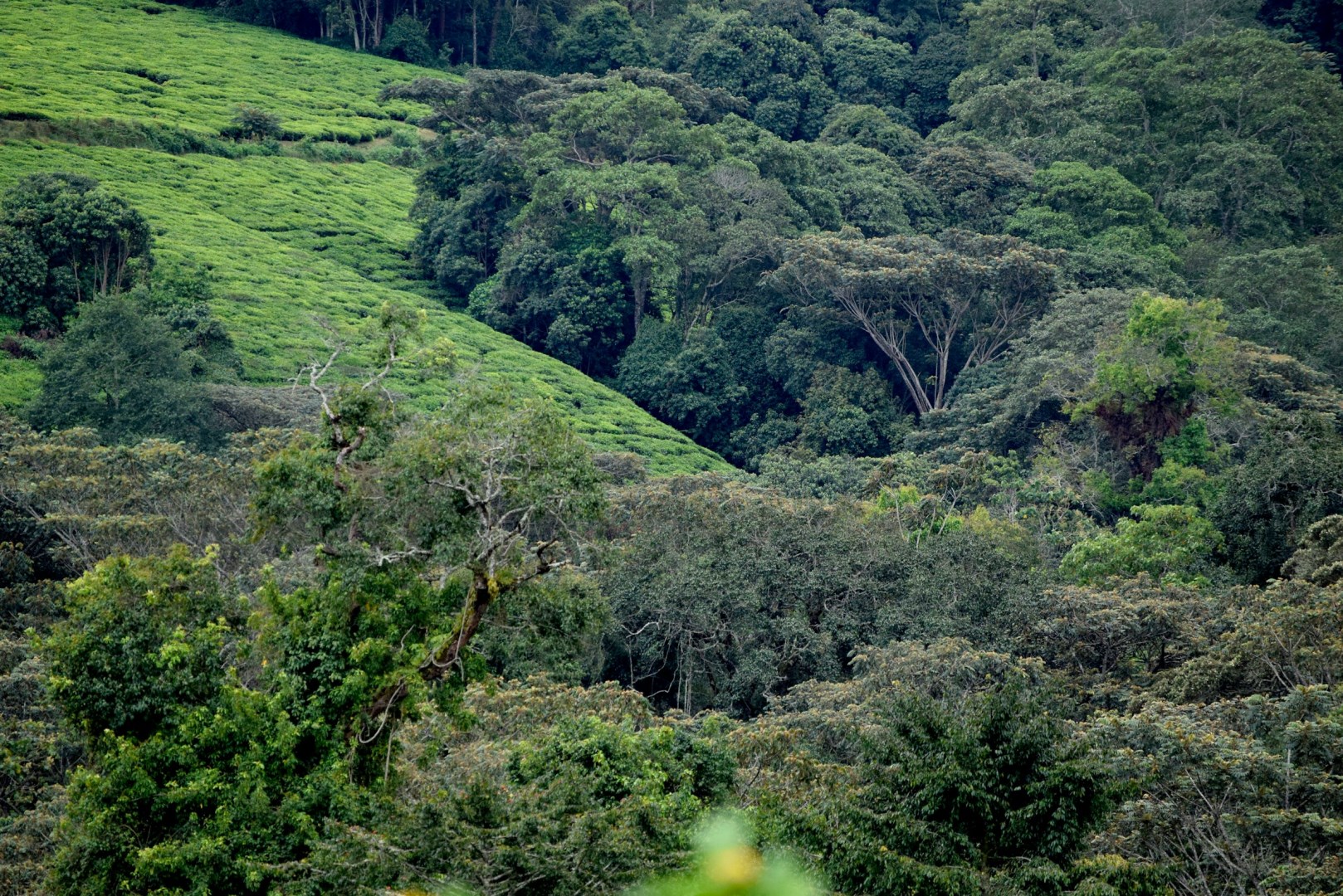
Khao Sok National Park in Thailand is a stunning natural haven that promises a truly immersive experience for nature lovers and adventure seekers. Nestled in southern Thailand, this sprawling park is renowned for its lush rainforests, dramatic limestone cliffs, and tranquil lakes. The park’s centerpiece, Cheow Lan Lake, is a breathtaking expanse of emerald waters surrounded by towering karst formations, ideal for boat tours and exploring floating lodges.
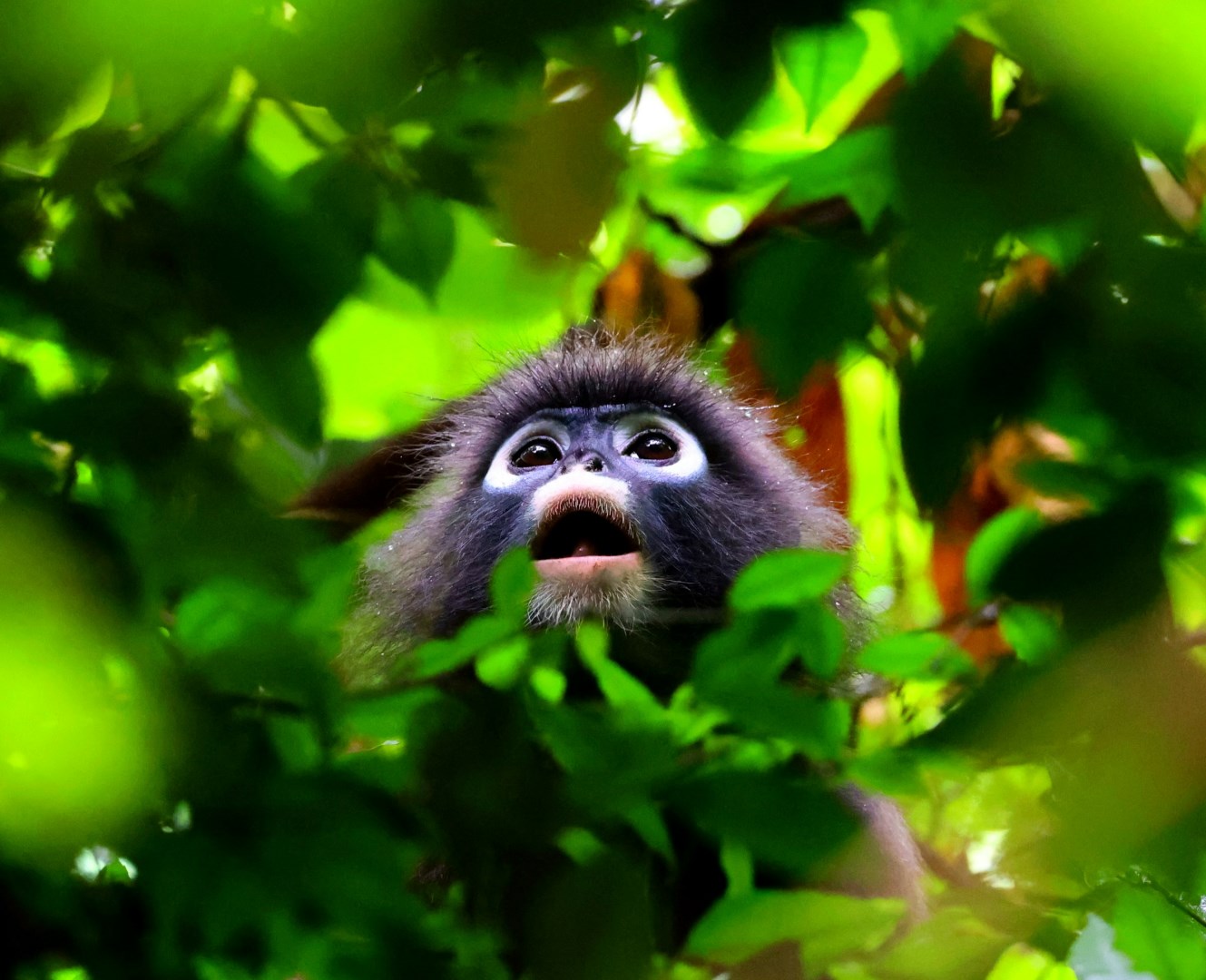
The park is a sanctuary for wildlife, offering opportunities to spot diverse species in their natural habitat. With over 300 bird species and a variety of mammals including the elusive Malayan sun bear and the rare Indochinese tiger, Khao Sok is a paradise for wildlife enthusiasts. Guided jungle treks take you deep into the heart of the forest, where you can marvel at ancient trees and cascading waterfalls.
Khao Sok’s unique limestone formations create a dramatic landscape that offers spectacular hiking and caving experiences. The Nam Talu Cave adventure is particularly popular, guiding visitors through a labyrinth of underground tunnels and chambers illuminated by natural light. For a more relaxed experience, you can enjoy a serene canoe ride along the Sok River, where the jungle canopy provides a cooling shade and a chance to spot wildlife.
Fun Fact: Khao Sok is home to one of the oldest rainforests in the world, estimated to be over 160 million years old. This ancient forest predates even the Amazon and harbors a treasure trove of biodiversity.
Visit Khao Sok between November and April for the best weather conditions, with less rain and pleasant temperatures that make for ideal outdoor adventures. This hidden gem in Thailand promises an unforgettable escape into one of the world’s most enchanting natural landscapes.
The park is a sanctuary for wildlife, offering opportunities to spot diverse species in their natural habitat. With over 300 bird species and a variety of mammals including the elusive Malayan sun bear and the rare Indochinese tiger, Khao Sok is a paradise for wildlife enthusiasts. Guided jungle treks take you deep into the heart of the forest, where you can marvel at ancient trees and cascading waterfalls.
Khao Sok’s unique limestone formations create a dramatic landscape that offers spectacular hiking and caving experiences. The Nam Talu Cave adventure is particularly popular, guiding visitors through a labyrinth of underground tunnels and chambers illuminated by natural light. For a more relaxed experience, you can enjoy a serene canoe ride along the Sok River, where the jungle canopy provides a cooling shade and a chance to spot wildlife.
Fun Fact: Khao Sok is home to one of the oldest rainforests in the world, estimated to be over 160 million years old. This ancient forest predates even the Amazon and harbors a treasure trove of biodiversity.
Visit Khao Sok between November and April for the best weather conditions, with less rain and pleasant temperatures that make for ideal outdoor adventures. This hidden gem in Thailand promises an unforgettable escape into one of the world’s most enchanting natural landscapes.
Other Popular Destinations in Thailand

Bangkok, Thailand’s capital, is a city of striking contrasts where gilded temples stand beside sleek skyscrapers and centuries-old traditions thrive amid modern life. At its heart is the Grand Palace, a dazzling complex that once housed the Thai kings, along with Wat Phra Kaew, the revered Temple of the Emerald Buddha.

Chiang Mai, located in northern Thailand, is a city where ancient walls surround over 30 historic temples, and daily life continues just steps away from centuries-old rituals. Founded in 1296 as the capital of the Lanna Kingdom, the city still reflects its origins through distinctive architecture, moats, and cultural practices. Wat Phra Singh and Wat Chedi Luang are two of the most visited temples within the Old City, offering a chance to see traditional Lanna-style design.
