
Roatan is the largest of the eight islands known collectively as Las Islas de la Bahia. Brilliant clear blue waters and palm fringed beaches are cooled by gentle trade winds. An extensive reef system offers the most spectacular diving and snorkeling in the Western hemisphere, while inland nature reserves give an up-close look at native wildlife, including monkeys, sloths, and parrots.
Ankara, the capital of Turkey, sits on the Anatolian plateau and reflects the country’s layered history more quietly than Istanbul, yet with equal depth. Once an important settlement for the Hittites, Phrygians, Romans, and Byzantines, Ankara rose to national prominence in the 20th century when Mustafa Kemal Atatürk chose it as the heart of the modern Turkish Republic. Today, it functions as Turkey’s political center while preserving traces of its ancient and Ottoman past.
Fuengirola is a coastal town in southern Spain, located on the Costa del Sol in the province of Málaga. It stretches along a wide sandy shoreline backed by a dense urban area of apartments, hotels, and promenades.
The Dominican Republic is a vibrant mosaic of cultures, landscapes, and rhythms. The country’s culture is celebrated through lively festivals, music, and dance, with merengue and bachata resonating in every corner.
Telavi is the administrative center of Georgia’s Kakheti region, located between the Gombori mountain range and the Alazani Valley. The town is known for its connection to winemaking, traditional balconies, and views toward the snow-covered Caucasus Mountains.
The Cayman Islands, a trio of tropical gems in the western Caribbean, are renowned for their crystalline waters, coral reefs, and relaxed island lifestyle. Grand Cayman, the largest, is home to the famous Seven Mile Beach, a stretch of soft white sand fringed by turquoise seas.
Photo Credit: Photo by Meredith Fingarson on Unsplash
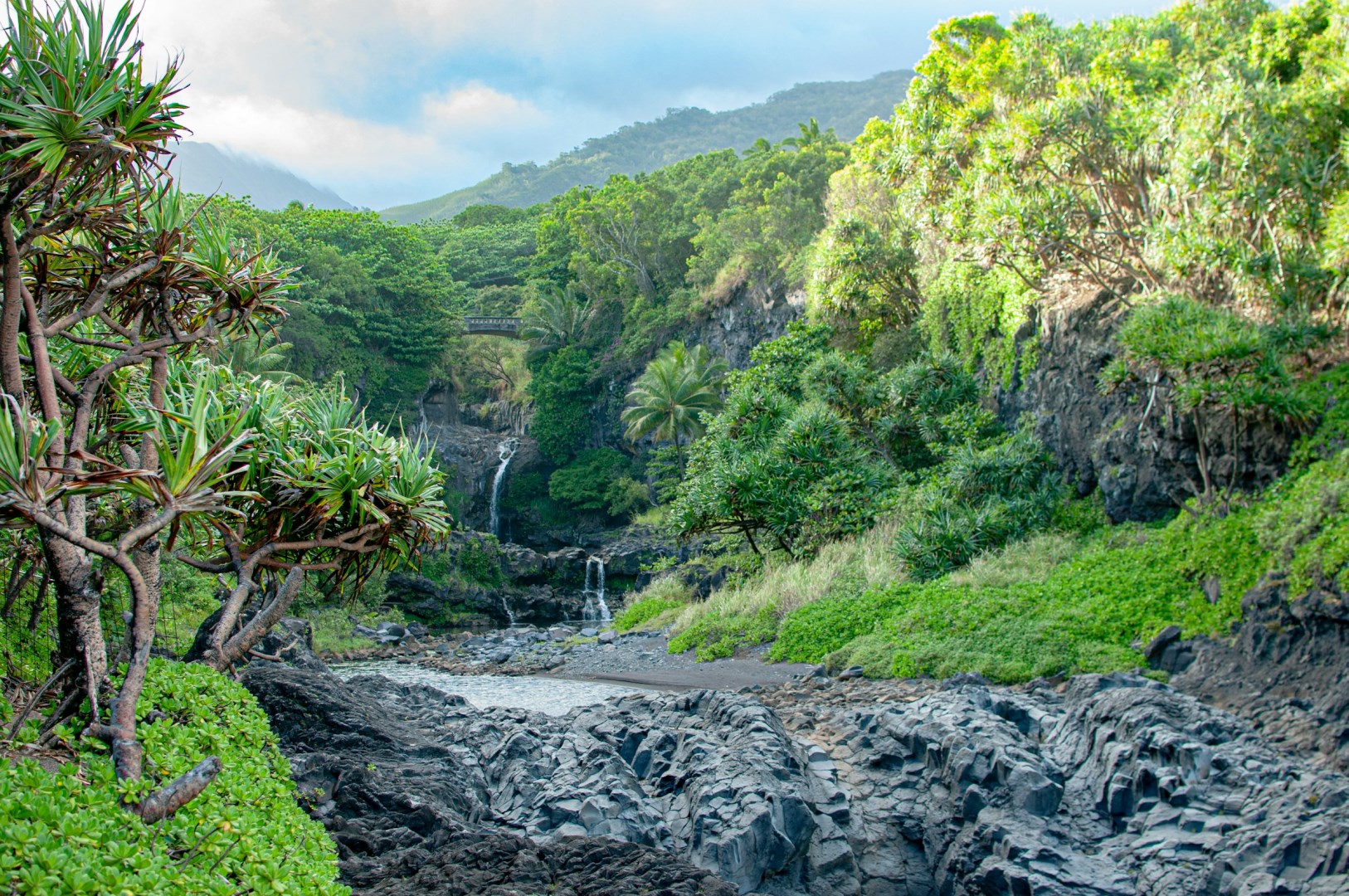
Maui, both second youngest and second largest of the Hawaiian Islands, is home to the world's largest dormant volcano, Haleakala, meaning "House of the Sun." Last erupting about 200 years ago, it makes up the eastern end of the island. Maui was formed by volcanic activity from Haleakala on the east and the West Maui Mountains to the west. The connecting isthmus between the two spots was formed from joining lava from both and gives Maui its nickname, the Valley Isle.