



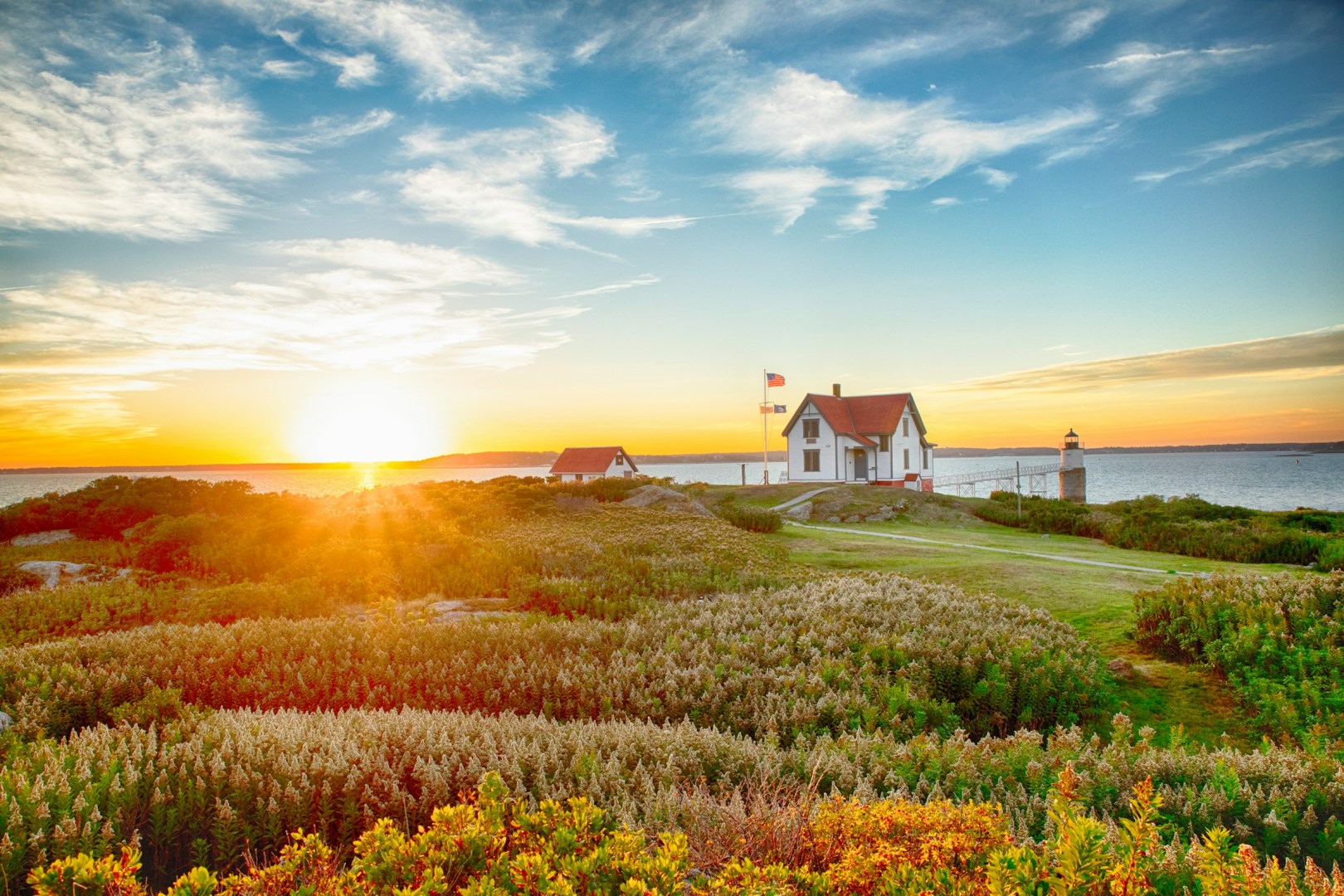

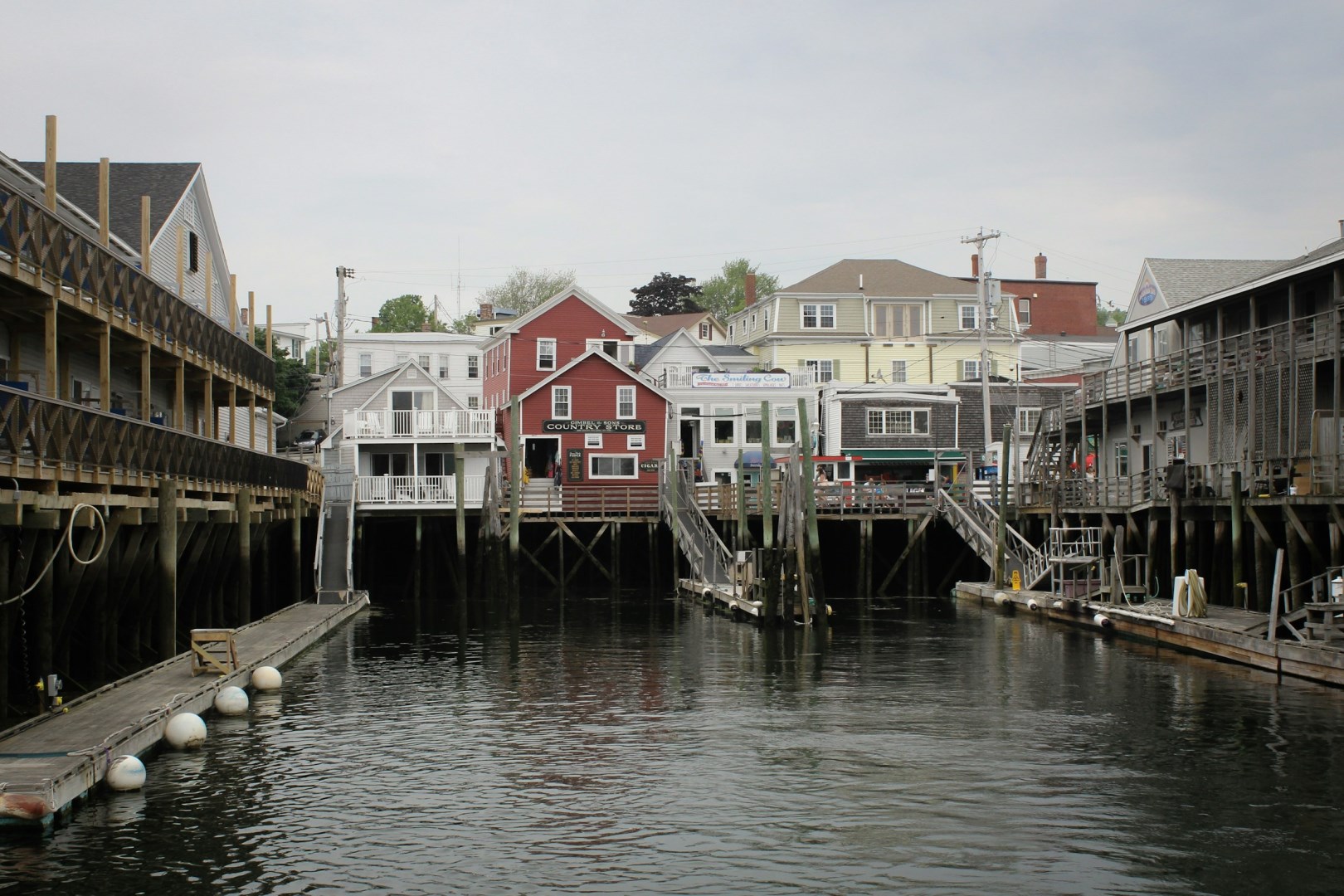
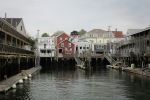
Boothbay Harbor is a small fishing village located close to the ocean. To experience the classic flavor of Maine, the outlying areas are a must-see.
Other Popular Destinations in Maine

Dotted with lighthouses along its shoreline, Portland, Maine is a coastal gem in the northeastern United States and a veritable paradise for lovers of fresh seafood, craft breweries, and small-town charm. At the center of downtown Portland, the Old Port neighborhood boasts a number of unique and historical buildings, trendy restaurants and bars, and picturesque views of the Portland Harbor.

Bar Harbor should be any traveler's Maine priority! Drink in a view of the Atlantic Ocean from the town pier, and be sure to get some lobster at one of the excellent local restaurants. Bar Harbor, a Mount Desert Island town, is also the portal to the rugged, recreational paradise Acadia National Park, where birding, whale-watching and kayaking is the order of the day. The park's Cadillac Mountain is the highest point on America's East Coast.
