



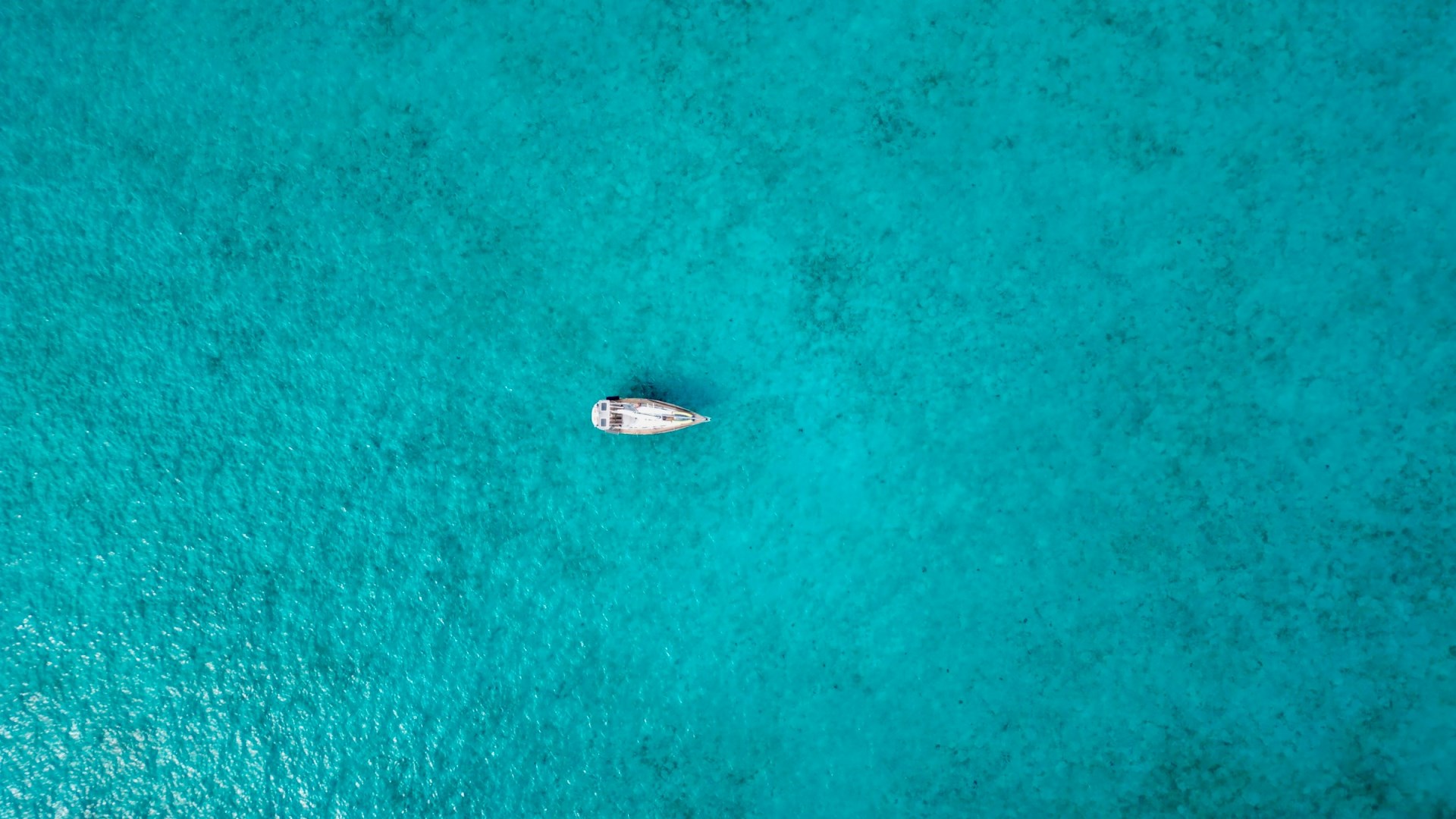

One of the "Out Islands" of the Bahamas, Long Island lies at the eastern reaches of the more than 700 islands and cays that make up thisspectacular archipelago. Located on the Tropic of Cancer, approximately 160 miles southeast of Nassau (a one hour flight), it covers nearly 230 square miles and is 70 miles long by five miles at its widest point.
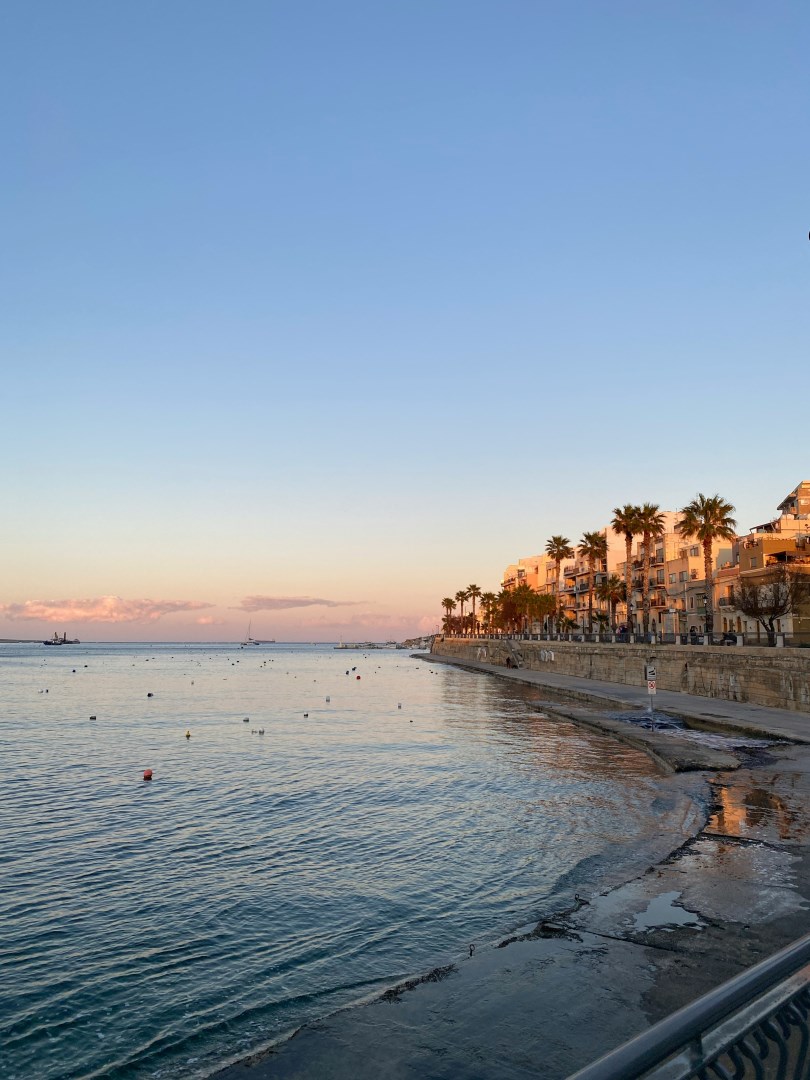
Christopher Columbus saw this long island as he headed west in Oct., 1492. In his log he described 150-foot high cliffs, waves crashingon isolated beaches, and miles of uninterrupted green foliage fillingthe air with "the scent of flowers and trees, delicious and sweet...the most delightful thing in the world". Long Island remains remarkably unchanged today. The geography of its east and west coast is strikingly different; hills and coral cliffs mark the former, whileshallow bays and miles of white sand beach grace the latter.
There is plenty to see and do in this paradise. Historic churches and romantic ruins, ancient caves and virgin beaches abound. It's a place to laze, to play, to explore. Long Island maintains a unique character other Out Islands have lost to the rising tide of tourism-related development. Its peaceful easy way of life and crime-free status ensure a worry-free holiday.
Christopher Columbus saw this long island as he headed west in Oct., 1492. In his log he described 150-foot high cliffs, waves crashingon isolated beaches, and miles of uninterrupted green foliage fillingthe air with "the scent of flowers and trees, delicious and sweet...the most delightful thing in the world". Long Island remains remarkably unchanged today. The geography of its east and west coast is strikingly different; hills and coral cliffs mark the former, whileshallow bays and miles of white sand beach grace the latter.
There is plenty to see and do in this paradise. Historic churches and romantic ruins, ancient caves and virgin beaches abound. It's a place to laze, to play, to explore. Long Island maintains a unique character other Out Islands have lost to the rising tide of tourism-related development. Its peaceful easy way of life and crime-free status ensure a worry-free holiday.
Other Popular Destinations in Bahamas
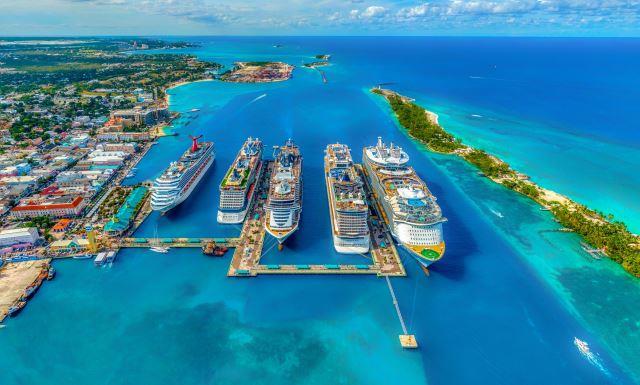
Beloved by cruise-goers, Nassau is a stunning Bahamian paradise and an essential destination on many Caribbean cruises. With so much to experience and explore, charming Nassau will easily enchant you on your adventure to the Bahamas! Hit one of Nassau’s many beaches, including Montagu Beach, Goodman’s Bay, and Cable Beach, to soak up some sunshine and relax in warm sands. Take a plunge in the ocean to snorkel or swim with dolphins, sharks, and sting rays.

