
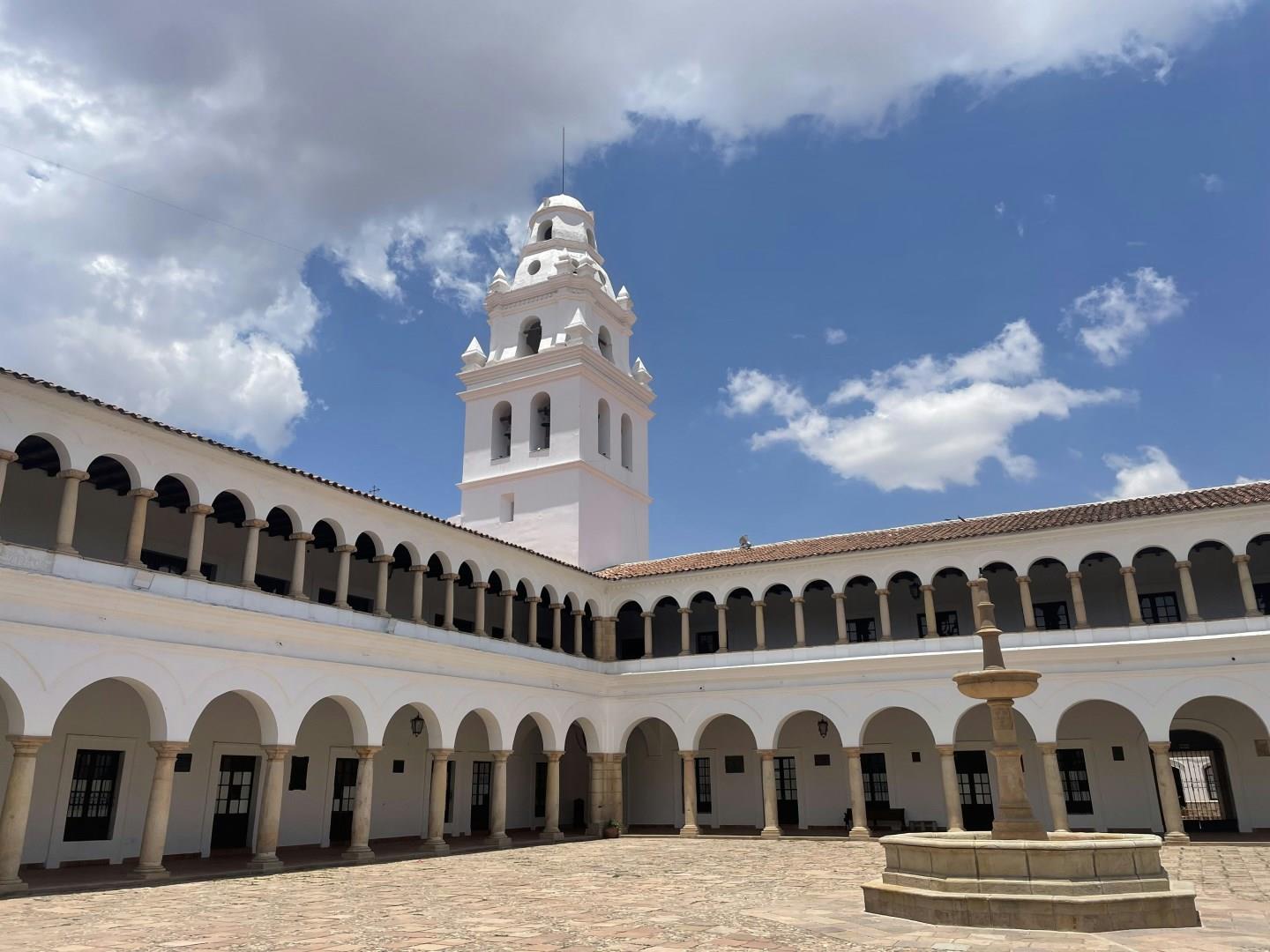
Sucre
Sucre, Bolivia’s constitutional capital, is a city steeped in history and colonial charm. Founded in the 16th century by the Spanish, it played a pivotal role in South America’s independence movements, earning its place as the birthplace of the Bolivian Republic.

Vilnius
Vilnius, the charming capital of Lithuania, is a city where historical grandeur meets vibrant modernity. The heart of Vilnius is its UNESCO-listed Old Town, one of the largest and most well-preserved medieval city centers in Europe. Wander through its cobblestone streets and admire the stunning Baroque architecture.
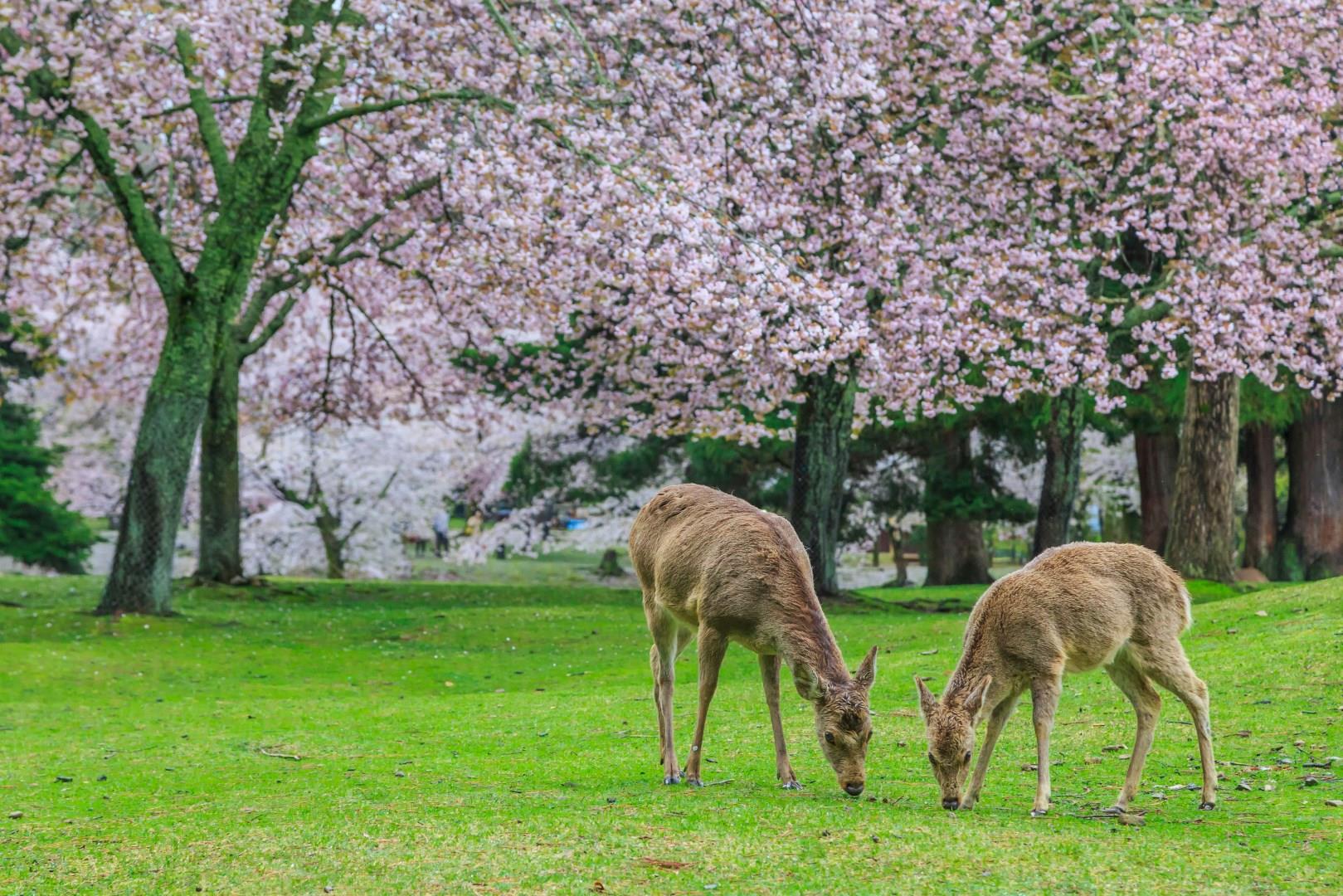
Nara
Nara, located in Japan’s Kansai region, is a city where ancient history and serene landscapes coexist. As the country’s first permanent capital, it preserves a wealth of historic sites that reflect its significance during the Nara period.
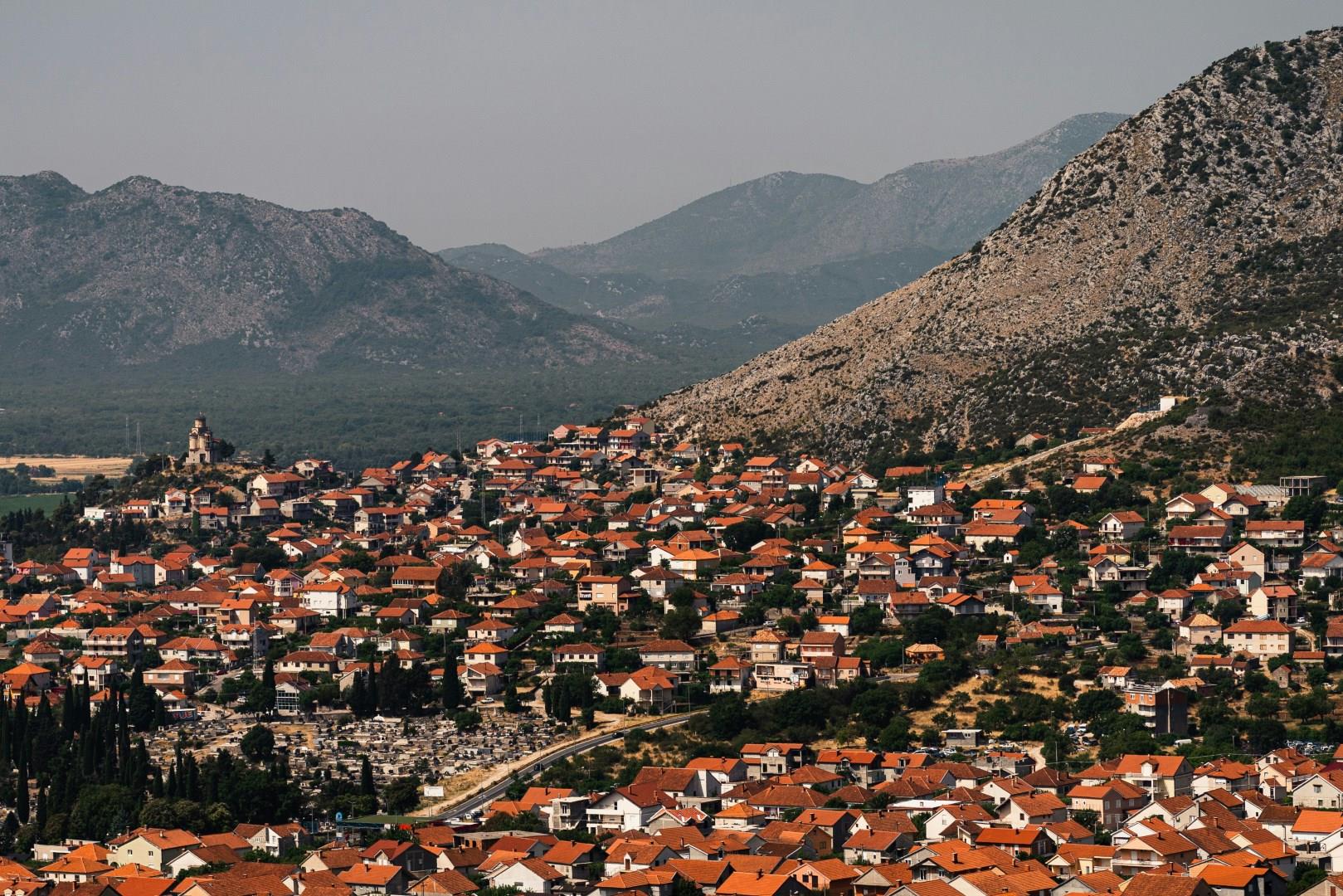
Trebinje
Trebinje, the southernmost city in Bosnia and Herzegovina, sits just a short drive from the Adriatic coast but offers a completely different rhythm. Framed by hills and set along the Trebišnjica River, the city has a history stretching back to Roman times. The river that winds through the city is one of the longest sinking rivers in the world and often disappears underground and resurfaces in various places.
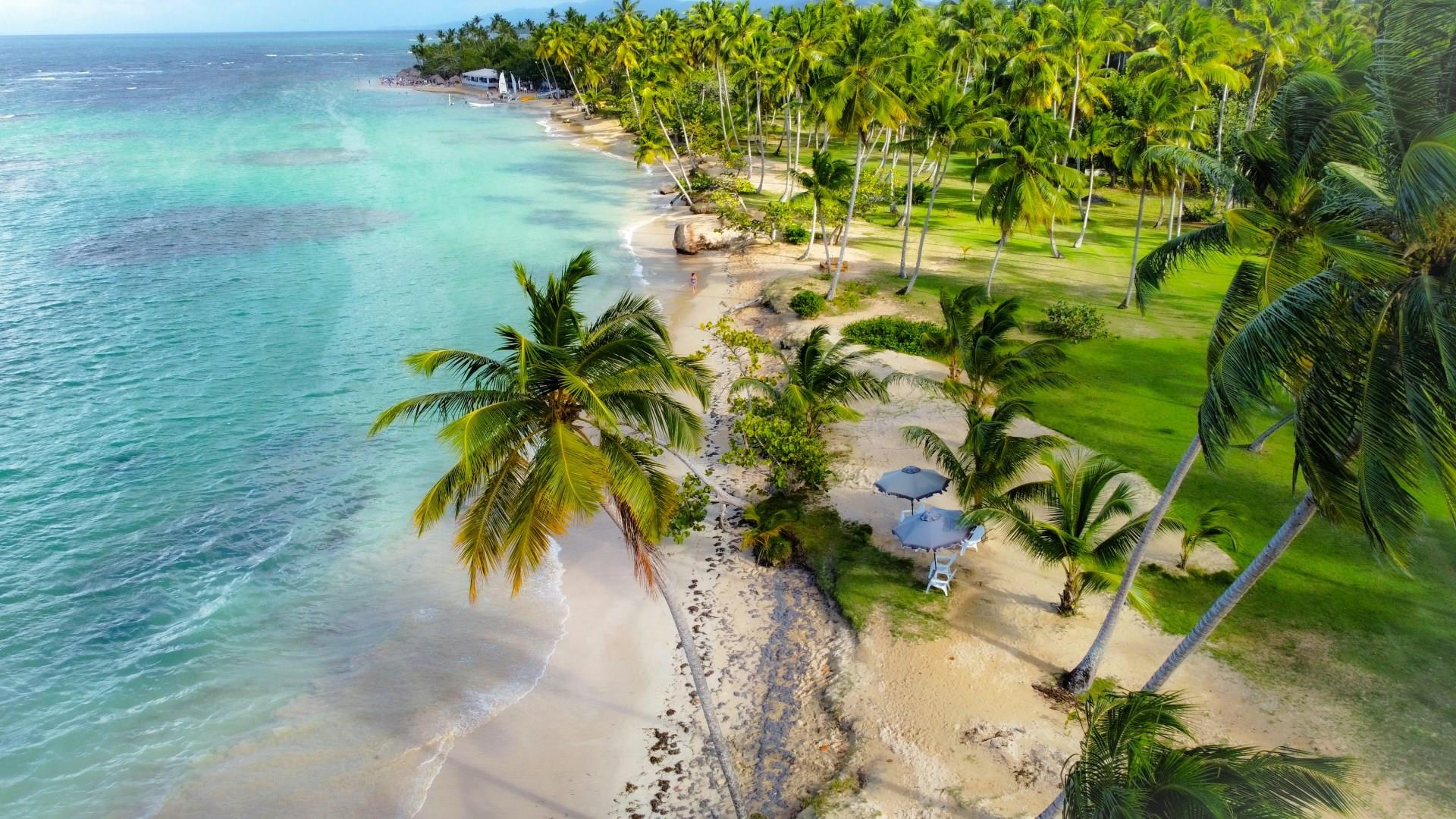
Samaná
Samana sits on a peninsula along the northeastern coast of the Dominican Republic, shaped by seafaring history and a strong Afro-Caribbean cultural presence.

Heraklion
The capital of Crete, Heraklion is a Greek port city and a popular stop on Mediterranean and Greek cruises. The city is an historical marvel, replete with archaeological wonders and remnants of the region's past. Highlights include the Heraklion Archaeological Museum, the Rocca a Mare Fortress, the Venetian Loggia, and just past the city limits, the Palace of Knossos.
Searching...
