

Bwindi Impenetrable National Park
Bwindi Impenetrable National Park, located in southwestern Uganda, is one of Africa’s most extraordinary natural treasures. Its dense rainforest, often draped in mist, shelters a wealth of biodiversity and has been recognized as a UNESCO World Heritage Site for both its ecological significance and natural beauty. This ancient forest is among the few places on earth where travelers can come face-to-face with mountain gorillas in their natural habitat.

Atacama Desert
The Atacama Desert in Chile, the driest non-polar desert on Earth, is a place of extraordinary beauty and otherworldly landscapes. Stretching over 600 miles along the Pacific coast, the Atacama's stark, lunar-like terrain is punctuated by salt flats, active geysers, and rugged canyons. One of the most striking sights is the Valle de la Luna, or Valley of the Moon, where wind-sculpted sand dunes and jagged rock formations create a surreal environment that appears as if it's straight from another
Lafayette
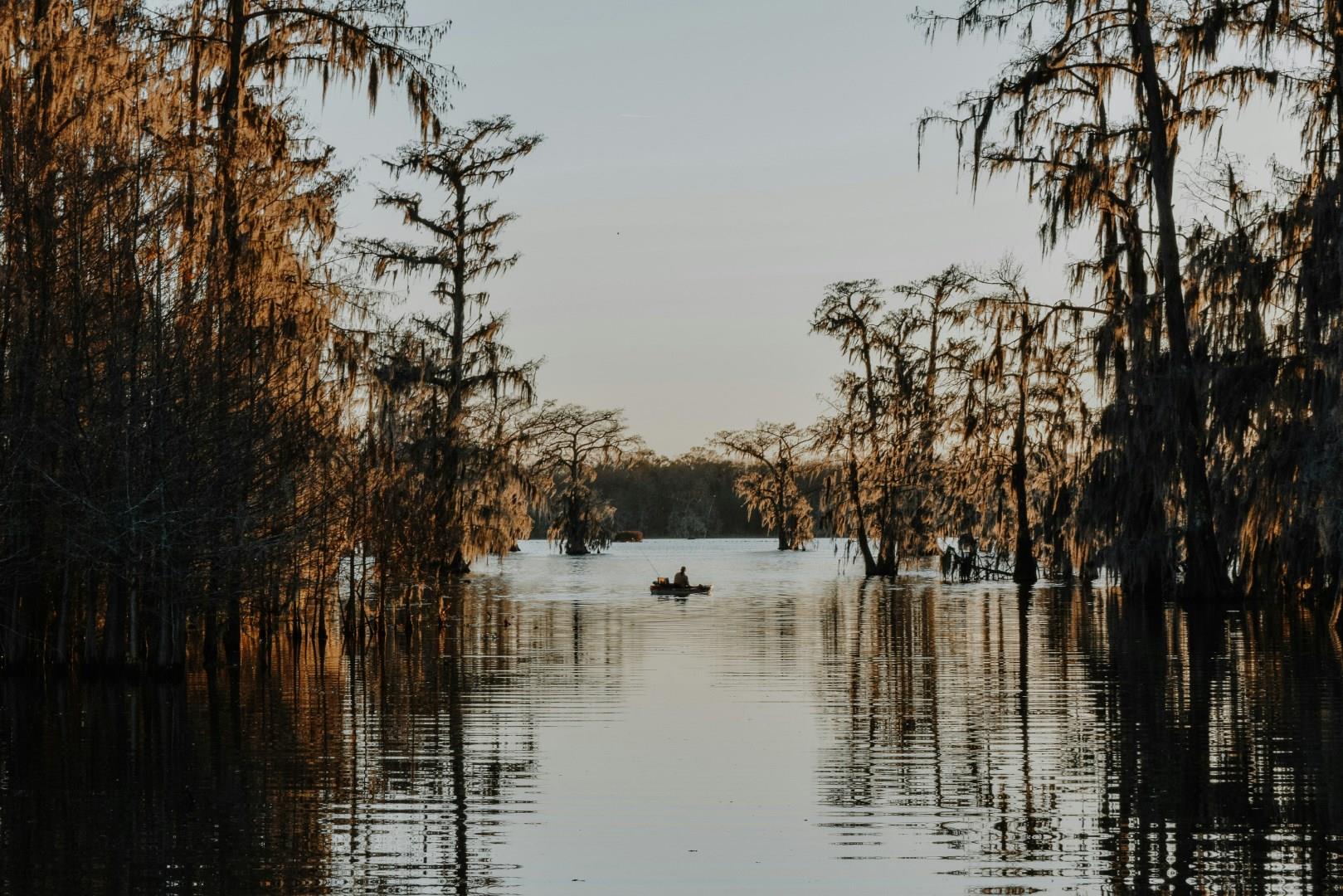
Lafayette is often called the heart of Cajun country for good reason. This vibrant city blends French-speaking roots with bold music, rich storytelling, and a culture that doesn’t just celebrate life but dances through it. Originally settled by Acadians expelled from Canada in the 1700s, Lafayette has grown into a lively hub where traditions are preserved and passed down through generations.
Ecuador
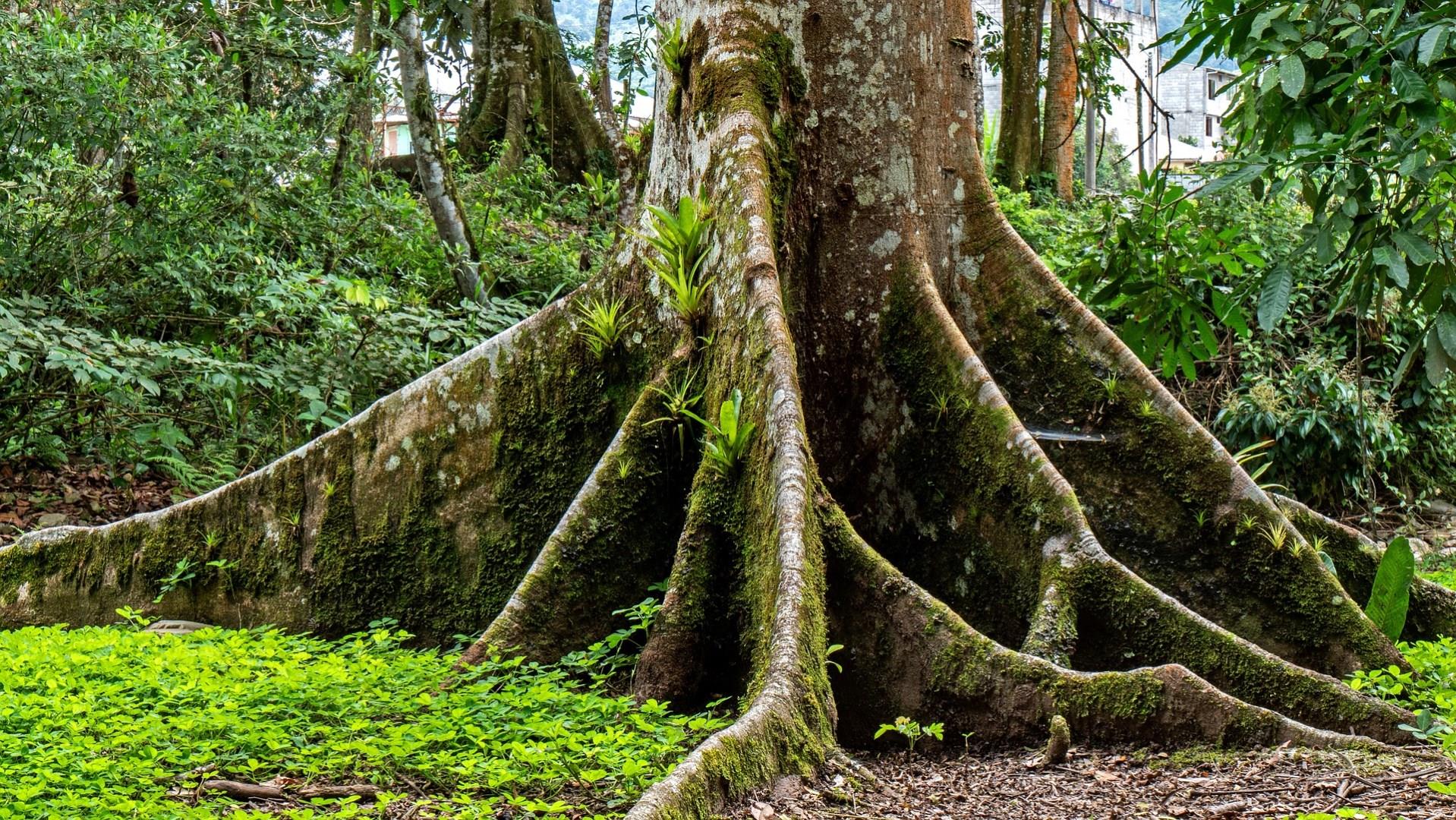
In the heart of South America, Ecuador offers a compact yet astonishingly diverse experience for travelers. From the cobbled streets of Quito’s historic center to the vibrant Afro-Ecuadorian rhythms of Esmeraldas, the country pulses with stories waiting to be discovered. Just a short drive away, visitors can stand on the equator line at the “Mitad del Mundo” and participate in engaging experiments that demonstrate the planet’s gravitational quirks.
Cheju
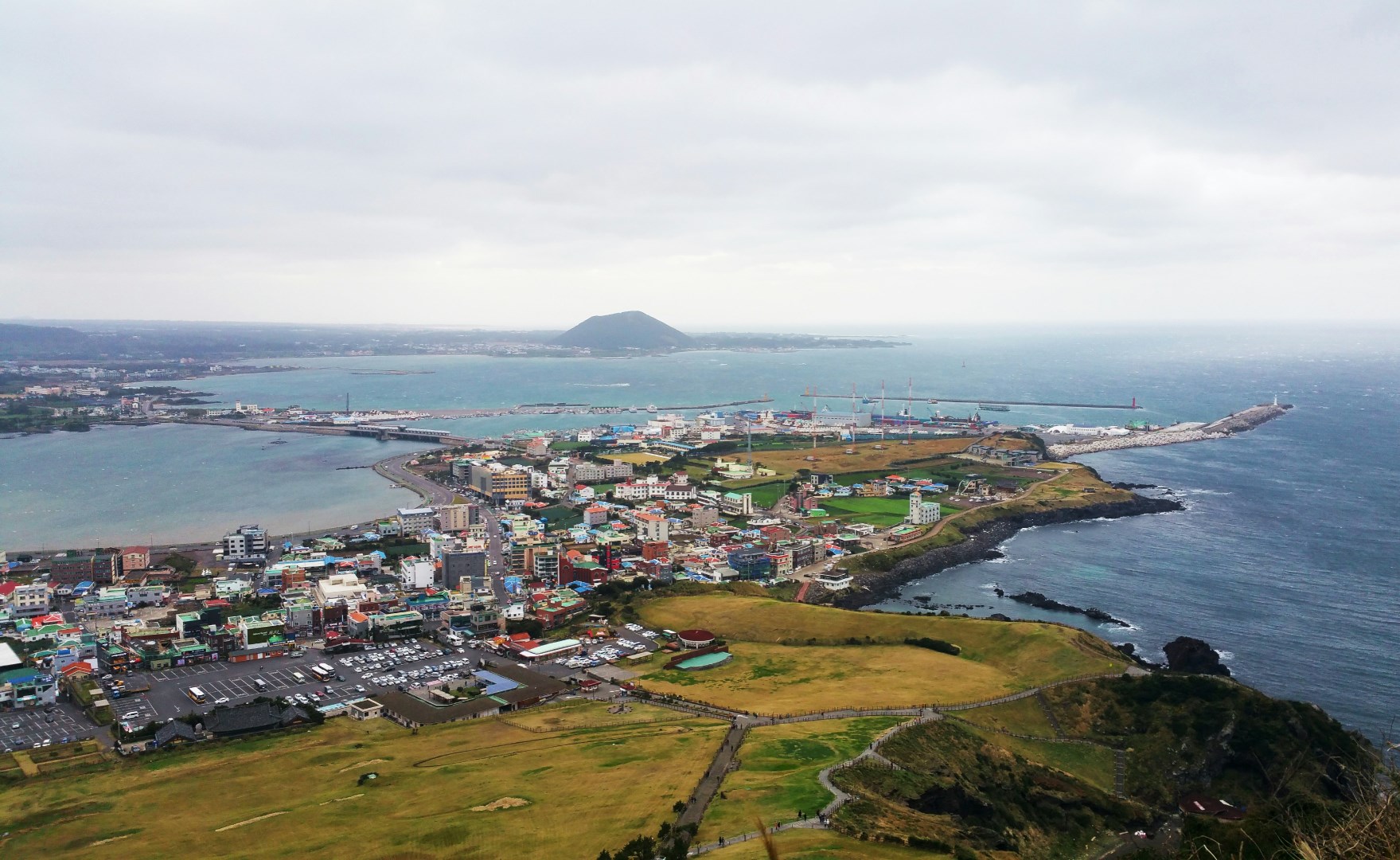
Jeju, often written as Cheju in older English sources, is South Korea’s largest island and lies in the Korea Strait south of the Korean Peninsula. The island is known for its volcanic landscapes, coastal cliffs, lava tubes, and the prominent peak of Hallasan, which rises at its center.

Arequipa
Arequipa, known as the "White City," is built from sillar, a pale volcanic stone that glows in the sunlight. This architectural detail gives the historic center its striking appearance and has earned it recognition as a UNESCO World Heritage Site. Towering above the city is the perfectly symmetrical Misti Volcano, which, along with two neighboring peaks, forms a dramatic backdrop.
Searching...
