
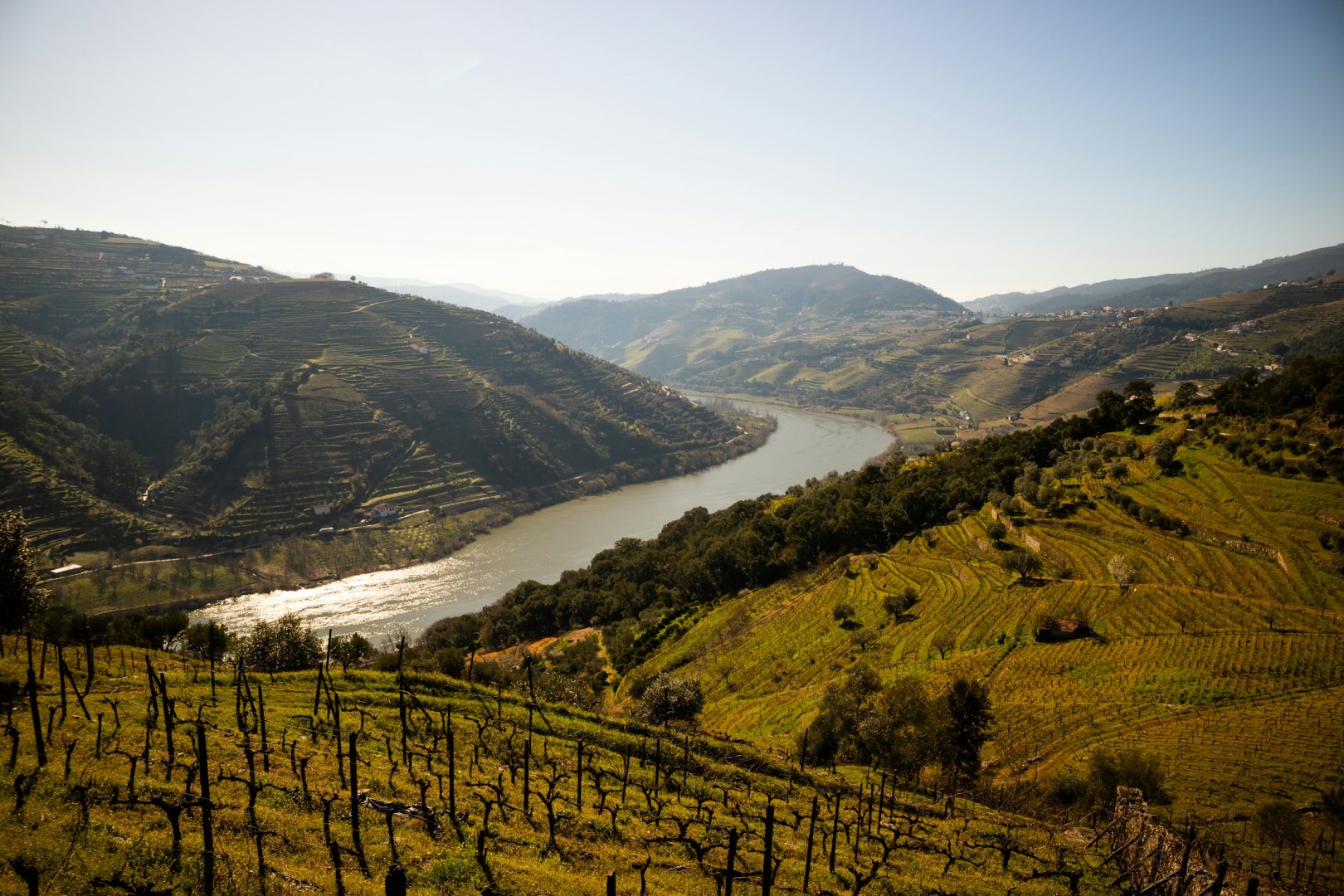
Douro River
One of the major rivers of the Iberian Peninsula, the Douro in north-central Spain and Portugal just might be the world's most beautiful wine region. Most of the river on the Spanish side isn't navigable, so river cruises generally travel roundtrip from Porto, on the coast of the Atlantic.
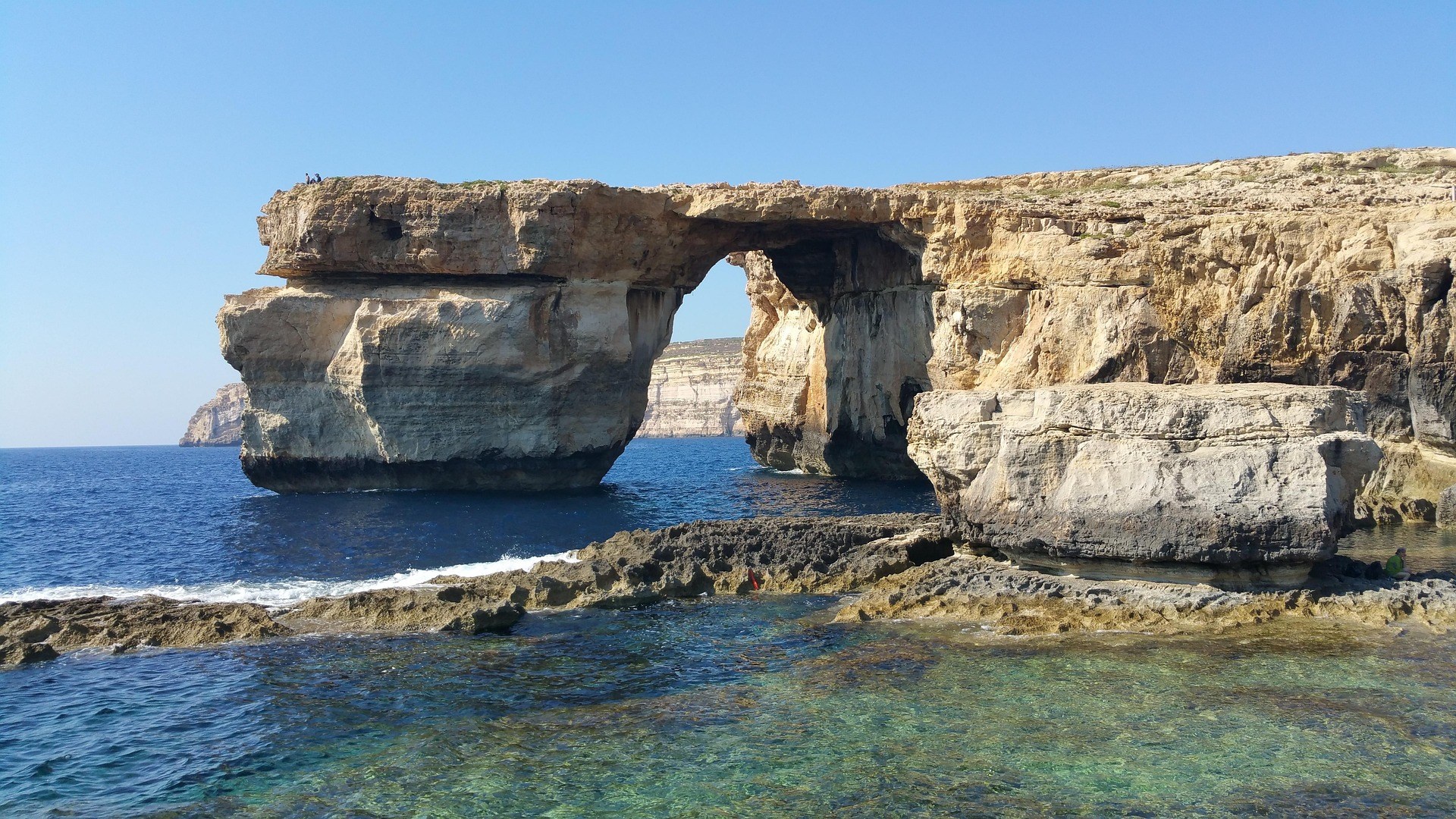
Gozo Island
Gozo, the smaller sister island of Malta, offers a tranquil contrast to the busier main island, blending rich history, rugged landscapes, and a slower pace of life. Known for its rolling hills, picturesque villages, and dramatic coastline, Gozo has preserved much of its rural charm, allowing visitors to step back into centuries of Mediterranean culture and tradition.
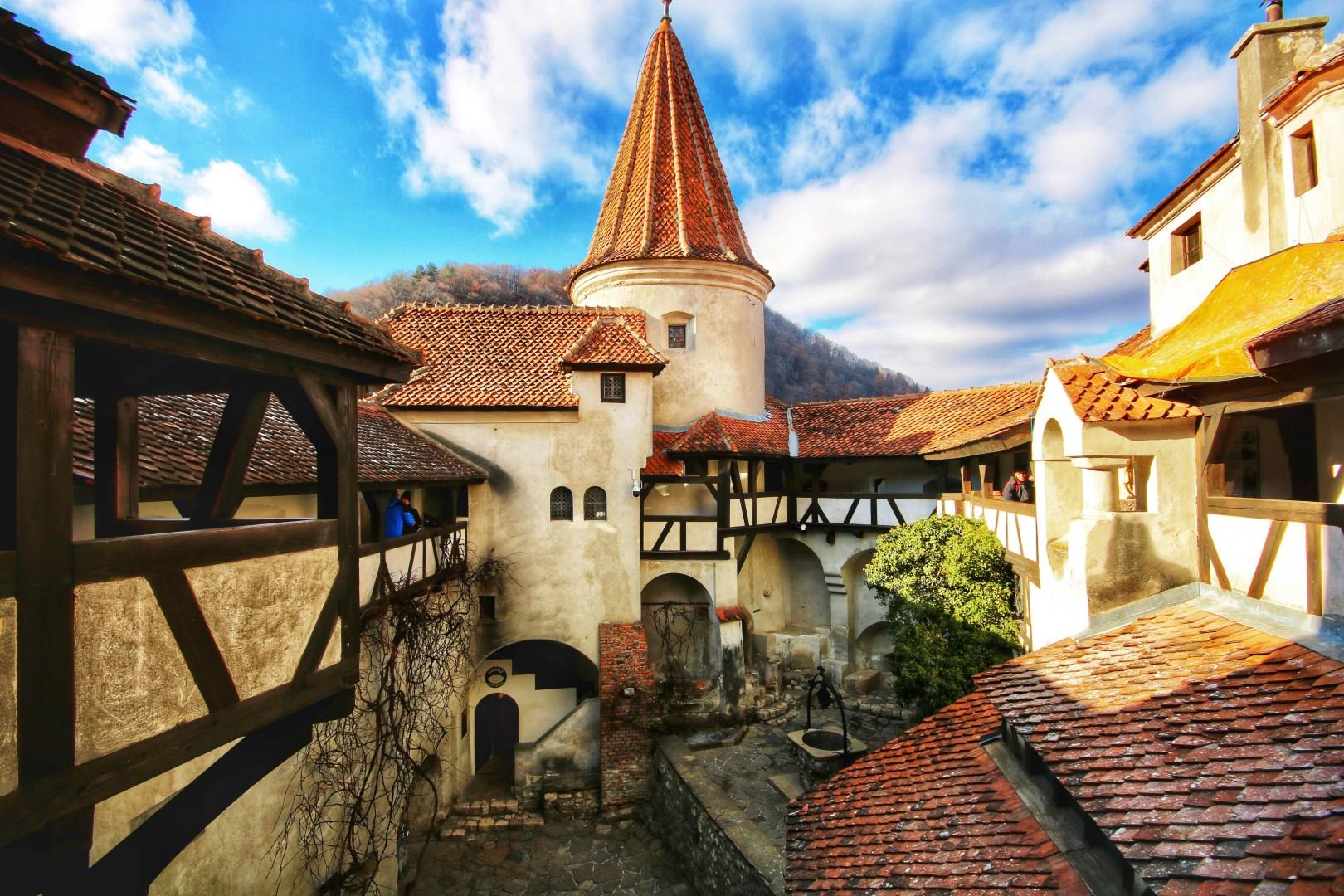
Bran
Bran, a small village nestled in the Carpathian Mountains of central Romania, is best known for its medieval fortress commonly referred to as “Dracula’s Castle.” While the connection to Bram Stoker’s fictional character is loose at best, Bran Castle continues to draw travelers with its striking towers, stone walls, and position on a rocky cliff. Originally built in the 14th century to defend against invading forces, the castle has passed through royal hands, most notably Queen Marie of Romania.
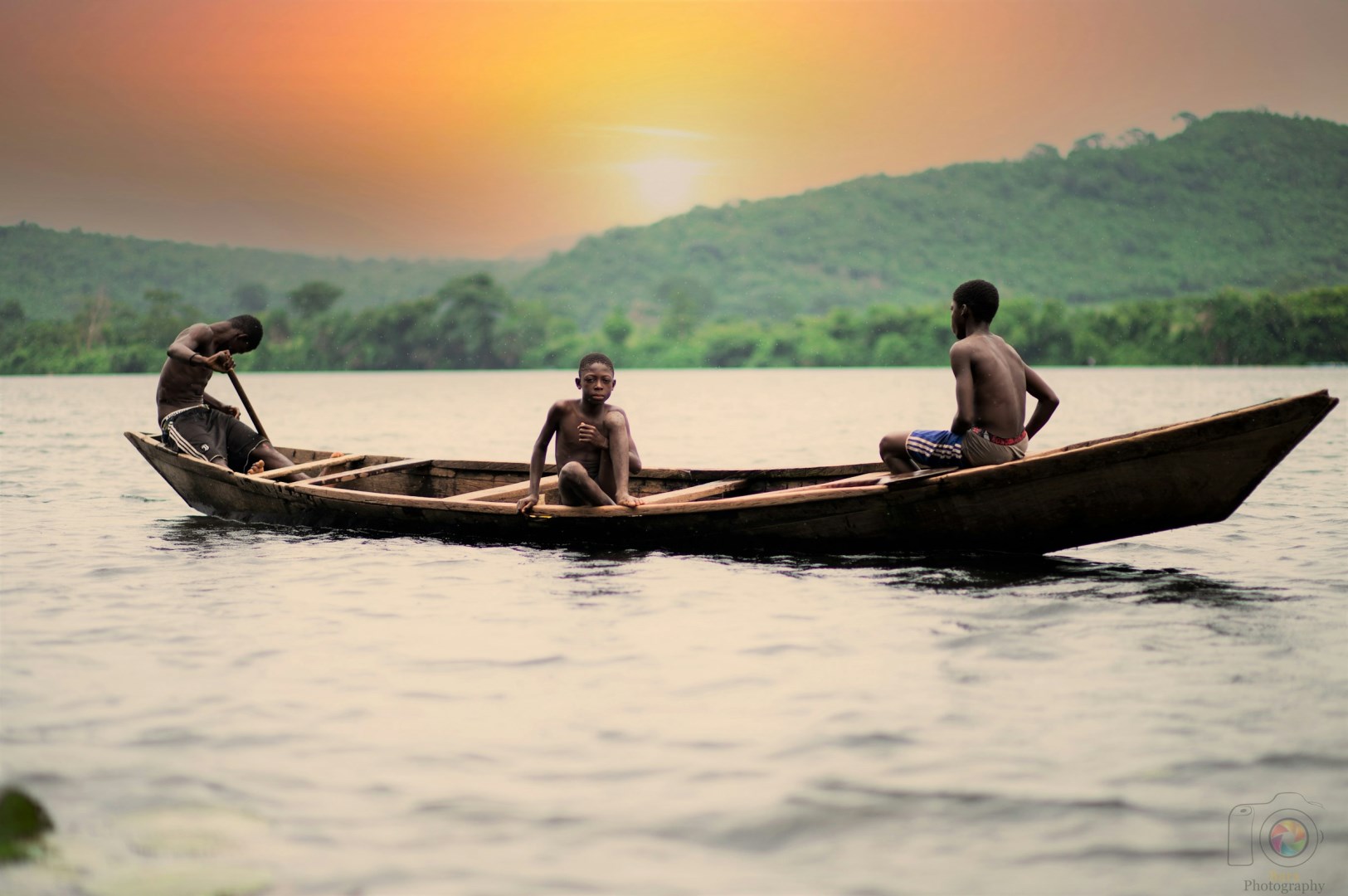
Akosombo
Akosombo is a town in southeastern Ghana, situated along the Volta River near the southern end of Lake Volta. The surrounding landscape combines forested hills, rocky outcrops, river valleys, and the broad waters of the reservoir created by the Akosombo Dam. The town developed closely around the hydroelectric project and remains an important center for electricity generation and industry.
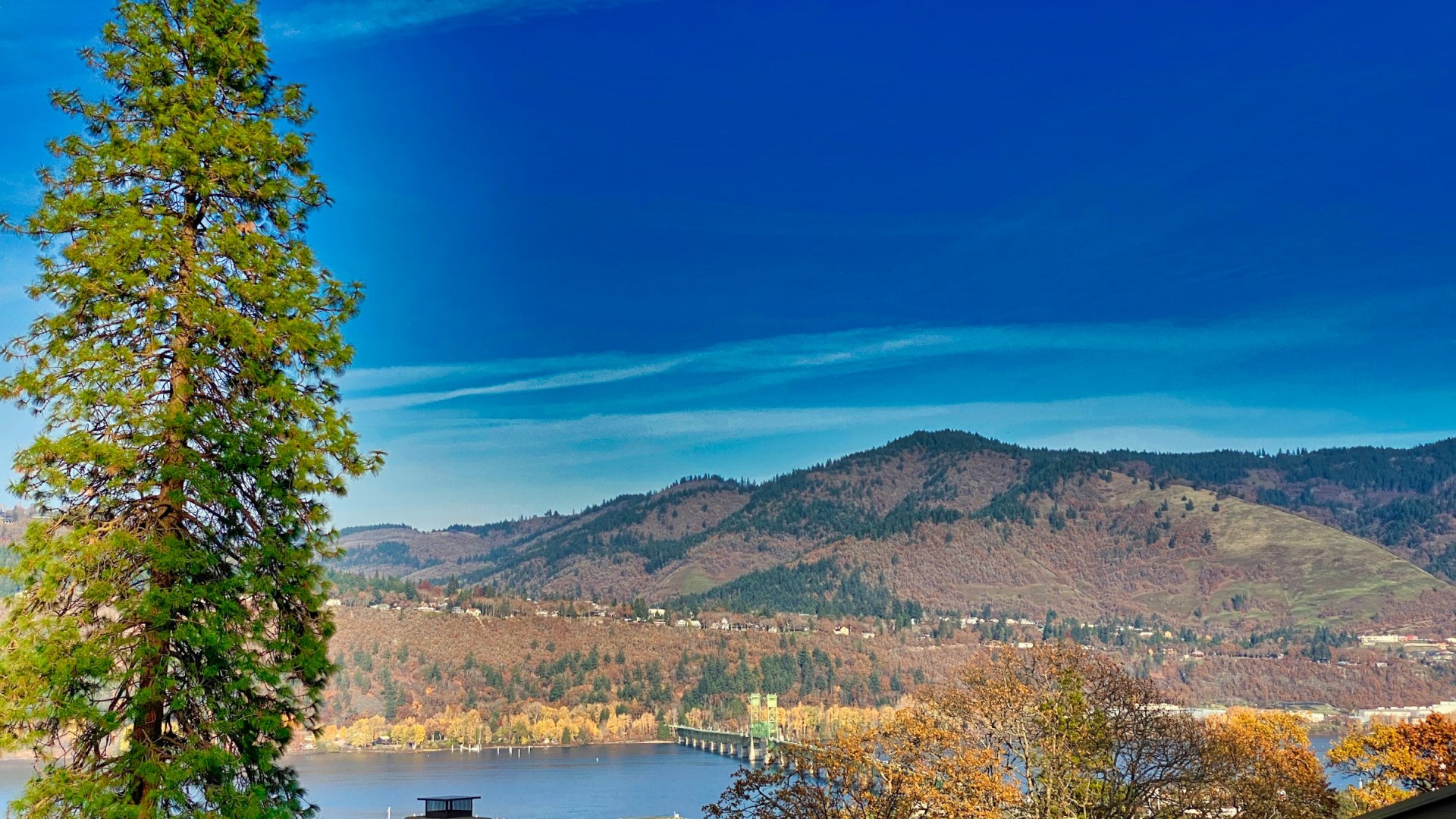
Hood River
Hood River, Oregon, is a vibrant city nestled on the banks of the Columbia River and surrounded by the majestic peaks of the Cascade Range. Known for its stunning natural beauty and outdoor adventure opportunities, Hood River is a paradise for those who love windsurfing, kiteboarding, and mountain biking. The city's location on the Columbia River Gorge provides exceptional conditions for these water sports, making it a premier destination for thrill-seekers.
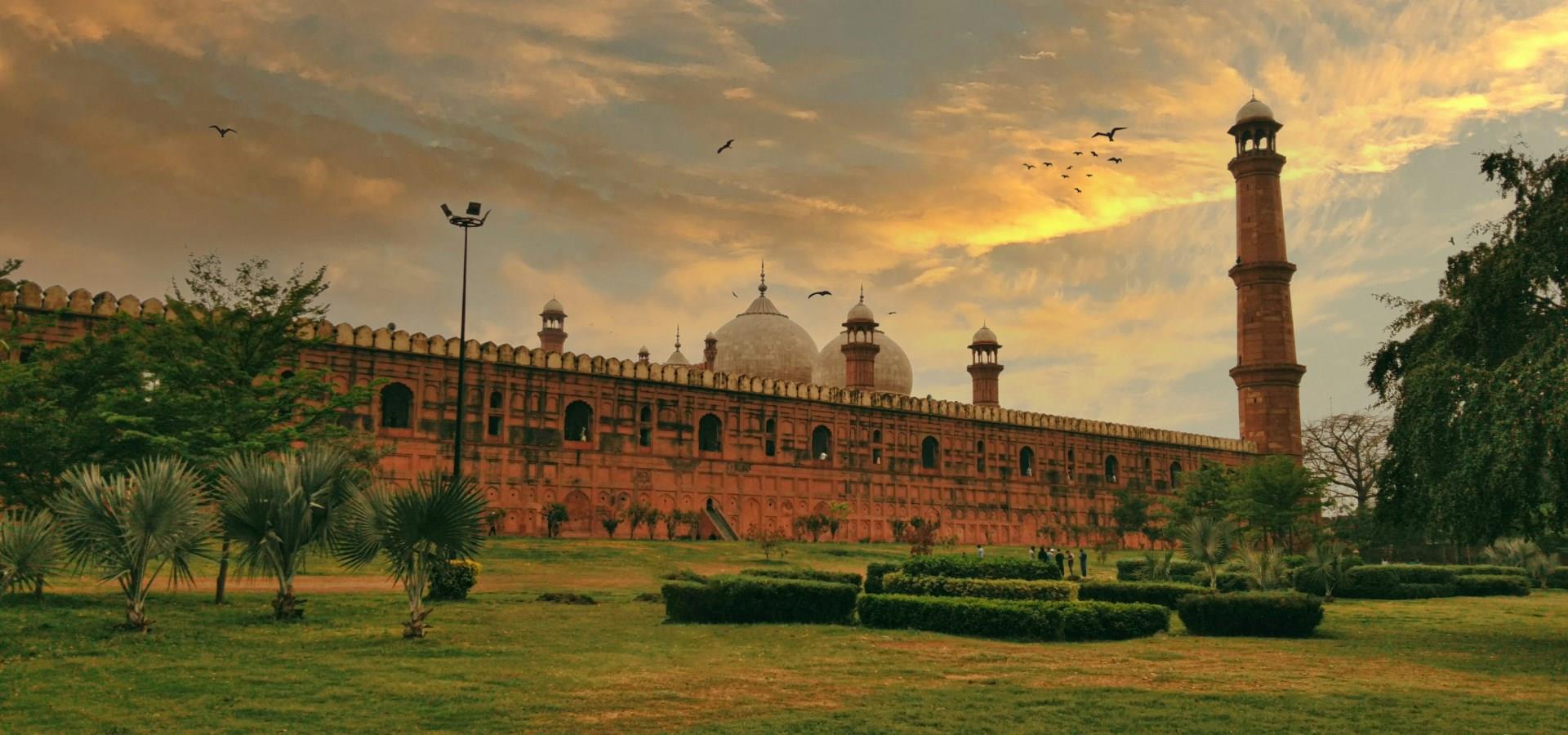
Lahore
Lahore, the cultural heart of Pakistan, is a city where history, art, and culinary traditions come alive. Known for its vibrant streets and historic architecture, Lahore showcases iconic landmarks such as the Badshahi Mosque, Lahore Fort, and Shalimar Gardens, which reflect the grandeur of the Mughal era.
Searching...
