
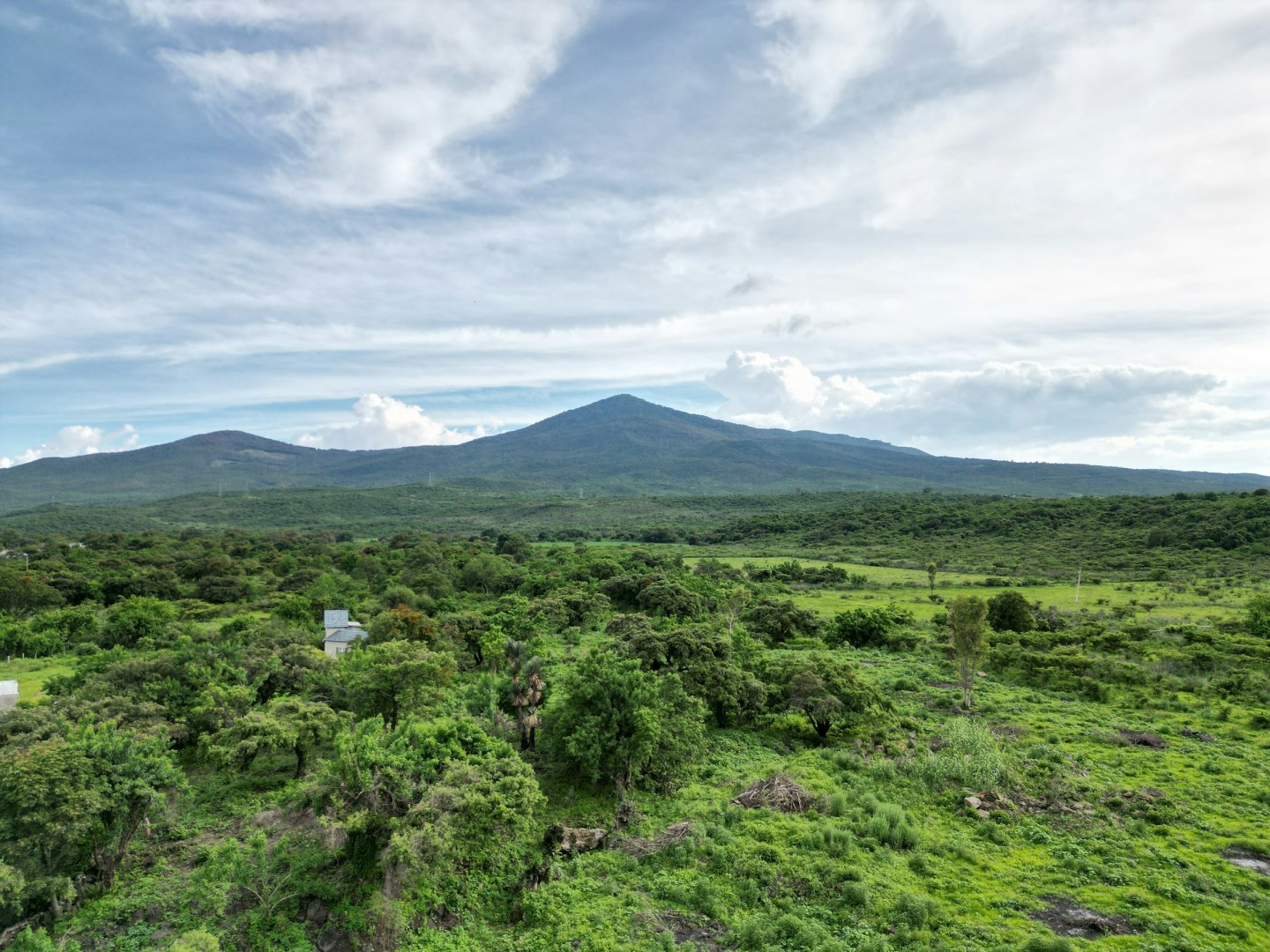
Michoacán de Ocampo
Western Mexico state on the Pacific coast that is a major producer of avocados. Morelia serves as its capital city.
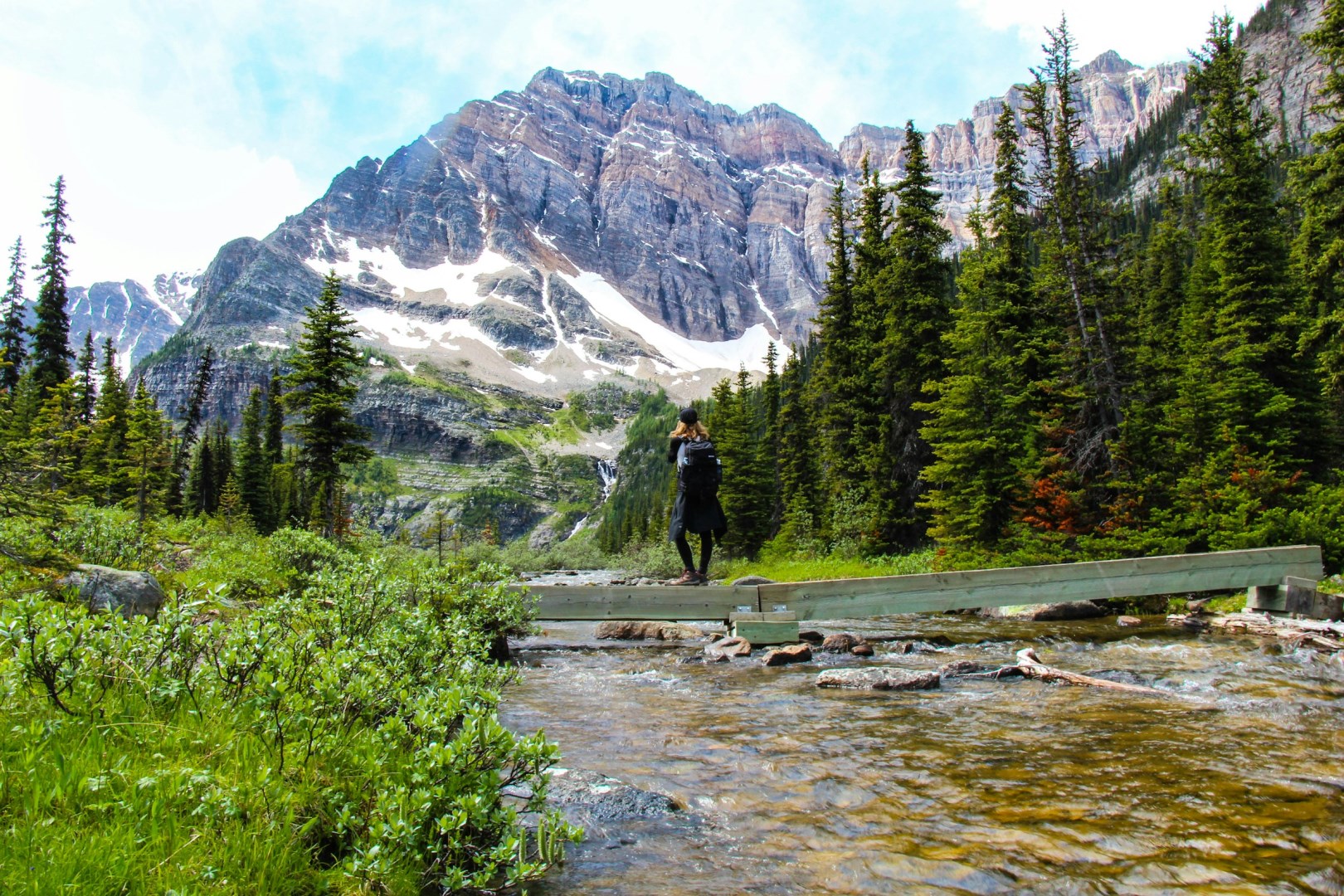
Kootenay National Park
Kootenay National Park occupies 1,406 square kilometres of the Canadian Rockies in southeastern British Columbia, extending from the Continental Divide toward the Columbia Valley. The park is known for its contrasts, with glaciers and alpine terrain giving way to dry grasslands, narrow canyons, and forested valleys. Highway 93 South crosses the park, providing access to many of its landscapes and viewpoints.

Samoa
Samoa, a stunning island nation in the South Pacific, invites travelers with its rich cultural traditions and breathtaking landscapes—stunning rainforests, towering waterfalls, and dramatic coastlines that seem to stretch endlessly into the horizon. Made up of two main islands, Upolu and Savaii, along with seven smaller islands, Western Samoa is a vibrant hub of Polynesian culture.
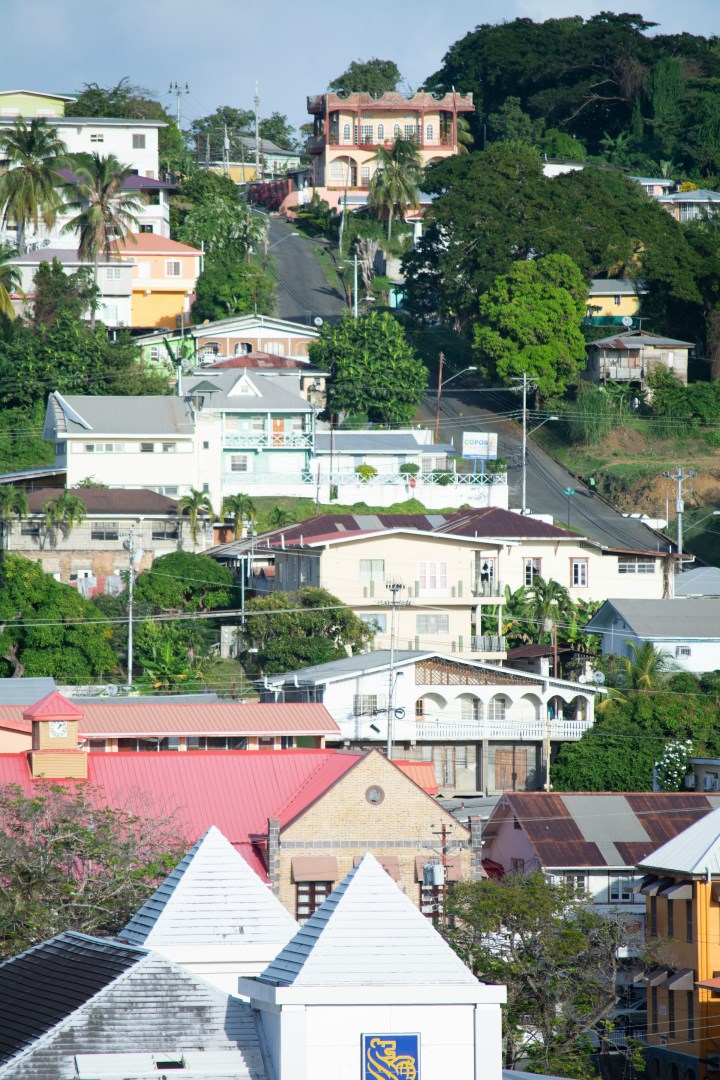
Scarborough
Blanketed from end to end in luxuriant greenery and brightly colored flowers, this enchanted island is scalloped with beautiful beaches. There are sandy coves beside coral reefs, and alabaster cresents below tiny trails, leading to pretty waterfalls or plantation ruins. Best of all is the Main Ridge Rain Forest Trail, where jungle-thick ferns and giant bamboo grasses flourish under a canopy of foliage 60-feet high.
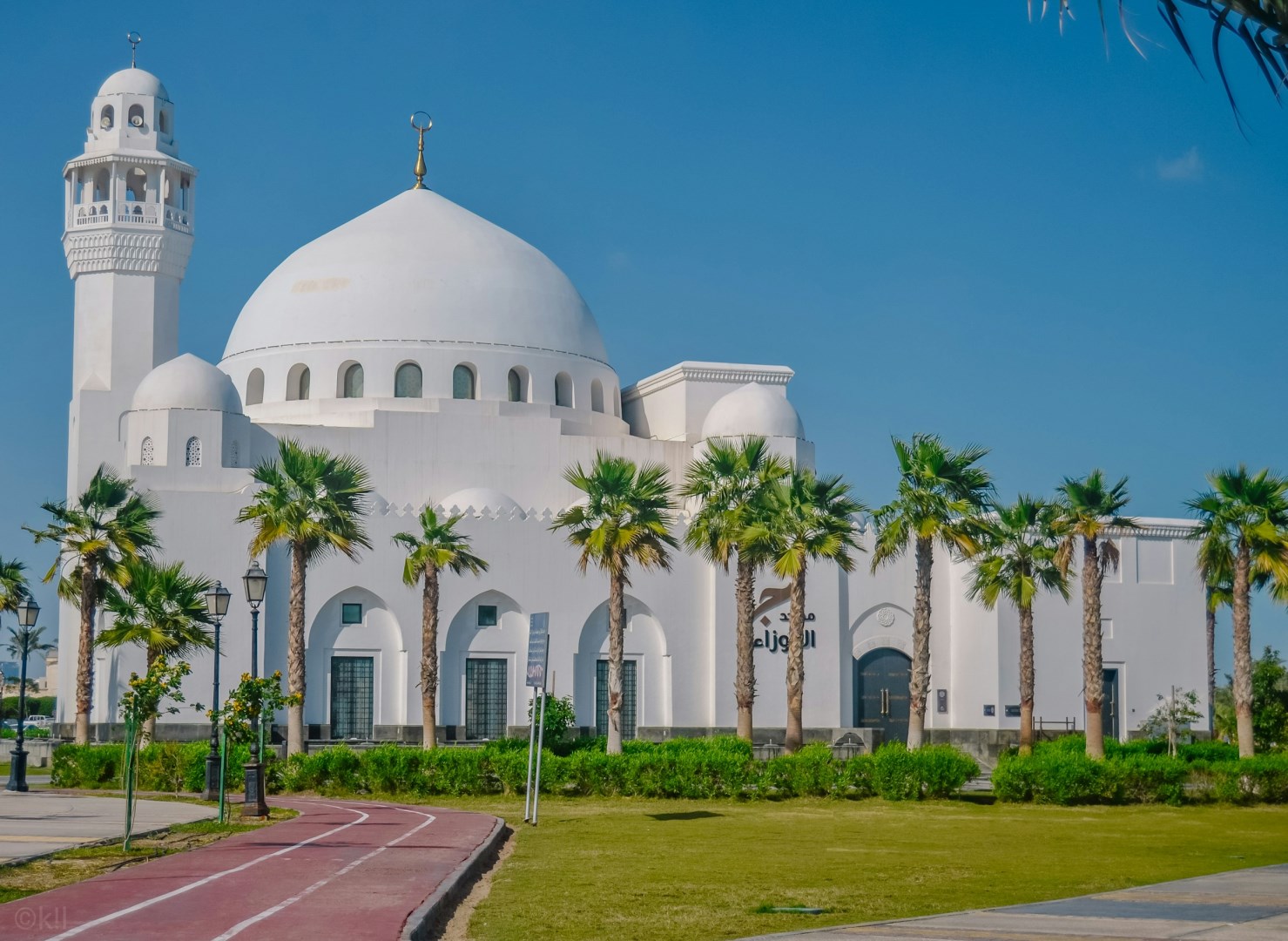
Dammam
Dammam, the capital of Saudi Arabia’s Eastern Province, stands as a vibrant coastal city overlooking the tranquil waters of the Arabian Gulf. Once a modest fishing village, it has transformed into a major commercial and industrial hub, central to the Kingdom’s oil industry and maritime trade.
Hatton
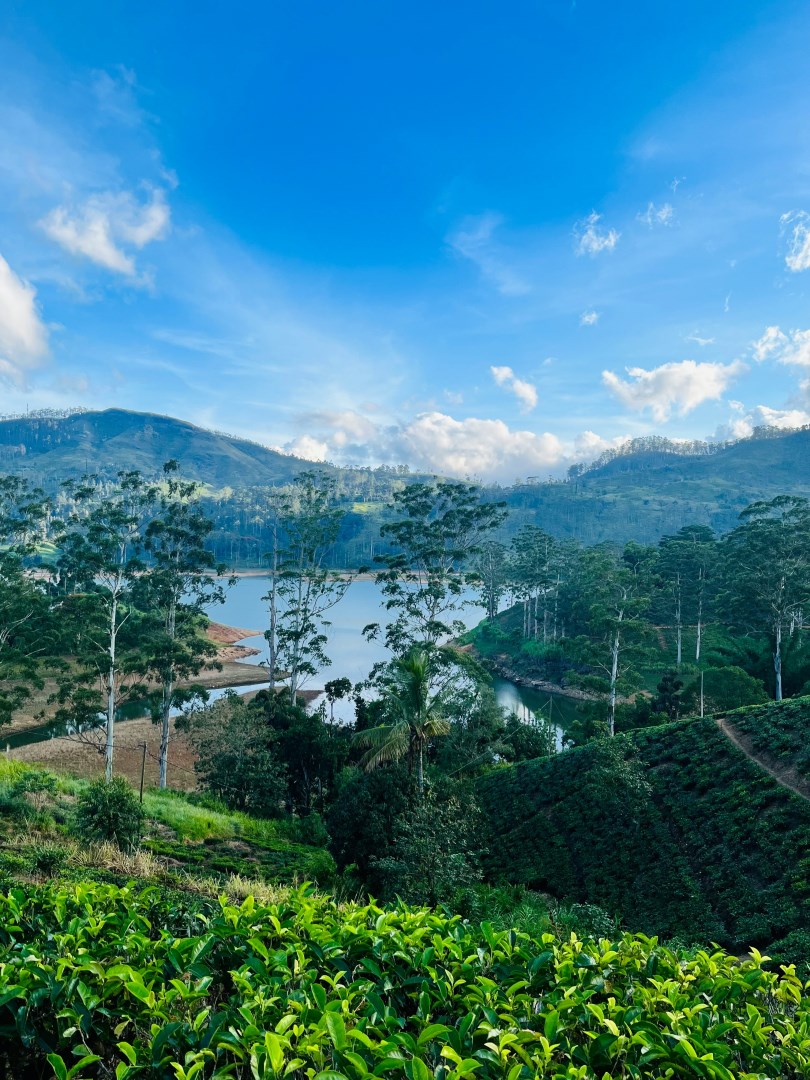
Hatton is a hill-country town in central Sri Lanka, located within the tea-growing highlands of Nuwara Eliya District. Surrounded by steep green slopes, waterfalls, and mist-covered plantations, the town serves as an important center for Sri Lanka’s tea industry.
Searching...
