
Desroches
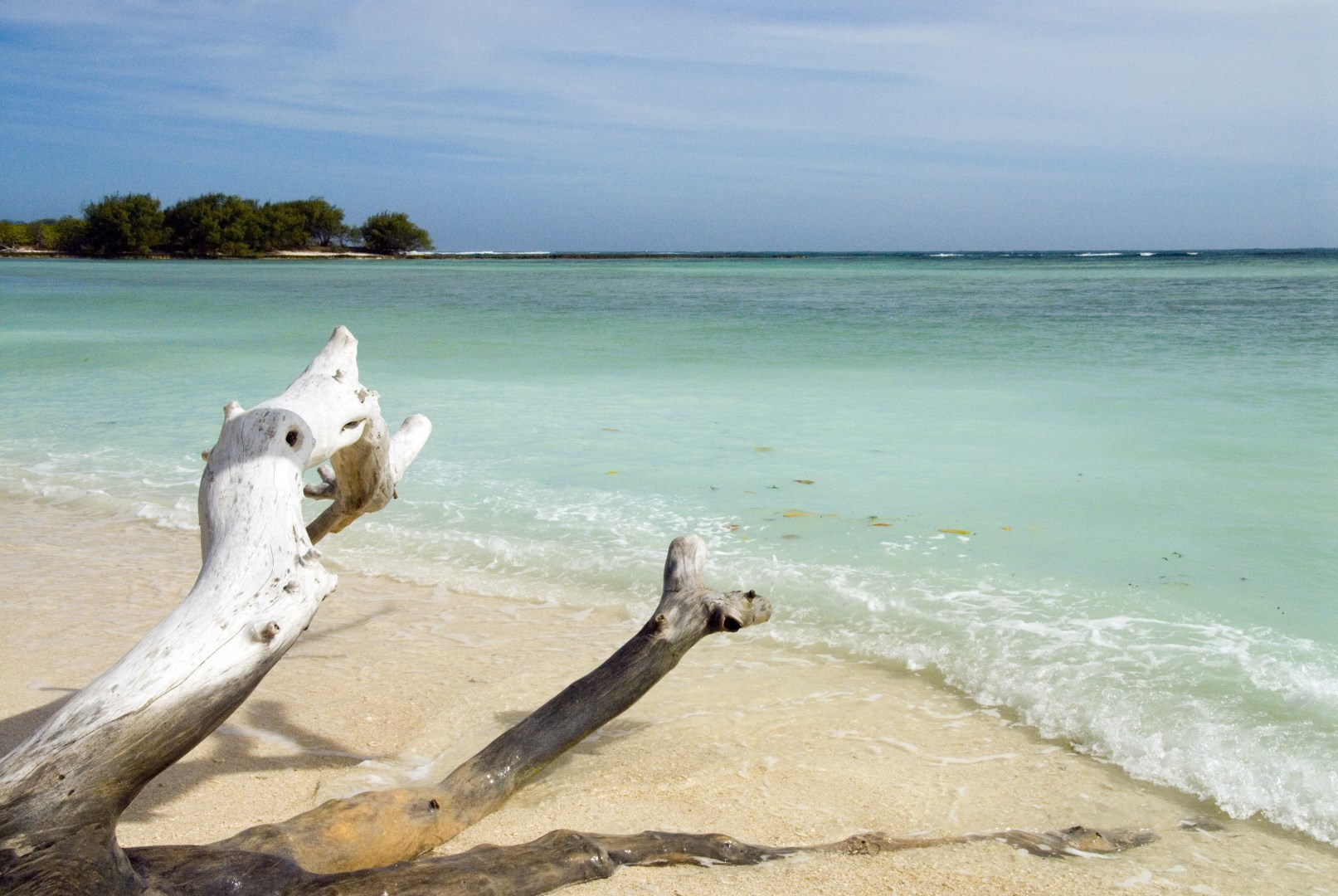
Desroches Island, a serene oasis in the Seychelles, offers an unparalleled escape into tropical luxury. Located 230 kilometers southwest of Mahé, this private island is famed for its pristine beaches, lush coconut palms, and crystal-clear waters. Desroches is the largest island in the Amirantes group and is celebrated for its untouched beauty and exclusive ambiance.
North Seymour
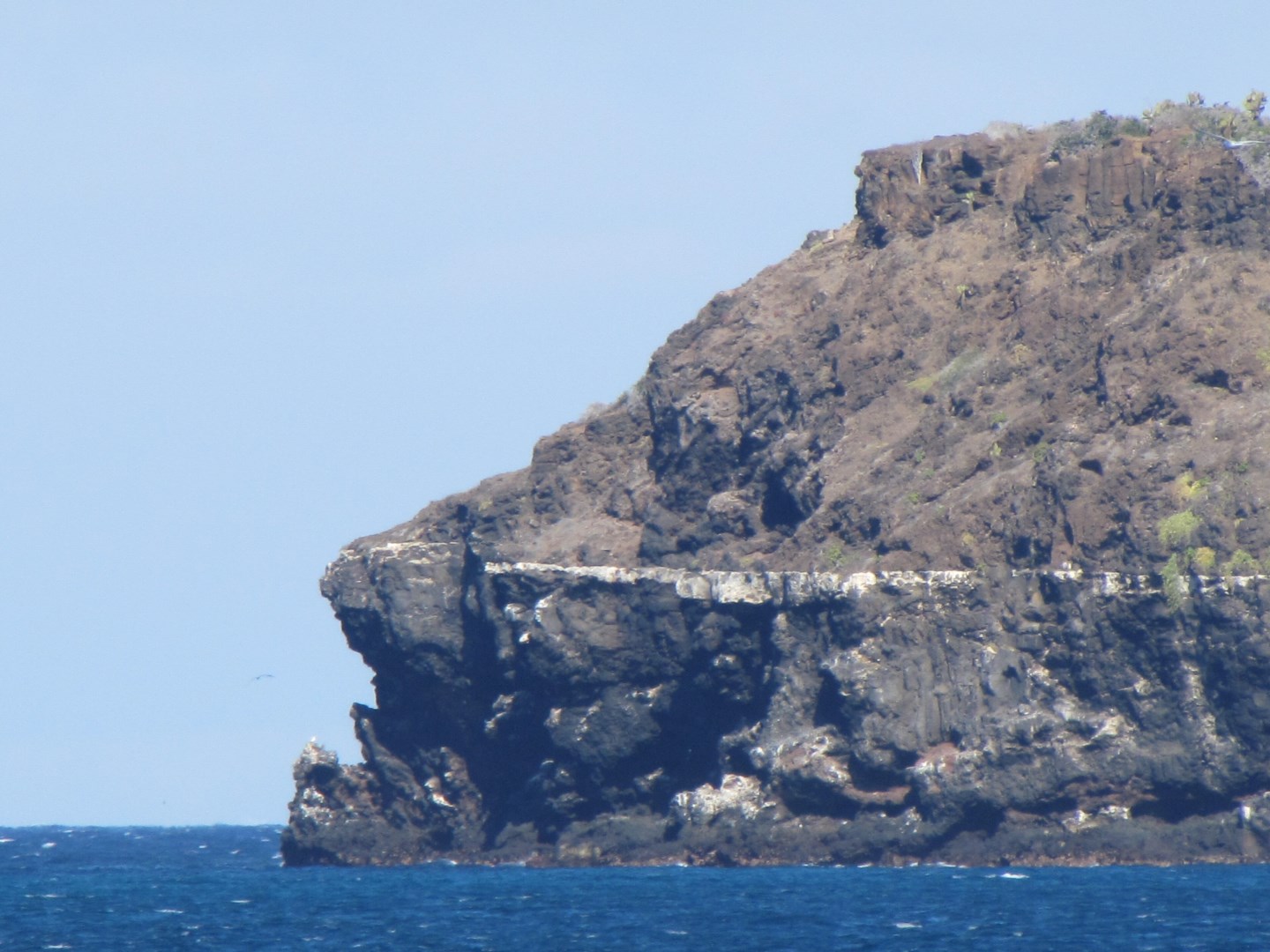
North Seymour Island, located just north of Baltra in Ecuador’s Galápagos archipelago, is a compact but biologically rich destination known for its wildlife encounters. Though small in size, this flat, arid island punches far above its weight when it comes to natural spectacle, offering a rare chance to observe iconic species in a remarkably close setting.

Salisbury
Salisbury, nestled in the heart of Wiltshire, England, is a city rich with history and charm. Dominated by the stunning Salisbury Cathedral, this medieval masterpiece boasts the tallest spire in the UK, reaching 123 meters (404 feet). The Cathedral houses one of the original copies of the Magna Carta, an essential document in English history. Visitors can explore the intricate Gothic architecture, serene cloisters, and the captivating Chapter House where the Magna Carta is displayed.
Fatehpur Sikri
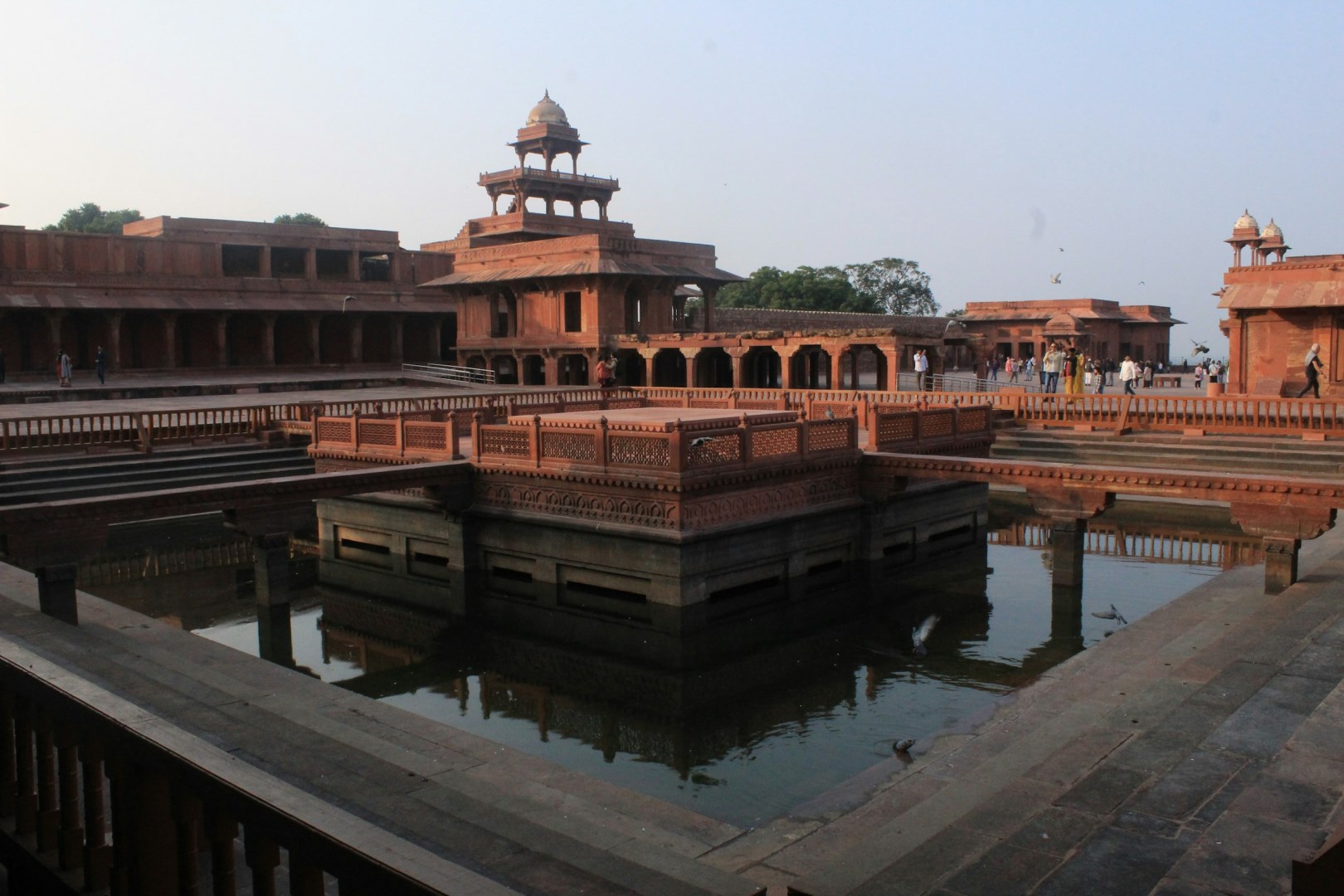
Fatehpur Sikri is a historic city in Uttar Pradesh, located near Agra and known for its grand red sandstone architecture and carefully planned urban layout. Built around a ridge, the former imperial city contains palaces, courtyards, audience halls, religious buildings, and gateways arranged within a fortified complex. Its architecture combines Islamic, Hindu, Jain, and regional design elements, reflecting the cultural setting of the Mughal court.
Lusaka
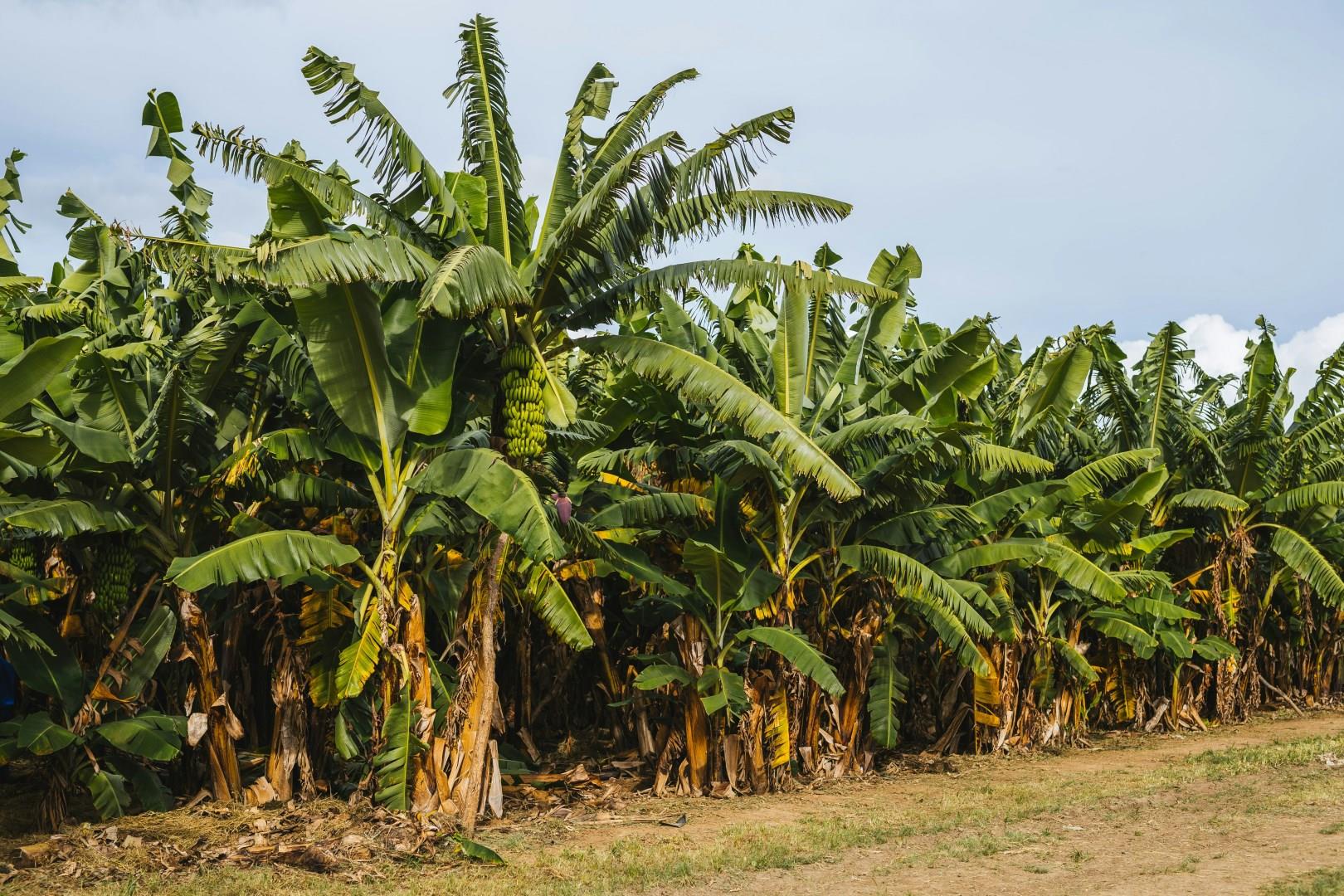
Lusaka, the capital of Zambia, is a city that blends modern energy with authentic African culture. As the country’s largest urban center, it serves as the gateway for travelers exploring Zambia’s natural wonders while also offering its own dynamic experiences.

Menton
Menton, known as the "Pearl of France," is a sun-soaked gem nestled along the French Riviera, bordering Italy. With its charming pastel-colored facades cascading down the hillside and its deep blue Mediterranean backdrop, Menton exudes an irresistible allure. The city's unique microclimate, warmer than the surrounding area, has earned it a reputation as a haven for lush gardens.
Searching...
