

Bioko
Bioko is a volcanic island in the Gulf of Guinea and forms the main part of Equatorial Guinea’s insular region.
Florence
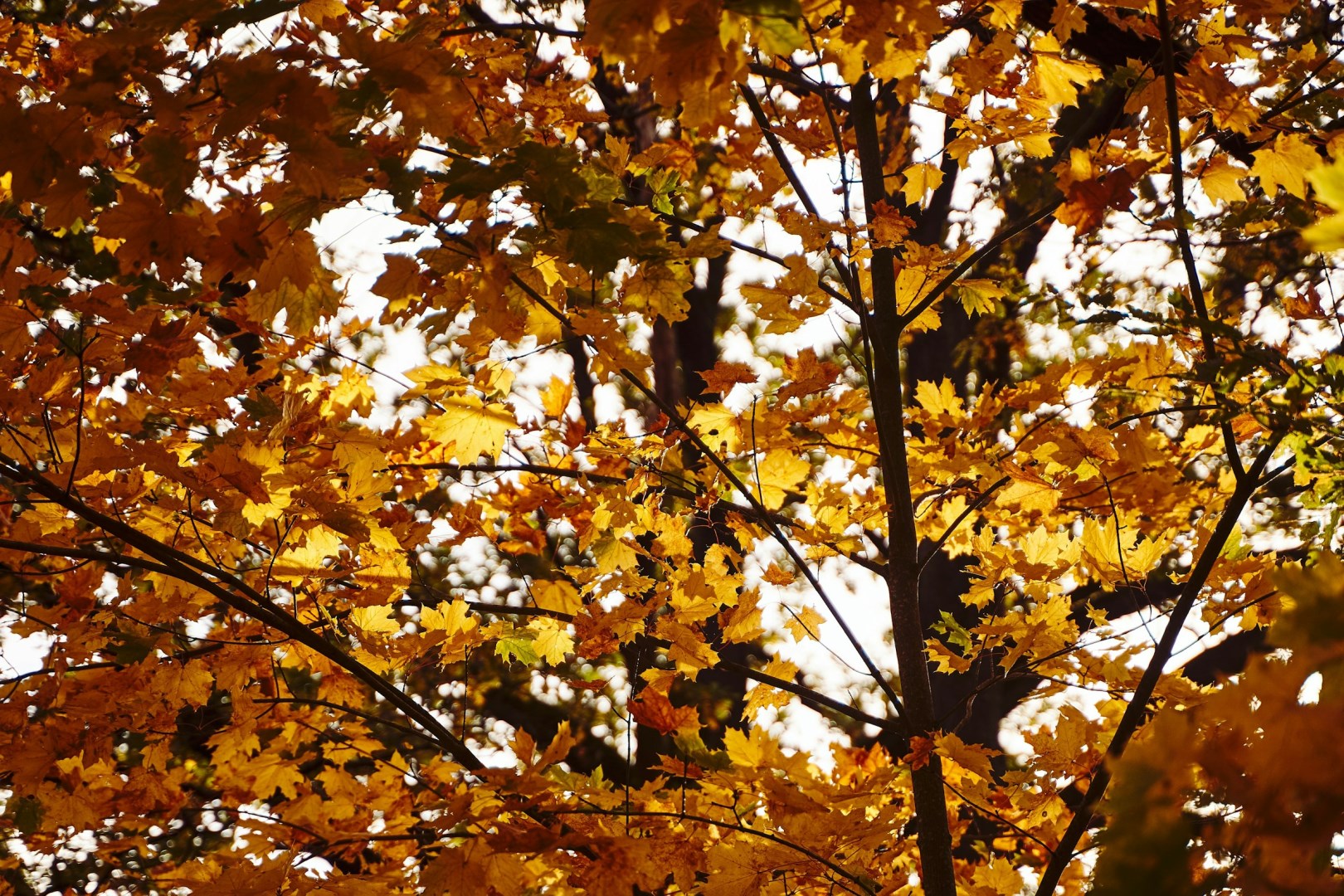
Florence is a city in northeastern South Carolina and a regional center for the Pee Dee area, positioned between the coastal plain and the inland agricultural districts. Its landscape is generally flat to gently rolling, with pine forests, wetlands, and farmland surrounding the urban area. Florence developed as a transportation center, and rail lines remain an important part of its identity and geography.
Dubuque
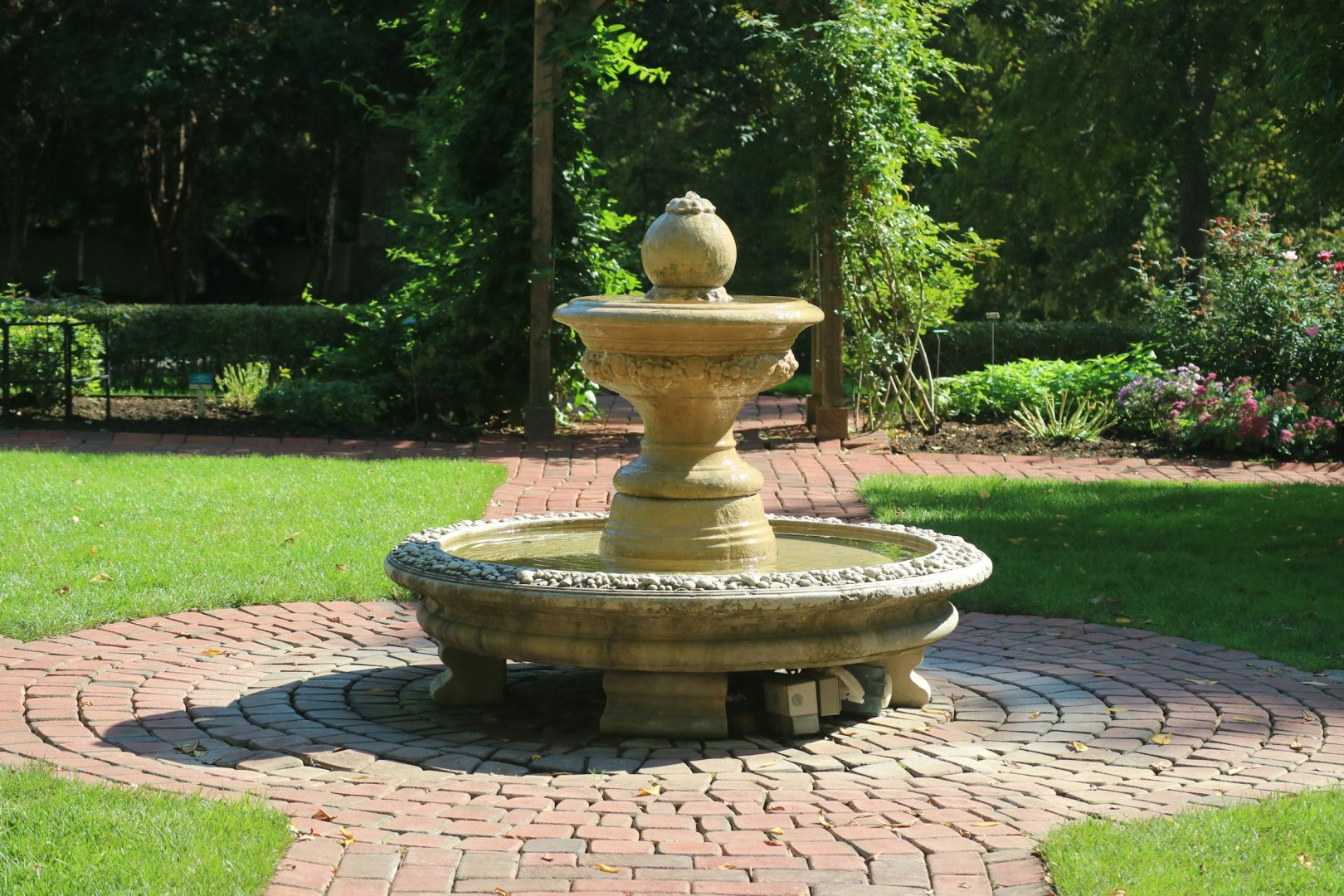
Dubuque sits along the Mississippi River in northeastern Iowa, where steep limestone bluffs rise above a broad river corridor. The city is Iowa’s oldest incorporated community and developed around river commerce, lead mining, manufacturing, and trade. Its historic downtown contains preserved brick buildings, churches, shops, restaurants, and the distinctive Town Clock, while the Port of Dubuque provides a more modern riverfront district.

Istanbul
Istanbul is a city built on layers of empire. Spanning two continents, it was once the capital of three major empires: Roman, Byzantine, and Ottoman. Visitors walking through the Sultanahmet district can witness this timeline firsthand, from the Roman-era Hippodrome to the Byzantine mosaics of Hagia Sophia, and the towering minarets of the Blue Mosque. At nearby Topkapi Palace, rooms still display the jeweled swords, ceremonial robes, and handwritten Qurans once used by Ottoman sultans.
Hartbeestfontein
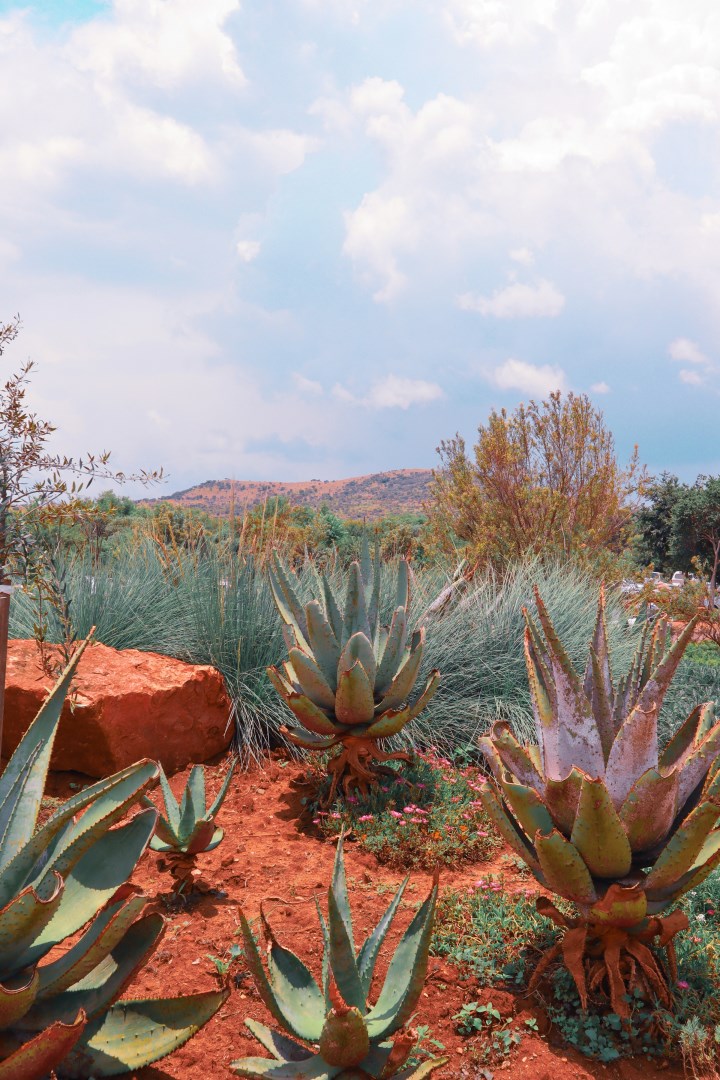
Hartbeestfontein is a small town in South Africa’s North West province, situated near Klerksdorp in the Matlosana Local Municipality.
Lecce
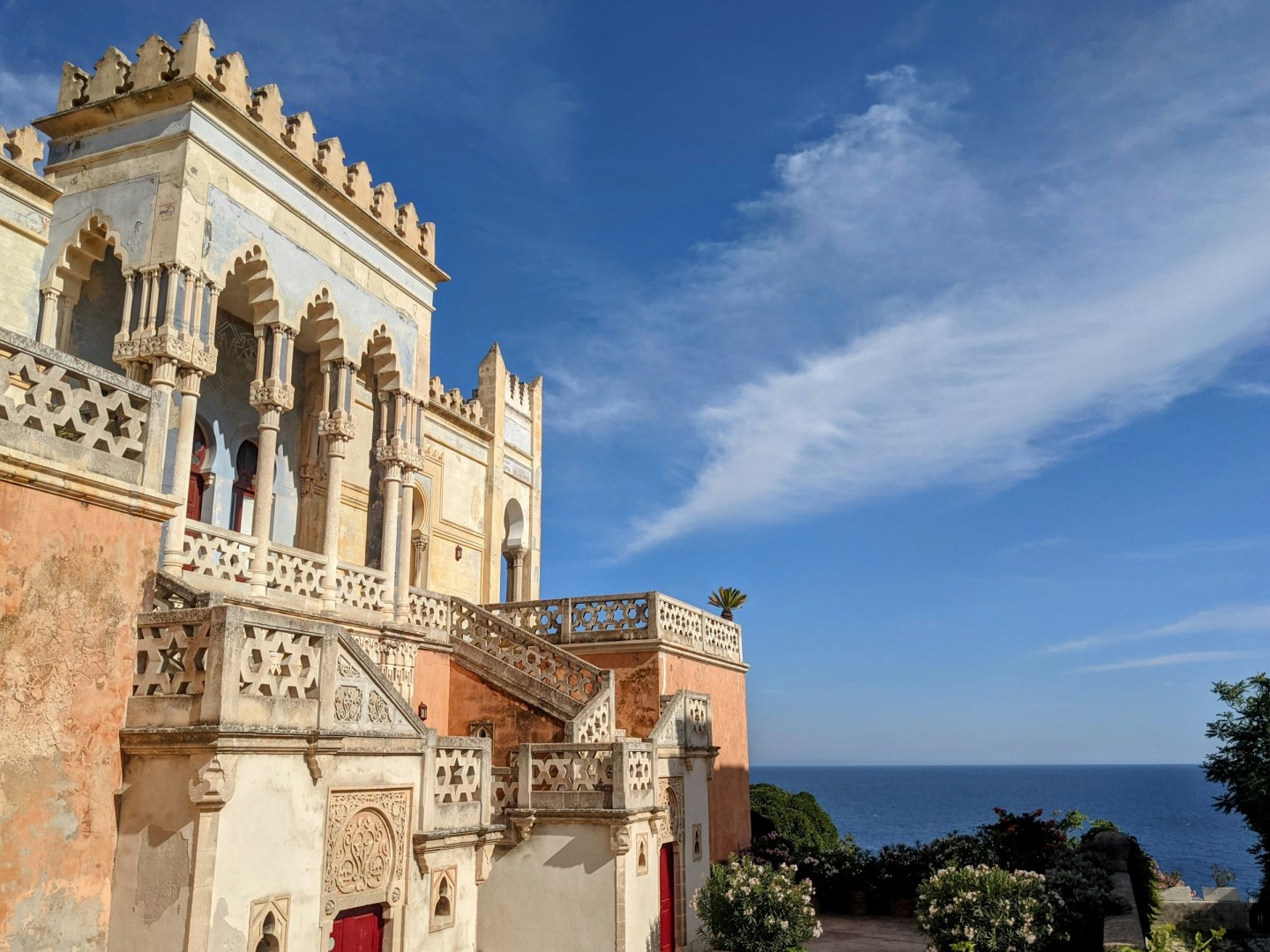
Lecce is a city in southern Puglia, at the center of the Salento peninsula, known for its historic buildings made from the region’s soft, honey-colored limestone. The old center contains elaborate churches, palaces, courtyards, and narrow streets, many decorated with carved columns, figures, floral motifs, and other details associated with Lecce Baroque. Piazza del Duomo and Piazza Sant’Oronzo form two of the city’s principal public spaces, while the Roman amphitheater remains visible at the hea
Searching...
