
Poole
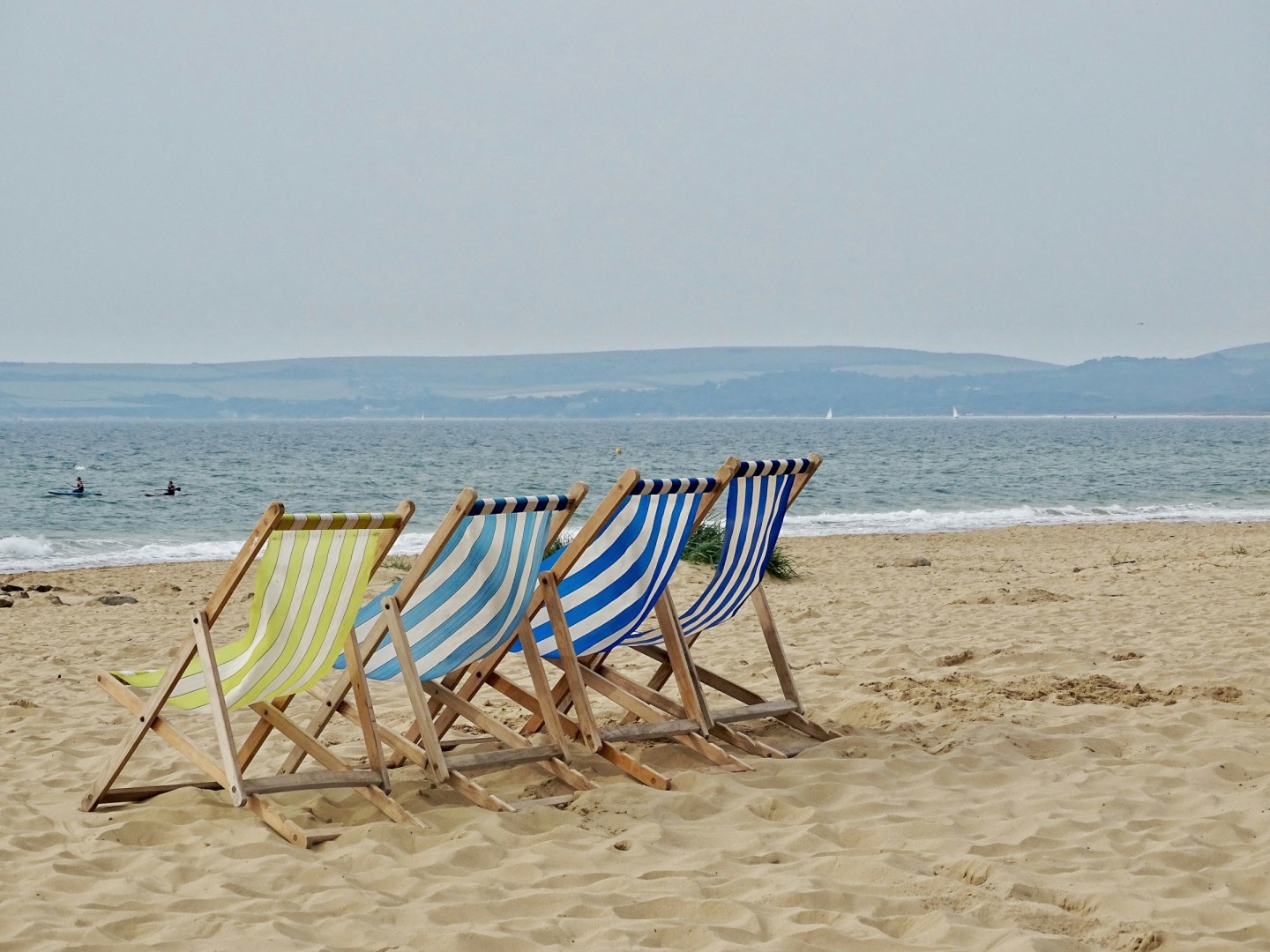
Poole is a coastal town in Dorset, southern England, centred on one of the largest natural harbours in the world. Its waterfront combines a working port, marina, sandy beaches, and historic streets, giving the town several distinct areas to explore. Poole Quay is lined with restaurants, pubs, and boat operators, while the Old Town contains historic buildings and narrow lanes.

Pigeon Forge
Nestled in the heart of the Smoky Mountains, Pigeon Forge, Tennessee, is a charming destination that combines natural beauty with family-friendly attractions. This small town, known for its close proximity to the Great Smoky Mountains National Park, offers visitors an array of outdoor adventures, including hiking, fishing, and wildlife viewing.

Marsaxlokk
Nestled along the southeastern coast of Malta, Marsaxlokk is a charming fishing village that offers an authentic glimpse into the island's maritime heritage. Renowned for its picturesque harbor filled with traditional "Luzzu" boats painted in vibrant blues, reds, and yellows, Marsaxlokk is a feast for the senses. These iconic boats, each adorned with the Eye of Osiris for protection, are a symbol of Malta’s deep-rooted cultural ties to the sea.

Cederberg
The Cederberg region in the Western Cape of South Africa is a striking land of rocky ridges, wide skies, and quiet valleys. Less than three hours’ drive from Cape Town, the jagged sandstone mountains rise in shapes that seem carved by giants, and shady kloofs hide wonders like ancient rock art that tell stories from thousands of years ago. Hikes to natural landmarks like Wolfberg Arch and the Maltese Cross take visitors deep into terrain shaped by time.
Fargo
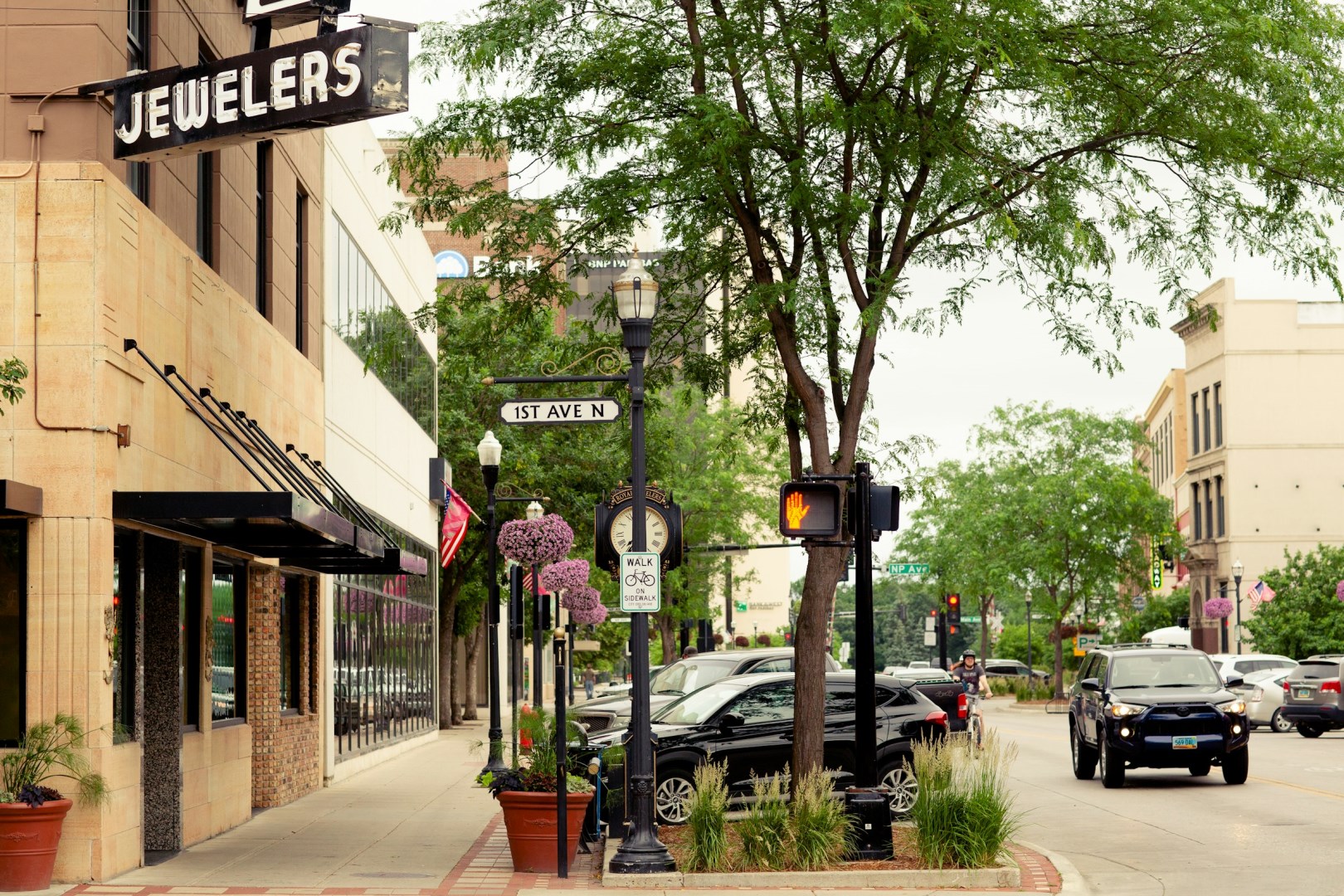
Fargo is the largest city in North Dakota and sits along the Red River of the North, which forms the boundary between North Dakota and Minnesota. The city is the urban center of the Red River Valley, a fertile agricultural region shaped by rich prairie soils and broad, level terrain. Downtown Fargo combines historic brick buildings with restaurants, cafés, galleries, boutiques, and public art. The Fargo-Moorhead area also includes West Fargo and neighboring Moorhead, Minnesota, creating a region
Bangor
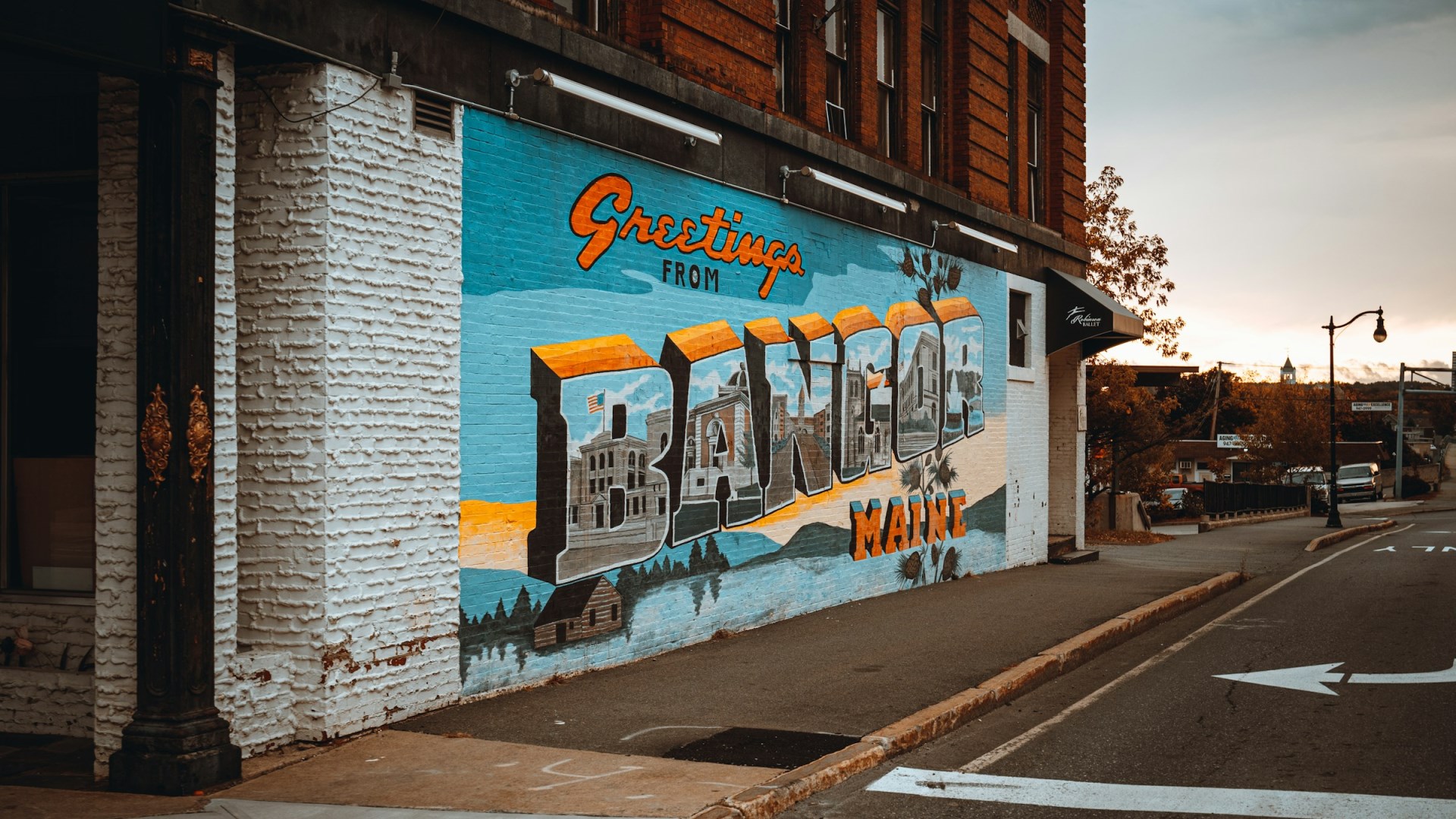
Settled in 1769, this Maine city is located on the Penobscot River in south central Maine.
Searching...
