





Central Asia | India | Lucknow

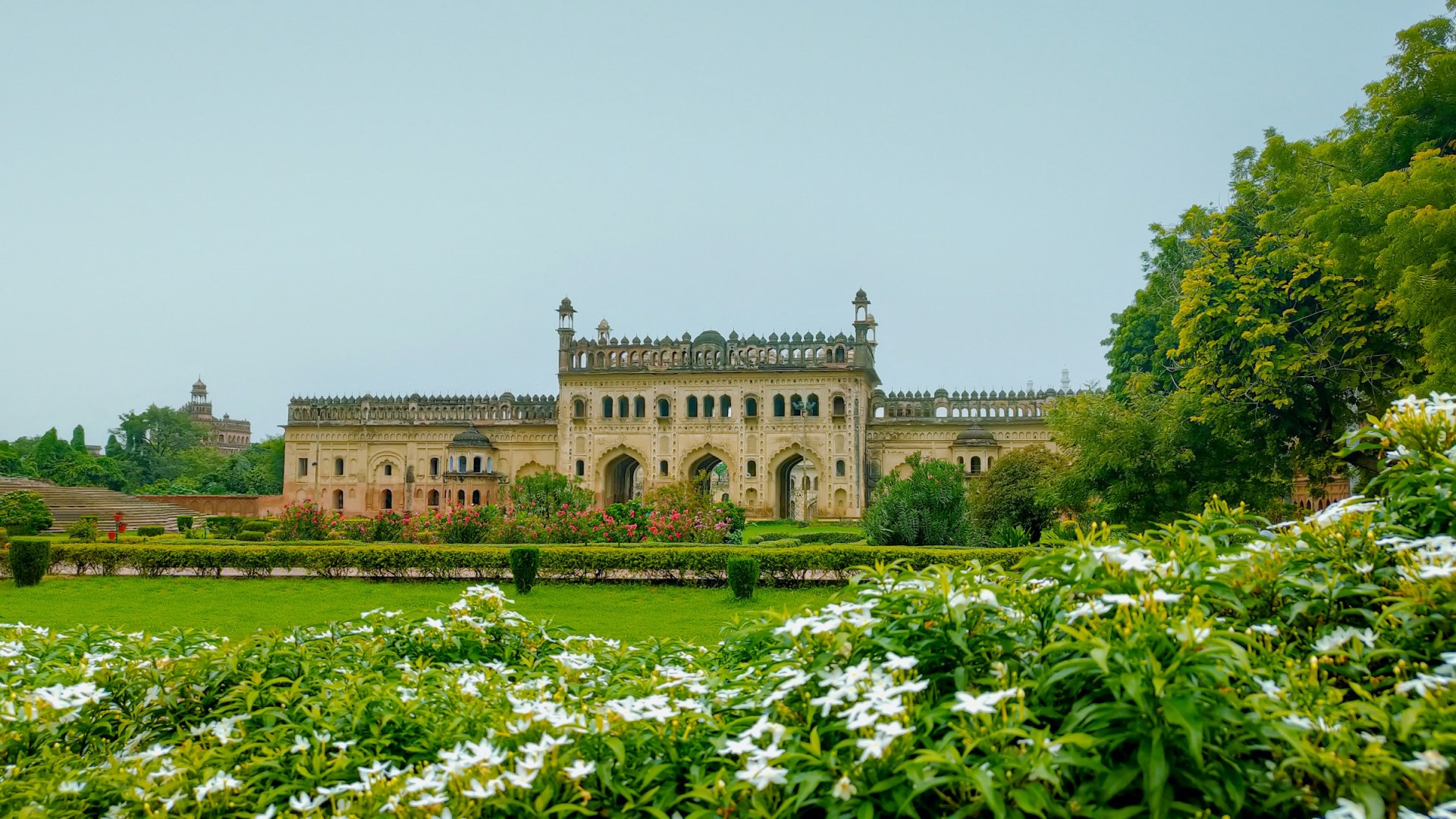

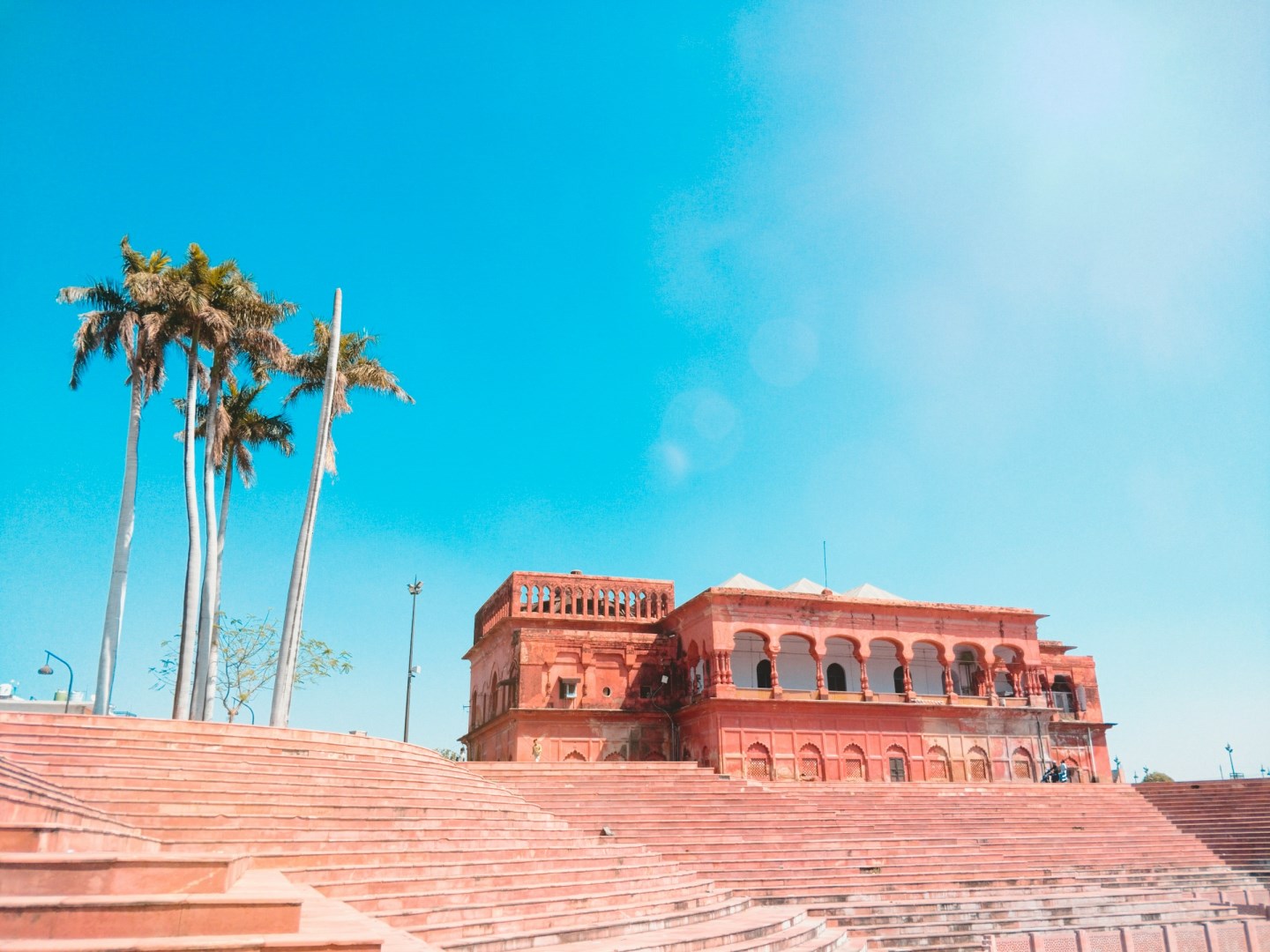
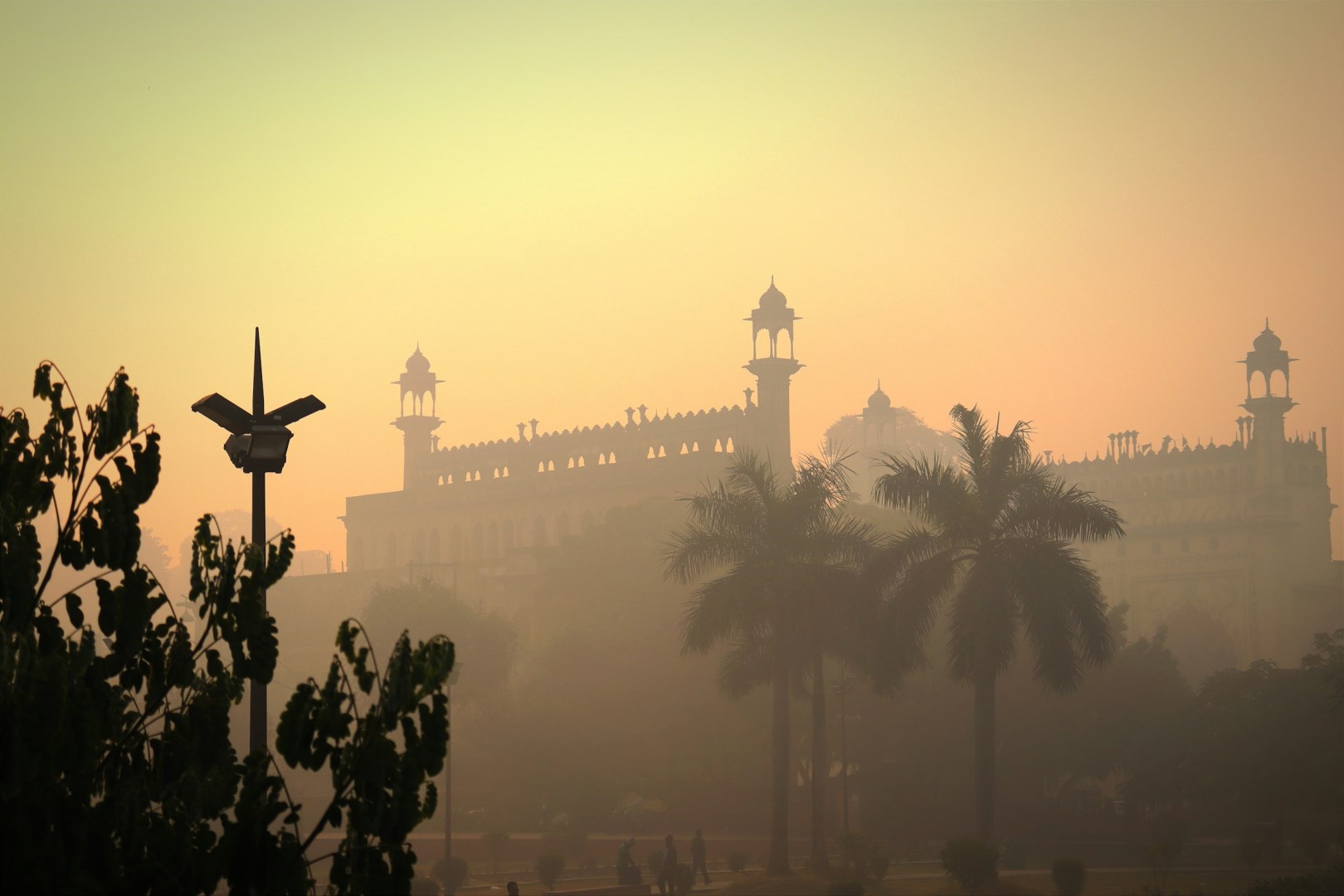
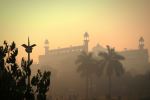
Lucknow, the capital of Uttar Pradesh, stands on the banks of the Gomti River and is widely associated with the cultural heritage of Awadh. The city is recognized for its distinctive architecture, refined traditions of etiquette, historic markets, and celebrated cuisine. Its built landscape ranges from grand religious complexes and gateways to colonial-era structures and modern urban districts. Lucknow is also an important centre for traditional crafts, particularly chikankari embroidery. Together, these features give the city a clear identity shaped by royal patronage, religious traditions, artisan skills, and a long-standing food culture.
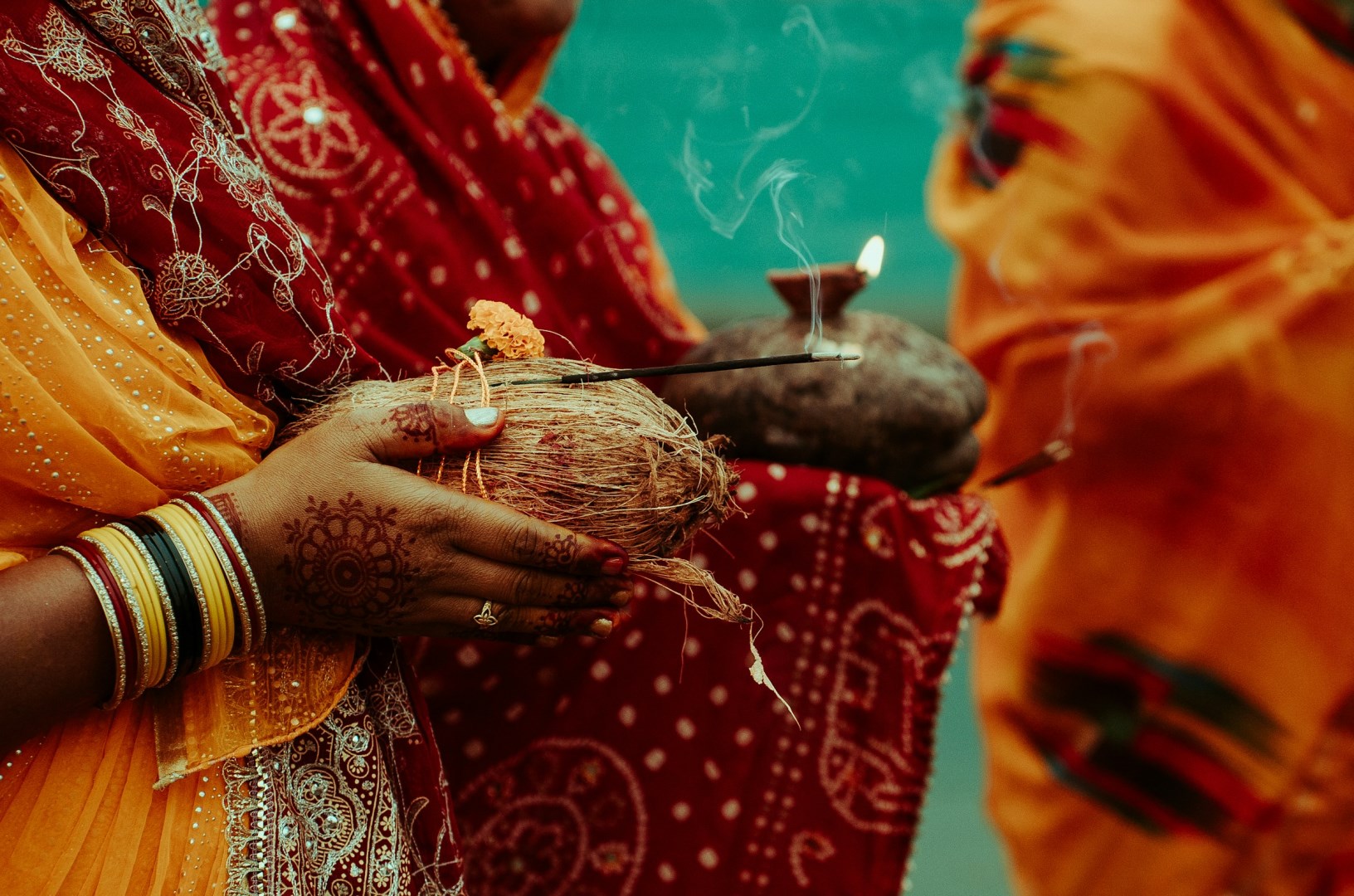
Lucknow’s cultural identity is closely linked with the Nawabs of Awadh and the traditions of tehzeeb and adab, which emphasize courtesy, graceful speech, and hospitality. The city is also an important centre for Kathak, Urdu literature, music, and traditional embroidery. Chikankari, a delicate form of hand embroidery worked on fabrics such as muslin, silk, and organza, remains one of Lucknow’s best-known crafts, while zardozi provides another important textile tradition. Religious life is equally diverse, with mosques, temples, churches, and other places of worship contributing to the city’s cultural landscape.
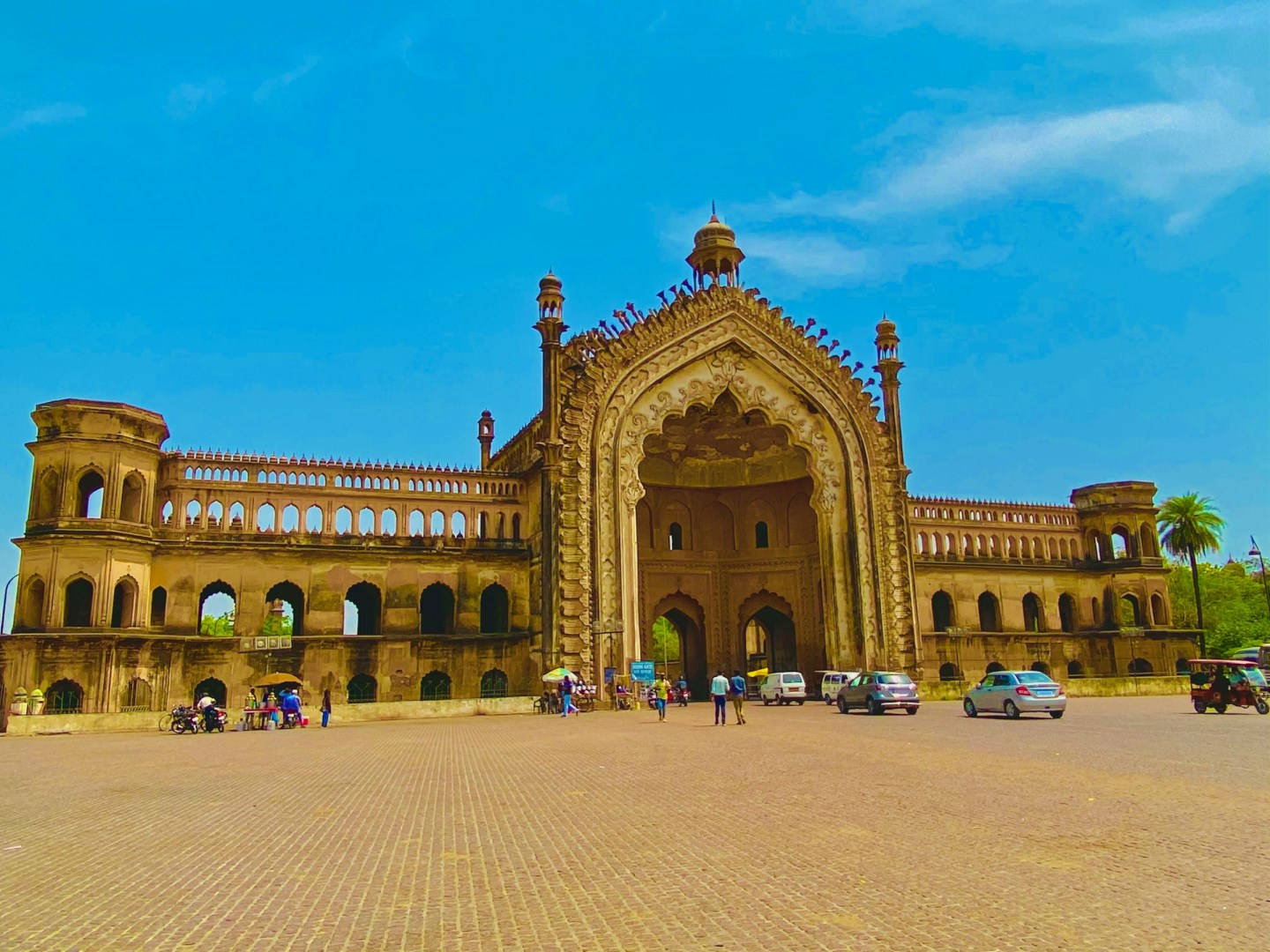
Among Lucknow’s most recognizable landmarks is Bara Imambara, whose vast central hall has an unsupported arched roof and is connected to the intricate Bhul Bhulaiya. Nearby, the Chota Imambara features ornate decoration, while the Rumi Darwaza forms a monumental gateway between the two complexes. The Lucknow Residency preserves ruins and buildings associated with the city’s colonial history and the struggle for Indian independence. Hazratganj and the older markets of Chowk and Aminabad provide a different view of the city, with shops, traditional crafts, street food, and everyday urban life surrounding its historic architecture.
Food is one of Lucknow’s defining cultural traditions, particularly the slow-cooked dishes of Awadhi cuisine. Galouti kebabs, Lucknowi biryani, nihari, sheermal, and kulfi are among the specialties associated with the city, while basket chaat and kachori are popular street-food choices. The culinary tradition is closely linked with techniques such as dum cooking, in which food is slowly prepared in a sealed vessel to develop its flavors. A distinctive detail of Lucknow is how food, embroidery, poetry, music, and manners are all woven into its idea of Lucknawi tehzeeb, making cultural expression part of everyday life.
Other Popular Destinations in India


