
Central Asia | India | Jim Corbett National Park
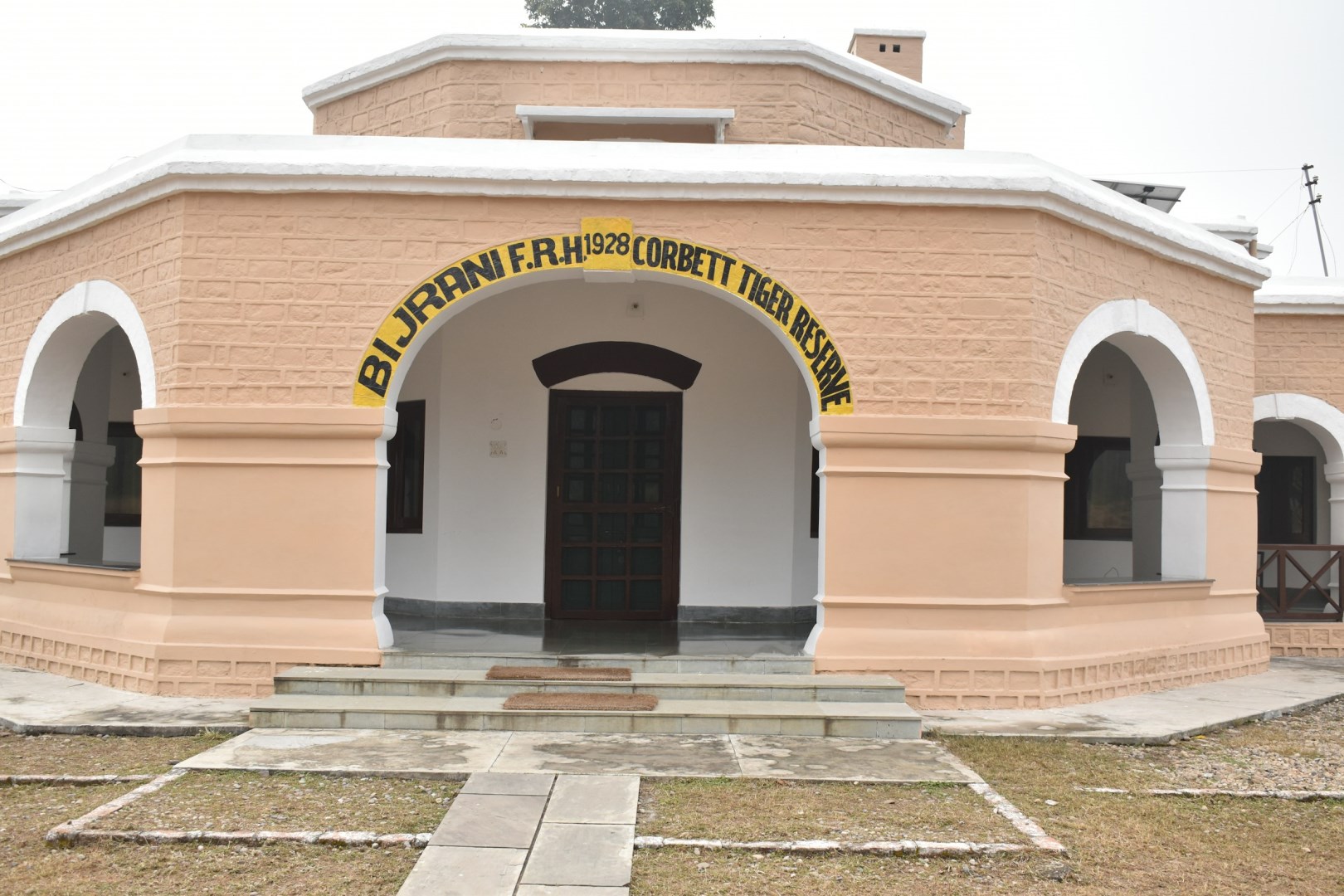

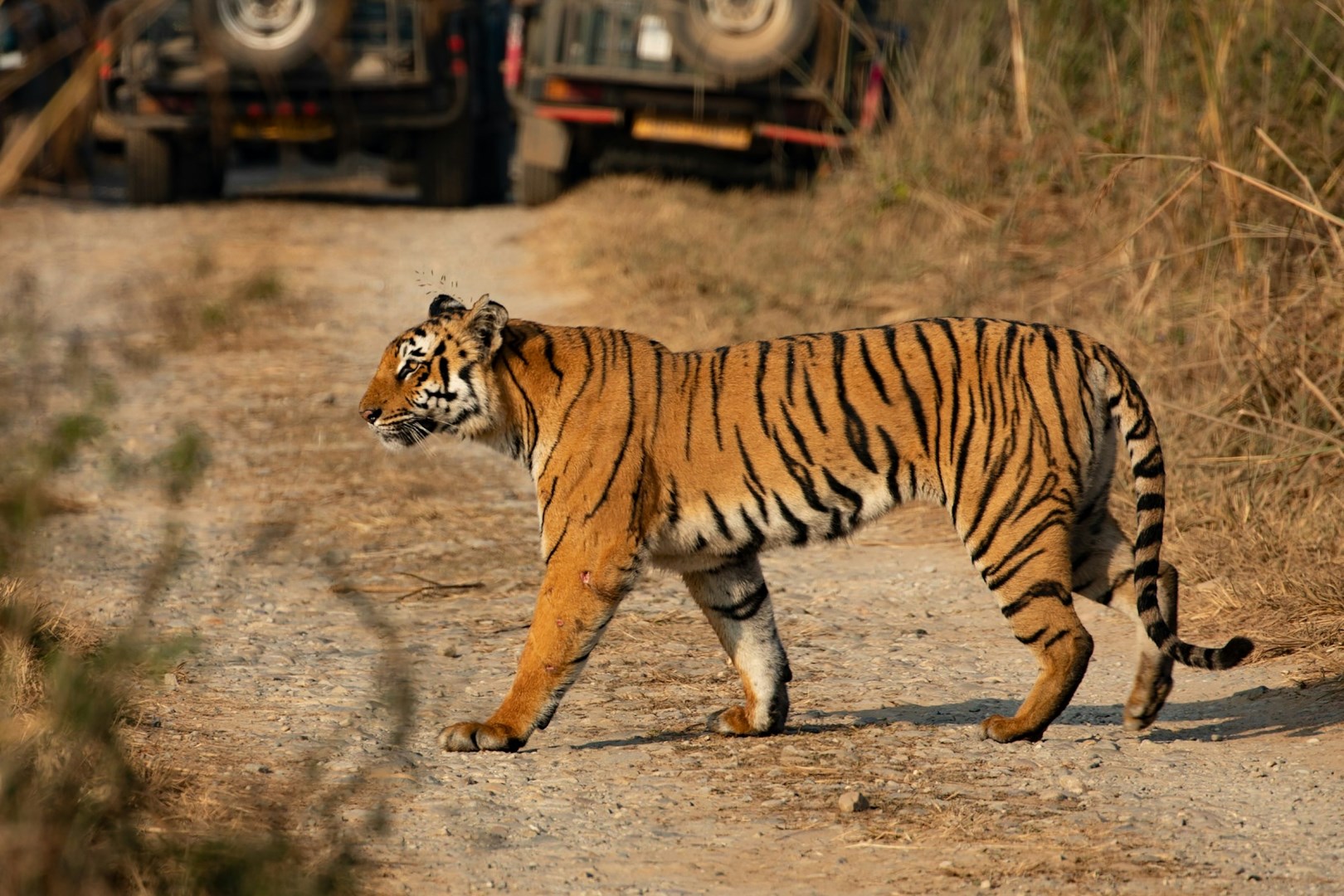
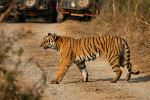
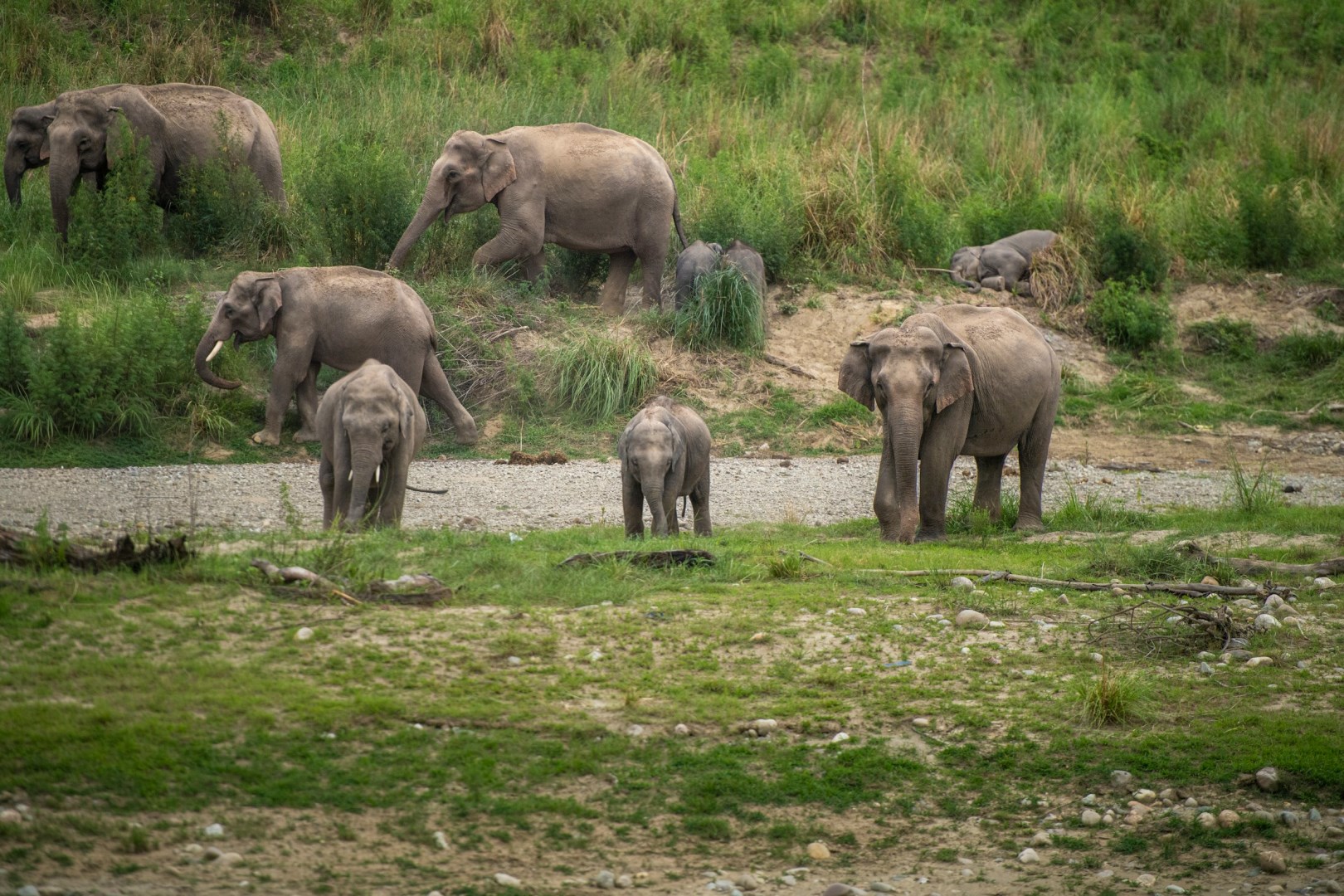
Jim Corbett National Park lies in the Himalayan foothills of Uttarakhand and forms the core of the wider Corbett Tiger Reserve. It is recognized as India’s first national park and is closely associated with the conservation of the Bengal tiger. The landscape combines sal forests, riverine grasslands, wooded hills, and wetlands, creating habitats for a wide range of wildlife. The reserve covers more than 1,280 square kilometres, while the national park itself occupies a smaller core area. Ramnagar serves as the main gateway for visitors entering the reserve.
The park carries the name of Jim Corbett, the naturalist and conservationist whose work became closely linked with the forests and communities of the Kumaon region. His former home at Kaladhungi is preserved as the Jim Corbett Museum, where visitors can learn about his life and connection with local villages. Corbett is also strongly associated with India’s tiger conservation program, with Dhikala serving as the setting for its launch. Local conservation efforts today involve forest staff and surrounding communities, including initiatives that promote traditional Aipan art and alternative livelihoods.
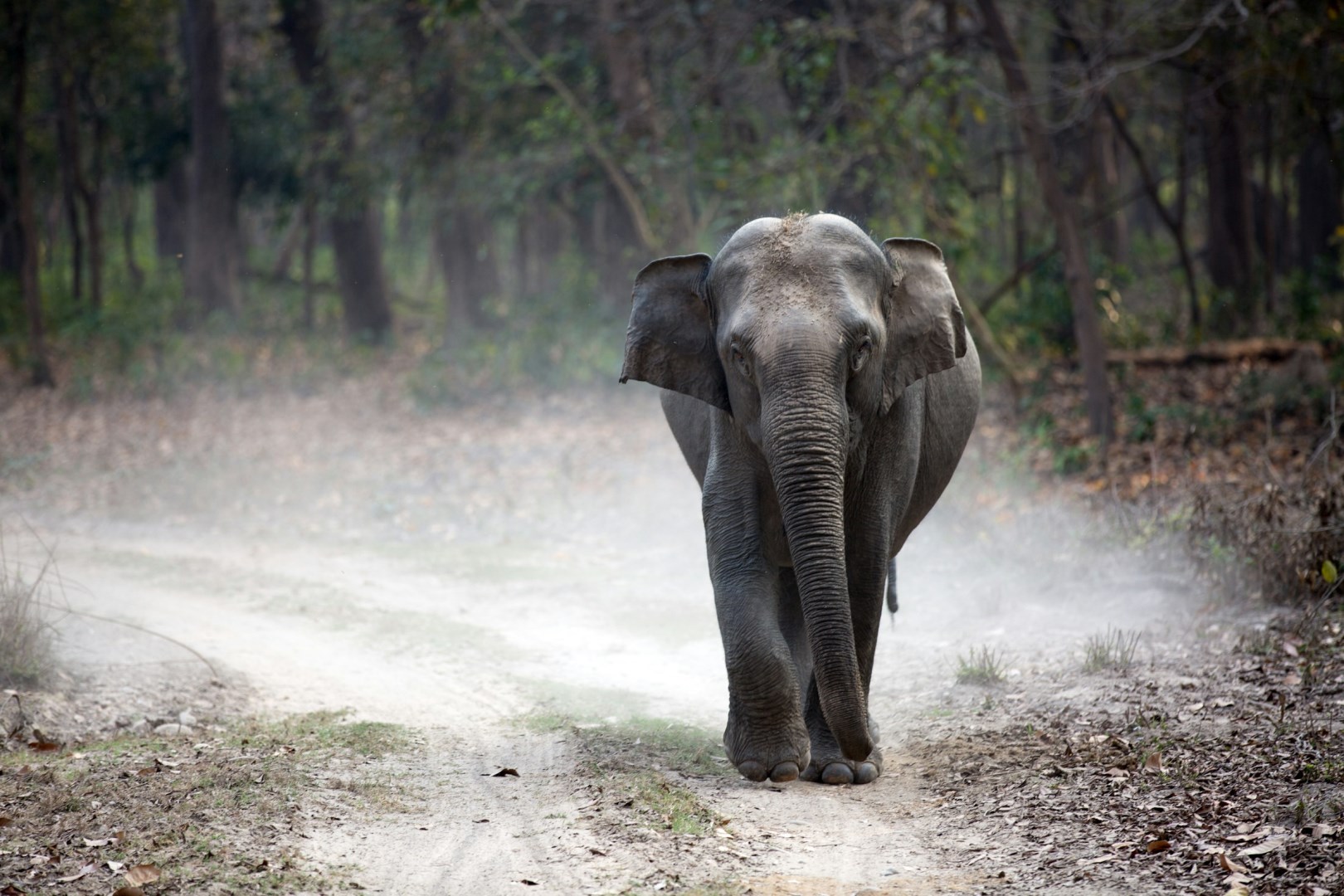
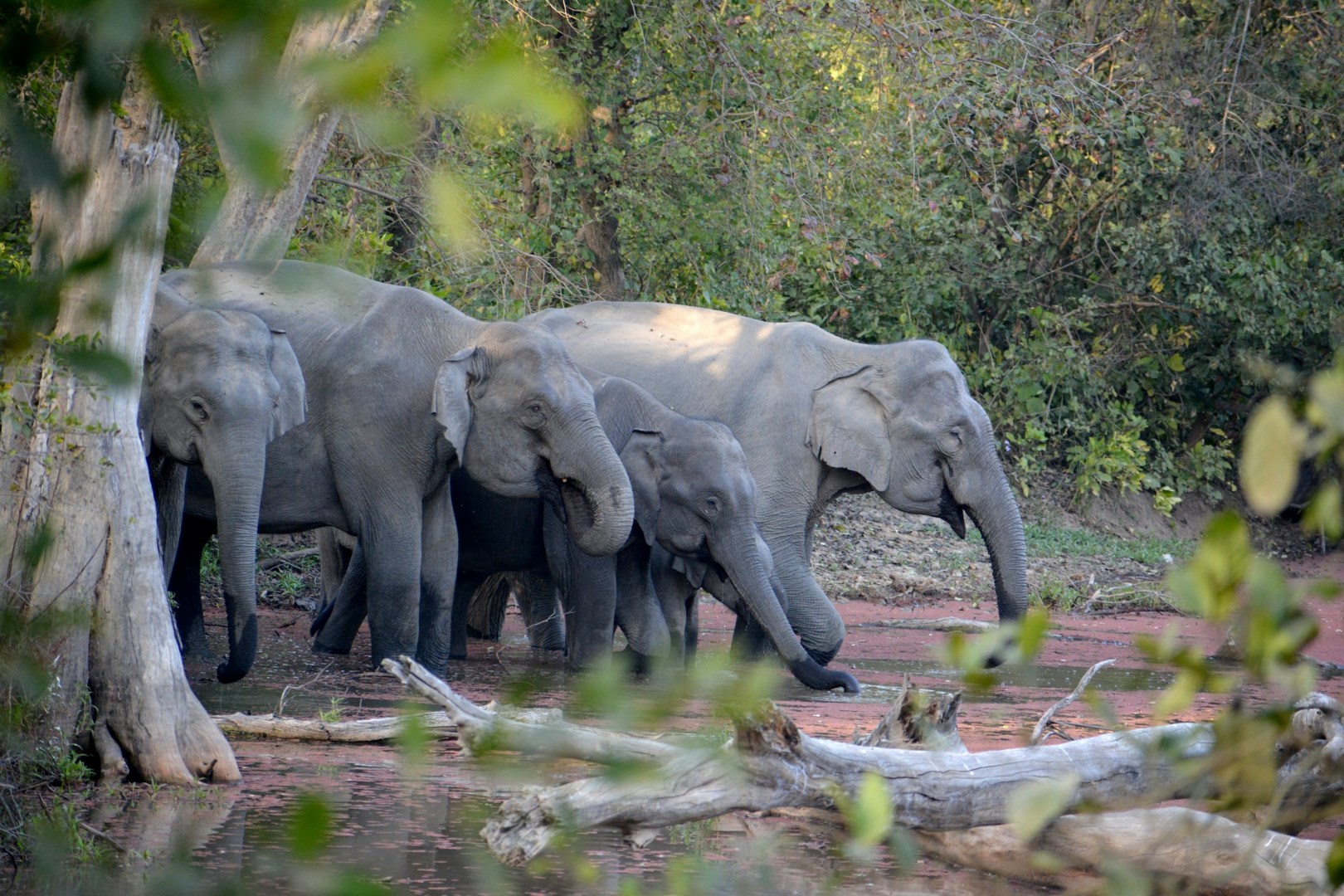
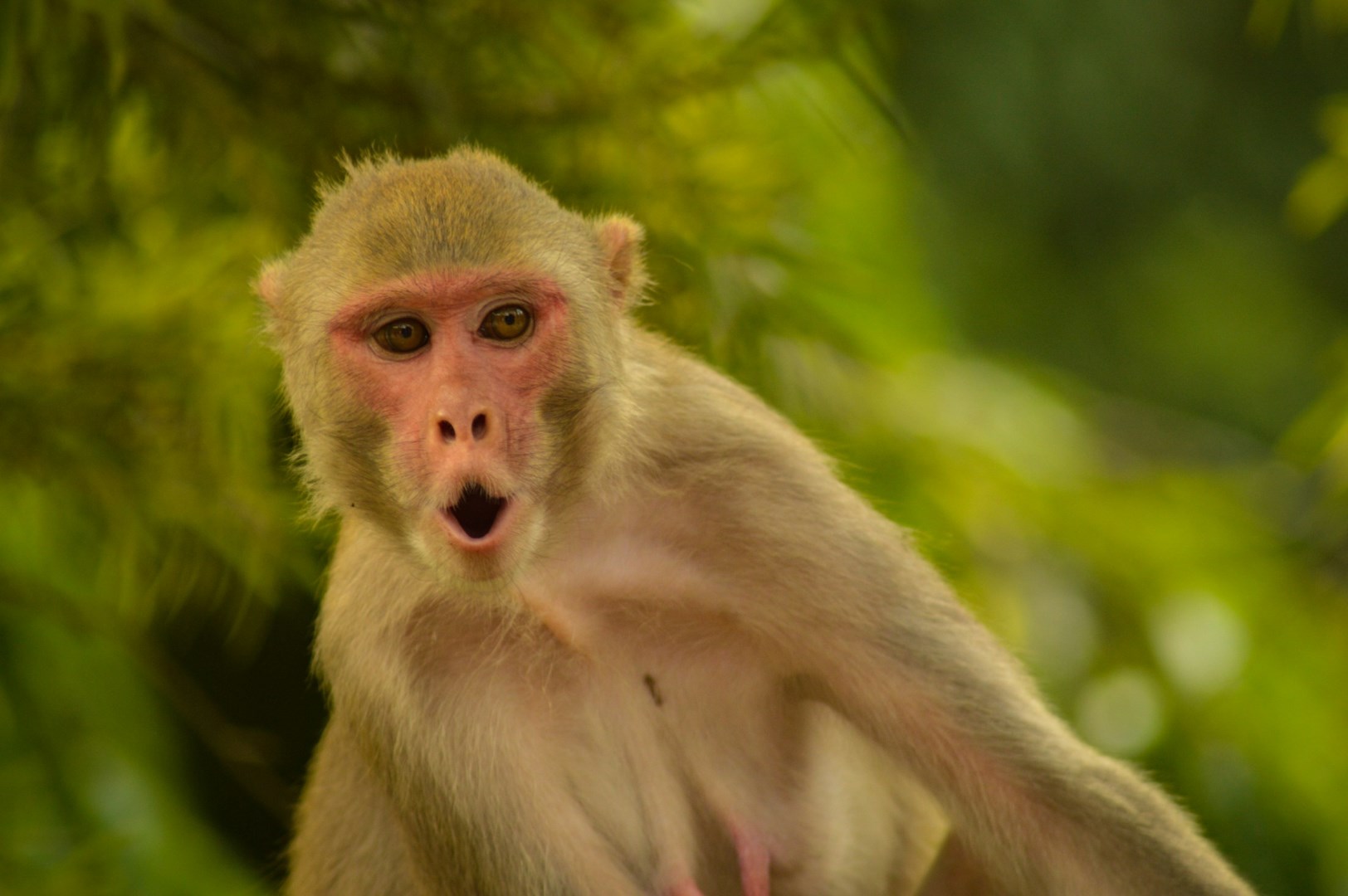
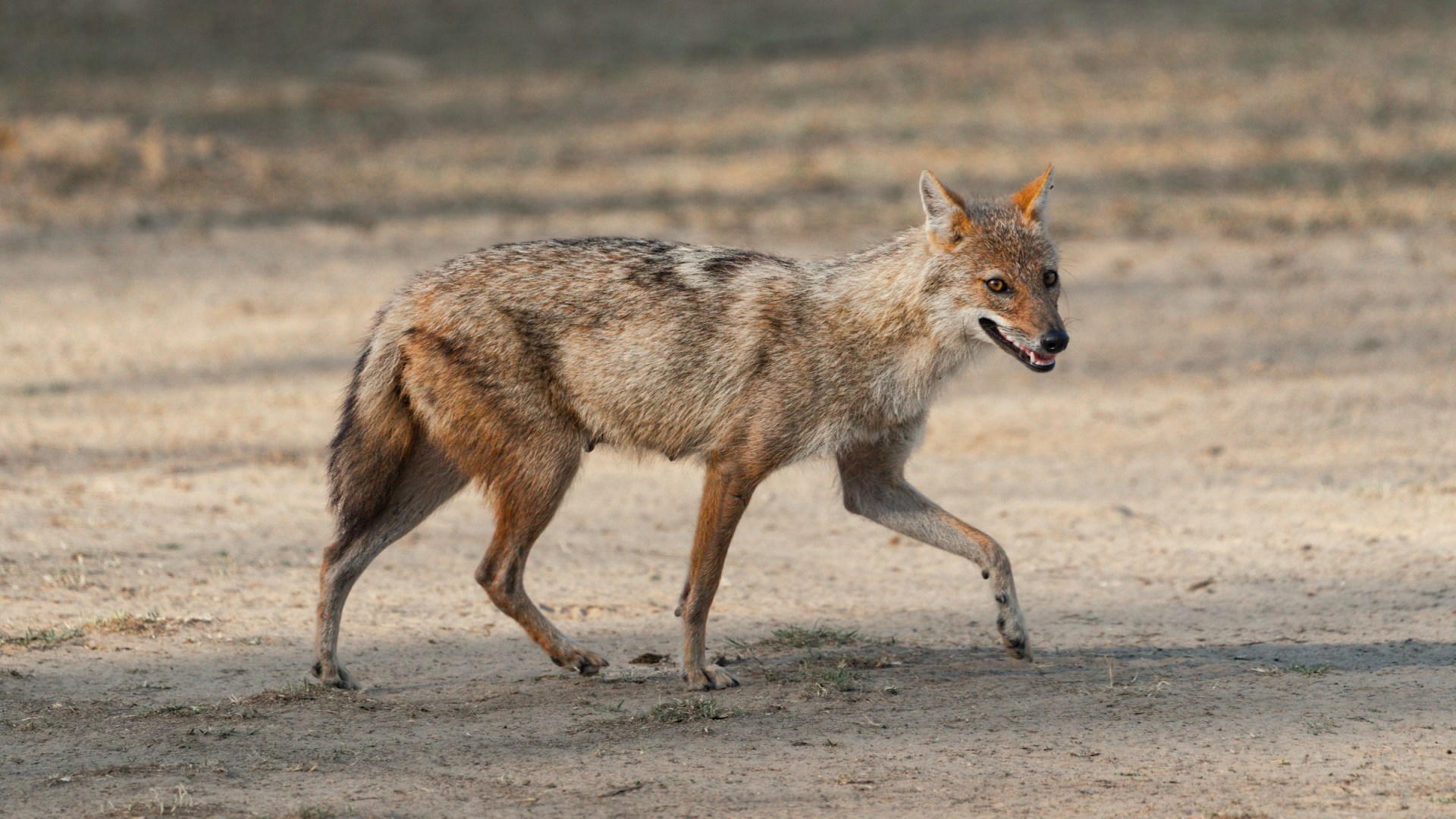
Wildlife viewing is centered on a network of forest zones, with Dhikala among the best-known areas because of its grasslands, forests, and views toward the Ramganga landscape. Jeep and canter safaris provide opportunities to see Bengal tigers, Asian elephants, chital, sambar deer, leopards, crocodiles, and numerous bird species. The reserve records more than 580 bird species, making its rivers, forests, and open grasslands important bird habitats. The Ramganga River and associated water bodies are particularly significant to wildlife, while the surrounding Himalayan foothills give the landscape a varied topography.
Other Popular Destinations in India


