
Central Asia | Pakistan | Islamabad
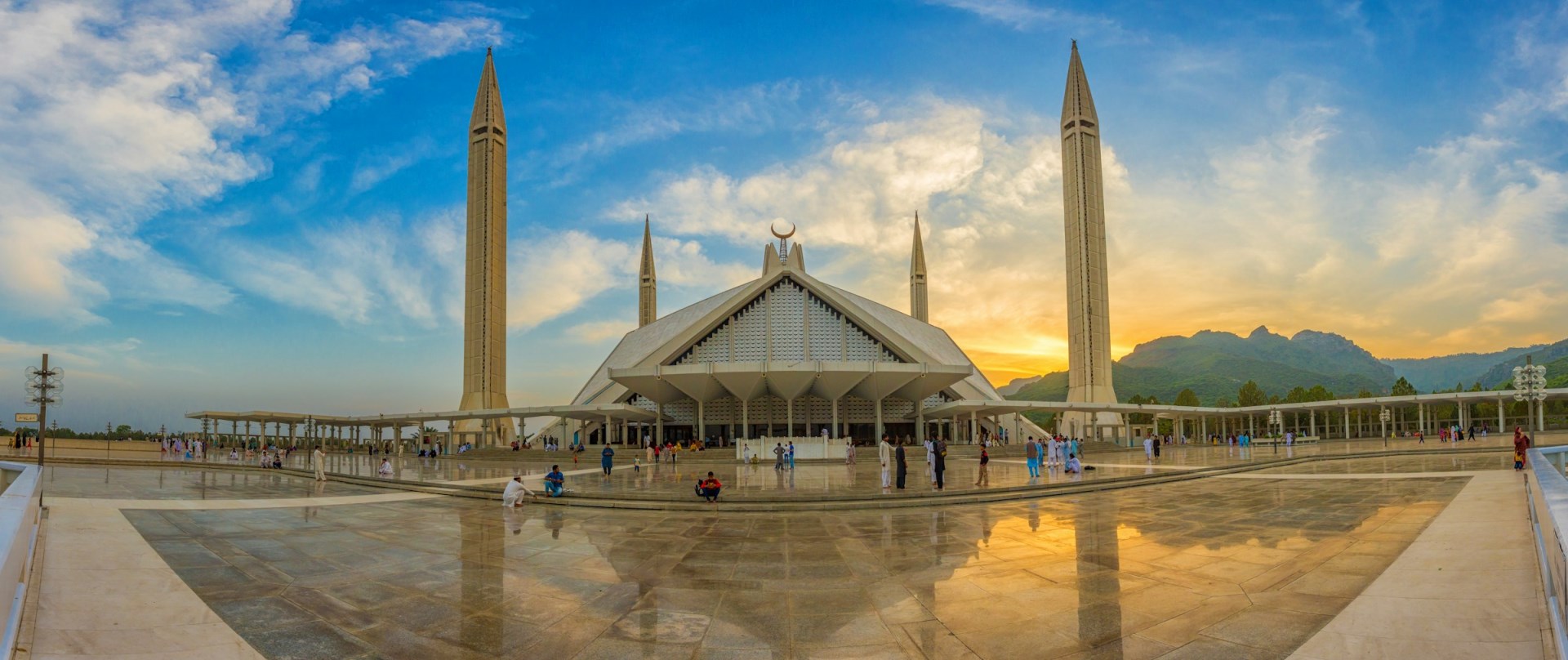
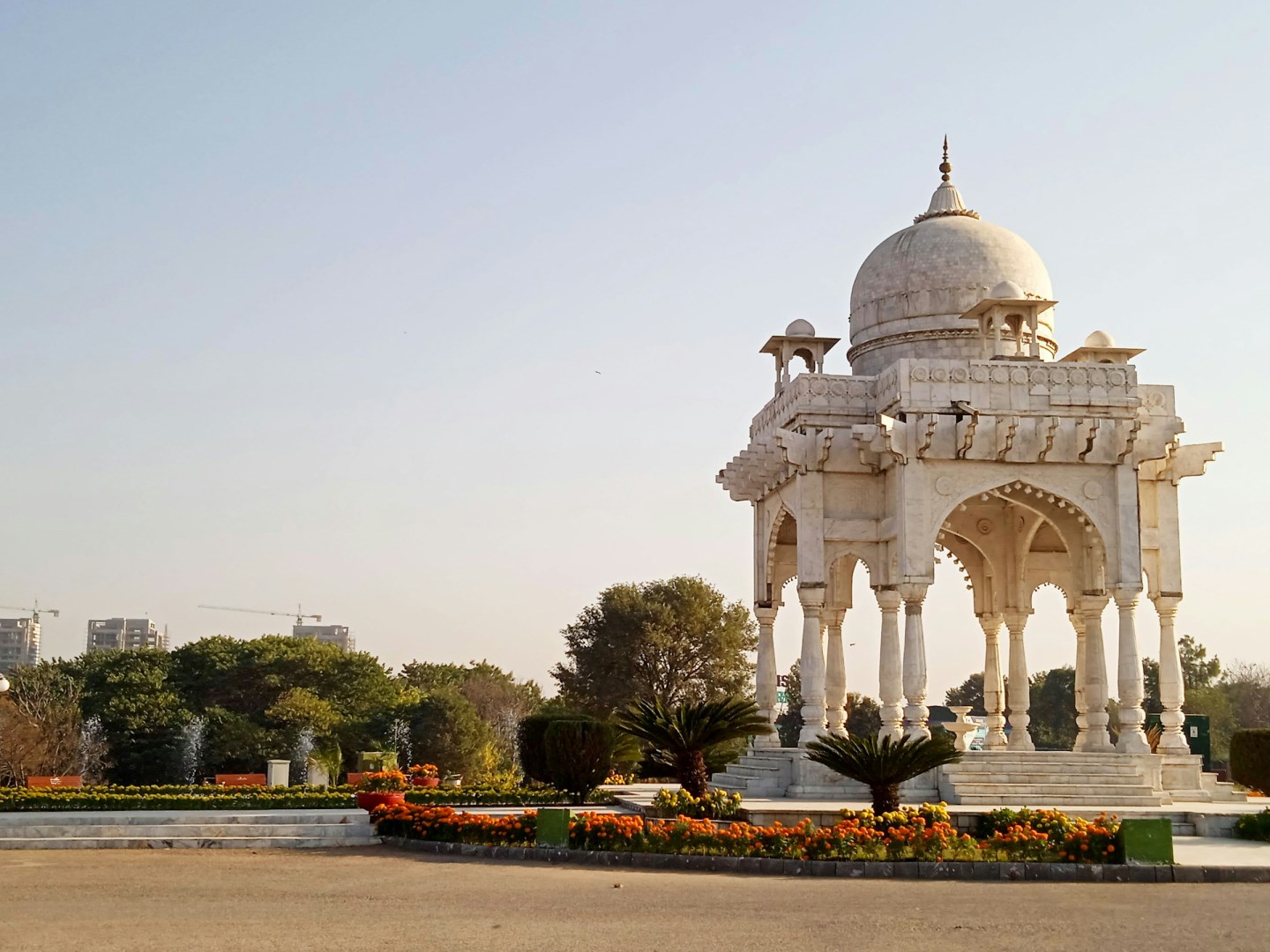
Islamabad is the capital of Pakistan, set against the wooded slopes of the Margalla Hills in the north of the country. Planned as a purpose-built capital, the city is organized around broad avenues, landscaped sectors, parks, and green belts, giving it a different character from Pakistan’s older cities. The Faisal Mosque is its most recognizable landmark, with its tent-shaped design and prominent position beneath the hills. Islamabad also serves as an administrative, diplomatic, and educational center, with modern government buildings standing alongside museums, markets, and established residential districts.
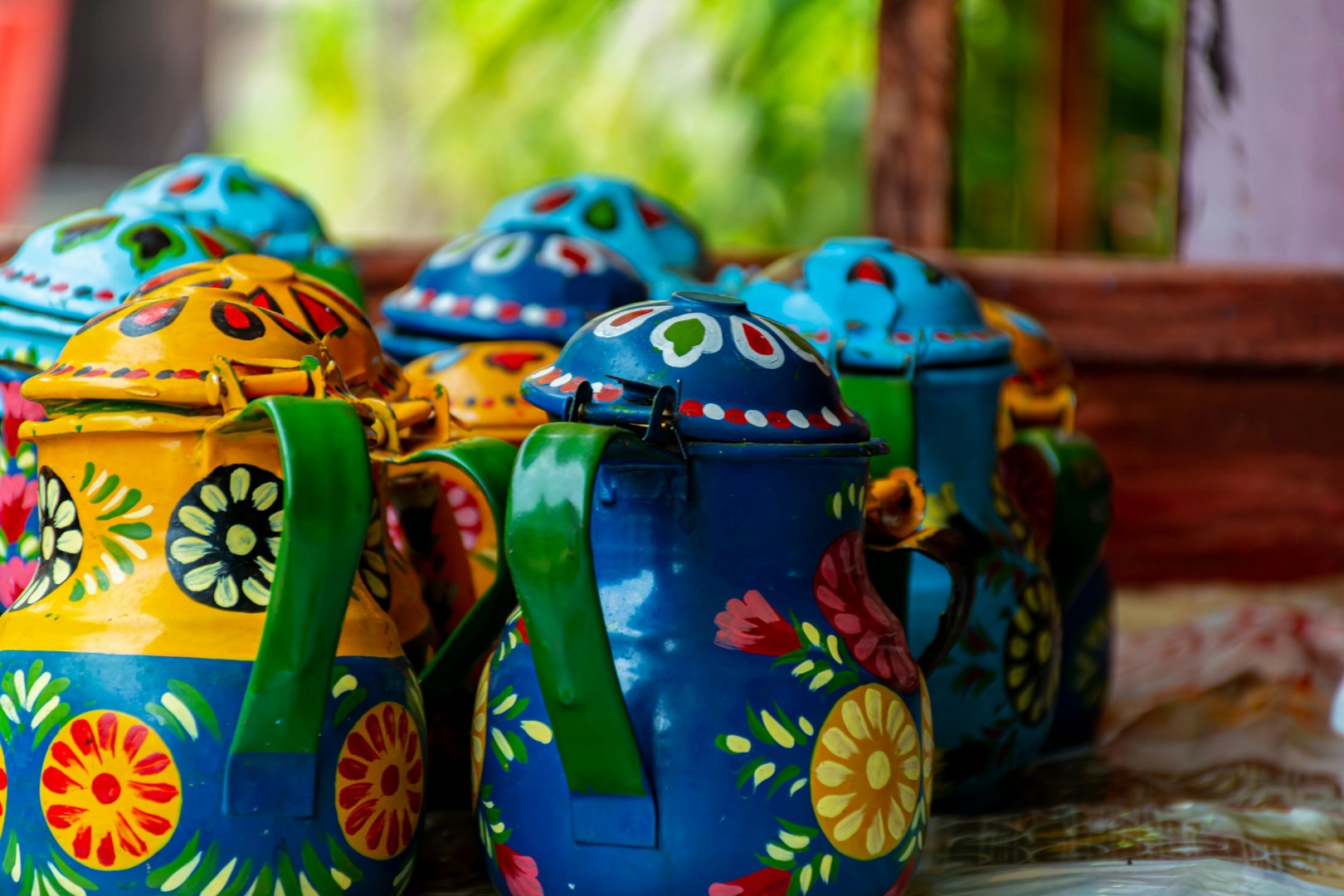
The city’s cultural institutions present traditions from across Pakistan. Lok Virsa Museum houses collections of folk art, textiles, jewelry, musical instruments, and other objects representing the country’s regional cultures. The Pakistan Monument, shaped as four large petals with smaller petals around them, represents the provinces and territories of Pakistan and contains a museum exploring national history and heritage. Nearby Saidpur Village preserves a historic settlement at the foot of the Margalla Hills, with traditional architecture and religious structures that reflect the area’s multicultural past. These places provide context for Islamabad’s relatively modern urban identity.
Islamabad’s strongest natural feature is the Margalla Hills National Park, which borders the northern side of the city and contains wooded slopes, hiking trails, viewpoints, and wildlife habitat. The park is home to species including rhesus macaques, barking deer, and kalij pheasants, while common leopard populations have also been recorded. Trails lead toward viewpoints such as Daman-e-Koh and Pir Sohawa, overlooking the city and surrounding plains. Rawal Lake, F9 Park, and the Rose and Jasmine Garden provide additional outdoor spaces within or near the urban area, making green space a prominent part of Islamabad’s layout.
Islamabad’s food scene draws from the wider culinary traditions of Pakistan, with dishes such as nihari, biryani, seekh kebabs, chapli kebabs, and karahi commonly served in restaurants across the city. Regional specialties from Punjab, Khyber Pakhtunkhwa, Sindh, and Balochistan can also be found, reflecting the capital’s diverse population. The city’s markets and commercial districts offer traditional sweets, breads, spices, and street foods alongside contemporary cafes and restaurants. A distinctive feature of Islamabad is the close proximity of formal government districts and dense urban neighborhoods to forested hills, giving the capital an unusual relationship between planned city and natural landscape.
Other Popular Destinations in Pakistan