
Central Asia | Pakistan | Skardu
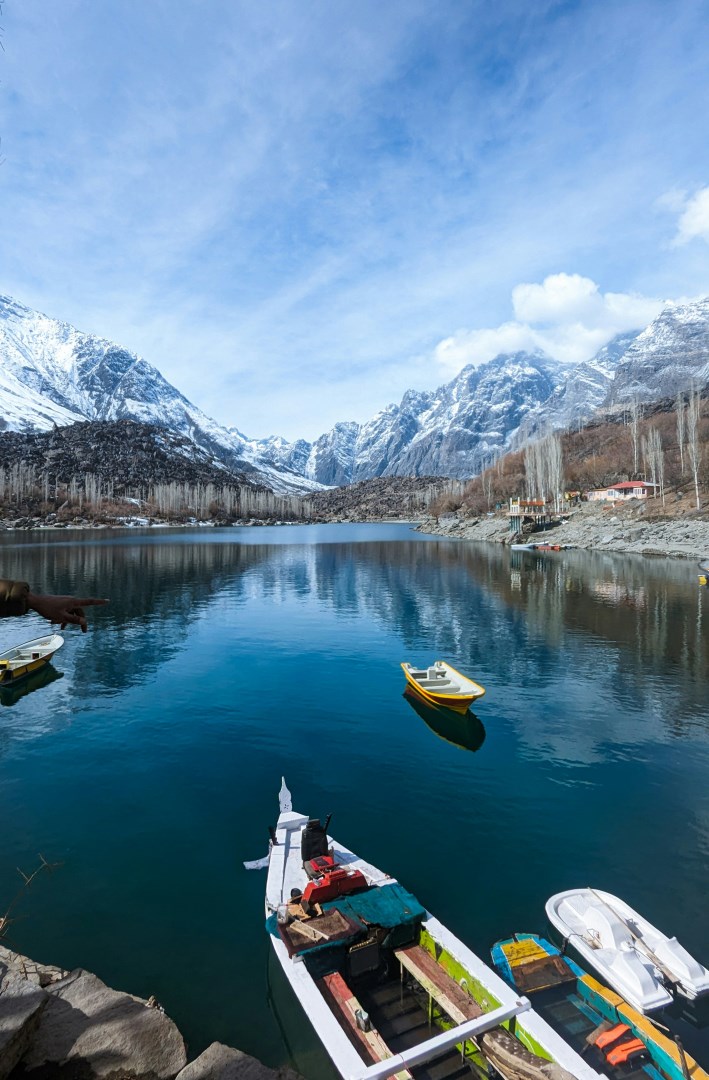

Skardu is a mountain town in Gilgit-Baltistan, northern Pakistan, set in a broad valley near the confluence of the Indus and Shigar rivers. It serves as an important gateway to the Karakoram and to trekking and mountaineering routes leading toward K2, Gasherbrum, and other high peaks. The town is surrounded by starkly contrasting landscapes, including dry mountain slopes, fertile valleys, turquoise lakes, and high-altitude plains. Balti is the principal local language, and traditional settlements, orchards, and small agricultural plots remain an important part of the area’s identity.
Skardu’s cultural heritage reflects its position along historic routes connecting South Asia with Central Asia and Tibet. Kharpocho Fort stands on a rocky hill above the town and offers views across the valley, while Manthal Buddha Rock preserves a large Buddhist carving on a granite boulder, providing evidence of the region’s earlier Buddhist traditions. Nearby Shigar Valley contains Shigar Fort, a restored royal residence built in traditional Balti style. Local culture is also expressed through Balti food, language, farming practices, and village architecture, with apricots, walnuts, peaches, and grapes among the crops grown in the surrounding valleys.
The landscape around Skardu contains several distinctive natural attractions. Deosai National Park occupies a high alpine plateau at an average elevation of about 4,114 meters and is known for its Himalayan brown bears, marmots, wildflowers, and Sheosar Lake. Closer to town, Sadpara Lake and the Kachura Lakes provide freshwater settings surrounded by rugged mountains, while Katpana Cold Desert features broad sand dunes at high altitude. Basho Valley offers forests, meadows, and streams, creating a marked contrast with the dry terrain found elsewhere around the Skardu Valley.
Skardu’s cuisine is closely connected with the food traditions of Baltistan, where locally grown grains, fruits, vegetables, and dairy products are combined with meat and simple seasonings. Balti dishes include mamtu, steamed dumplings filled with meat, and balti-style soups and stews suited to the region’s mountain climate. Dried apricots and other fruit products are also common local foods. A distinctive feature of the region is the close relationship between cultivated valleys and extremely high mountain terrain: within a relatively short distance of Skardu, irrigated orchards and villages give way to deserts, alpine plateaus, glaciers, and some of the world’s highest peaks.
Other Popular Destinations in Pakistan