Jaipur, the capital of Rajasthan, is often called the “Pink City” for the terracotta-hued buildings that line its historic streets. Founded in 1727, it was one of India’s first planned cities, designed with wide avenues and grand public squares.
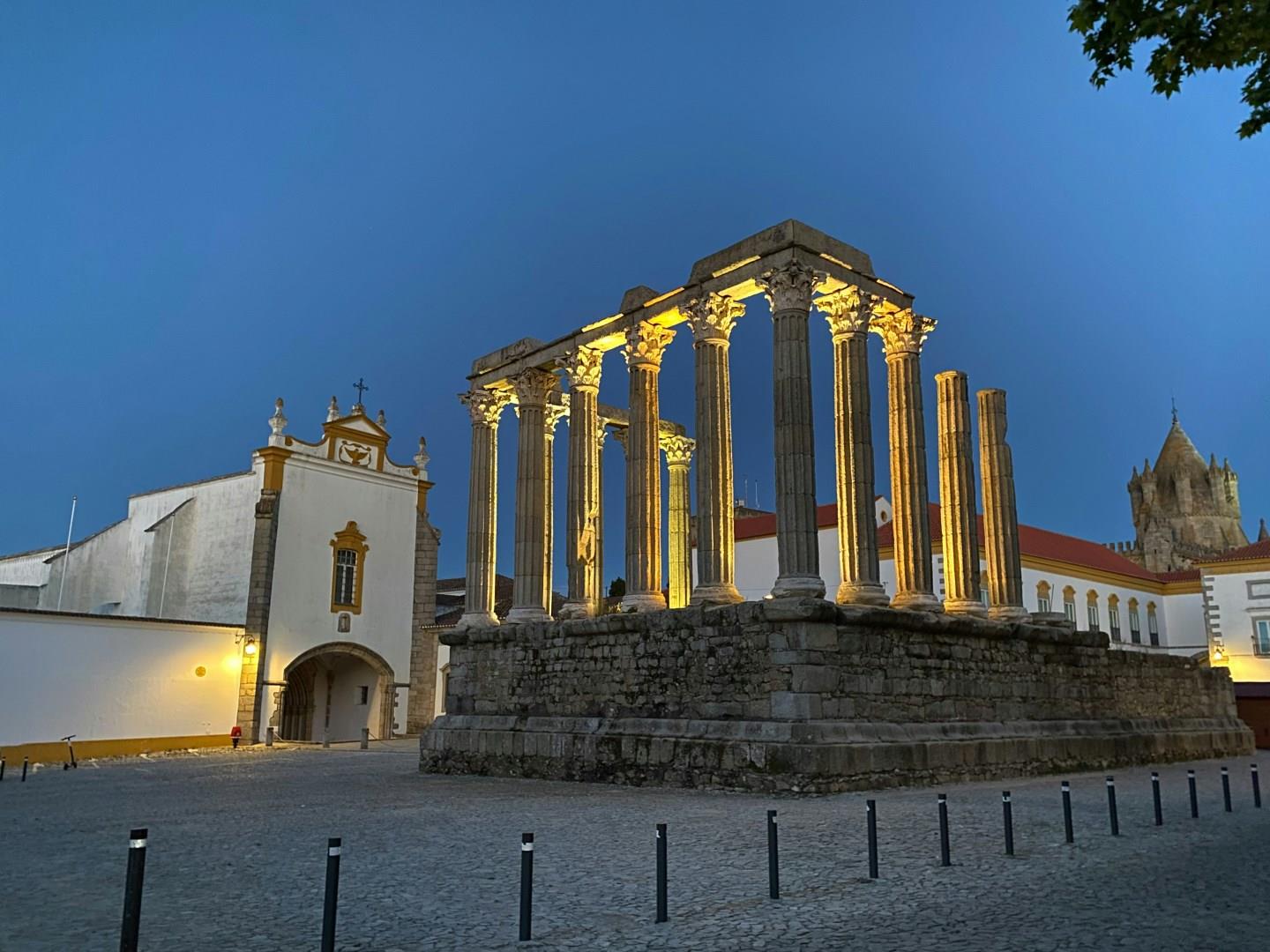
Évora, in Portugal’s Alentejo region, feels like stepping into a story that spans more than two thousand years. Its Historic Centre was named a UNESCO World Heritage Site for good reason with its ancient walls, homes with wrought-iron balconies, and narrow streets quietly preserve traces of Roman, Moorish, and medieval life. Beyond architecture and monuments, Évora reveals lesser-known treasures that reward exploration.
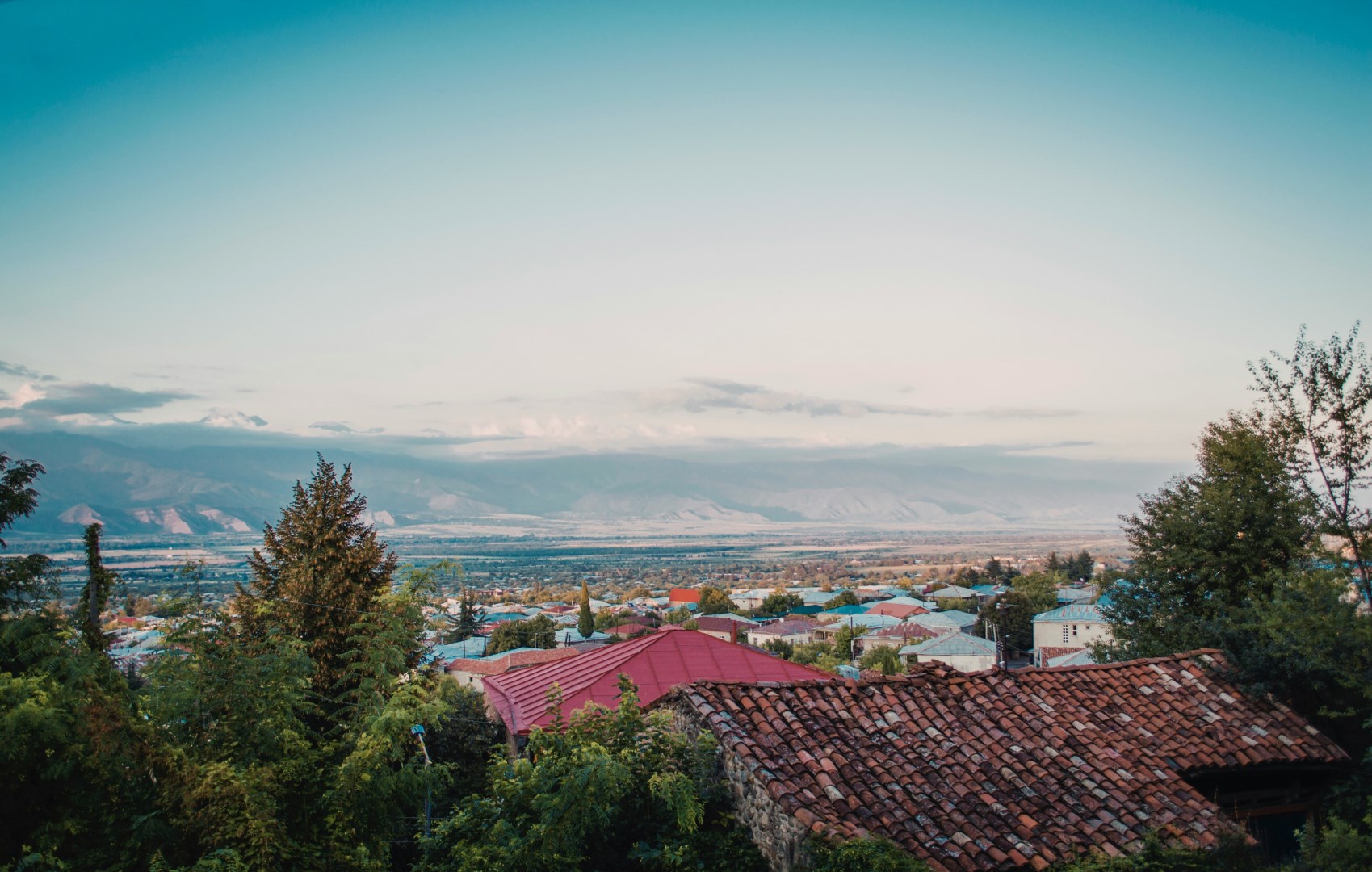
Telavi is the administrative center of Georgia’s Kakheti region, located between the Gombori mountain range and the Alazani Valley. The town is known for its connection to winemaking, traditional balconies, and views toward the snow-covered Caucasus Mountains.
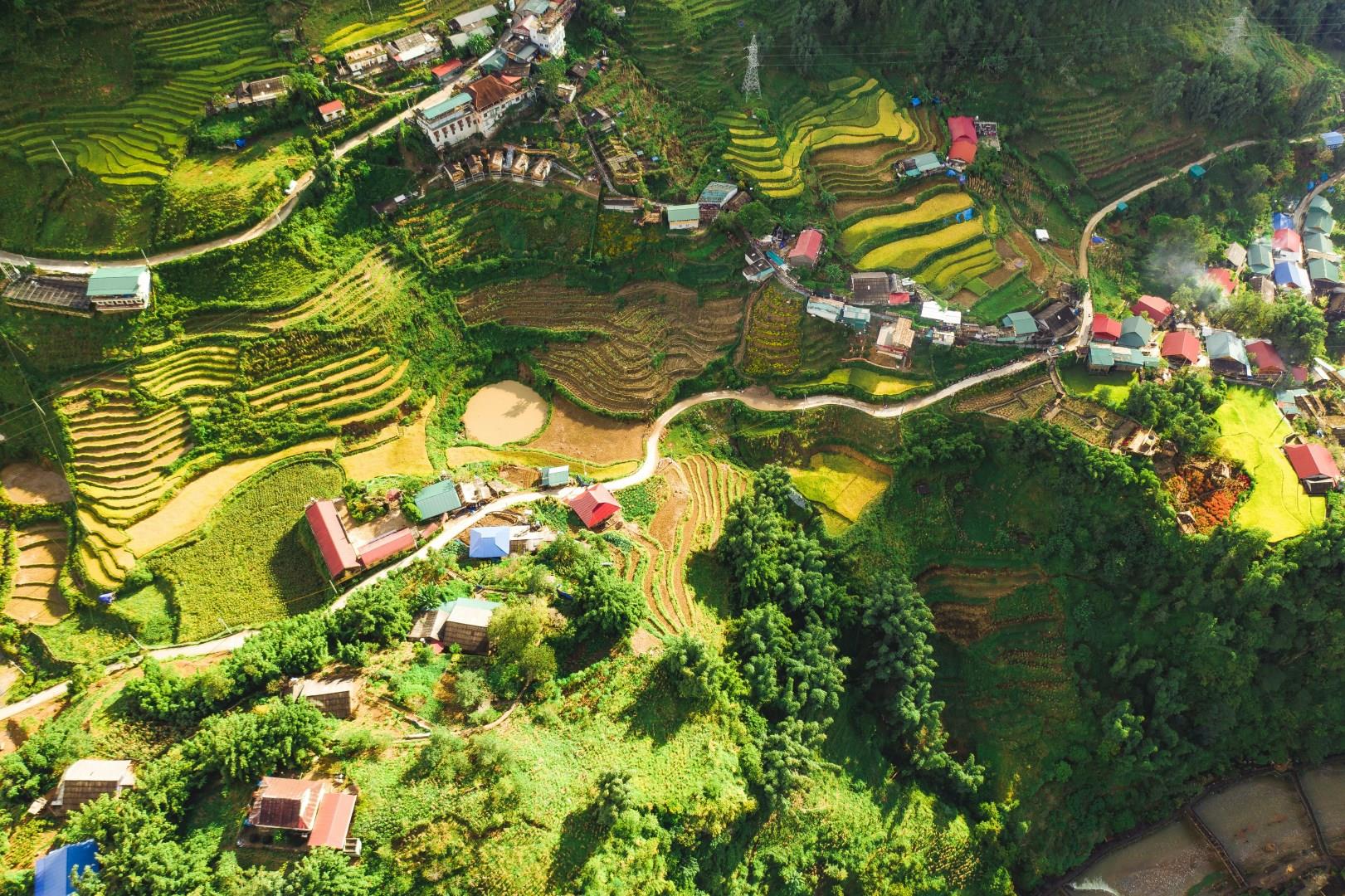
Sapa sits high in Vietnam’s northwest mountains, shaped by French colonial planning and long-standing settlement by Hmong, Dao, and other ethnic communities.
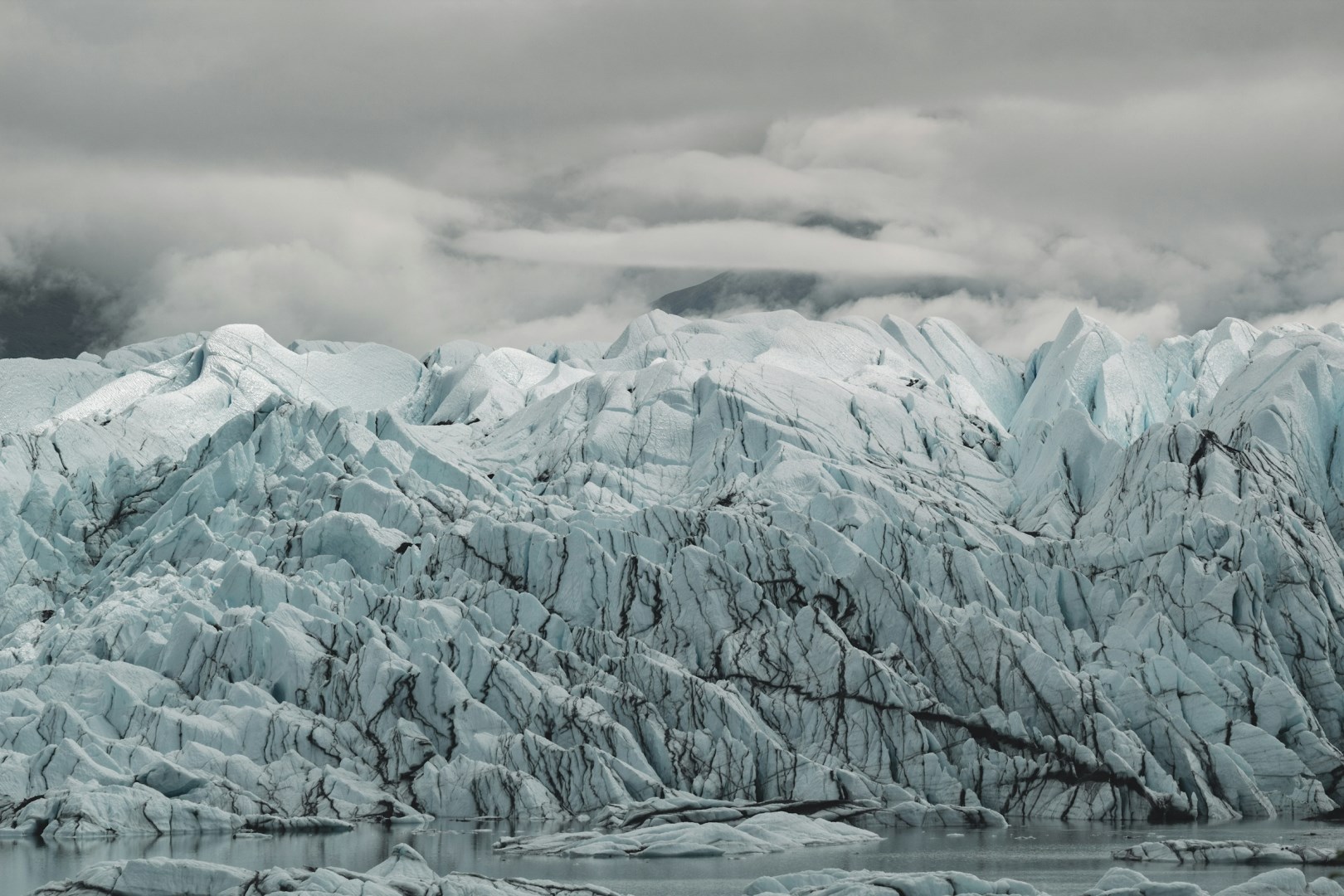
Matanuska Glacier is one of Alaska’s largest road-accessible glaciers, flowing through the Matanuska Valley northeast of Anchorage. The glacier stretches for roughly 27 miles and descends from the Chugach Mountains toward the valley floor, where its broad ice surface is bordered by steep mountain slopes and rocky terrain. The Glenn Highway follows the Matanuska River valley and provides access to viewpoints and guided glacier tours.