

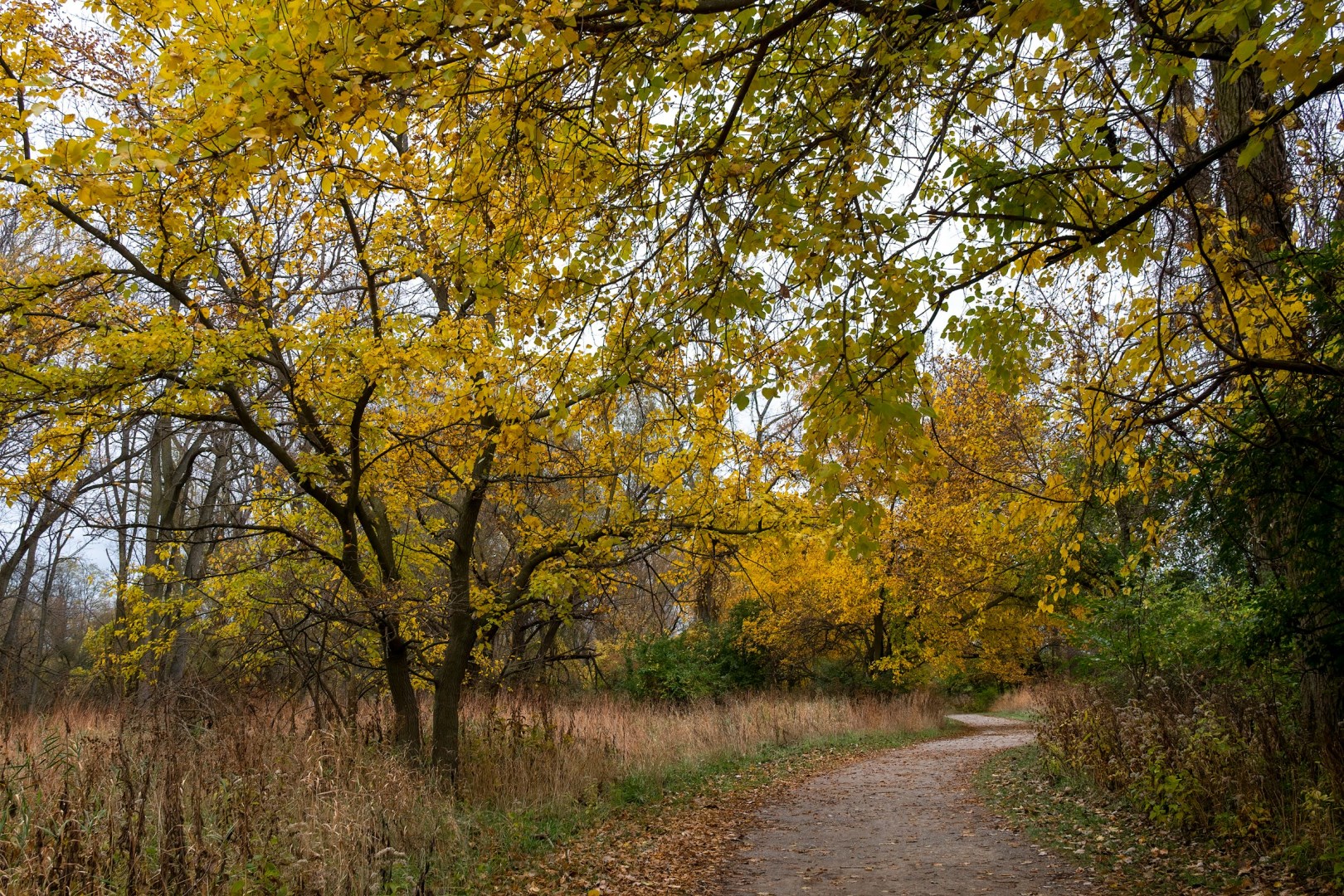




Maumee is a city in northwestern Ohio along the Maumee River, just southwest of Toledo. Its setting combines a historic riverfront with residential neighborhoods, parks, and access to the wider Lake Erie region. The Maumee River has shaped the city’s geography and development, while nearby Side Cut Metropark provides wooded trails, wetlands, fishing areas, and views of the river. Maumee also retains a compact historic district, where older commercial buildings and houses reflect its role as an early settlement and transportation center in the region.
Maumee’s local identity is strongly connected to the Maumee River and the communities that developed along its banks. The area has deep Indigenous history, particularly involving the Miami, Ottawa, Potawatomi, and Wyandot peoples. Fallen Timbers Battlefield, on the city’s western side, preserves a site associated with a major conflict in the region and is part of the National Park Service system. The Wolcott House Museum Complex provides another look at local history, with historic buildings and exhibits illustrating domestic and agricultural life in the Maumee Valley.
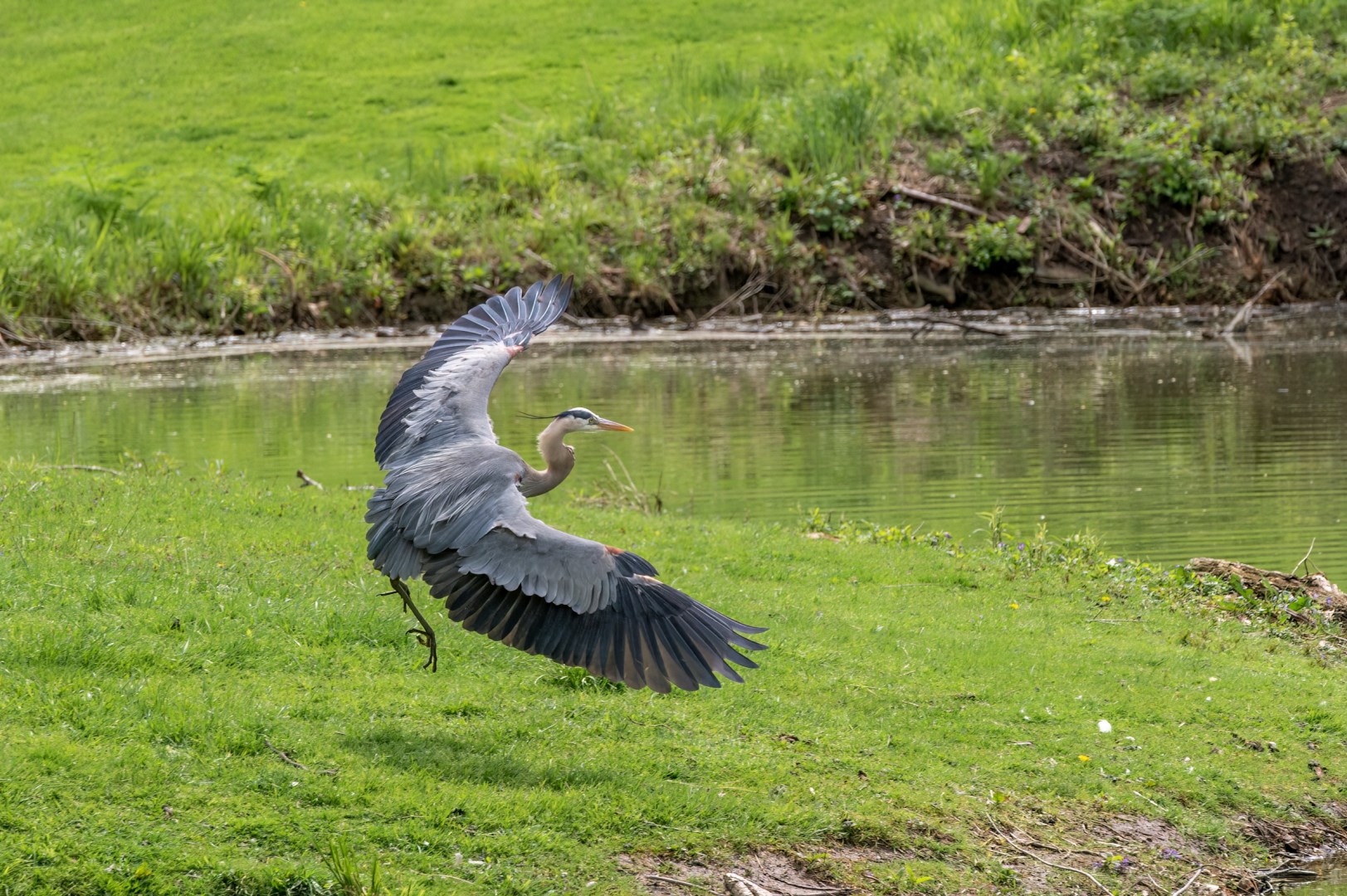
The Maumee River is central to recreation in the city, with Side Cut Metropark offering walking trails, picnic areas, fishing, and access to the river. The park also contains remnants of an early canal system, including the remains of locks built along the Miami and Erie Canal route. Fallen Timbers Battlefield and Fort Miamis National Historic Site preserves open ground and interpretive features connected with regional military history. Nearby Farnsworth Metropark adds wetlands, river views, and bird habitat, while the Maumee Indoor Theatre serves as a local cultural and entertainment venue.
Maumee’s food scene reflects northwestern Ohio’s mix of Midwestern staples and locally owned restaurants, with diners, bakeries, cafés, and restaurants clustered around the historic center and major commercial roads. The city also benefits from its proximity to farms in the Maumee Valley, where seasonal produce and locally made products are available. A distinctive detail is the importance of the river to both the city’s history and recreation: canals once connected the Maumee Valley with larger transportation networks, while the same waterways now provide settings for fishing, paddling, walking, and wildlife observation.
Other Popular Destinations in Ohio