



USA | Connecticut | New Haven

New Haven, city in New Haven County, southern Connecticut, a port on Long Island Sound, at the mouth of the Quinnipiac River. It is known as an educational center and is the seat of Yale University (1701), Albertus Magnus College (1925), and Southern Connecticut State College (1893); the University of New Haven (1920) is in nearby West Haven.
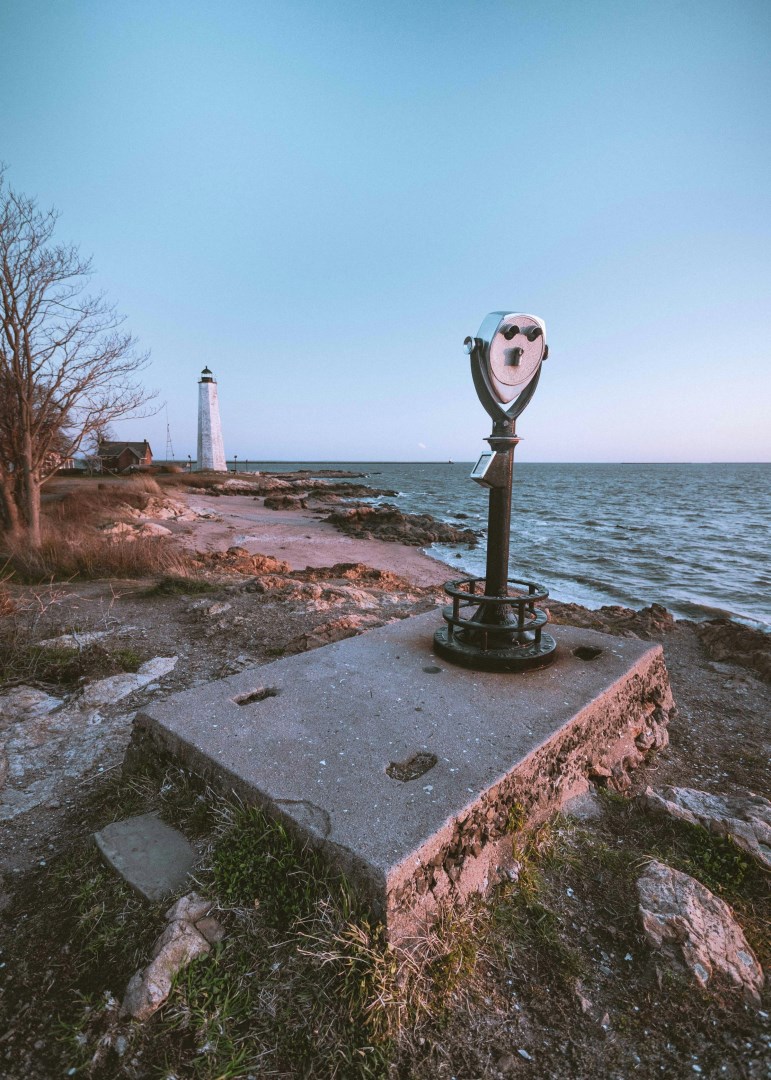
The United States Coast Guard headquarters for Long Island Sound is located in the city. New Haven has a variety of performing-arts facilities and museums, as well as an arts center. Nature and recreation areas are located at West and East Rocks, lofty red sandstone cliffs northeast of the city. New Haven's central green, which dates from the 17th century, is bordered by three early 19th-century churches. Also of interest are Grove Street Cemetery, which contains
the graves of lexicographer Noah Webster and the inventor Eli Whitney; a lighthouse; and Nathan Hale Park, which houses a restored fort from the American Revolution (1775-1783).
Other Popular Destinations in Connecticut

Washington is a small town in Litchfield County, Connecticut, set among wooded hills, lakes, and rural valleys in the northwestern part of the state. Its landscape includes farmland, stone walls, forest roads, and several reservoirs and ponds, with the Shepaug River flowing through the surrounding countryside.
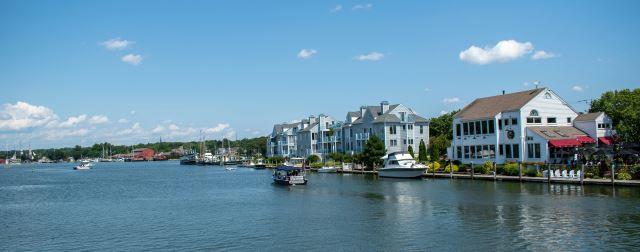
Mystic, Connecticut, is a small town with a big story, one shaped by shipbuilders, sea captains, and centuries of maritime tradition. Once a bustling shipbuilding center during the 18th and 19th centuries, Mystic still carries the soul of a working seaport. Today, visitors can explore its nautical past at the Mystic Seaport Museum, home to America’s last wooden whaleship, the *Charles W. Morgan*.
