




Heimaey, the largest island in Iceland’s Vestmannaeyjar archipelago, is a captivating destination renowned for its dramatic landscapes and volcanic history. A visit to Heimaey offers a unique blend of natural beauty and cultural heritage. The island is famous for its stunning Volcanic Landscape, particularly the aftermath of the 1973 eruption of Eldfell, which dramatically reshaped the island and had a significant impact on its residents (Iceland Travel). The Eldheimar Museum, housed in a former fish factory, provides a fascinating look into the eruption’s effects and the subsequent volcanic excavation.
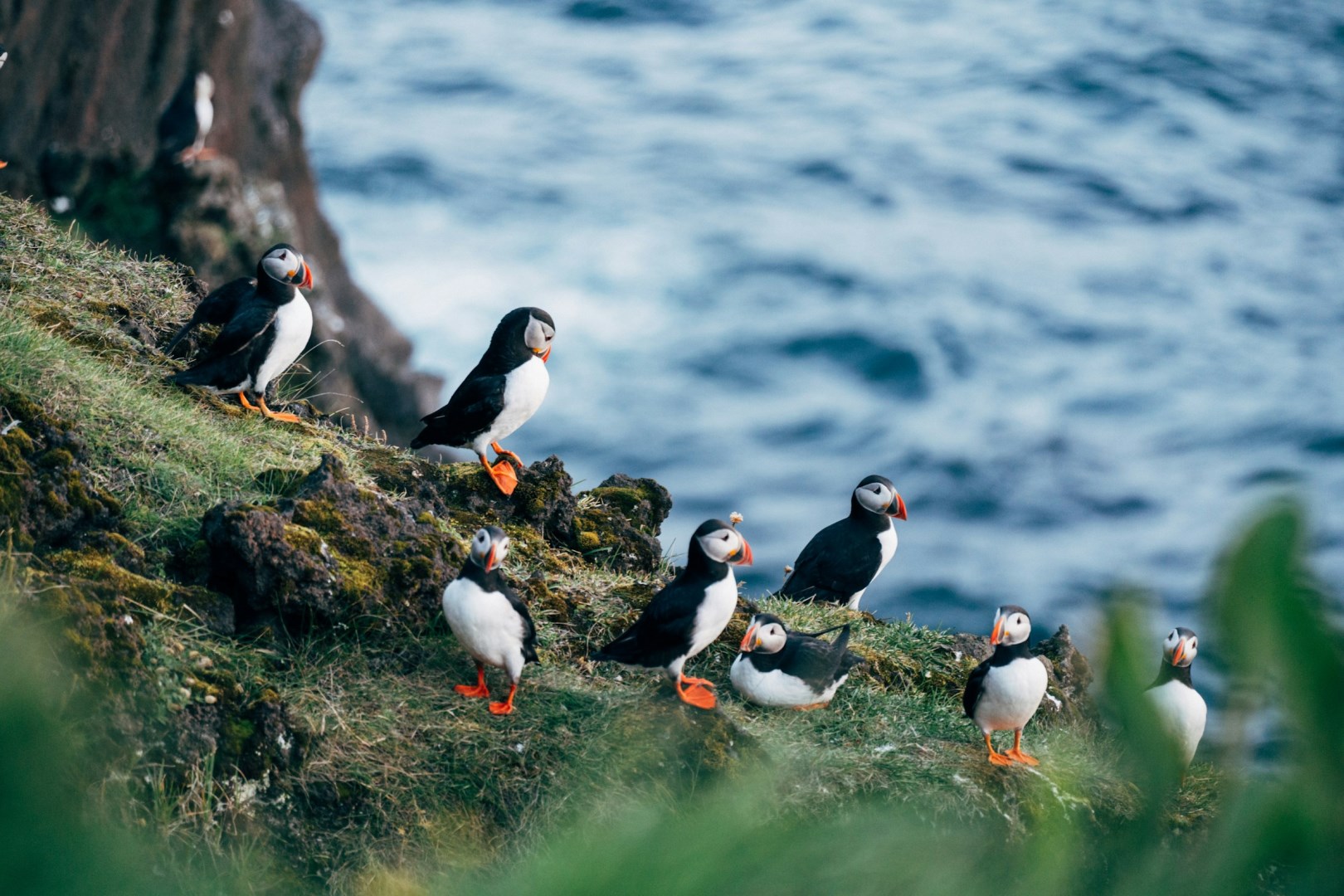
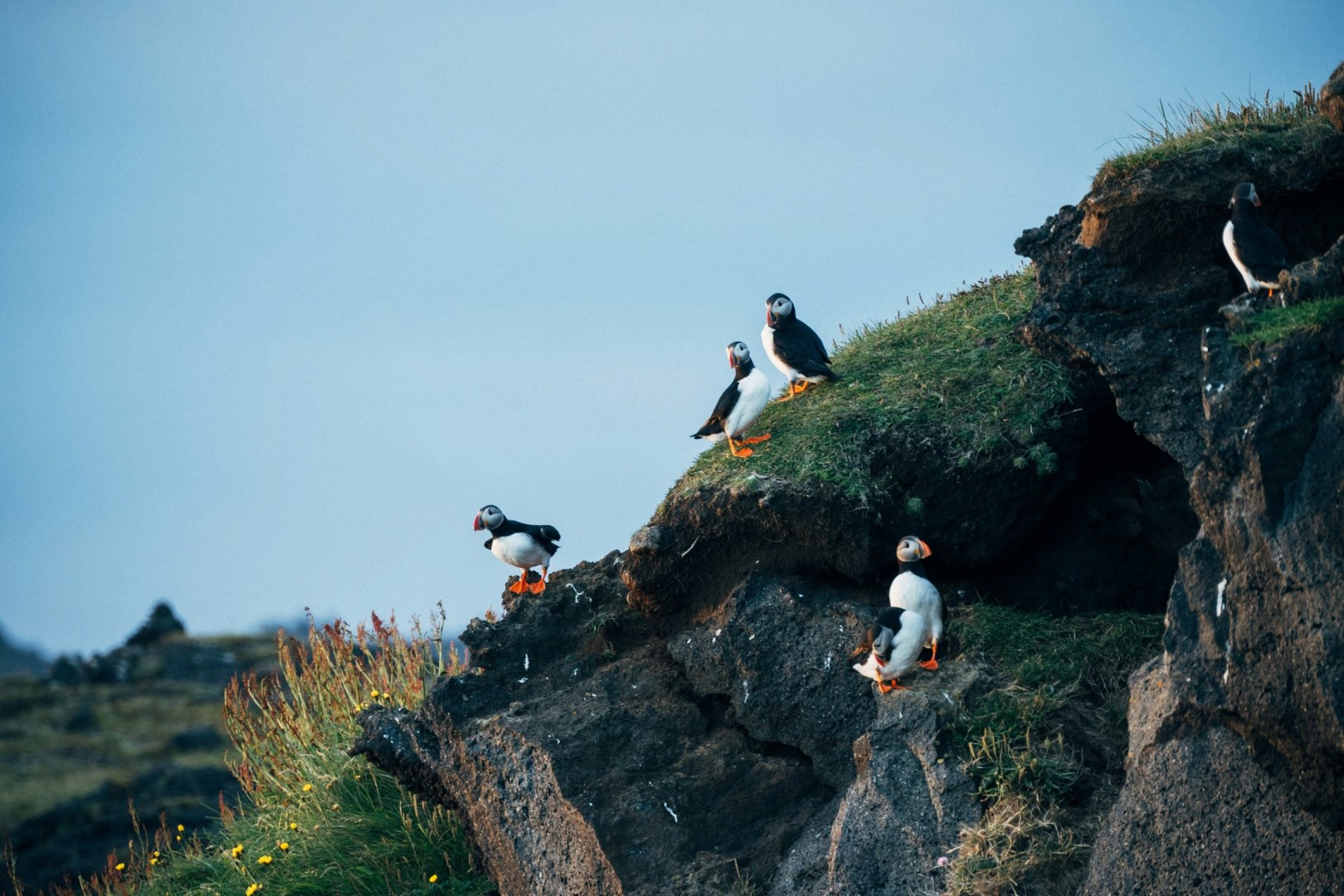
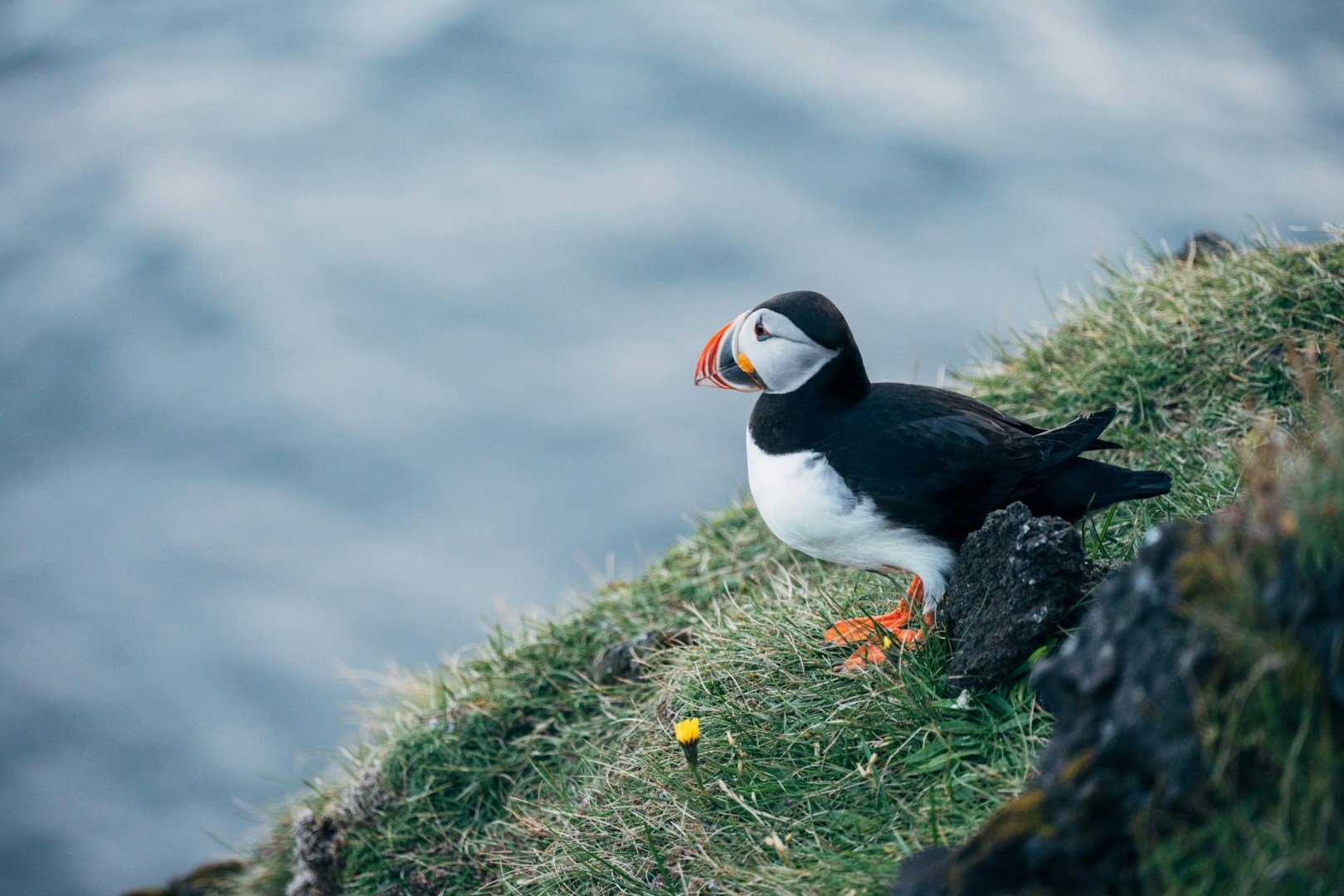
Nature enthusiasts will be enchanted by Heimaey’s rich birdlife, especially during the puffin nesting season. The island is one of the best places in Iceland to observe Atlantic Puffins, which flock to the cliffs from April to August (Icelandic Tourist Board). For a panoramic view of the island, hike up to Stórhöfði, one of Europe’s windiest places, which offers sweeping vistas of the volcanic terrain and the surrounding ocean.
Heimaey also boasts a charming town center with colorful houses and a vibrant local culture. The Westman Islands Museum provides insight into the local history and culture, including exhibits on the island's fishing heritage and the 1973 volcanic eruption (Westman Islands Museum). For a more relaxed experience, visit Skansinn, a historic fort that offers a glimpse into the island’s past and provides a picturesque spot for enjoying the sea views.
Fun Fact: Heimaey is home to the only golf course in Iceland that operates during the winter, thanks to the island's mild microclimate compared to the mainland. This makes it an attractive destination year-round for visitors looking to experience Iceland's unique natural environment.
From volcanic landscapes and puffin watching to rich cultural experiences, Heimaey offers an unforgettable glimpse into Iceland’s diverse and rugged beauty.
Nature enthusiasts will be enchanted by Heimaey’s rich birdlife, especially during the puffin nesting season. The island is one of the best places in Iceland to observe Atlantic Puffins, which flock to the cliffs from April to August (Icelandic Tourist Board). For a panoramic view of the island, hike up to Stórhöfði, one of Europe’s windiest places, which offers sweeping vistas of the volcanic terrain and the surrounding ocean.
Heimaey also boasts a charming town center with colorful houses and a vibrant local culture. The Westman Islands Museum provides insight into the local history and culture, including exhibits on the island's fishing heritage and the 1973 volcanic eruption (Westman Islands Museum). For a more relaxed experience, visit Skansinn, a historic fort that offers a glimpse into the island’s past and provides a picturesque spot for enjoying the sea views.
Fun Fact: Heimaey is home to the only golf course in Iceland that operates during the winter, thanks to the island's mild microclimate compared to the mainland. This makes it an attractive destination year-round for visitors looking to experience Iceland's unique natural environment.
From volcanic landscapes and puffin watching to rich cultural experiences, Heimaey offers an unforgettable glimpse into Iceland’s diverse and rugged beauty.
Other Popular Destinations in Iceland

On coastal Iceland, the globe's northernmost capital, Reykjavík, invites visitors to discover its unique charms. Iceland is rife with natural wonders: geysers, geothermic spas, waterfalls and the spectacular Northern Lights. Reykjavik, dating back to 870 AD, offers world-class museums, restaurants, shopping and nightlife.
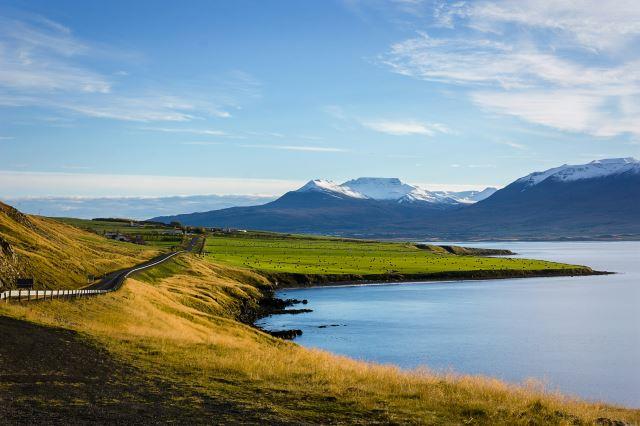
Akureyri, often referred to as the capital of North Iceland, offers travelers a distinct experience shaped by its Arctic location and rich local culture. Nestled at the base of Eyjafjörður fjord, the town has served as a trading center since the 1600s and continues to thrive with a mix of fishing, arts, and tourism. Within a few hours’ drive, visitors can reach the geothermal fields of Hverir, the volcanic craters at Lake Mývatn, and the powerful Goðafoss waterfall.
