

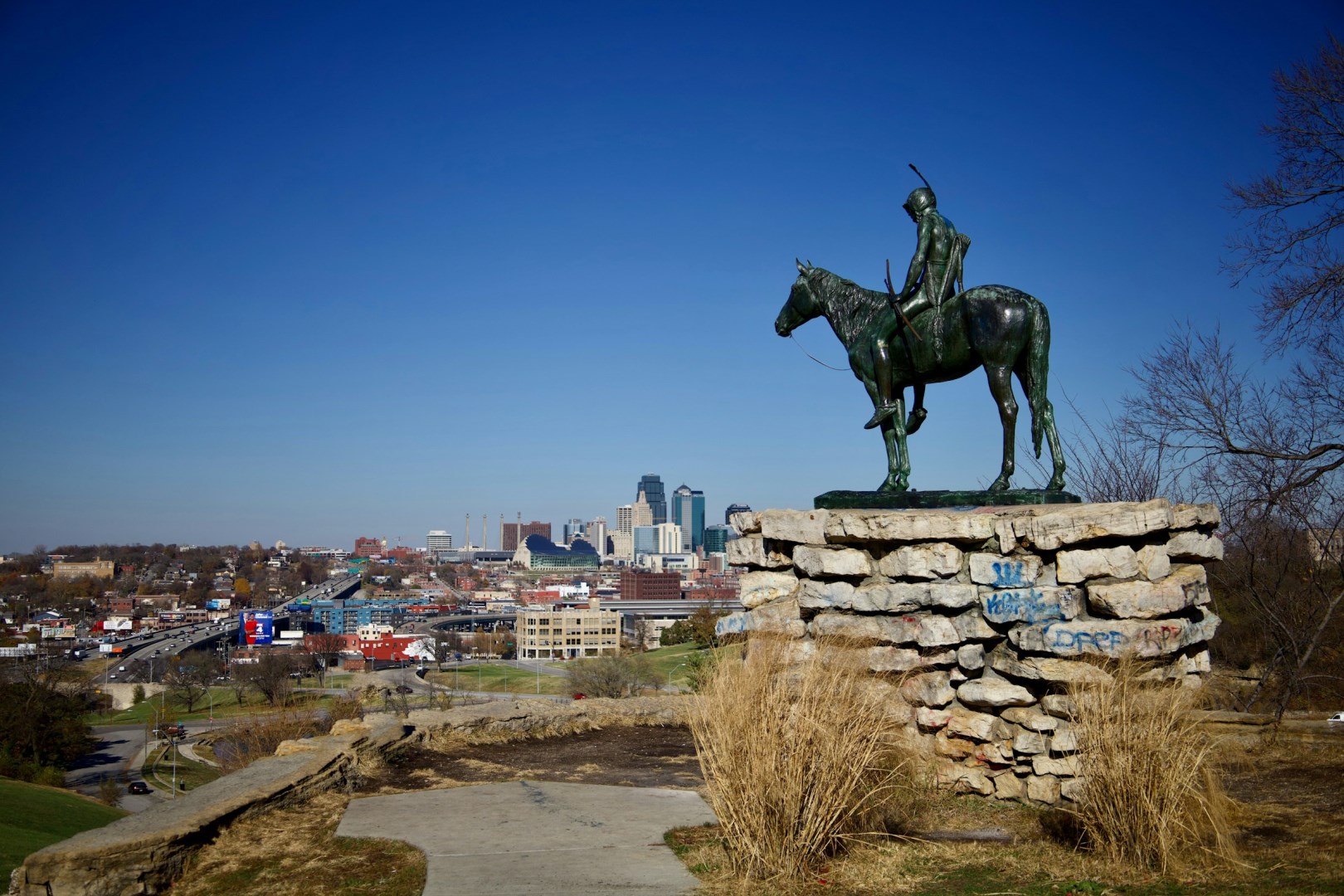



Kansas City is a major city in western Missouri, located where the Missouri and Kansas rivers meet near the Kansas state line. Its landscape includes rolling hills, broad river valleys, wooded parks, and a network of distinctive neighborhoods. The city developed as a transportation and commercial center, with railroads, livestock markets, manufacturing, and river trade shaping its growth. Today, Kansas City is known for its fountains, boulevards, jazz heritage, museums, professional sports, and barbecue. Its broad geographic spread gives different districts their own character, from the historic Country Club Plaza to the revitalized Crossroads Arts District.
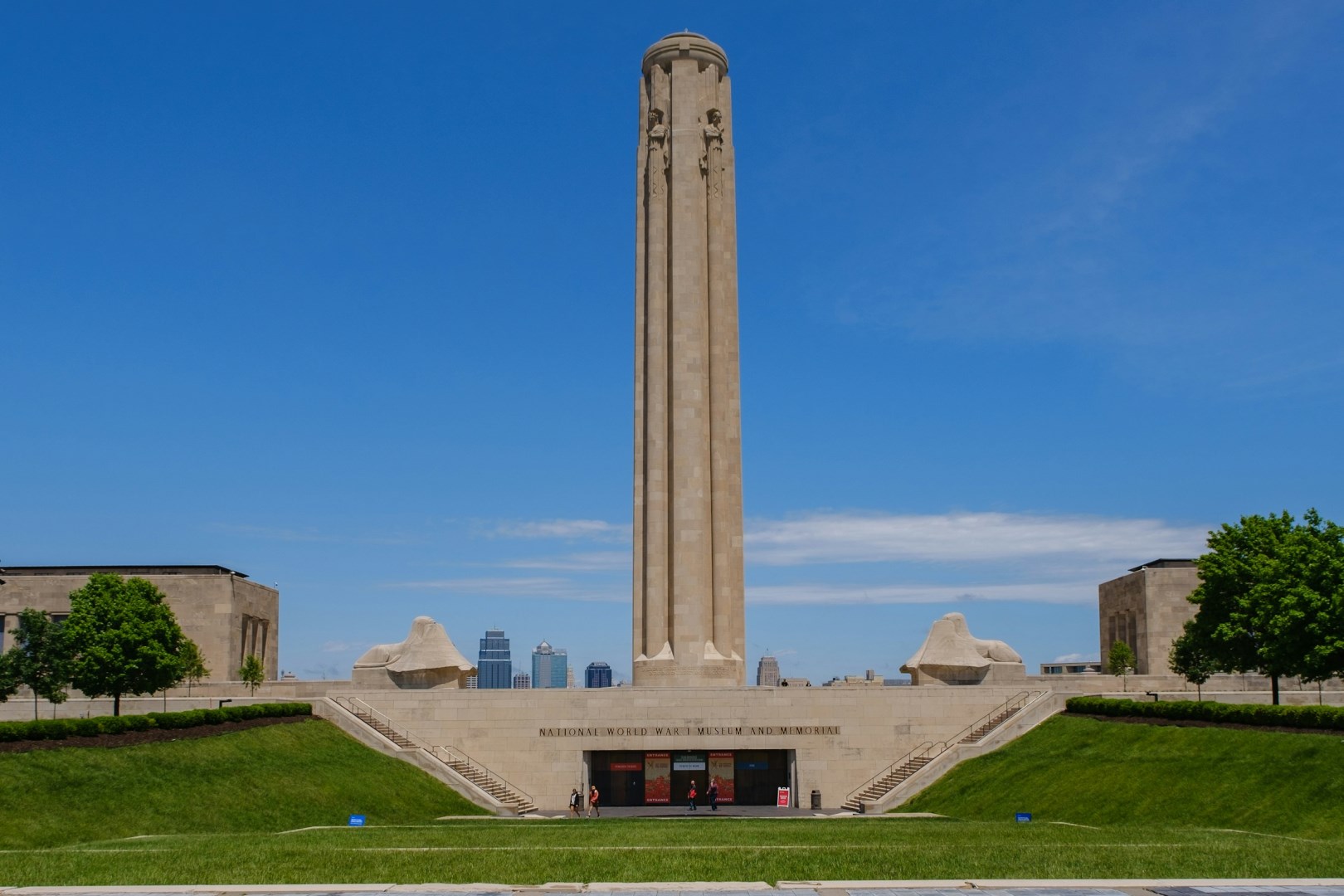
Kansas City’s cultural identity reflects Indigenous, African American, European American, and immigrant communities. The 18th & Vine Historic District is particularly important to African American history and the city’s jazz tradition, with the Negro Leagues Baseball Museum and American Jazz Museum located there. The National WWI Museum and Memorial explores the history and global impact of the First World War, while the Nelson-Atkins Museum of Art contains collections spanning many cultures and periods. Kansas City is also known for its extensive boulevard and park system, much of which was shaped by landscape planner George Kessler and remains an important part of the city’s physical identity.
Kansas City offers a wide range of attractions connected by its distinctive neighborhoods and parkways. The Country Club Plaza is known for its Spanish-influenced architecture, fountains, shops, and restaurants, while the Kansas City Zoo & Aquarium occupies a large area within Swope Park. The Missouri River provides a northern edge to the city, and Kaw Point Park marks the meeting of the Missouri and Kansas rivers. Union Station remains a major architectural landmark and houses exhibits and public events. The Kauffman Center for the Performing Arts, Arrowhead Stadium, and the Truman Sports Complex add cultural and sporting destinations to the city’s attractions.
Barbecue is central to Kansas City’s food culture, with smoked brisket, ribs, burnt ends, pulled pork, and sausage commonly served with a thick tomato-based sauce. The city’s culinary traditions also include steak, fried chicken, and foods influenced by Mexican, Vietnamese, Ethiopian, and other immigrant communities. Kansas City’s jazz heritage remains visible in clubs and festivals, while the city’s fountains are another distinctive feature, with hundreds located throughout public spaces and private developments. The combination of barbecue, jazz, fountains, broad boulevards, and a large network of distinct neighborhoods gives Kansas City a cultural identity that is closely tied to both Missouri and the wider central United States.
Learn More About Kansas City


Other Popular Destinations in Missouri