
Russia & Northwest Asia | Kazakhstan | Almaty
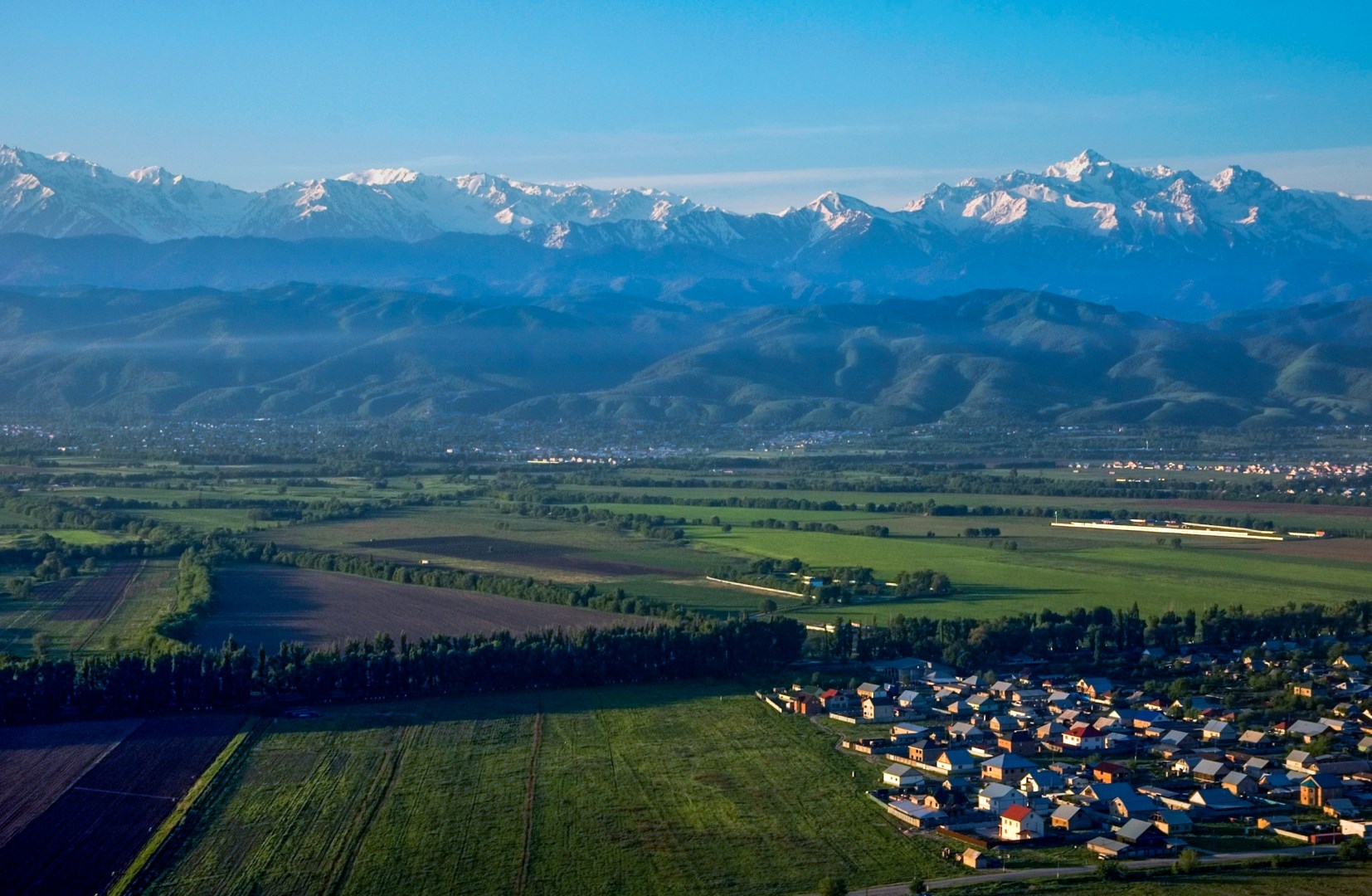



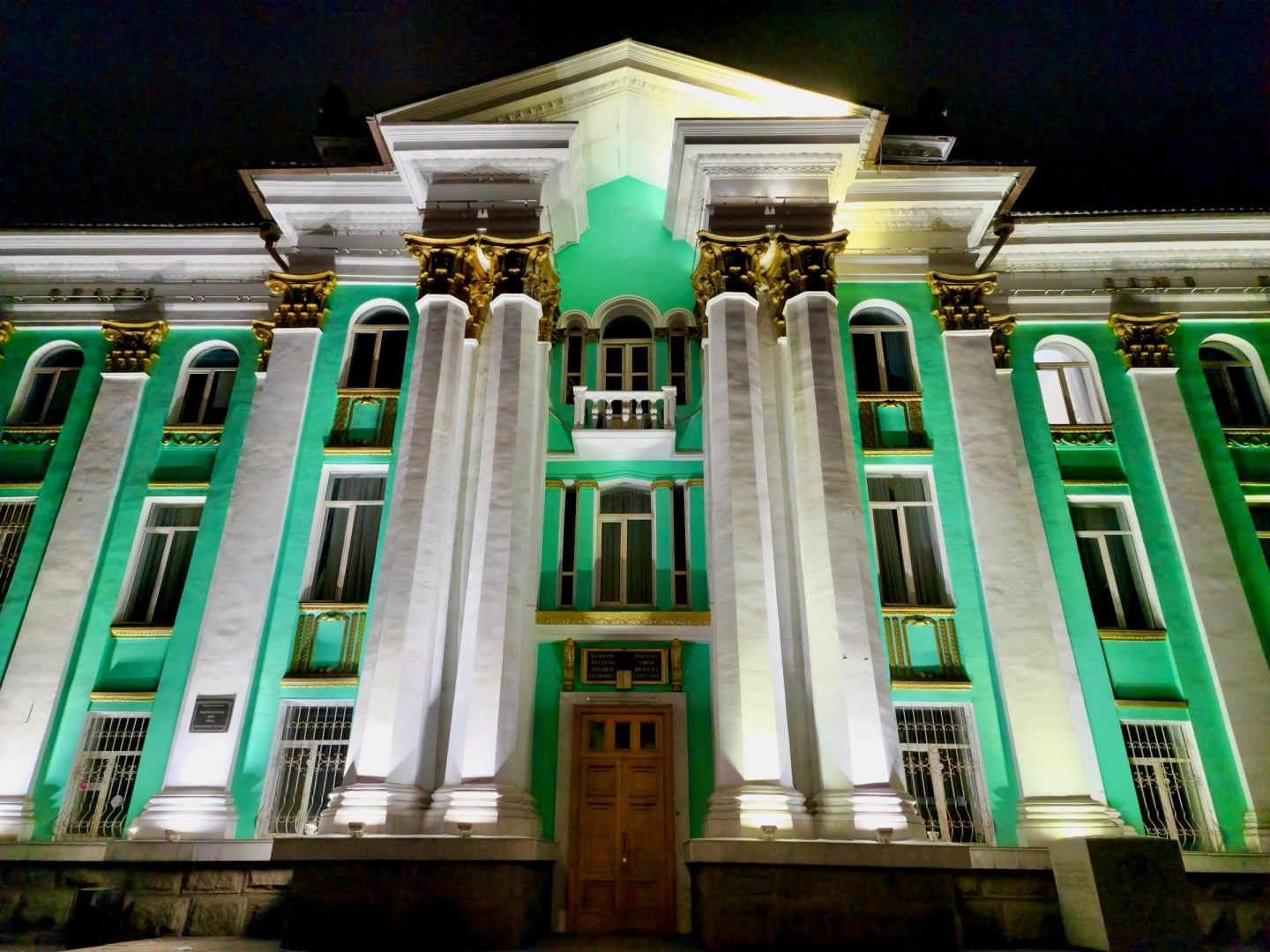

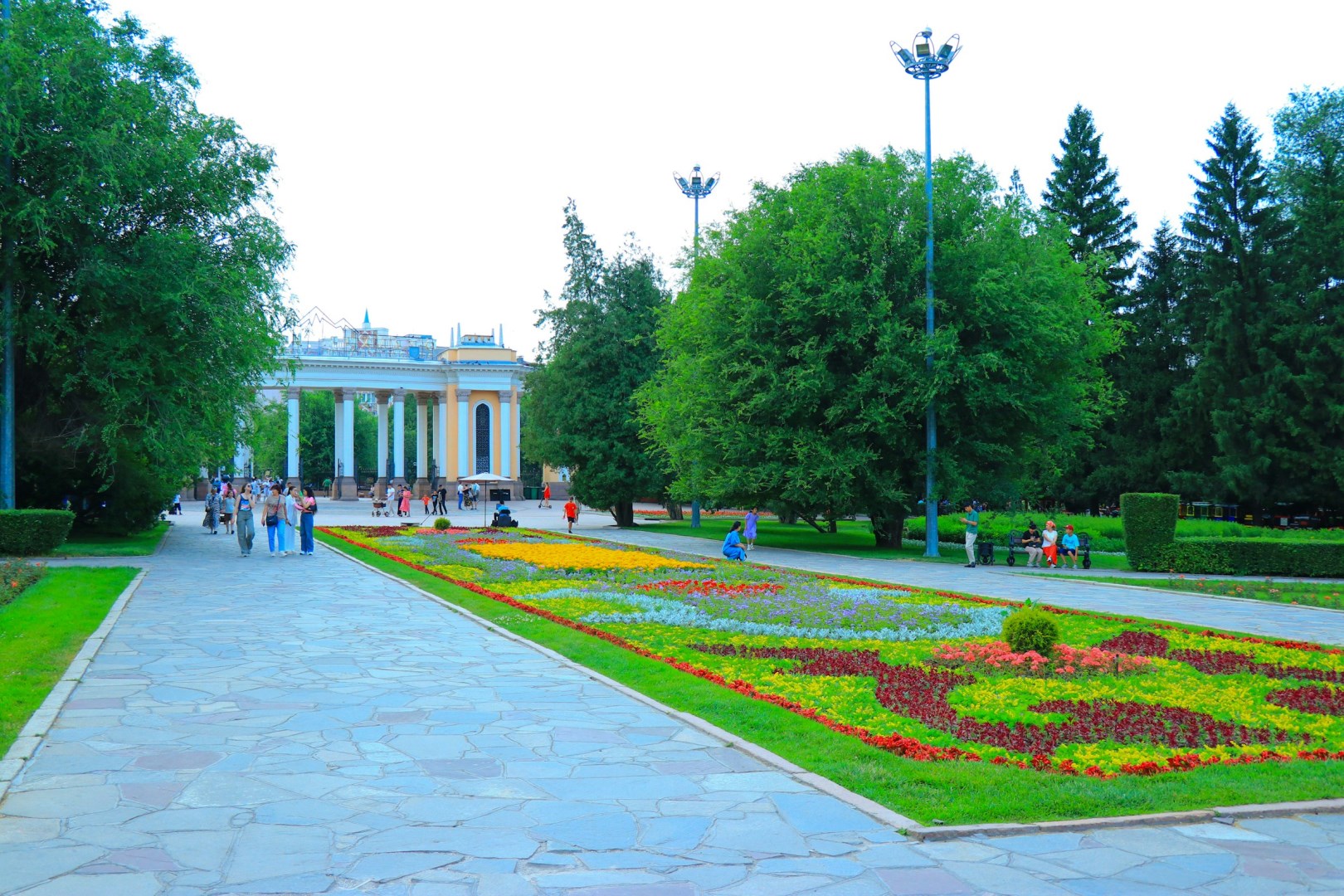

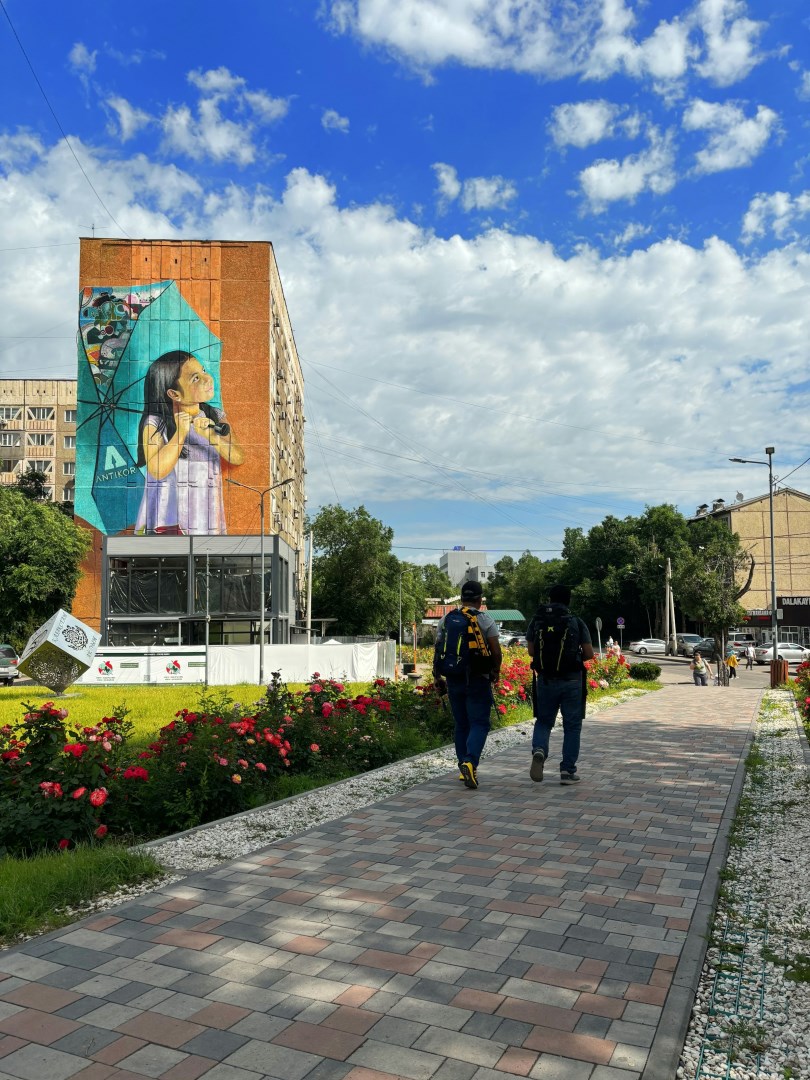

Almaty is Kazakhstan's largest city and a major cultural and economic center in the southeast of the country. It lies at the foot of the Trans-Ili Alatau, where the broad urban area gives way to forested mountain slopes and alpine terrain. Tree-lined streets, parks, historic neighborhoods, modern buildings, and mountain views define much of the cityscape. Almaty is also known for its orchards and agricultural surroundings, reflected in the city's name, which is associated with apples. Its location makes it possible to move from a busy urban center into mountain landscapes within a relatively short distance.
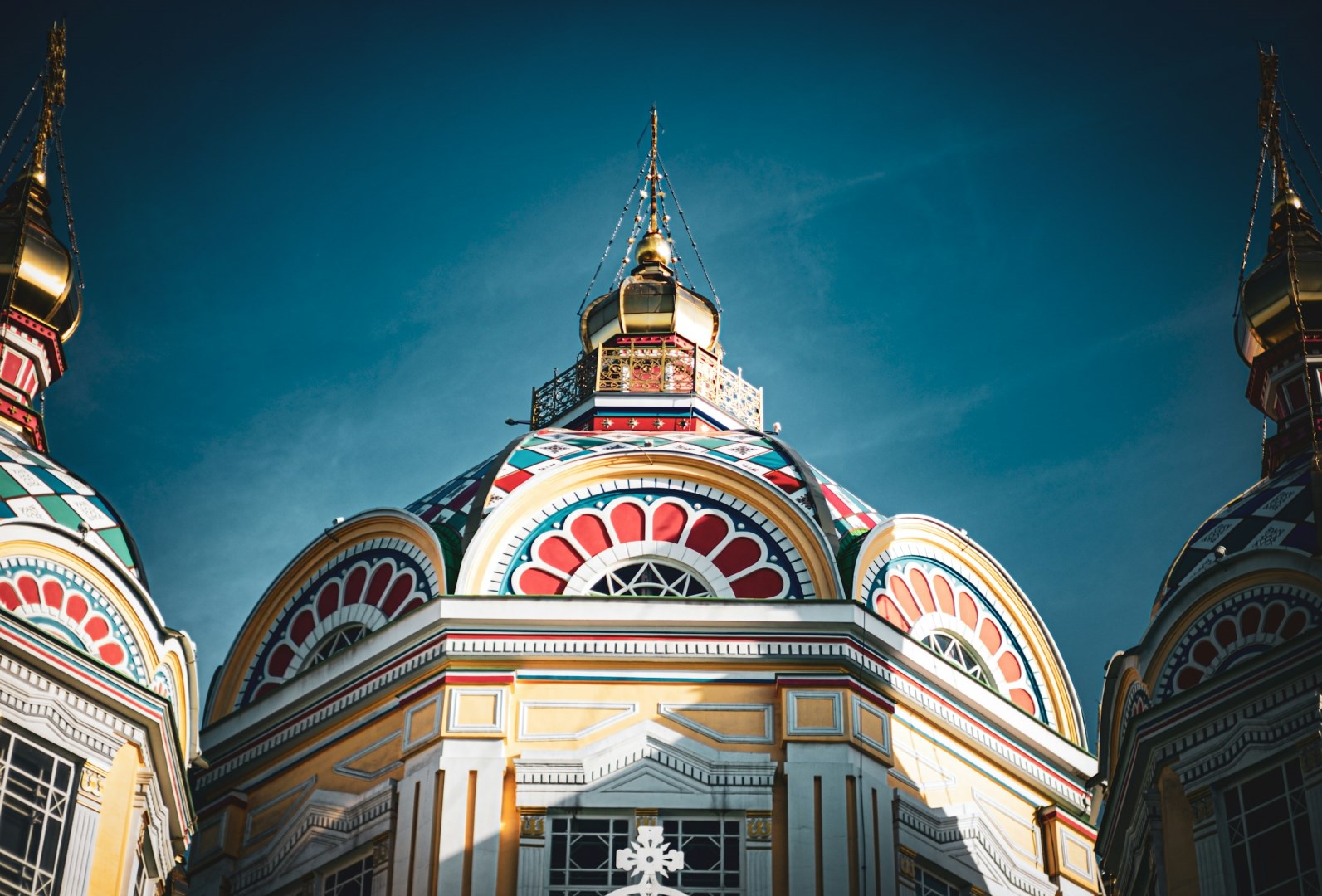
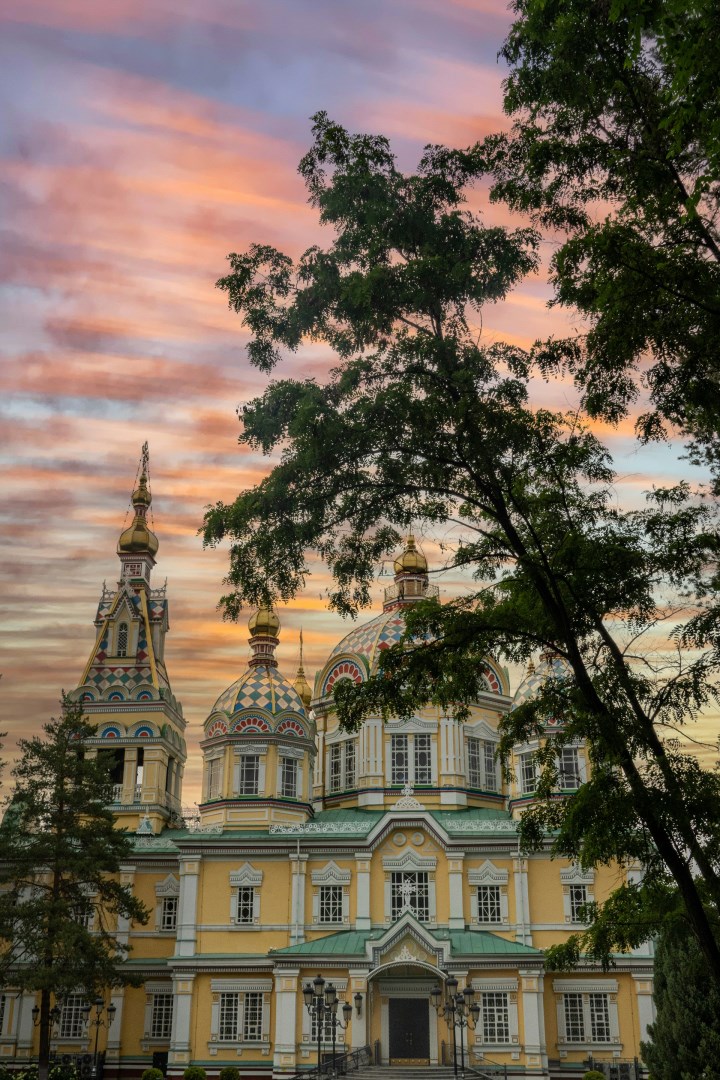
Almaty's cultural identity reflects the traditions of the Kazakh people alongside influences from Russian, Uyghur, Korean, and other communities that have settled in the region. Panfilov Park contains the colorful Zenkov Cathedral, while the nearby Museum of Folk Musical Instruments presents traditional Kazakh instruments and musical heritage. The Central State Museum of Kazakhstan provides a broader introduction to the country's archaeology, history, and cultural traditions. Almaty is also an important center for contemporary arts, theaters, galleries, and music. Traditional Kazakh customs, including hospitality and communal meals, remain visible alongside the city's modern cultural institutions.
The mountains south of Almaty provide some of the region's most notable natural attractions. Medeu is a high-altitude sports complex set in a mountain valley, while Shymbulak Ski Resort extends higher into the Trans-Ili Alatau and provides access to hiking and mountain terrain. Big Almaty Lake is a turquoise alpine lake surrounded by steep peaks within a protected natural area outside the city. Kok-Tobe, a hill overlooking Almaty, offers broad views across the city toward the mountains. Within the urban area, Panfilov Park, the Botanical Garden, and First President's Park provide large green spaces.
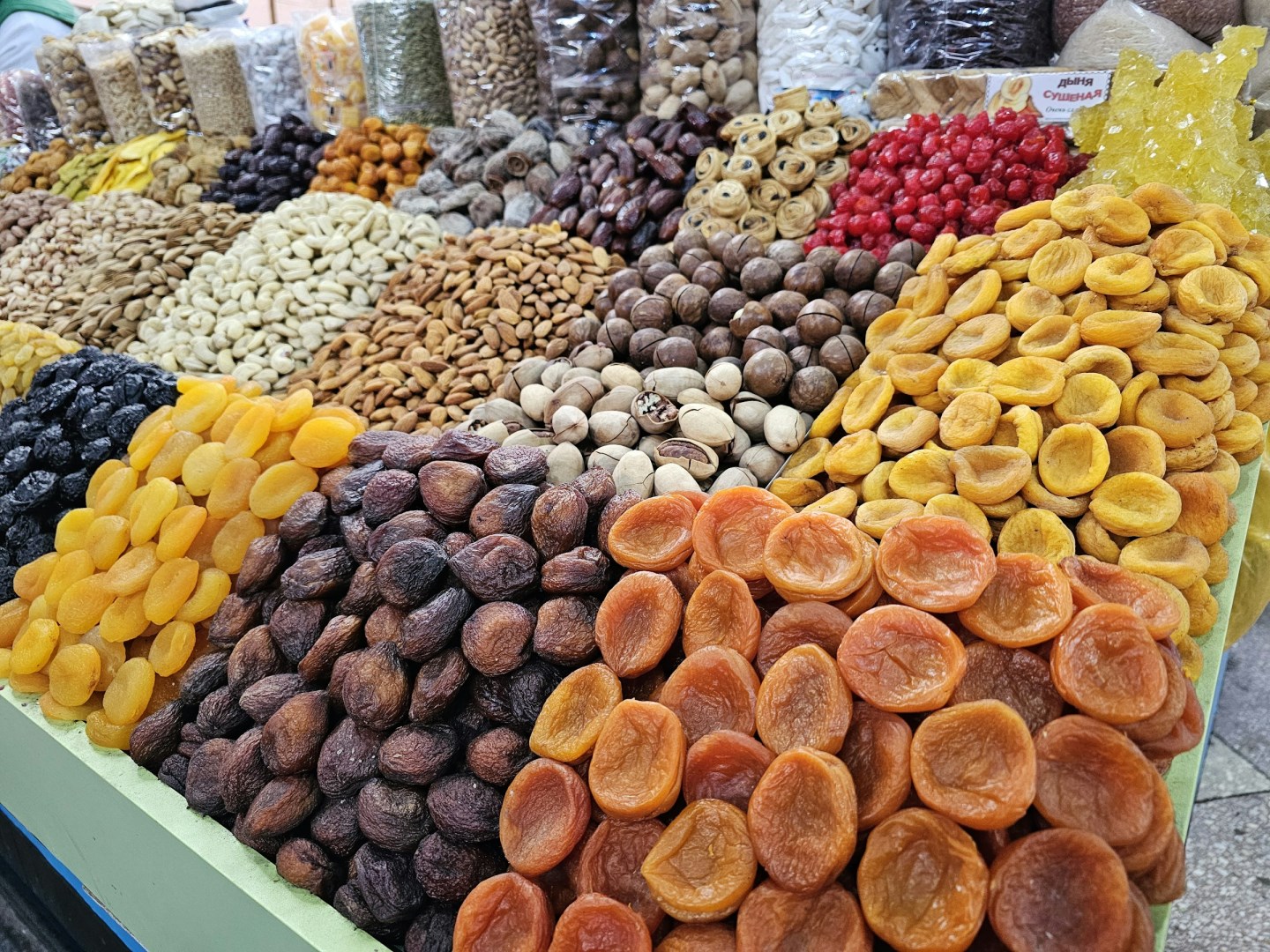
Almaty's food culture brings together Kazakh dishes and the cuisines of the city's diverse communities. Beshbarmak, traditionally prepared with boiled meat and flat noodles, is one of Kazakhstan's best-known national dishes, while horse-meat products such as kazy are also important in Kazakh cuisine. Uyghur dishes, including lagman and various types of dumplings and noodles, are widely represented in Almaty's restaurants. The city is also associated with apples, particularly the wild apple species Malus sieversii found in the mountains around southeastern Kazakhstan. This connection to apple cultivation is reflected in local markets, gardens, and the city's cultural identity.
Other Popular Destinations in Kazakhstan