


Russia & Northwest Asia | Kazakhstan | Turkistan
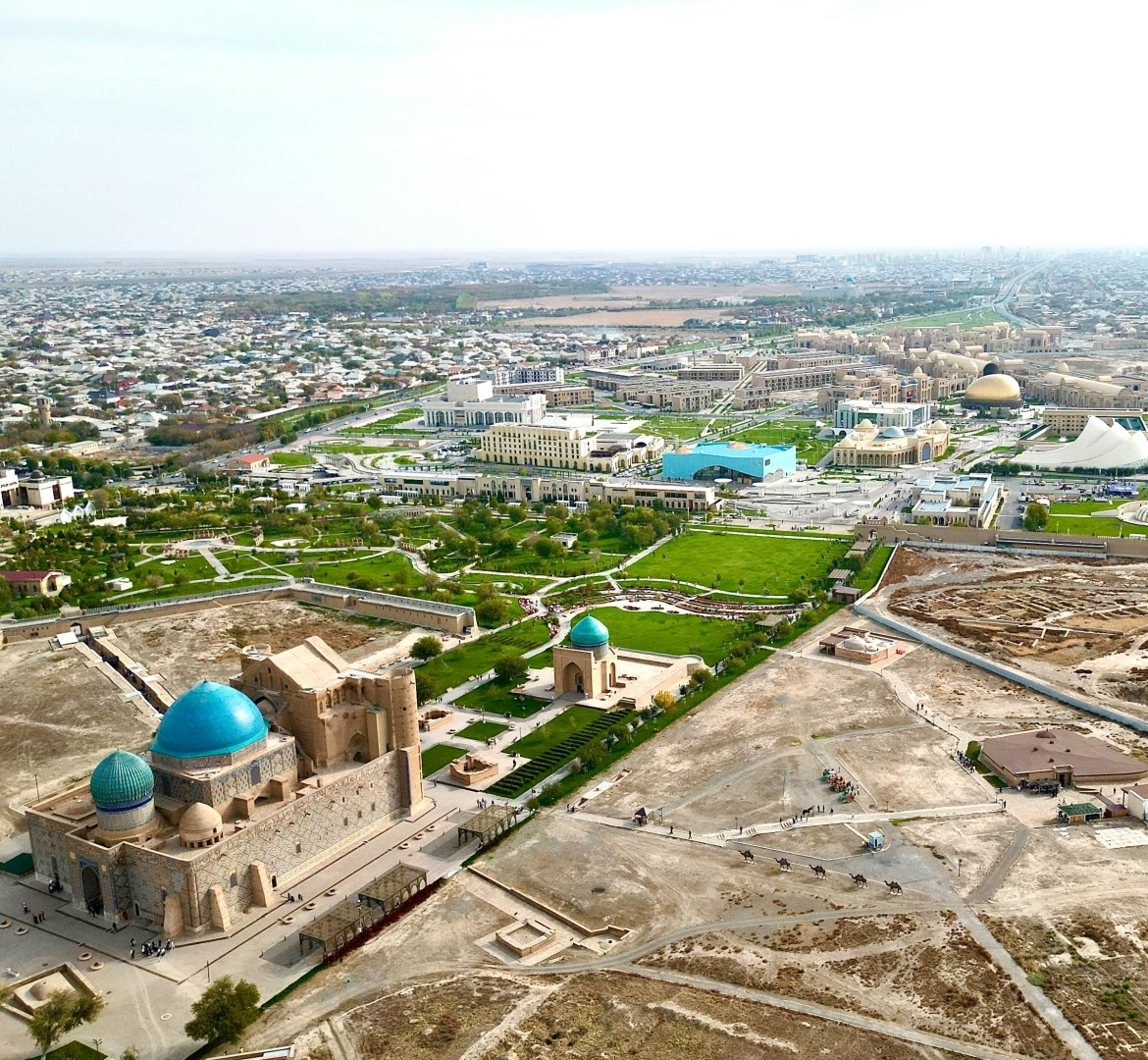
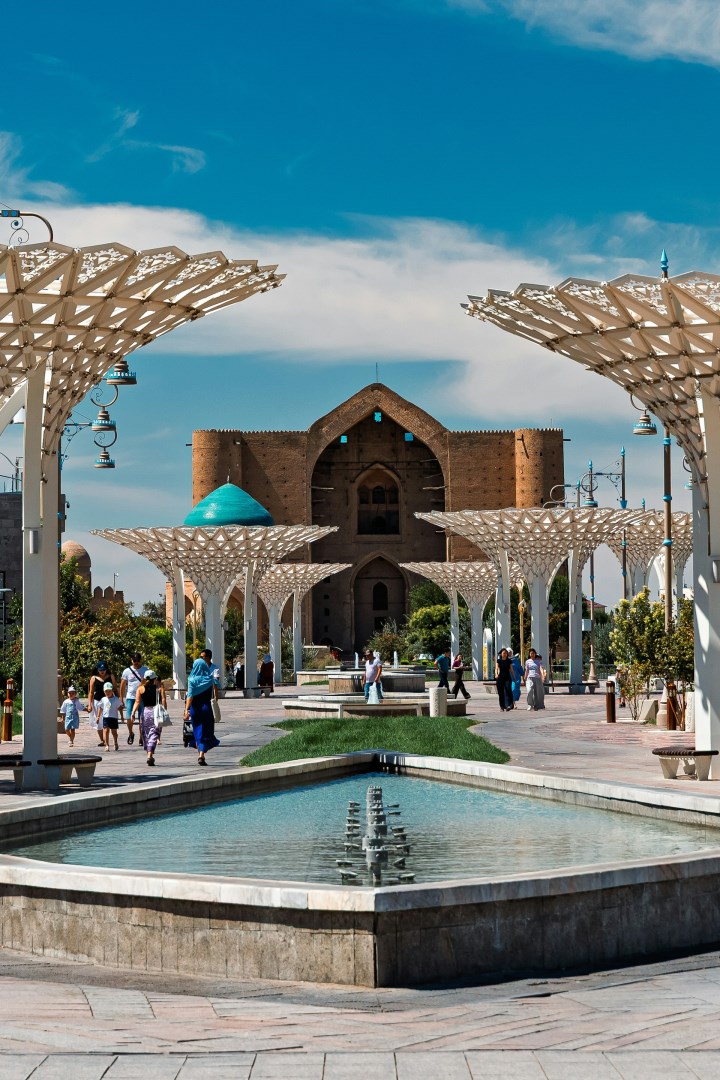
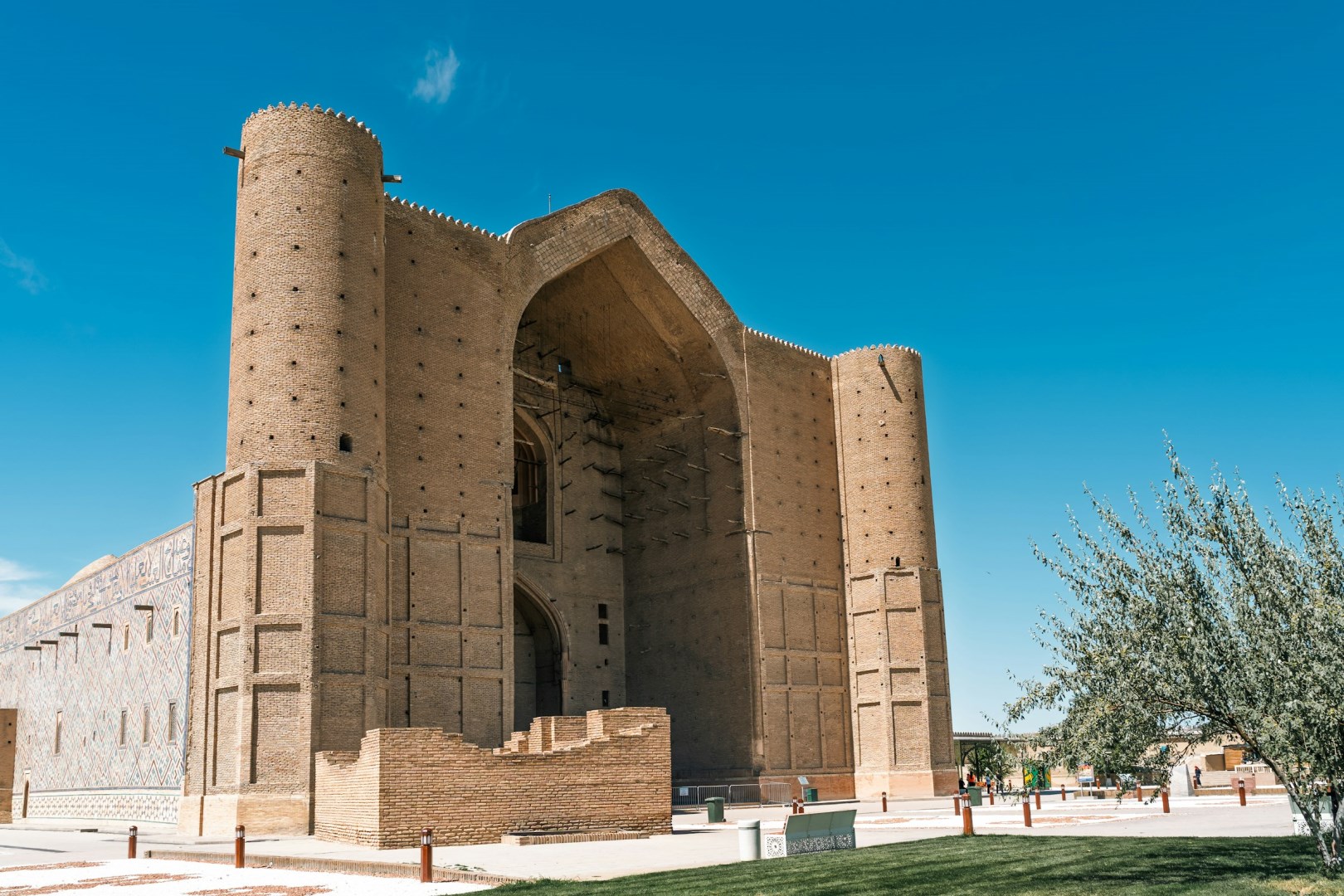
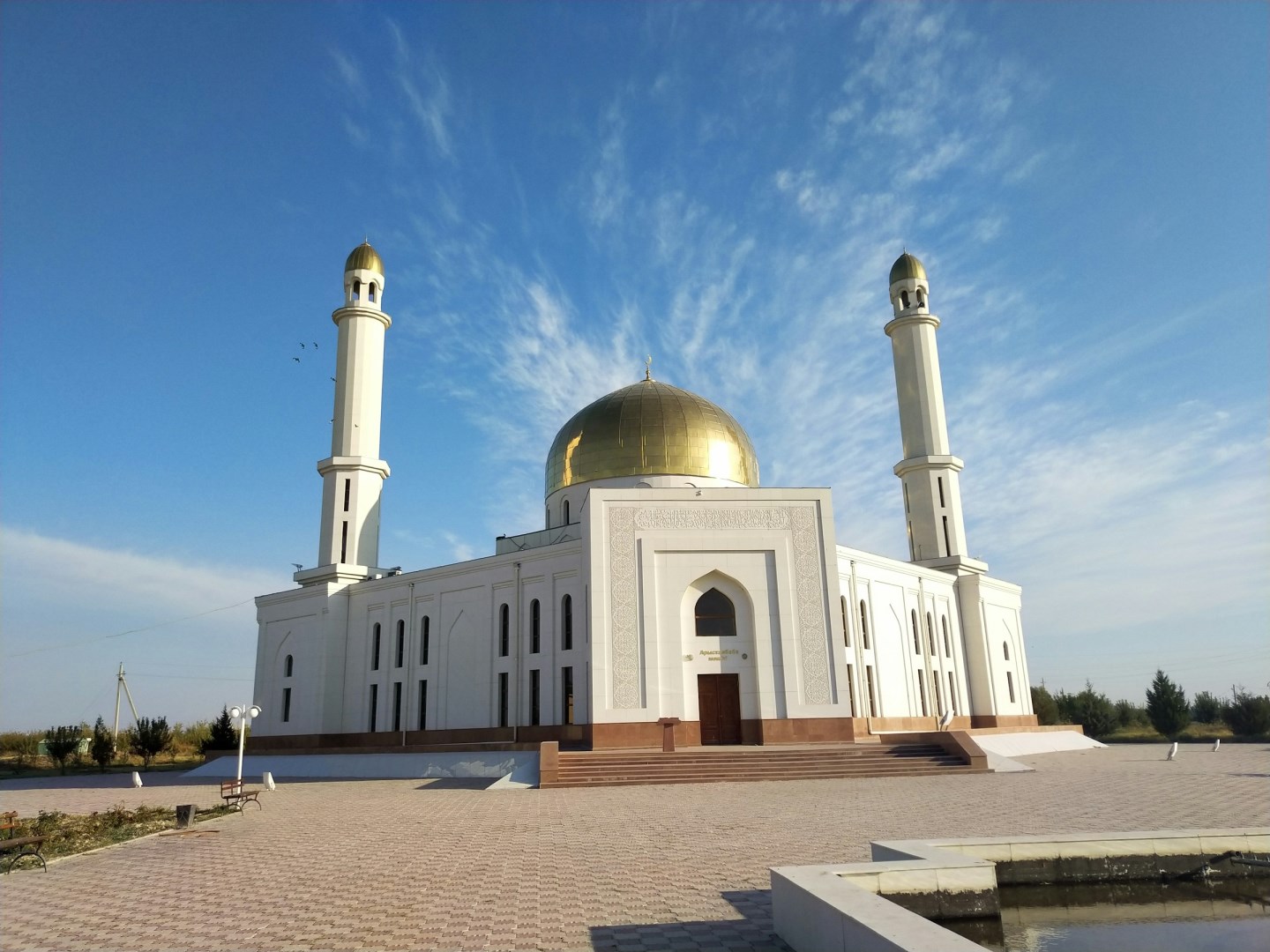
Turkistan is a historic city in southern Kazakhstan and an important center of Islamic culture in Central Asia. Located in the Turkistan Region, the city developed around an oasis landscape between the Syr Darya River and the Karatau Mountains. Its best-known landmark is the Mausoleum of Khoja Ahmed Yasawi, a monumental Timurid-era building and UNESCO World Heritage site. Turkistan combines archaeological remains, pilgrimage sites, museums, parks, and modern public spaces. The city is also an important destination for understanding Kazakhstan's Turkic heritage and the religious traditions that developed along the historic routes of Central Asia.
Turkistan is closely associated with Khoja Ahmed Yasawi, a revered Sufi poet and spiritual teacher whose influence spread widely across the Turkic world. His mausoleum became an important pilgrimage destination and remains the centerpiece of the city's religious heritage. The historic complex includes the mausoleum, mosque spaces, a medieval bathhouse, and other structures connected with pilgrimage and religious life. The city also contains the Mausoleum of Rabigi Sultan Begim and the remains of the ancient settlement of Yasi, the historic name associated with Turkistan. Museums and cultural centers present Kazakh and wider Turkic traditions.
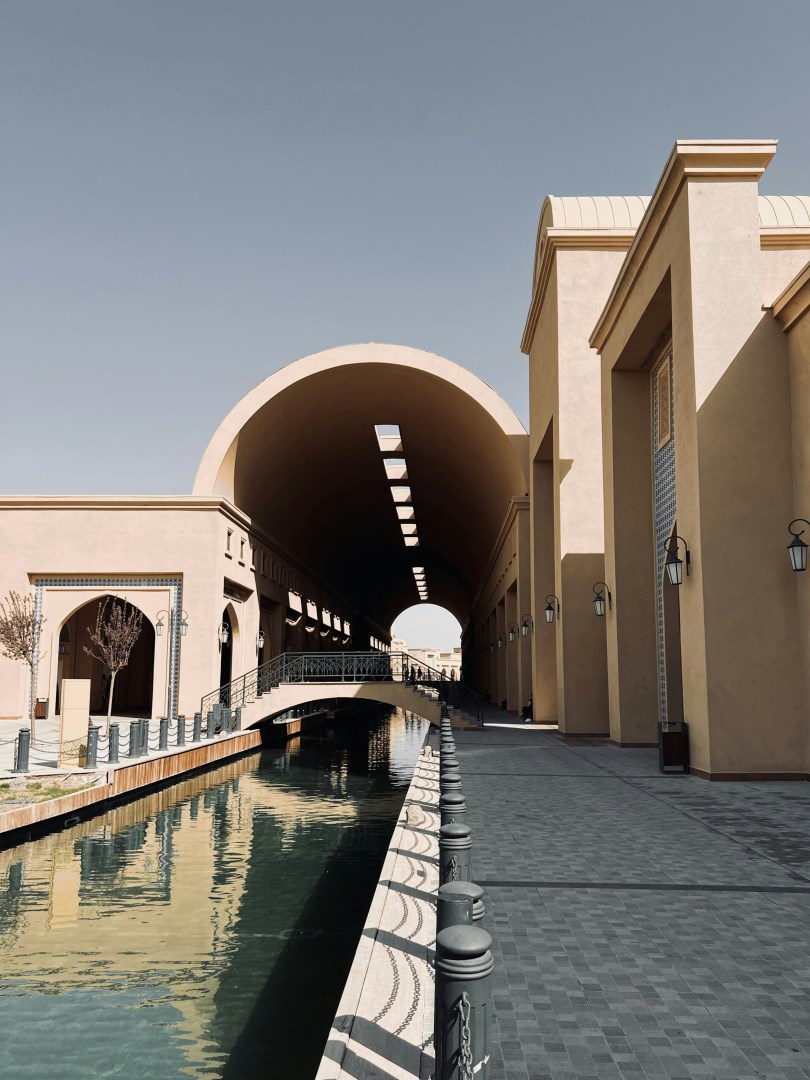
The Mausoleum of Khoja Ahmed Yasawi dominates the historic center with its large blue-tiled dome, monumental entrance portal, and richly decorated interior. The archaeological area around the monument preserves traces of the former city and its defensive structures. Nearby, the Azret Sultan State Historical and Cultural Reserve protects a group of religious, archaeological, and architectural monuments. The Karatau foothills and open steppe around Turkistan provide a contrasting natural setting, while the Syr Darya valley supports agriculture in the wider region. Modern Turkistan also features the Karavansaray tourist complex, designed around the city's historical connection with Silk Road travel.
Turkistan's cuisine reflects southern Kazakh traditions and the culinary influences of neighboring Central Asian communities. Beshbarmak, kuyrdak, baursaks, and horse-meat products are important parts of Kazakh cooking, while dishes such as plov, samsa, and lagman are also common across the region. Local markets feature dried fruits, nuts, sweets, bread, and dairy products. Turkistan is particularly distinctive for the connection between food, pilgrimage, and hospitality, with communal meals and tea playing an important role in welcoming visitors. Its combination of Islamic architecture, Turkic spiritual heritage, archaeological remains, and southern Kazakh food traditions gives the city a distinctive place in the country's cultural landscape.
Other Popular Destinations in Kazakhstan