

At Sea | On the River | Rhone River



The Rhône River, flowing through the heart of France and into Switzerland, offers a captivating journey through one of Europe's most scenic and historically rich regions. Originating in the Swiss Alps, this majestic river winds its way southward, carving its path through picturesque landscapes, including the iconic lavender fields of Provence and the lush vineyards of the Rhône Valley. Travelers can immerse themselves in the region's rich history by visiting the ancient city of Vienne, known for its well-preserved Roman ruins, or explore the Renaissance architecture in Lyon, a UNESCO World Heritage site.
The Rhône is celebrated for its remarkable wine regions, particularly the northern Côte-Rôtie and southern Châteauneuf-du-Pape. A wine lover's paradise, the Rhône Valley produces some of France's most renowned wines. Embark on a wine-tasting cruise along the river or visit the famed wine estates to savor exceptional vintages and learn about the region's winemaking traditions. The charming towns of Tain-l'Hermitage and Avignon offer delightful culinary experiences and stunning views of the river.
A notable highlight of the Rhône River is its role in the French Canal du Rhône au Rhin, which connects to the Rhine River, creating a scenic waterway for leisurely cruises. This canal is a gateway to exploring France’s diverse landscapes and historic towns. The Rhône’s serene waters also make it a popular destination for boating enthusiasts and nature lovers, with numerous opportunities for hiking and cycling along the riverbanks.
Fun fact: The Rhône River is home to the unique “Rhone” fish, a rare species found only in its waters. This fish is a testament to the river’s rich biodiversity and ecological importance.
The Rhône is celebrated for its remarkable wine regions, particularly the northern Côte-Rôtie and southern Châteauneuf-du-Pape. A wine lover's paradise, the Rhône Valley produces some of France's most renowned wines. Embark on a wine-tasting cruise along the river or visit the famed wine estates to savor exceptional vintages and learn about the region's winemaking traditions. The charming towns of Tain-l'Hermitage and Avignon offer delightful culinary experiences and stunning views of the river.
A notable highlight of the Rhône River is its role in the French Canal du Rhône au Rhin, which connects to the Rhine River, creating a scenic waterway for leisurely cruises. This canal is a gateway to exploring France’s diverse landscapes and historic towns. The Rhône’s serene waters also make it a popular destination for boating enthusiasts and nature lovers, with numerous opportunities for hiking and cycling along the riverbanks.
Fun fact: The Rhône River is home to the unique “Rhone” fish, a rare species found only in its waters. This fish is a testament to the river’s rich biodiversity and ecological importance.
Other Popular Destinations in On the River
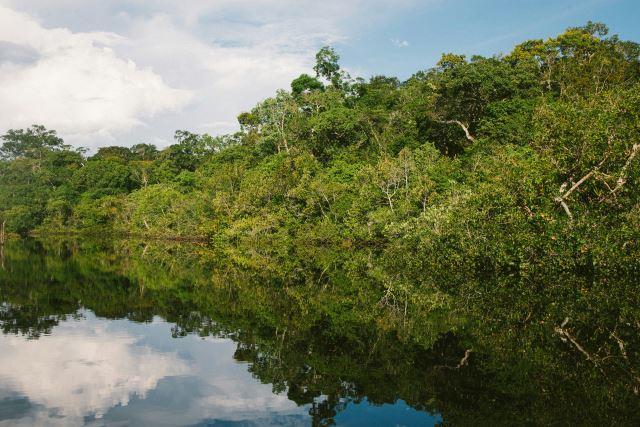
The Amazon River, winding through the heart of South America, is a marvel of nature that offers unparalleled adventure in one of the most biodiverse regions on Earth. Originating from the Peruvian Andes, the Amazon travels through nine countries before emptying into the Atlantic Ocean.
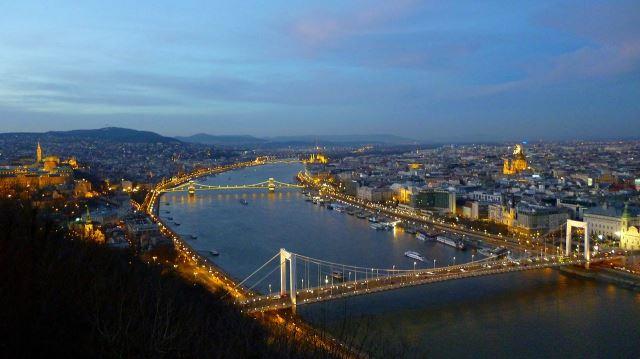
Coursing through 10 countries, the Danube is the second-longest river in Europe. This waterway, lined with fortresses and castles, rises in Germany's Black Forest and runs for 1,770 miles to the Black Sea. The Danube is an essential commercial thoroughfare for central and southeastern Europe, and several river cruise companies sail vessels on it year-round. Destinations along this river include Vienna, Budapest, Passau and Bratislava.
