Africa | South Africa | Mpumalanga
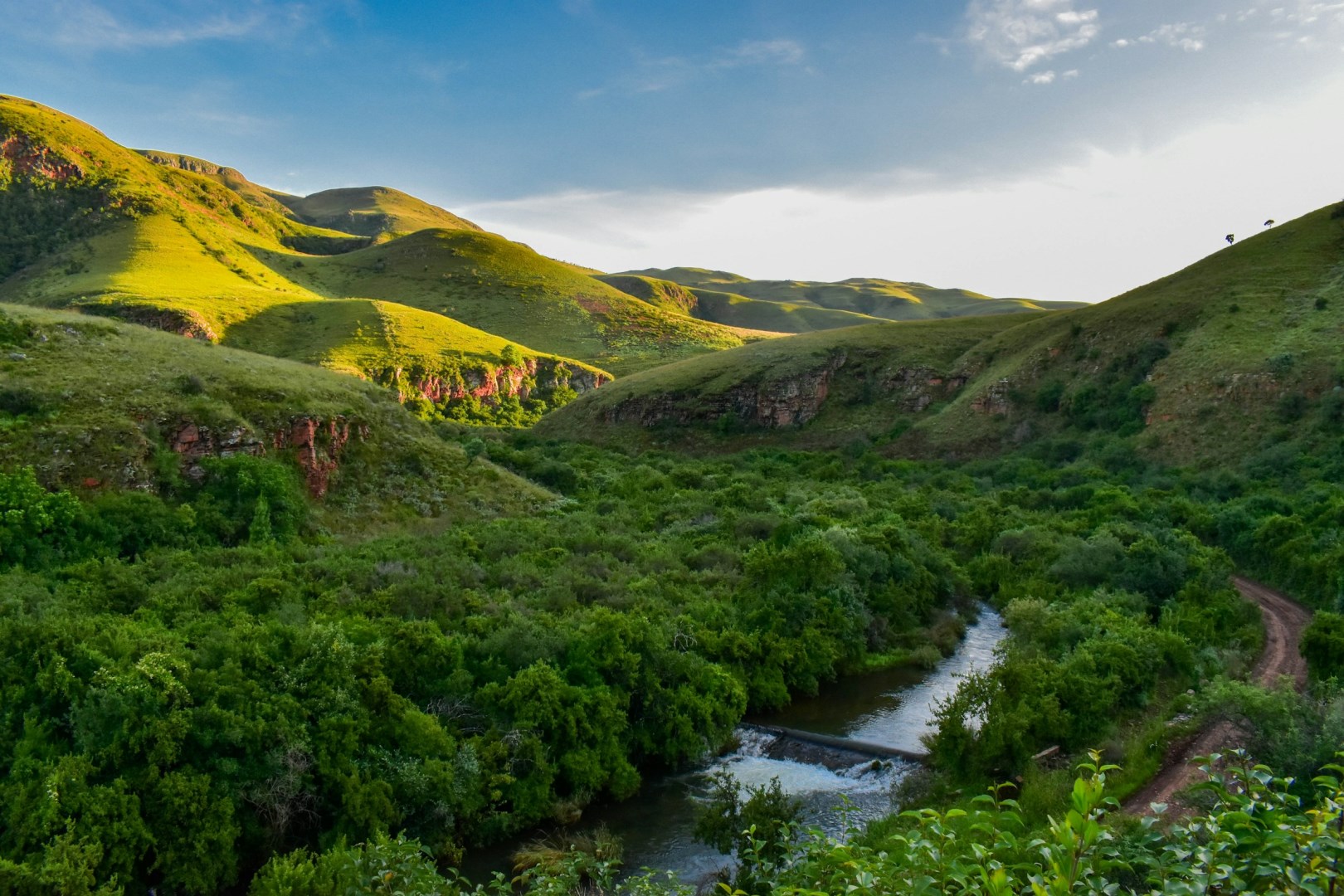
Mpumalanga is a province in northeastern South Africa, stretching from the grass-covered Highveld to the subtropical Lowveld along the border with Mozambique and Eswatini. Its name means “place where the sun rises” in siSwati. The province is known for contrasting landscapes, including the escarpment, mountain forests, rolling grasslands, citrus farms, and wildlife-rich bushveld. Mbombela is the provincial capital and a regional centre, while towns such as Graskop, Sabie, White River, and Hazyview provide access to different parts of the province and its major natural attractions.
Mpumalanga has strong cultural connections to the Swati and Ndebele peoples, whose traditions are expressed through language, beadwork, clothing, music, dance, and craft. The province also contains archaeological and historical sites associated with early farming communities, mining, railway development, and the broader history of South Africa. The Ndebele communities are particularly known for brightly painted homes and geometric decorative designs. In the Lowveld, Shangaan traditions remain an important part of local identity. Museums, cultural villages, craft centres, and community tourism projects provide opportunities to learn about these living traditions and the region’s changing history.
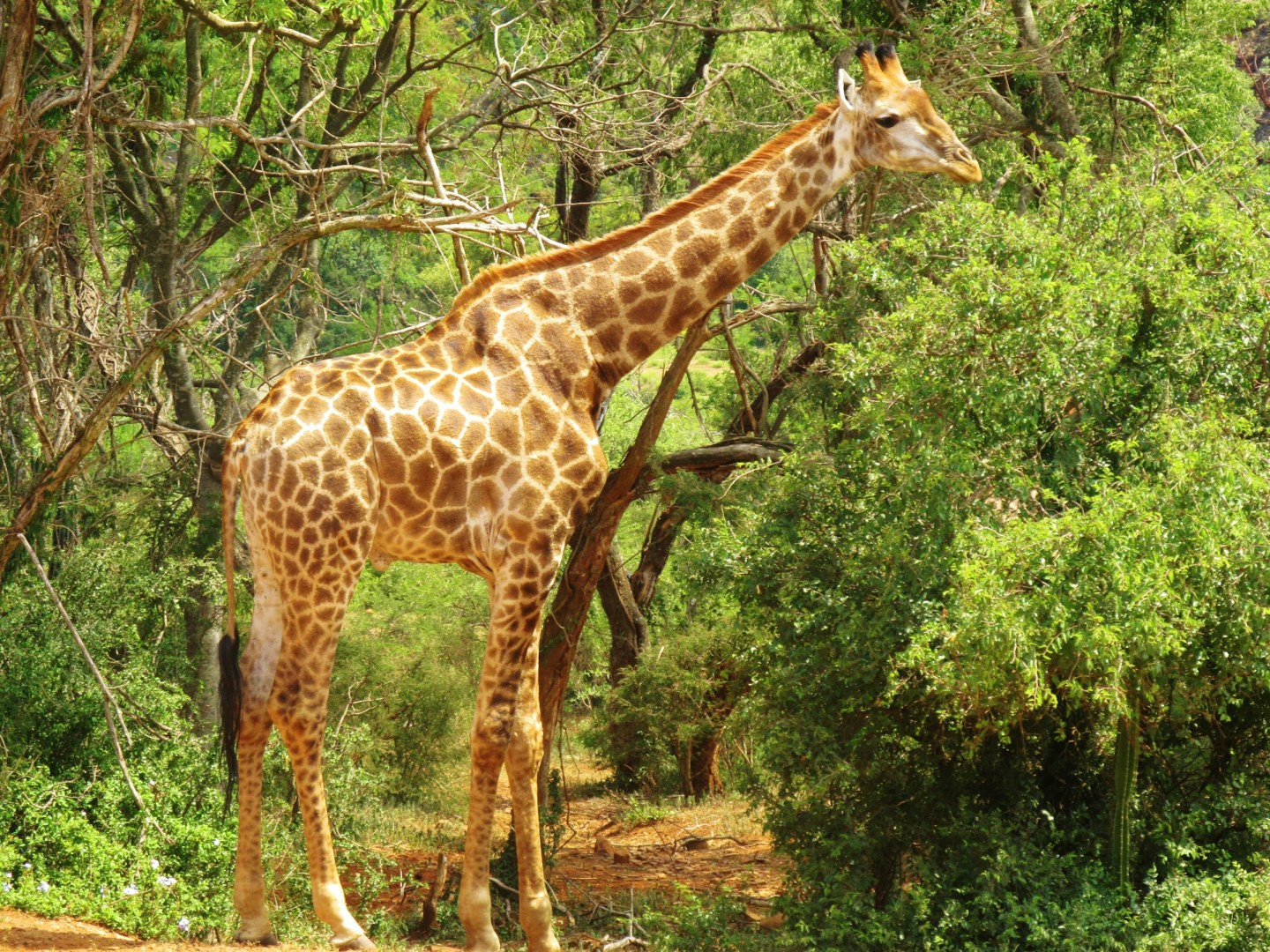
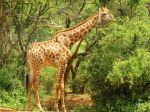
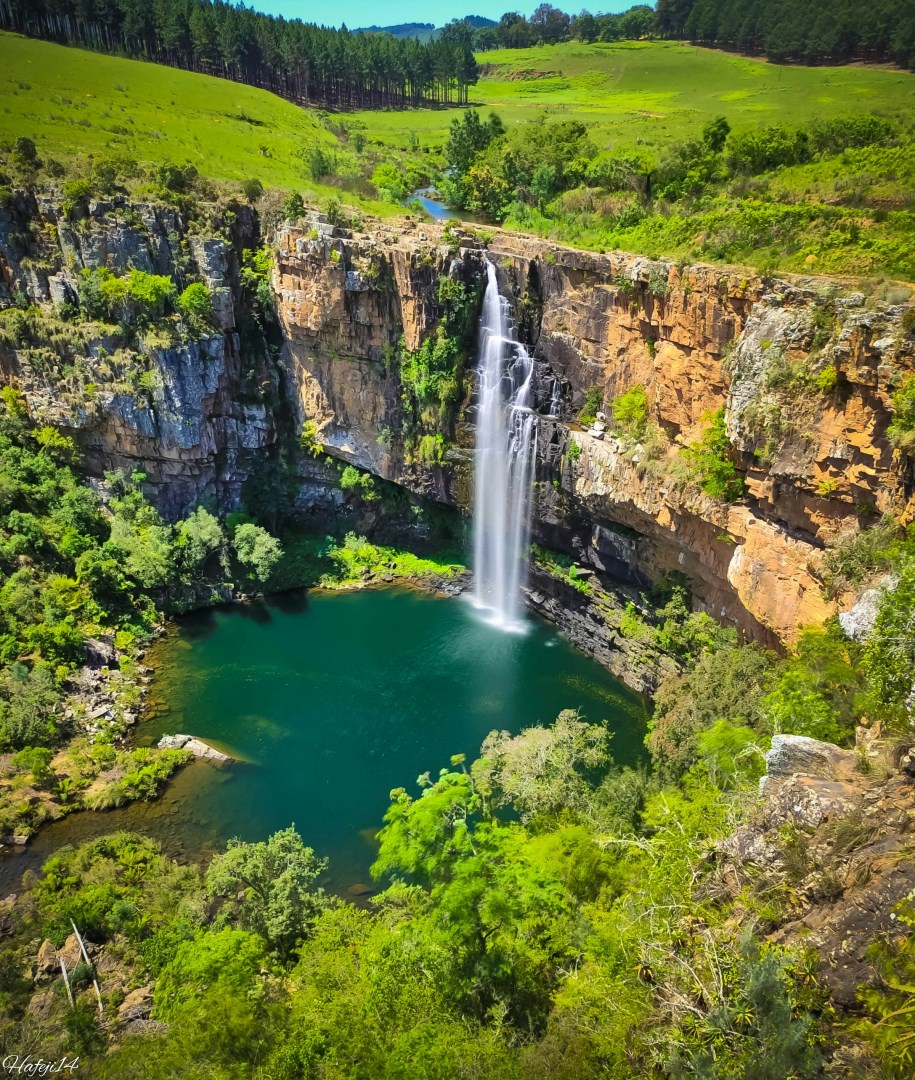
The Blyde River Canyon is one of Mpumalanga’s best-known natural landmarks, with steep cliffs, forested slopes, and viewpoints overlooking the canyon and surrounding valleys. The Panorama Route also includes Bourke’s Luck Potholes, God's Window, and the waterfalls around Sabie and Graskop. Kruger National Park occupies a large area of the eastern Lowveld, supporting elephants, lions, leopards, rhinos, buffalo, and many other species. The province also contains private reserves and protected areas such as Manyeleti and the Sabi Sand region, while the escarpment provides forests, grasslands, and important habitats for birds and plants.
Mpumalanga’s agricultural areas produce citrus, avocados, macadamia nuts, bananas, mangoes, and other subtropical crops, particularly around the Lowveld towns. These products contribute to local markets and restaurants, alongside South African dishes such as grilled meats, stews, pap, and seasonal vegetables. Traditional Swati and Shangaan foods add further regional variety, with maize, beans, leafy vegetables, and locally raised meat featuring in many meals. A distinctive feature of Mpumalanga is its dramatic change in elevation: travelers can move from cool Highveld grasslands through the forested escarpment to warm Lowveld bushveld within a relatively short distance.
Other Popular Destinations in South Africa