


Central Asia | India | Gir National Park
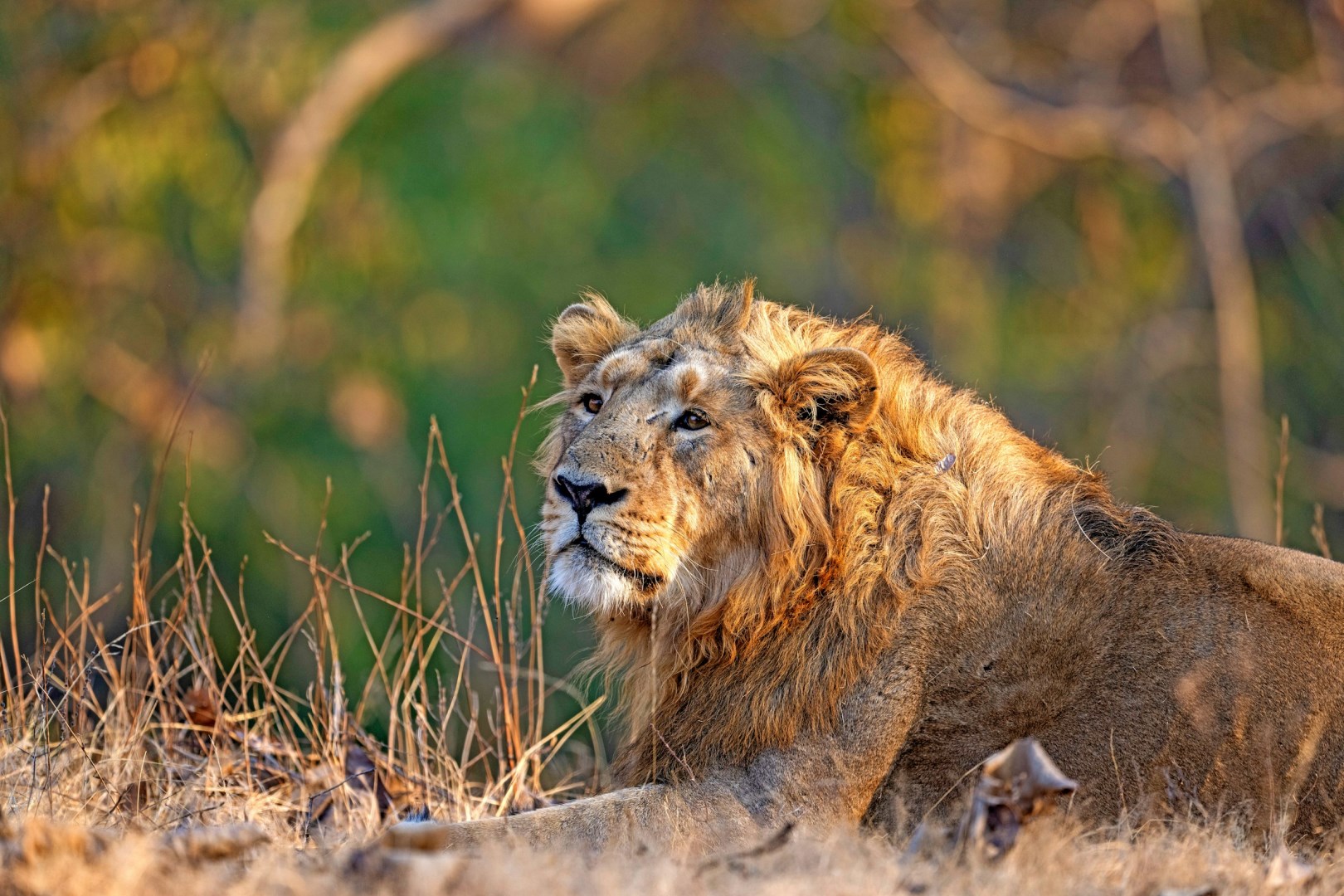
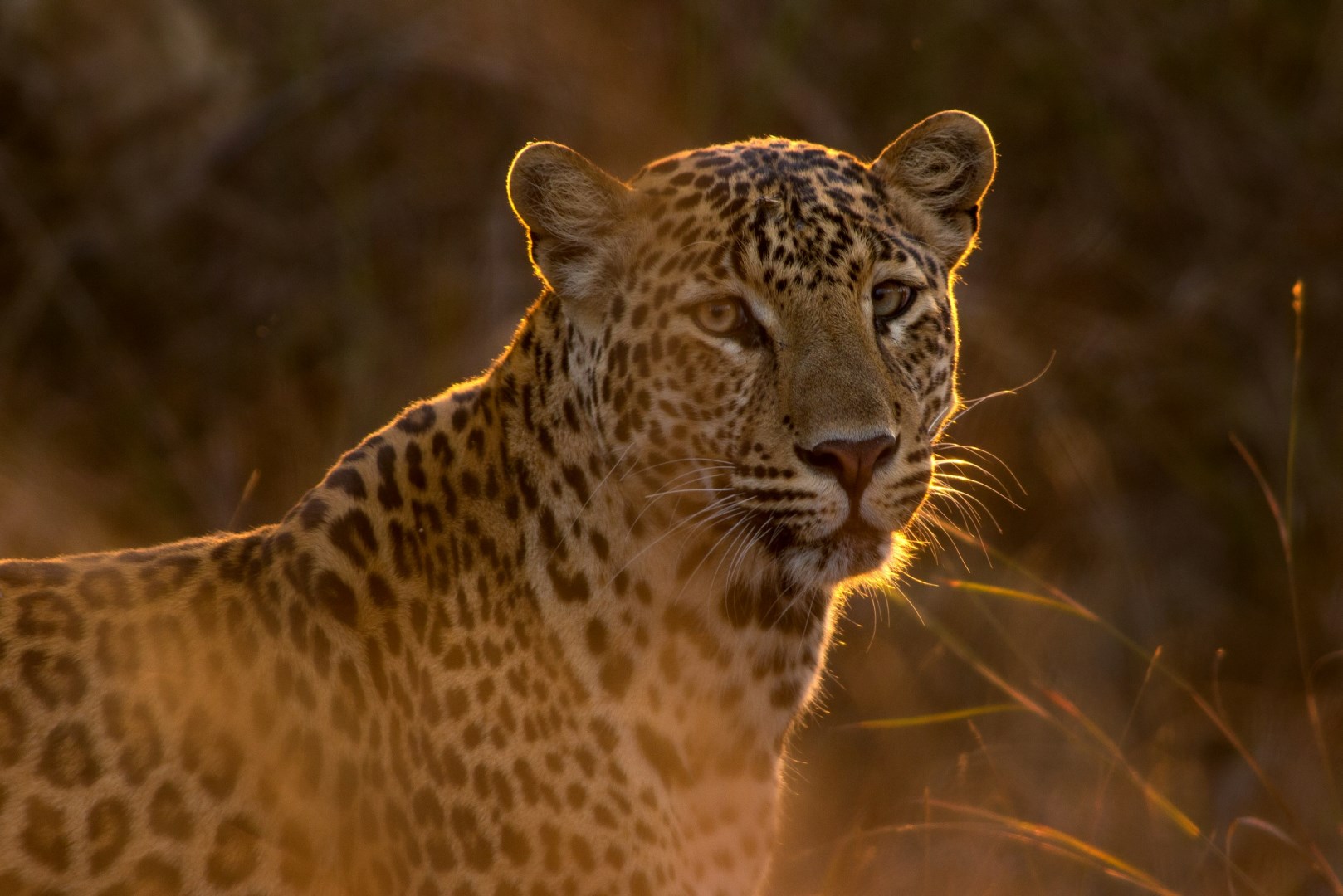
Gir National Park is a protected forest in Gujarat, western India, and the most important natural habitat of the Asiatic lion. The park forms part of the larger Gir Protected Area, a dry landscape of deciduous woodland, thorn scrub, grasslands, rocky hills, and seasonal streams. The forest is also home to leopards, chital, sambar, nilgai, wild boar, crocodiles, and numerous bird species. Unlike many of India’s major wildlife reserves, Gir is closely surrounded by villages and pastoral communities, making the relationship between wildlife and local livelihoods an important part of the region’s character.
Gir’s cultural identity is closely linked with the Maldhari pastoral communities who have traditionally lived and grazed livestock within and around the forest. Their settlements, known as nesses, form part of the landscape and reflect a long association between people and the protected area. The region also contains Hindu temples and pilgrimage sites, including the Kankai Mata Temple within the wider Gir landscape. Conservation of the Asiatic lion has become another defining part of Gir’s identity, with local communities, forest officials, and conservation organizations contributing to the protection of the species and its habitat.
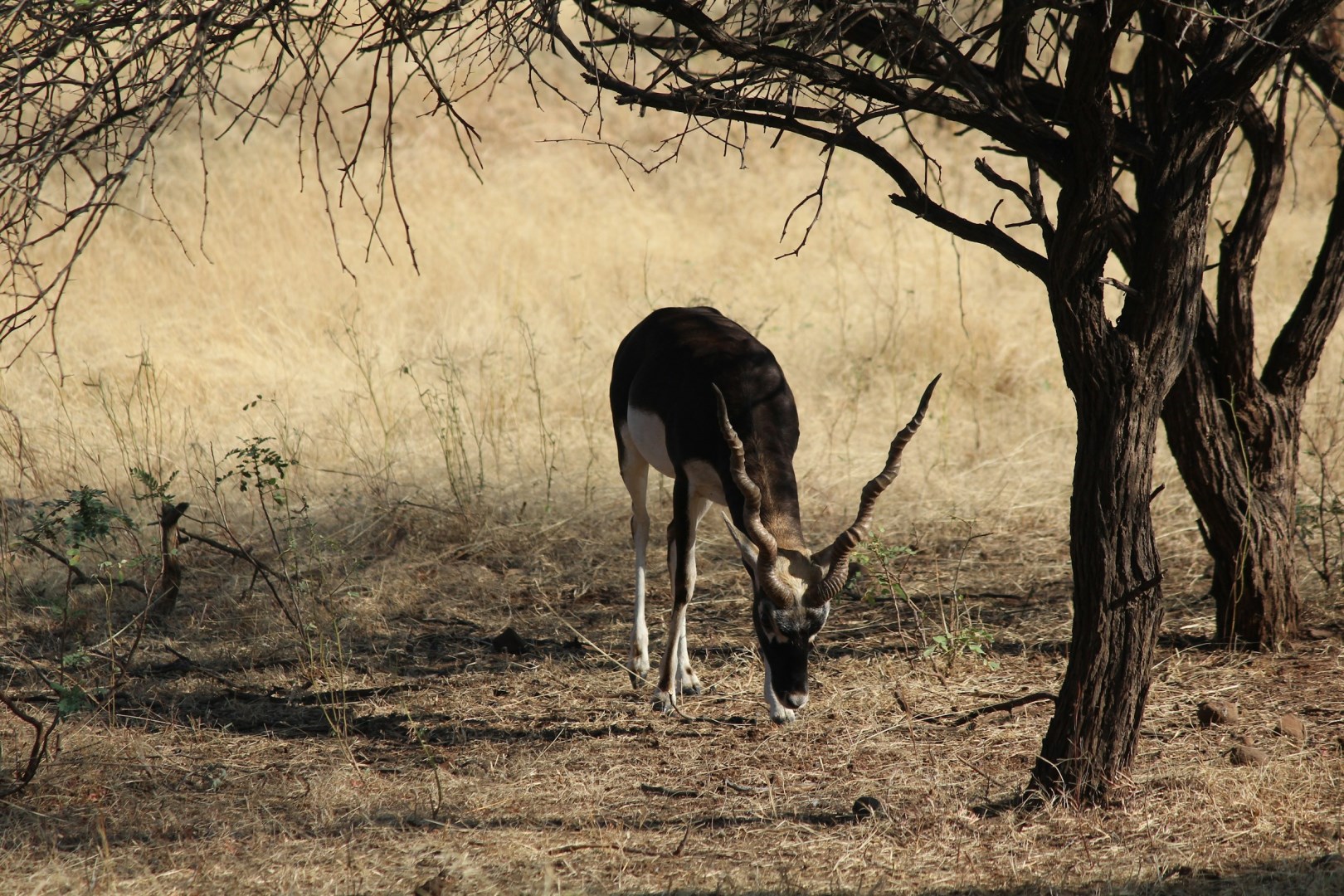
Wildlife safaris are the principal attraction, offering opportunities to explore the forest in search of Asiatic lions and other native species. The Asiatic lion is the reserve’s signature animal, while leopards, striped hyenas, jackals, Indian gazelles, four-horned antelope, and several deer species can also be found. The forest contains diverse birdlife, including peafowl, painted sandgrouse, crested serpent eagles, and vultures. The Gir Interpretation Zone at Devalia provides another way to observe wildlife within a managed setting. Rivers and reservoirs, including the Hiran, Shetrunji, and Raval, provide important water sources across the wider protected area.
Food around Gir reflects the cuisine of Gujarat, with vegetarian meals based on millet, wheat, lentils, vegetables, yogurt, and spices widely available. Local specialties include bajra rotla, khichdi, kadhi, thepla, and various vegetable preparations, while pastoral communities traditionally rely on dairy products as part of their diet. A distinctive detail about Gir is that the Asiatic lion is found in the wild only in the Gir landscape and surrounding areas of Gujarat. The survival of this population is closely tied to the protected forest, nearby grasslands, available water, and the long-standing coexistence of wildlife with surrounding rural communities.
Other Popular Destinations in India


