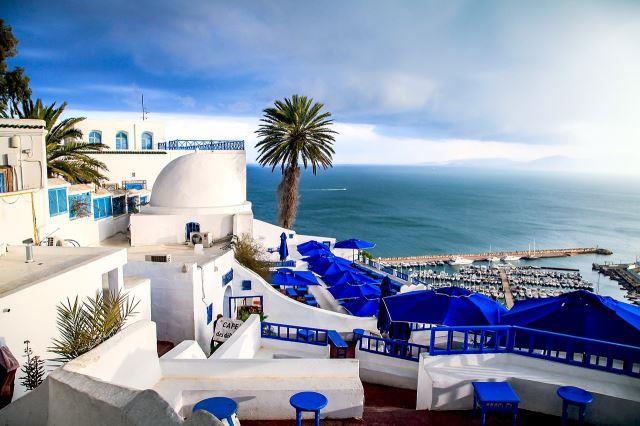
Bizerte is a coastal city in northern Tunisia, situated on the Mediterranean Sea around a lagoon and a network of canals connecting the city with Lake Bizerte. It is known for its working fishing harbour, historic waterfront, and proximity to some of northern Tunisia’s most important natural areas. The Old Port is lined with white buildings, fishing boats, cafés, and the walls of the Kasbah, while beaches extend along the surrounding coast. Bizerte also serves as a regional centre for fishing, trade, and industry, giving it a different character from Tunisia’s purpose-built resort towns.
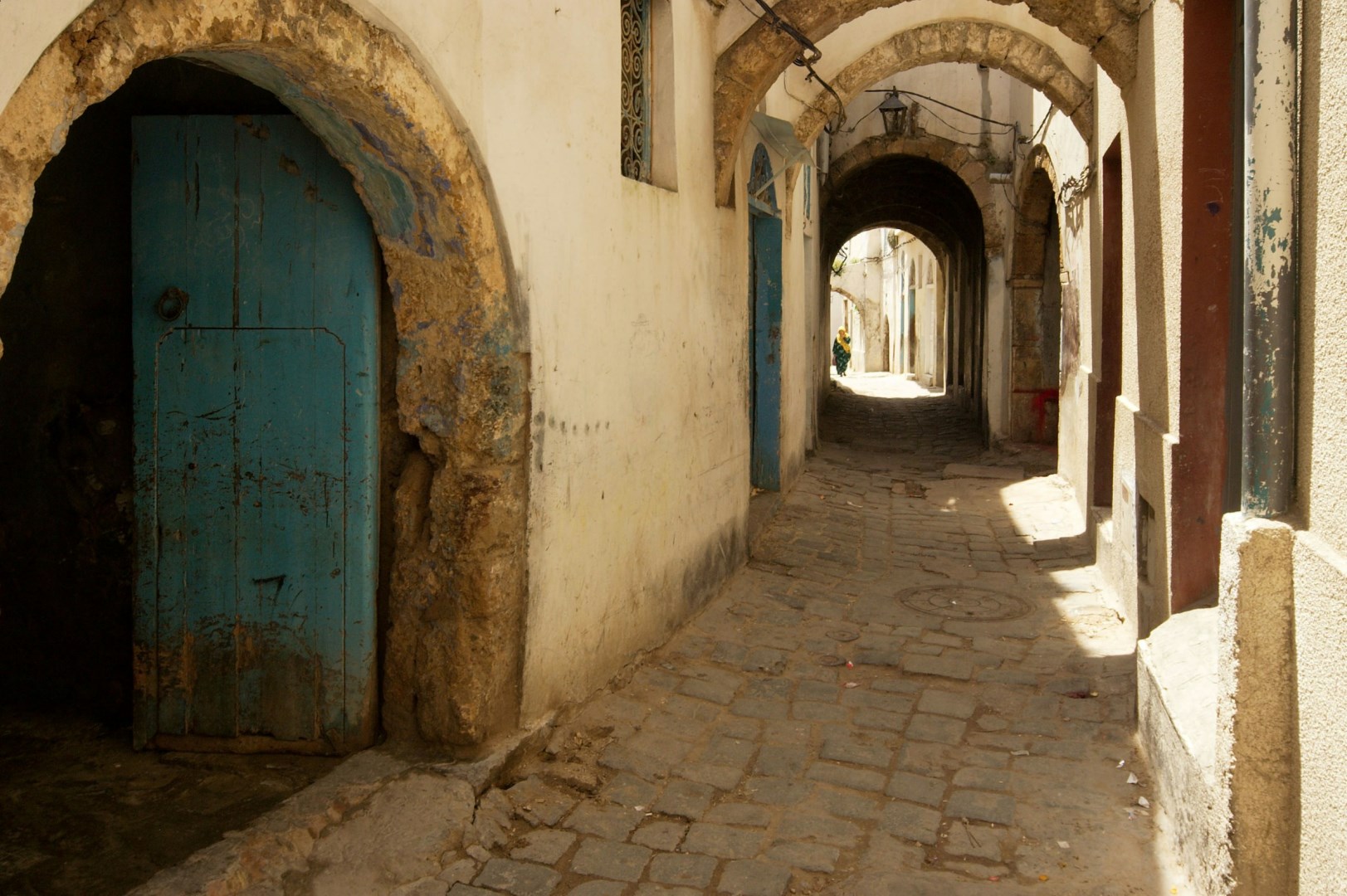
Bizerte’s history reflects the successive maritime cultures that shaped northern Tunisia, including Phoenician, Roman, Arab, Ottoman, and European influences. The old medina contains narrow streets, traditional shops, the Great Mosque, and the Kasbah, while the Spanish Fort overlooks the city and harbour from higher ground. The town’s maritime role remained important through later periods, particularly because of its strategic position between the Mediterranean and Lake Bizerte. Traditional fishing and boatbuilding continue to form part of local identity, while the city’s markets and cafés provide a setting for everyday Tunisian life.
The Old Port and Kasbah form the centre of Bizerte’s historic landscape, with the harbour channel separating parts of the old town and providing views toward the surrounding fortifications. Nearby beaches include Sidi Salem and other sandy stretches along the northern coast. West of the city, Ichkeul National Park protects a lake, marshes, and surrounding mountain habitat. The UNESCO-listed wetland is an important stopover for hundreds of thousands of migratory birds, including ducks, geese, storks, and flamingos. Cap Angela, recognized as the northernmost point of the African continent, is another notable coastal site in the wider Bizerte area.
Seafood is central to Bizerte’s cuisine because of its longstanding fishing industry, with grilled fish, octopus, squid, and other Mediterranean species commonly found in local restaurants. Tunisian cooking also features couscous, brik, harissa, olive oil, tomatoes, peppers, and seasonal vegetables. The city’s location between the Mediterranean and Lake Bizerte gives it an unusual combination of marine and lagoon environments. Another distinctive feature is Ichkeul’s changing water conditions: seasonal shifts in freshwater and salinity influence the wetland and help sustain its important bird populations. This ecological setting complements Bizerte’s historic harbour and coastal urban landscape.
Other Popular Destinations in Tunisia