



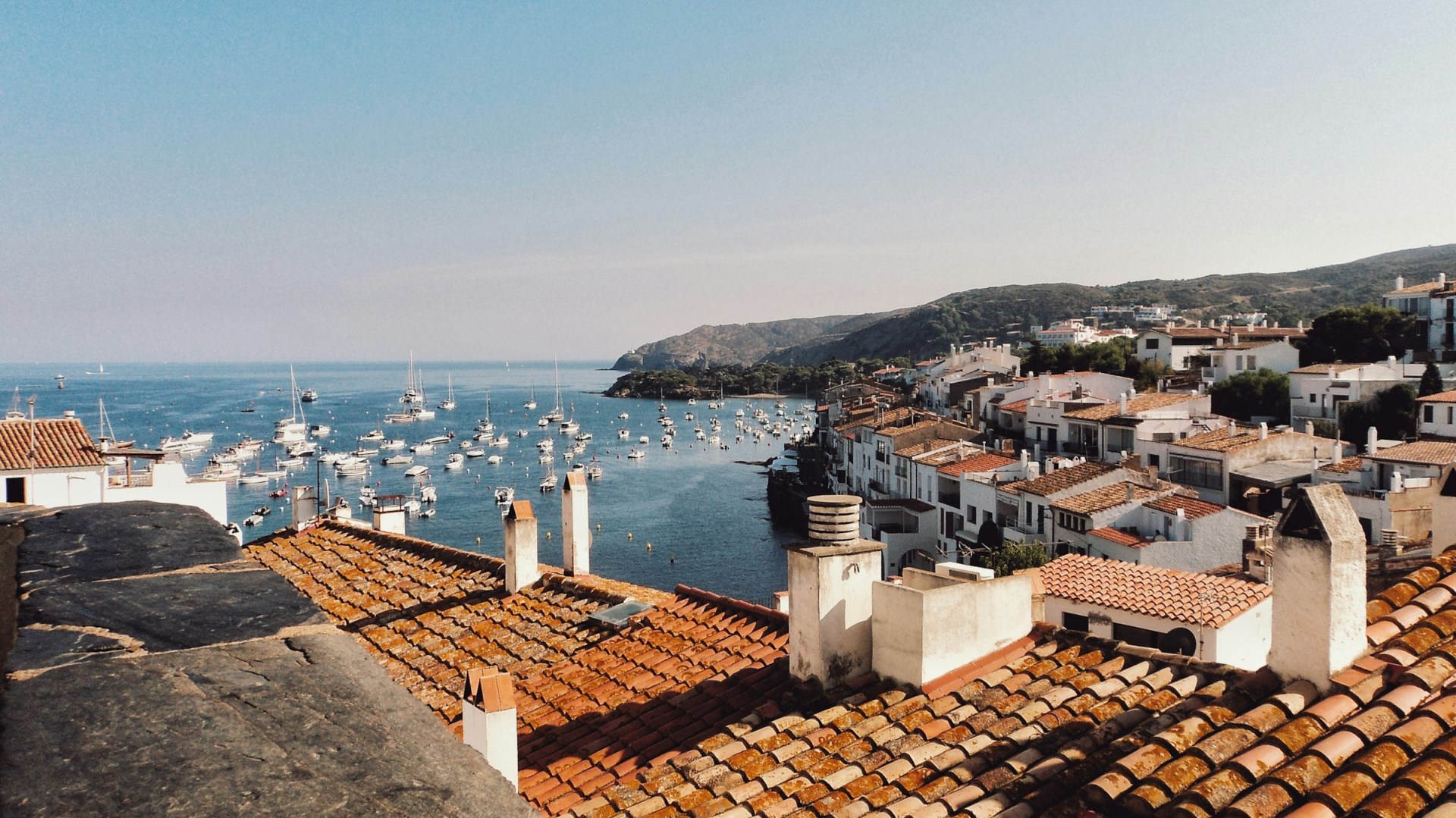

The Costa Brava coastal region, in northeastern Spain, offers excellent beaches and a typical Mediterranean climate, making it an enticing holiday destination. While parts of the Costa Brava coastline have been exploited by large-scale tourist developments, other areas have retained their traditional roots.
The Gulf of Roses along with its eponymous town is one such tourist center, an important fishing port, and boasts some of the best beaches along the Costa Brava as well as plenty of shops, restaurants, nightlife and sports activities.
Another popular port is Palamos, which offers swimming, sailing and windsurfing. Its main claim to fame is the locally caught prawns from Palamos.
The Gulf of Roses along with its eponymous town is one such tourist center, an important fishing port, and boasts some of the best beaches along the Costa Brava as well as plenty of shops, restaurants, nightlife and sports activities.
Another popular port is Palamos, which offers swimming, sailing and windsurfing. Its main claim to fame is the locally caught prawns from Palamos.
Other Popular Destinations in Spain

To visit Barcelona is to embrace both the past and the future. There is much to do and see in this cosmopolitan capital of Catalonia, from medieval structures to beaches to UNESCO Heritage Sites by Antoni Gaudí and Lluís Doménech i Montaner.

Must-sees in Seville include the landmark palace Royal Alcázar of Seville, the Gothic, bell-towered Catedral de Sevilla, and Plaza de España, an architectural marvel with Moorish, Baroque and Renaissance influences. Meanwhile, Museo del Baile Flamenco is the place to learn about flamenco dancing culture.
