Patmos, a gem in the Aegean Sea, is steeped in history and spirituality, offering a serene escape for travelers seeking both tranquility and rich cultural experiences. Known as the "Island of the Apocalypse," Patmos is famously where Saint John the Theologian wrote the Book of Revelation. Visitors can explore the sacred Cave of the Apocalypse, a UNESCO World Heritage Site, where the saint is said to have received his visions.
Located in Australia's Northern Territory, Uluru is an iconic sandstone formation and UNESCO World Heritage site. This red rock monolith, believed to be over 500 million years old, has been considered sacred by Australia's indigenous peoples for thousands of years and is one of the country's most well-known natural landmarks. This spiritual destination will astound you at sunrise and sunset, when the warm sunlight turns Uluru to deep hues of red and orange.
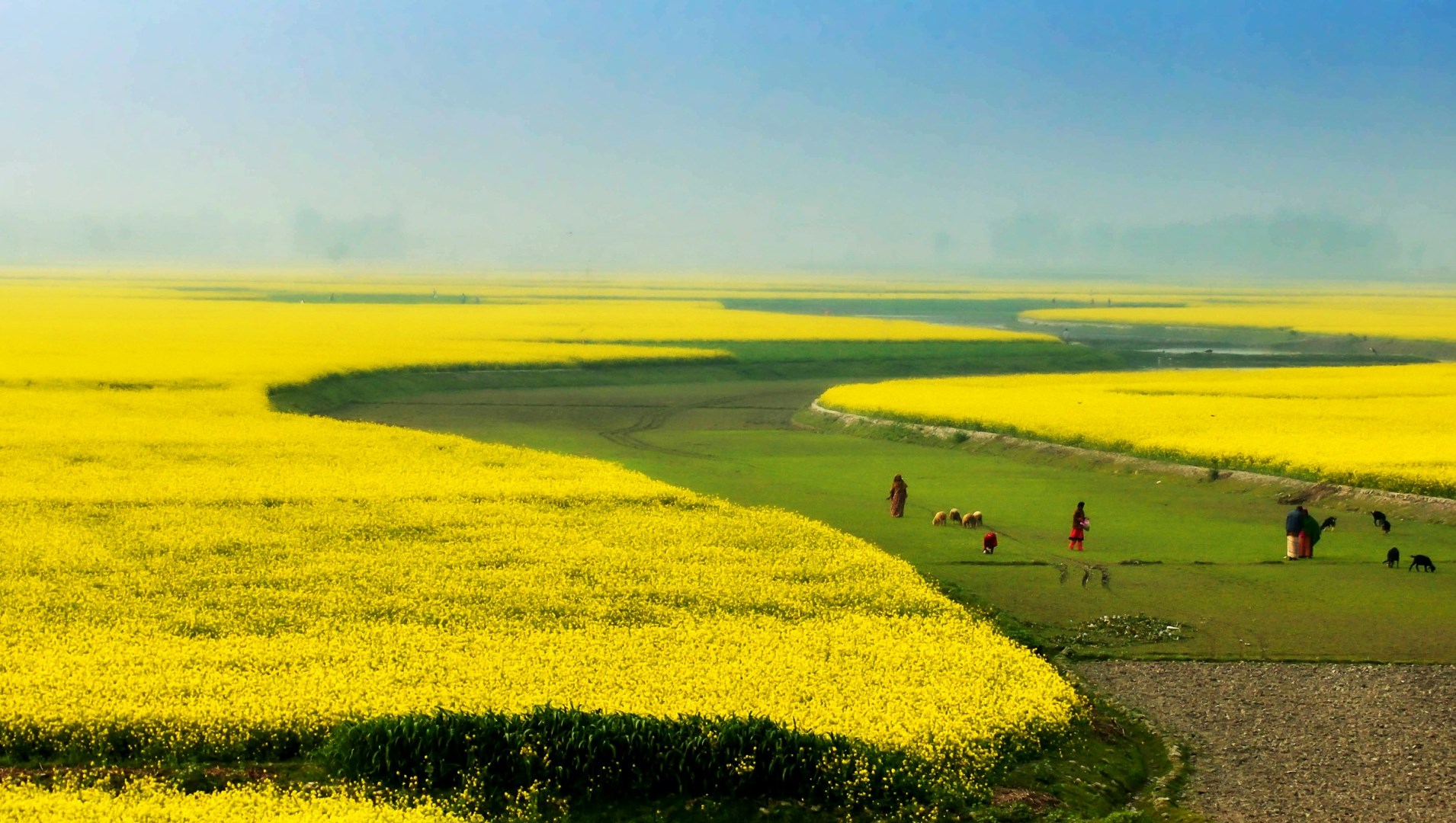
Sirajganj is a riverside district in northwestern Bangladesh, located along the Jamuna River and shaped by the shifting channels, sandbars, and fertile floodplains of the river system. The district is known for agriculture, weaving, livestock, and river-based commerce, with Sirajganj town serving as an important regional center. Its landscape changes noticeably with the seasons as river levels rise and fall, exposing temporary chars and renewing farmland with silt. The surrounding countryside co
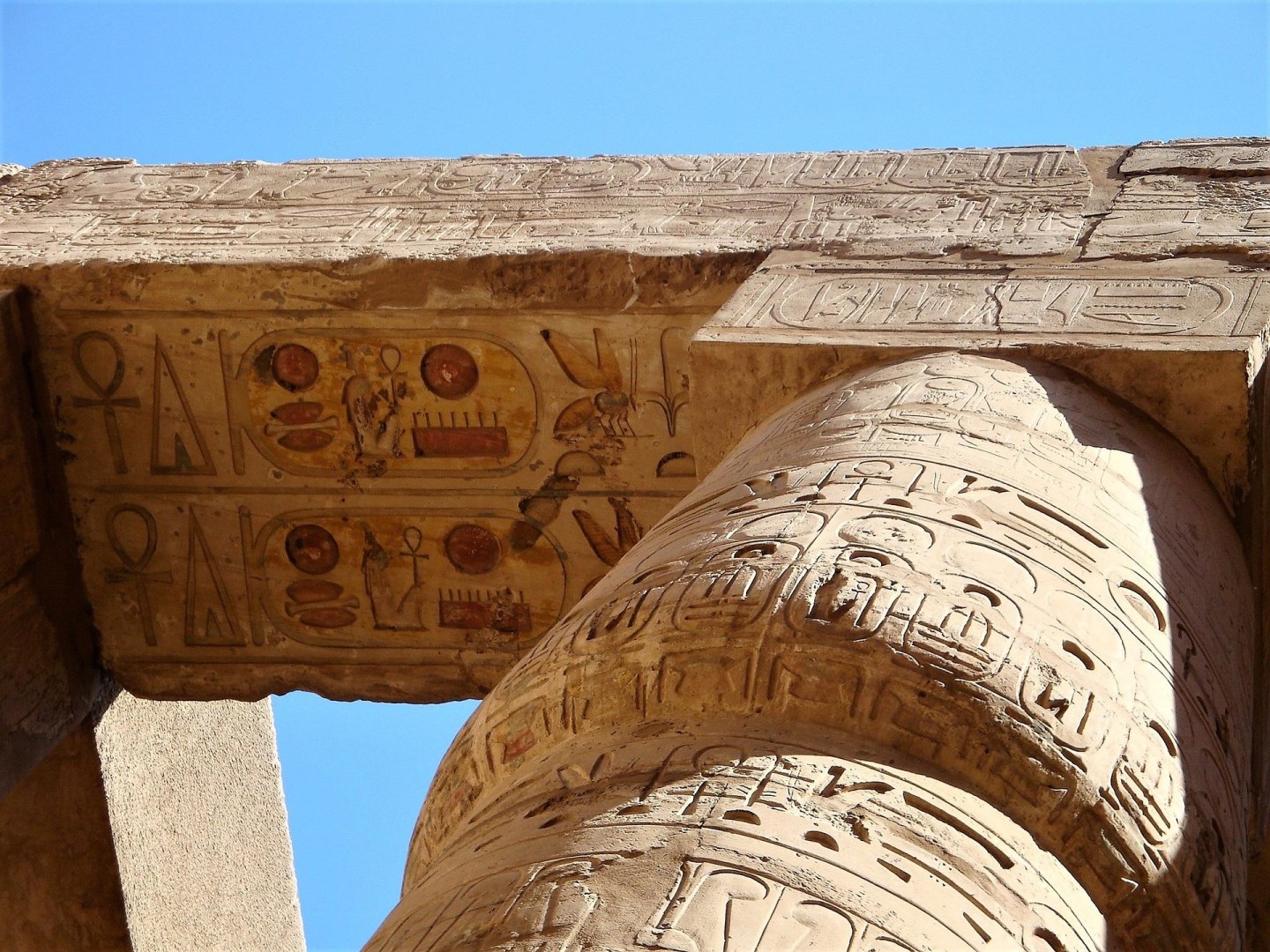
Karnak Temple is a huge, open air complex and, after the Giza Pyramids, the second most visited historical place in Egypt. The largest religious building ever constructed, it sits on 200 acres—a true wonder of the world. Decayed pylons, chapels and temples make up this unmissable historical attraction near Luxor.
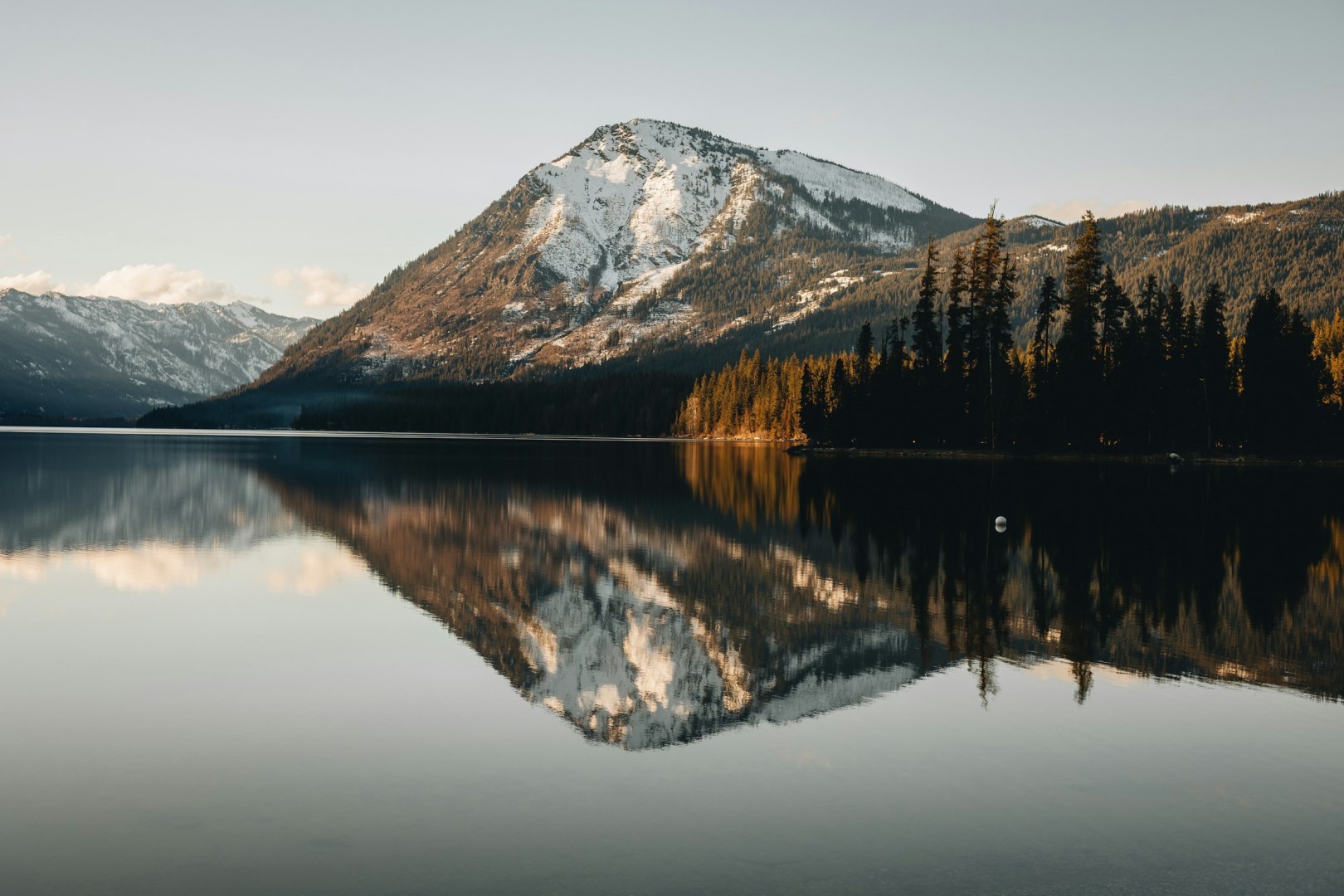
Our mountains are high with lush forest and pristine alpine lakes hidden from the too casual viewer. Wildlife abound along the rippling streams that feed the wild waters of the Wenatchee River, finally merging with the mighty Columbia. King salmon fighting to return to their birthplace can be viewed from the Rocky Reach Dam. Nature is at its unspoiled best
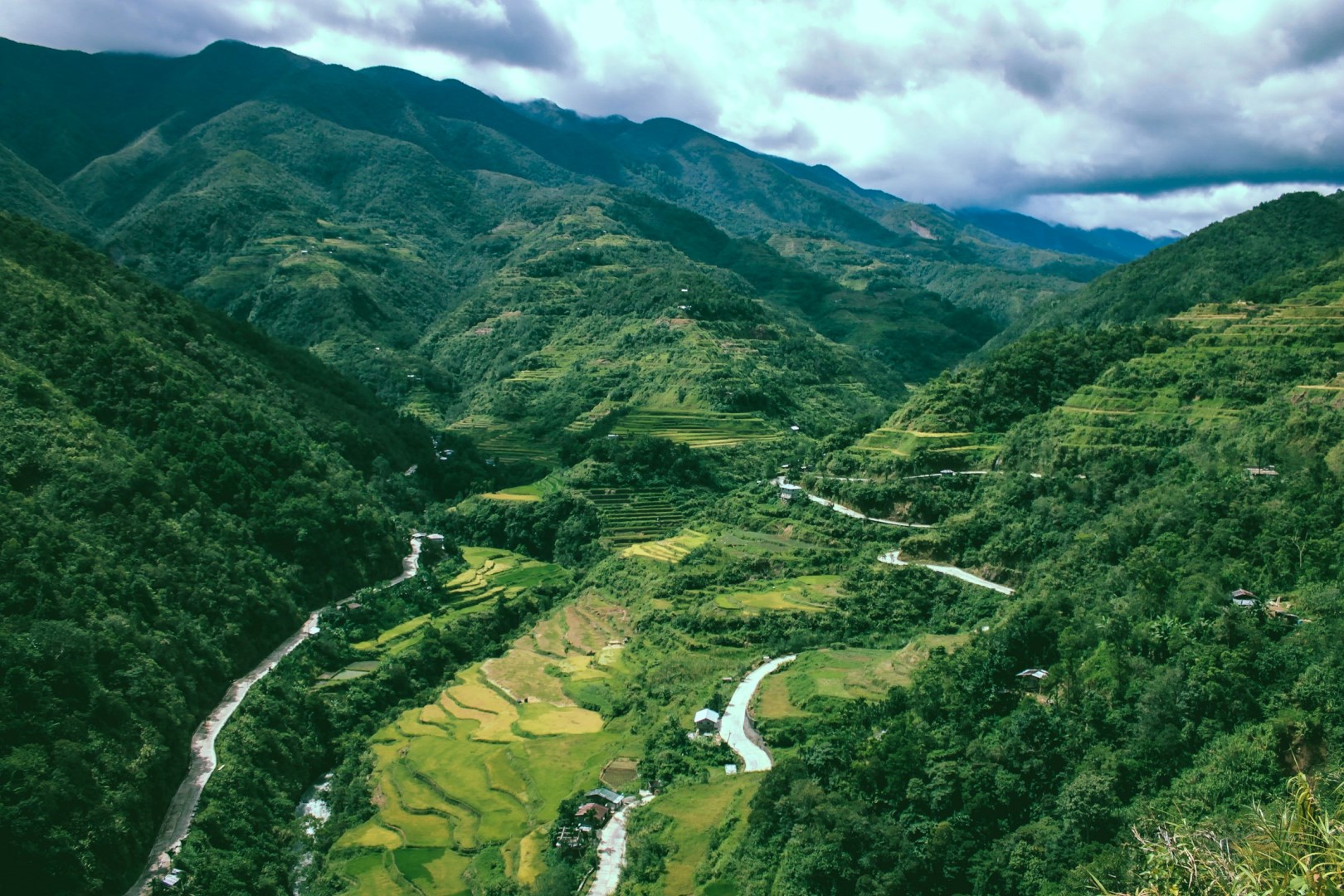
Luzon is the 15th largest island in the world, and the most populous island in the Philippines, home to 53 million people and the country’s capital, Manila. Luzon boasts a unique and eye-catching topography, with a variety of terrains and distinct geographical features. The north’s flat coastline and tropical pine forests meet at the site of Mount Pulag, Luzon’s tallest mountain peak, while the south is characterized by a multitude of sparkling lakes, rivers, and bays, as well as the mountainous and volcanic Bicol Peninsula. The Sierra Madre and Zambales mountain ranges sweep across much of Luzon’s central region. The island is also rich in natural resources, including rice terraces and coconut plantations walkable by tourists visiting the island’s more rural regions.
Whether admiring the breathtaking natural beauty of one of Luzon’s many national parks, unwinding on the white and pink sands of Saud or Subic Beach, or strolling the halls of the National Museum of the Philippines in Manila, the island of Luzon is a versatile getaway with plenty to offer for every kind of traveler.
Other Popular Destinations in Philippines
Manila
Manila is the capital of the Philippines and a densely built city on the eastern shore of Manila Bay. It serves as a major center for government, commerce, education, and the arts, while its neighborhoods reveal different layers of Filipino life. The Pasig River connects the city to the wider metropolitan area, and the waterfront remains an important part of its setting. Manila is especially known for Intramuros, the walled historic district at the heart of the city.
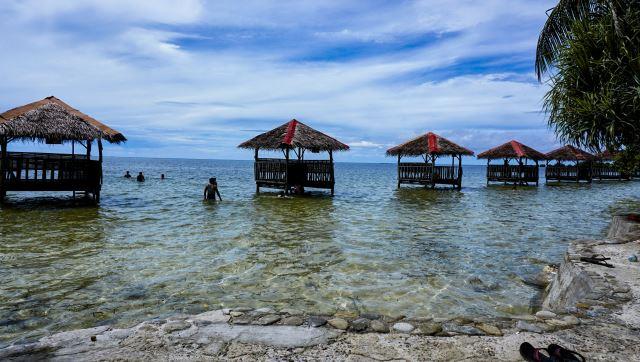
Puerto Princesa
Puerto Princesa, the capital of Palawan in the Philippines, is often seen as the gateway to some of the country’s most remarkable natural landscapes.