



East and Southeast Asia | Timor-Leste | Dili
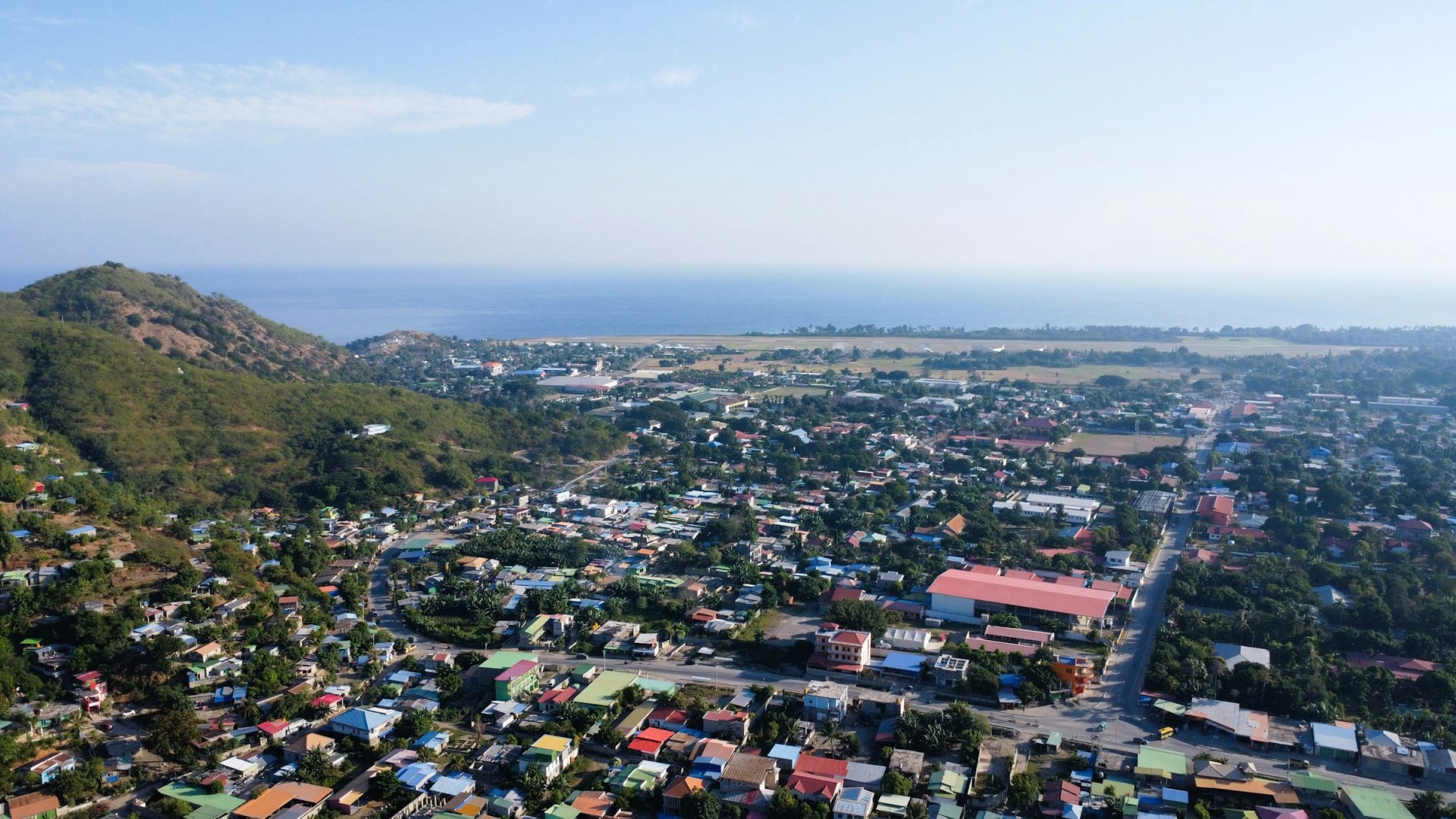
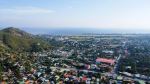
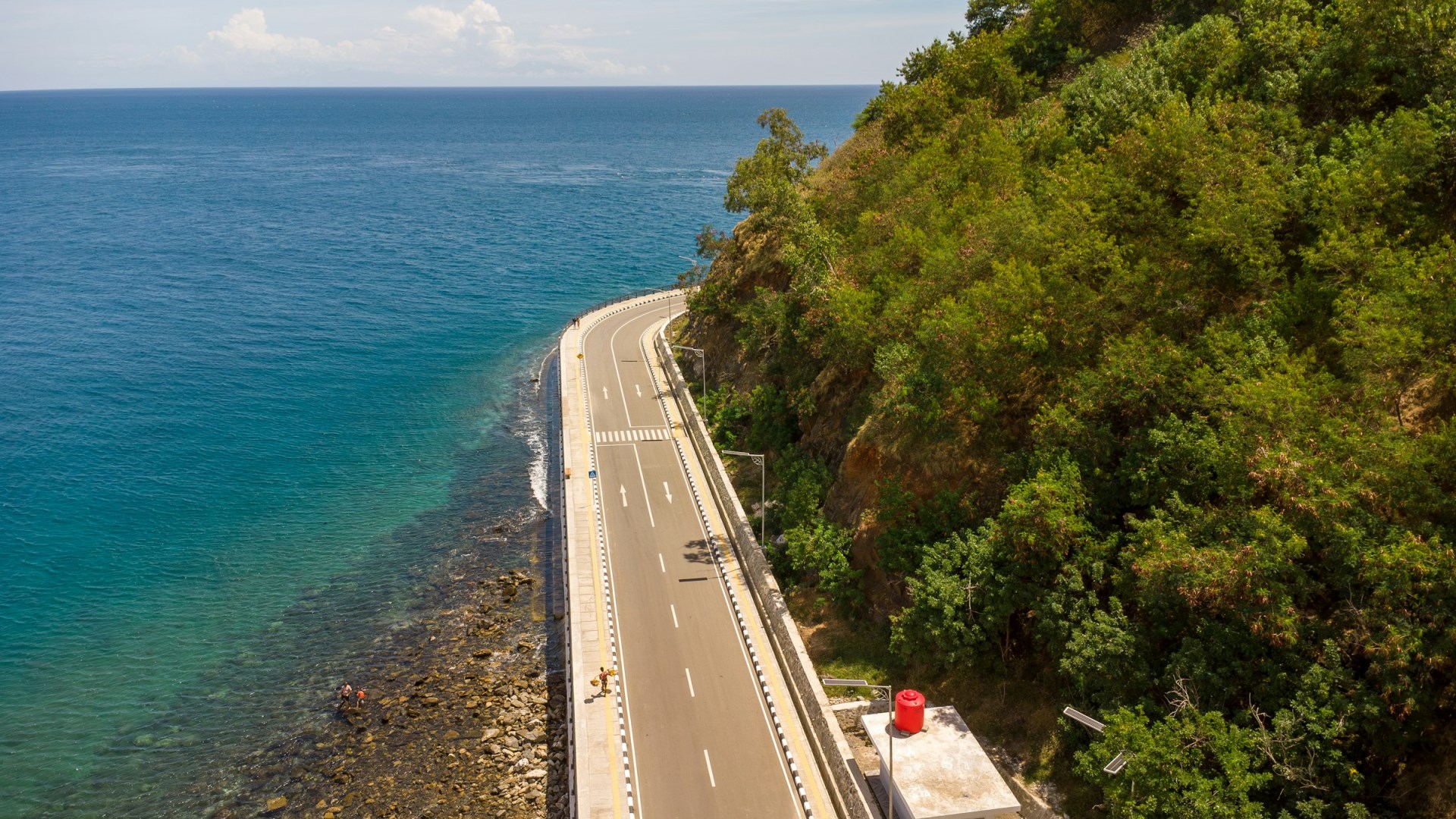
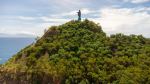
Dili is the capital and largest city of Timor-Leste, set along the country's northern coast between the sea and rugged mountain slopes. The city stretches around a broad bay, with beaches, government buildings, markets, residential neighborhoods, and busy streets forming its urban landscape. Mountains rise immediately south of the city, while the Ombai Strait extends north toward Atauro Island. Dili serves as the country's main political, commercial, and transport center and is also a starting point for journeys into other parts of Timor-Leste. Its coastal setting and compact urban area give it a distinctive character.
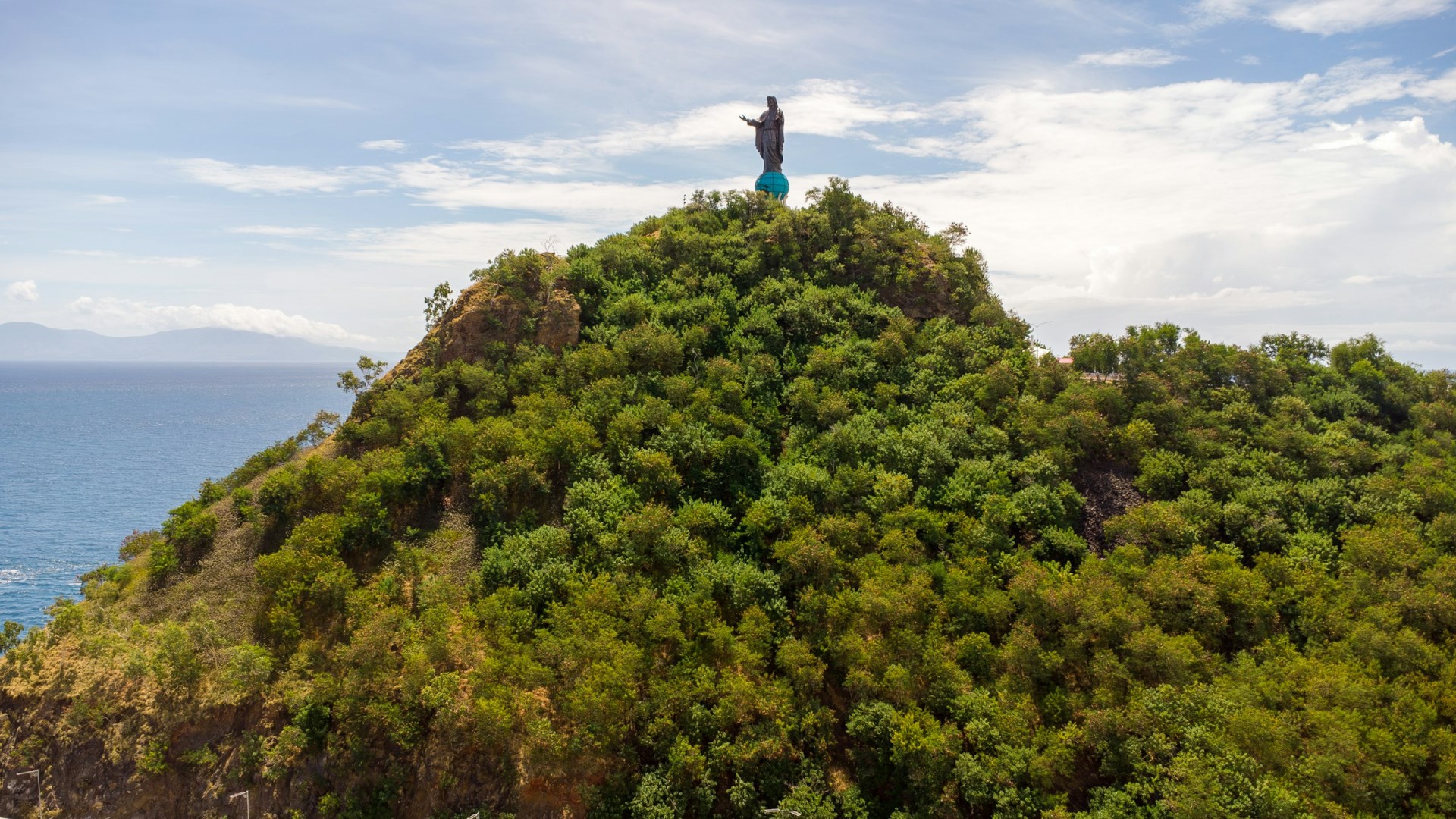
Dili's cultural landscape reflects Timor-Leste's Portuguese, Indonesian, and indigenous heritage. The Immaculate Conception Cathedral is an important Catholic landmark, while the Cristo Rei statue on a headland east of the city has become one of Dili's best-known symbols. Local communities maintain customary traditions involving family, village relationships, ceremonies, and traditional textiles. Tais, handwoven cloth produced in different parts of Timor-Leste, is used for clothing, ceremonial exchanges, and important social occasions. Dili's markets and public spaces bring together people from many of the country's linguistic and cultural communities, making the capital a useful place to encounter Timor-Leste's diverse identity.
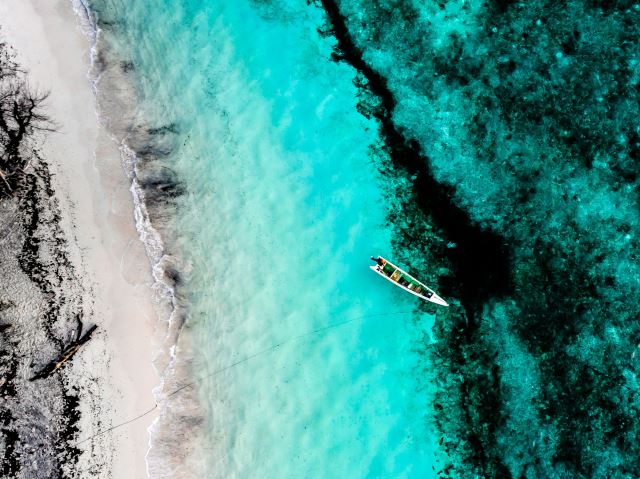
Dili's coastline provides several accessible attractions, including Areia Branca Beach and the Cristo Rei coastal area, where paths lead toward viewpoints overlooking the bay. The Resistance Museum documents Timor-Leste's struggle for independence and provides context for understanding the country's modern national identity. The Santa Cruz Cemetery is another significant site connected with the country's history and public memory. Offshore, Atauro Island can be reached from Dili and is known for coral reefs, marine biodiversity, and mountain villages. The surrounding mountains also offer hiking opportunities and views across the city, bay, and nearby coastline.
Food in Dili reflects Timor-Leste's agricultural traditions and coastal location, with rice, corn, cassava, vegetables, tropical fruit, and seafood appearing frequently in local meals. Fresh fish and other marine products are readily available in markets and restaurants, while coffee from Timor-Leste's highland regions is an important local product. Markets such as Taibessi provide access to fresh produce and everyday foods, while small restaurants serve Timorese dishes alongside Indonesian and Portuguese-influenced cooking. Dili's combination of coastal scenery, historic sites, traditional crafts, and diverse food culture makes it a useful introduction to the country and its communities.
Other Popular Destinations in Timor-Leste