

East and Southeast Asia | Timor-Leste | Baucau
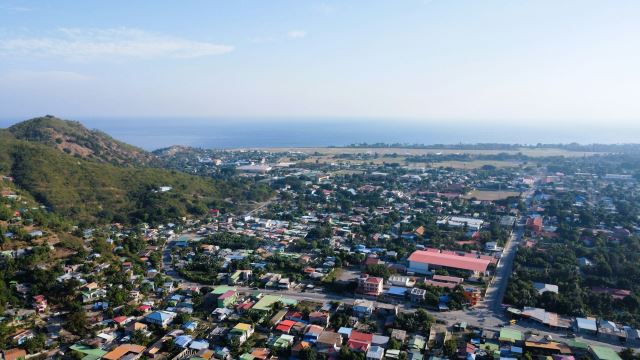
Baucau is Timor-Leste's second-largest city, located on the country's north coast on a plateau above the Ombai Strait. The city is surrounded by limestone hills, agricultural land, and tropical vegetation, with a cooler climate than the low-lying coastal plain below. Baucau is divided broadly into the older Vila Nova area and the historic Vila Velha, where colonial-era buildings, churches, and public spaces remain. Its location between the coast and the mountains makes it a useful base for exploring eastern Timor-Leste, while its markets and neighborhoods provide a view of everyday life beyond the capital.
Baucau's cultural identity reflects Timor-Leste's Portuguese, Indonesian, and indigenous influences. Vila Velha contains several historic structures, including the old municipal market and buildings associated with the former colonial administration. The town's churches and religious traditions are important parts of community life, while local communities maintain customary practices connected with land, family, and village relationships. Tetum is widely spoken alongside other local languages, including Makasae in parts of the wider Baucau area. Traditional tais weaving also remains an important Timorese craft, with handwoven textiles used for clothing, ceremonies, gifts, and cultural expression.
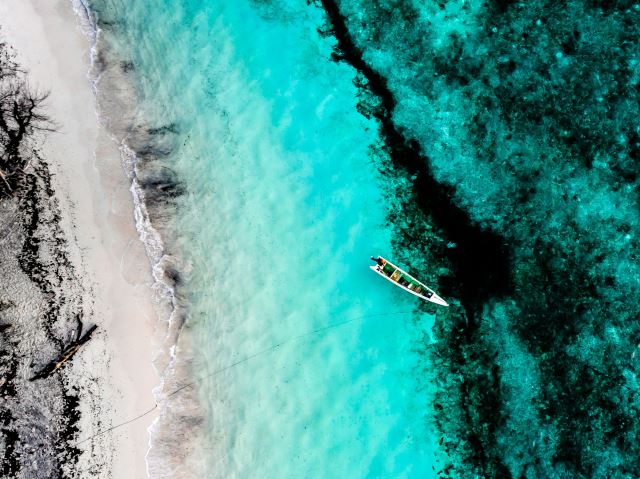
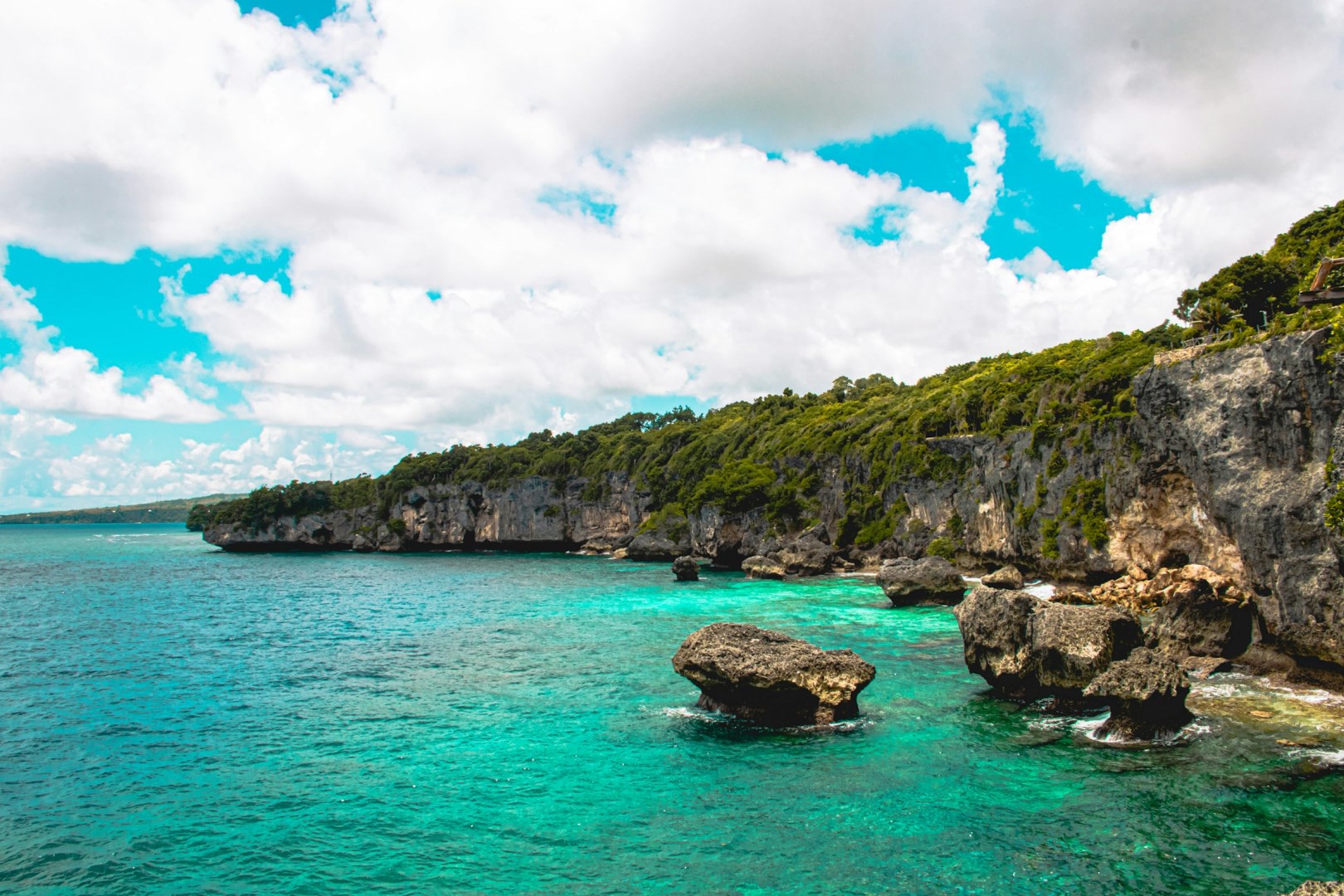
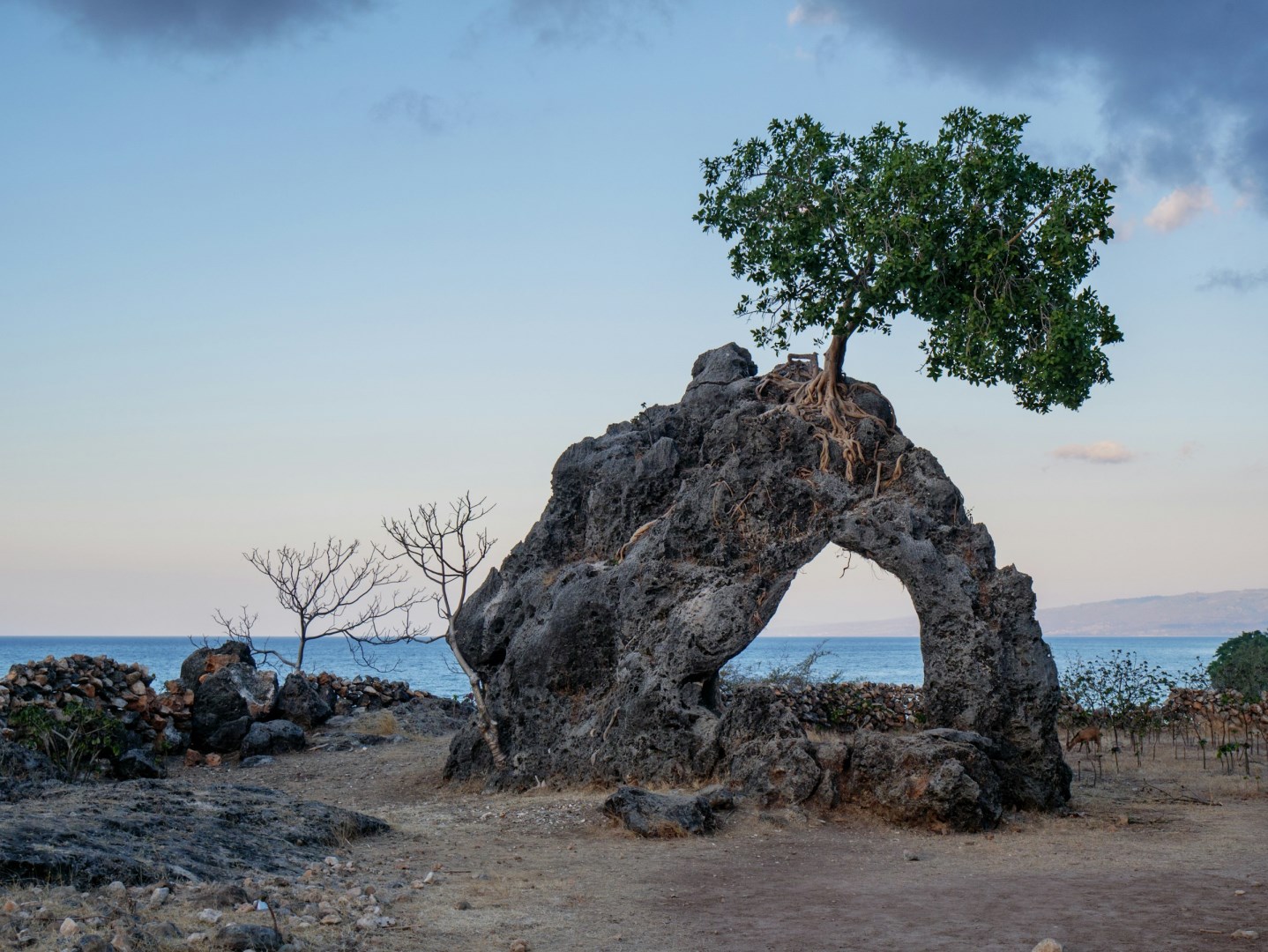
The landscape around Baucau offers a combination of limestone formations, springs, beaches, and forested hills. Venilale, in the surrounding municipality, is known for the former Colégio de Santa Isabel and nearby caves and tunnels cut into the hills. Baucau's Pousada de Baucau occupies a historic building on the plateau and overlooks the coastal plain. Below the city, Baucau Beach provides access to the sea, while the surrounding countryside contains agricultural villages and tropical vegetation. The area also has freshwater springs, including those traditionally used by local communities for water and recreation.
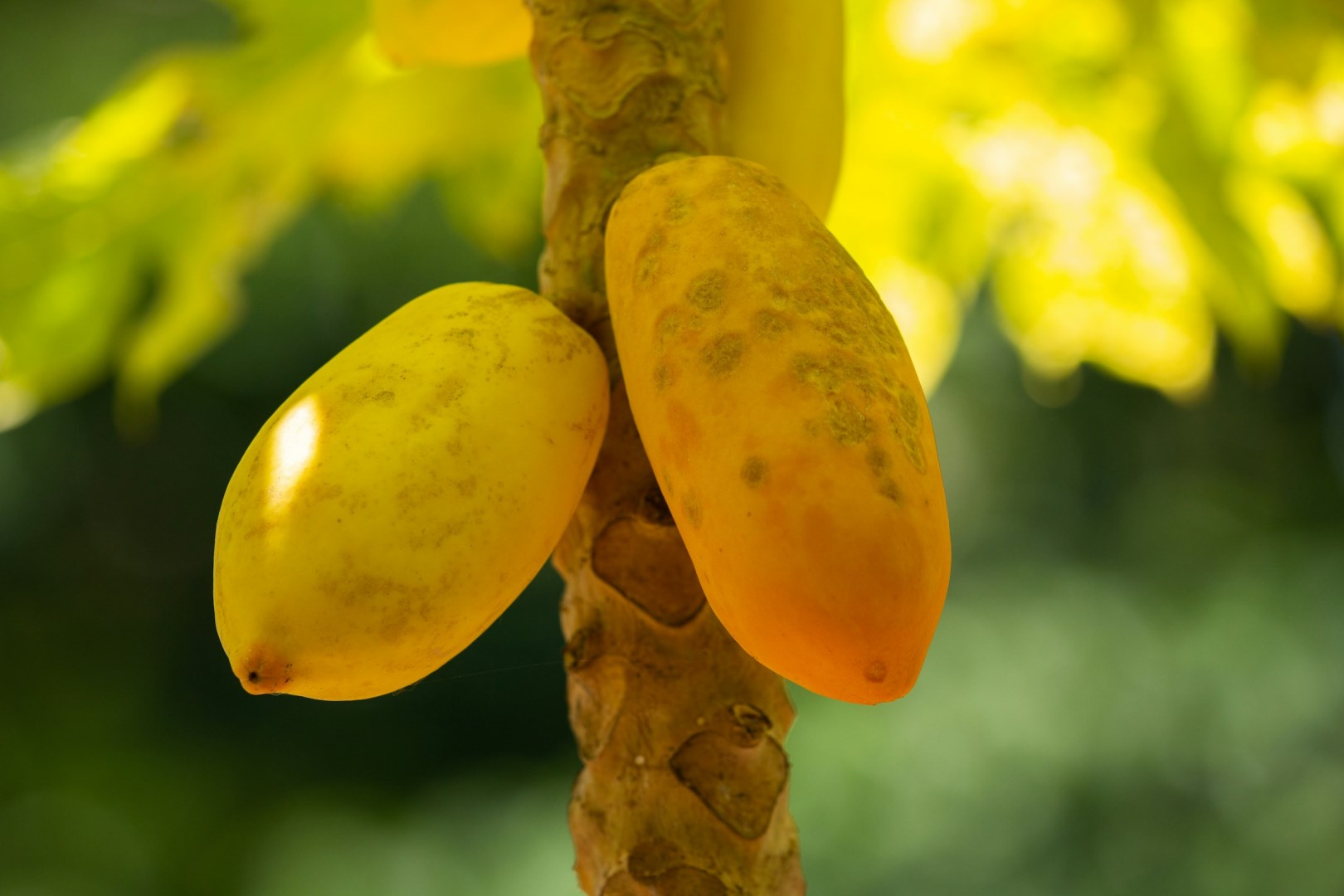
Food in Baucau reflects Timor-Leste's agricultural and coastal resources, with rice, corn, cassava, vegetables, coconut, and seafood forming part of local diets. Markets provide fresh produce and prepared foods, while coffee from Timor-Leste's highland growing regions is widely consumed. Baucau's traditional markets are particularly useful for seeing local ingredients and everyday commerce. Tais weaving is another distinctive part of the local economy and culture, with patterns and colors varying between communities. The combination of historic architecture, customary traditions, limestone landscapes, agricultural villages, and coastal access gives Baucau a distinctive role in eastern Timor-Leste.
Other Popular Destinations in Timor-Leste