


Australia & New Zealand | Australia | Grampians National Park
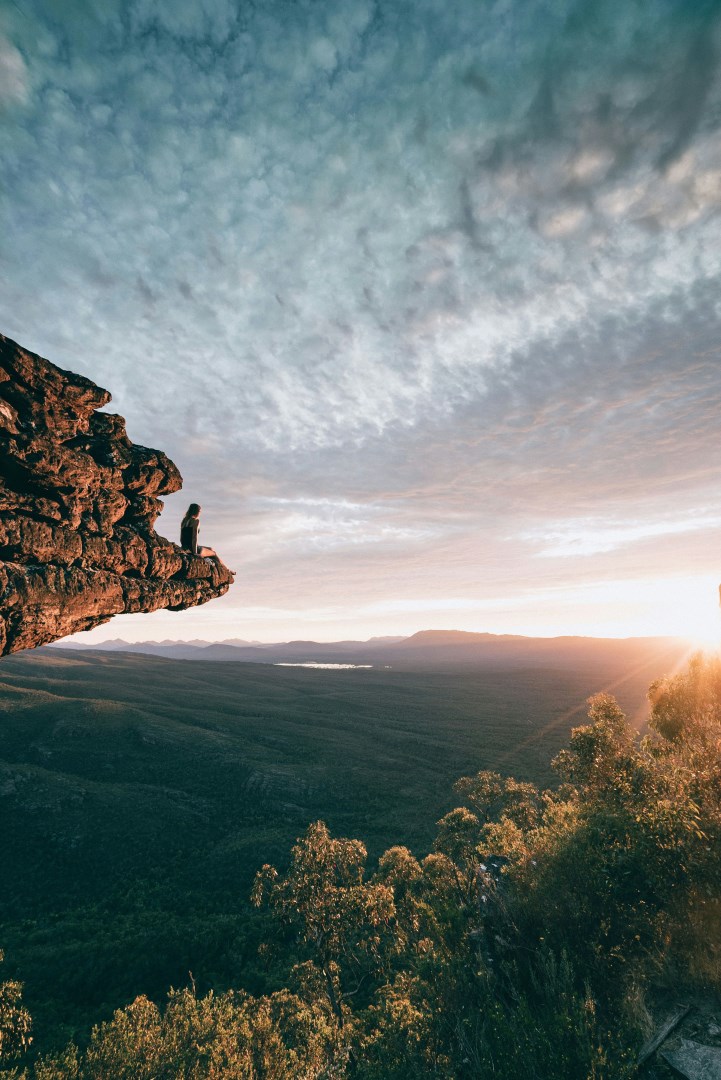

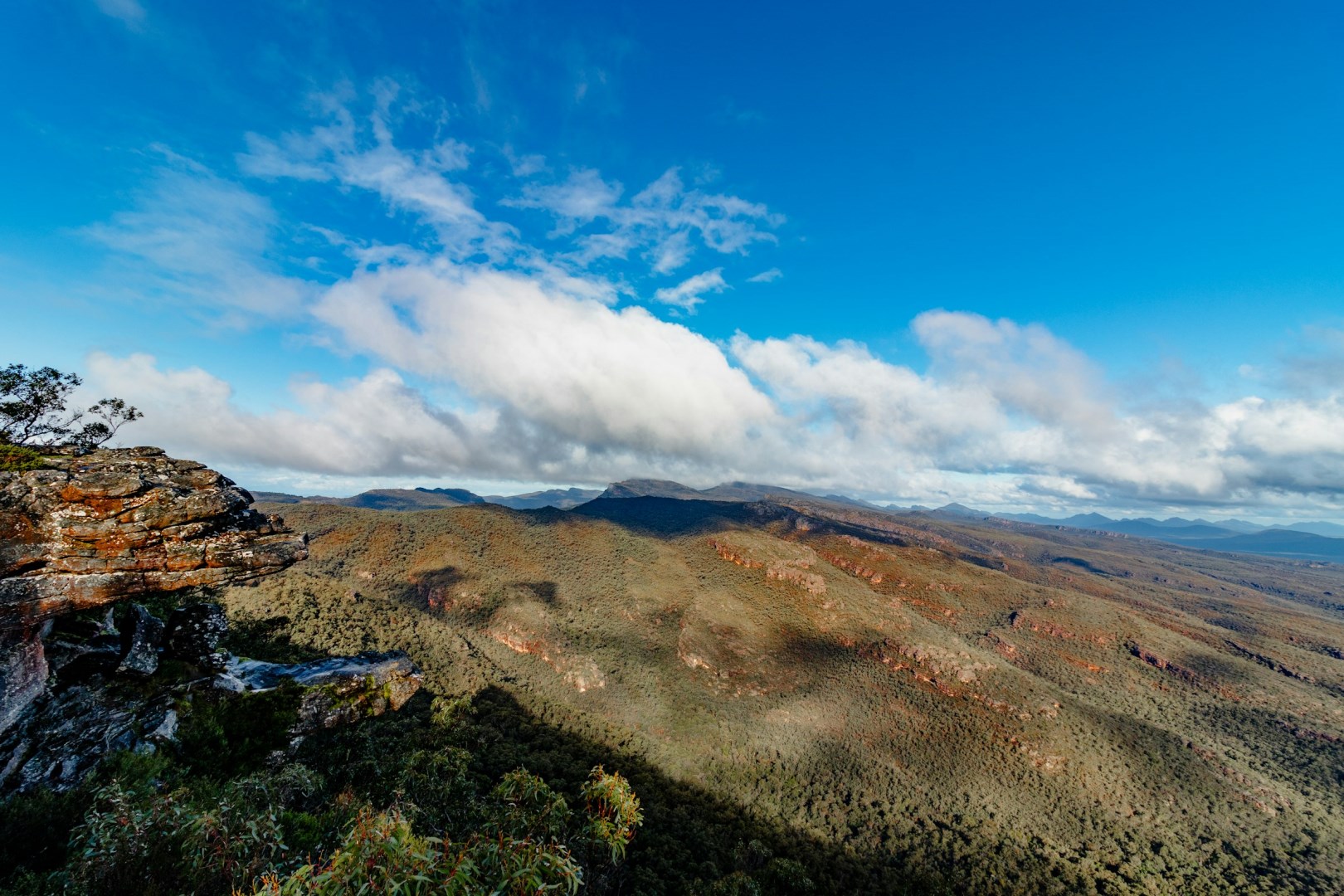
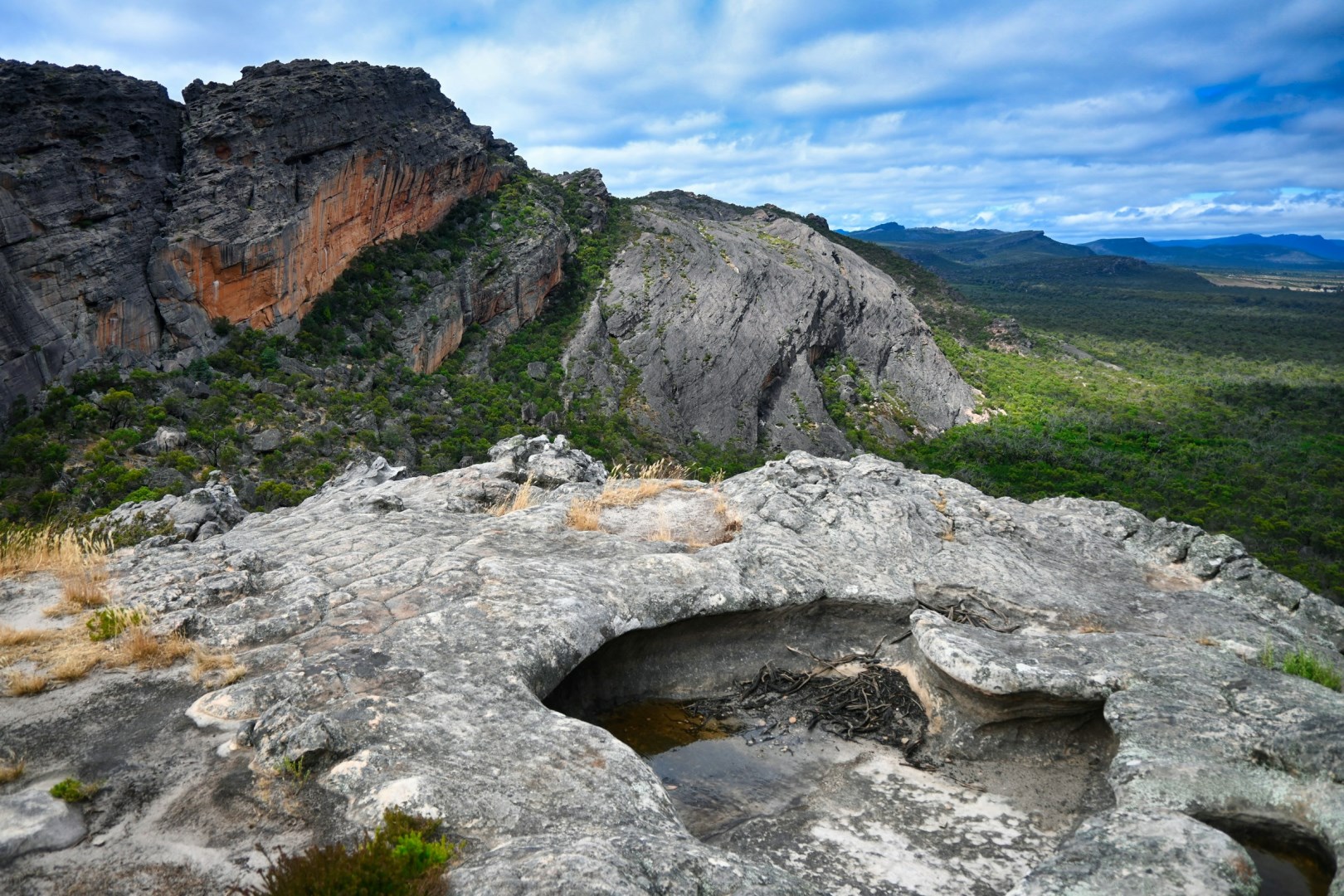
Grampians National Park, known as Gariwerd by the Traditional Owners, is a mountainous landscape in western Victoria defined by sandstone ranges, rocky escarpments, forests, waterfalls, and broad valleys. The park forms part of the Grampians-Gariwerd region and contains some of Victoria’s most extensive areas of protected native habitat. Its ridgelines rise prominently above the surrounding Wimmera plains, while walking tracks connect viewpoints, waterfalls, rock formations, and sheltered valleys. The landscape changes with elevation, from open woodland and grassland to denser forest around creeks and higher slopes.
Gariwerd has profound cultural significance for the Djab Wurrung and Jardwadjali peoples, whose connection to the landscape extends across generations. The park contains one of the largest concentrations of Indigenous rock art sites in southeastern Australia, with paintings and engravings found in caves and rock shelters. Important sites include Gulgurn Manja, Ngamadjidj, and Manja, where visitors can see examples of traditional art. The cultural landscape also includes stories, places, and pathways connected with Traditional Owner knowledge, making Indigenous heritage an essential part of understanding the region.
The park contains numerous natural landmarks and walking destinations. Mackenzie Falls is one of its best-known waterfalls, dropping through a rocky gorge surrounded by forest. The Pinnacle provides views across the valleys and surrounding ranges, while Boroka Lookout offers a broad perspective over Halls Gap and the plains beyond. Mount William is the highest point in the Grampians and provides views across the surrounding countryside. Other notable formations include the Balconies, Reed Lookout, and the sandstone cliffs and caves scattered throughout the ranges.
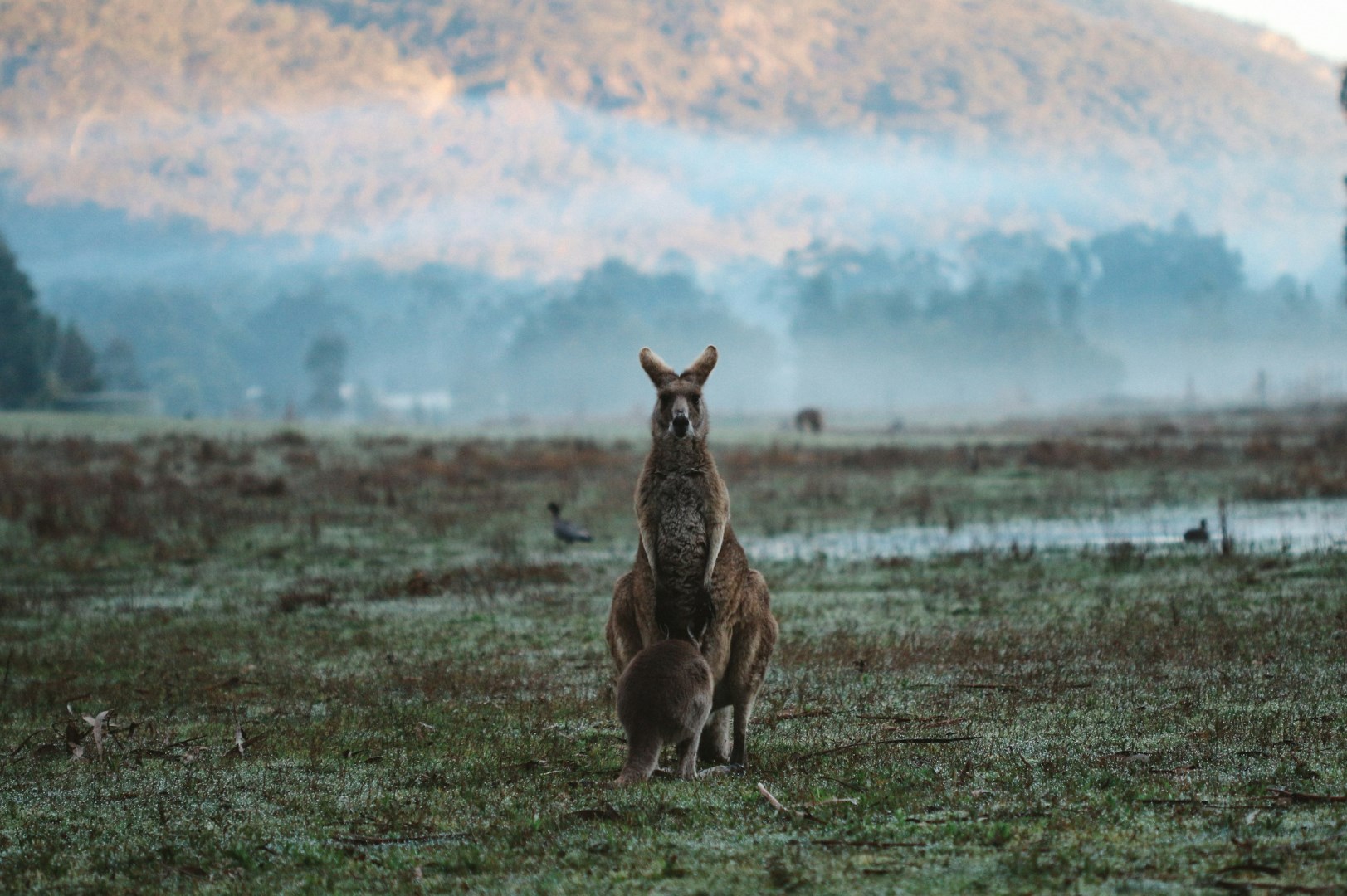
Gariwerd supports a wide range of Australian wildlife, including eastern grey kangaroos, swamp wallabies, emus, echidnas, and numerous native bird species. The park is also known for its diverse plant communities, with wildflowers appearing across woodland, heath, and grassland areas during suitable seasons. Halls Gap, located within the park region, provides accommodation, food, and access to many walking routes. Visitors can experience the area through hiking, wildlife observation, scenic drives, and Indigenous cultural sites, while respecting Traditional Owner guidance and the fragile natural environment.
Other Popular Destinations in Australia


