



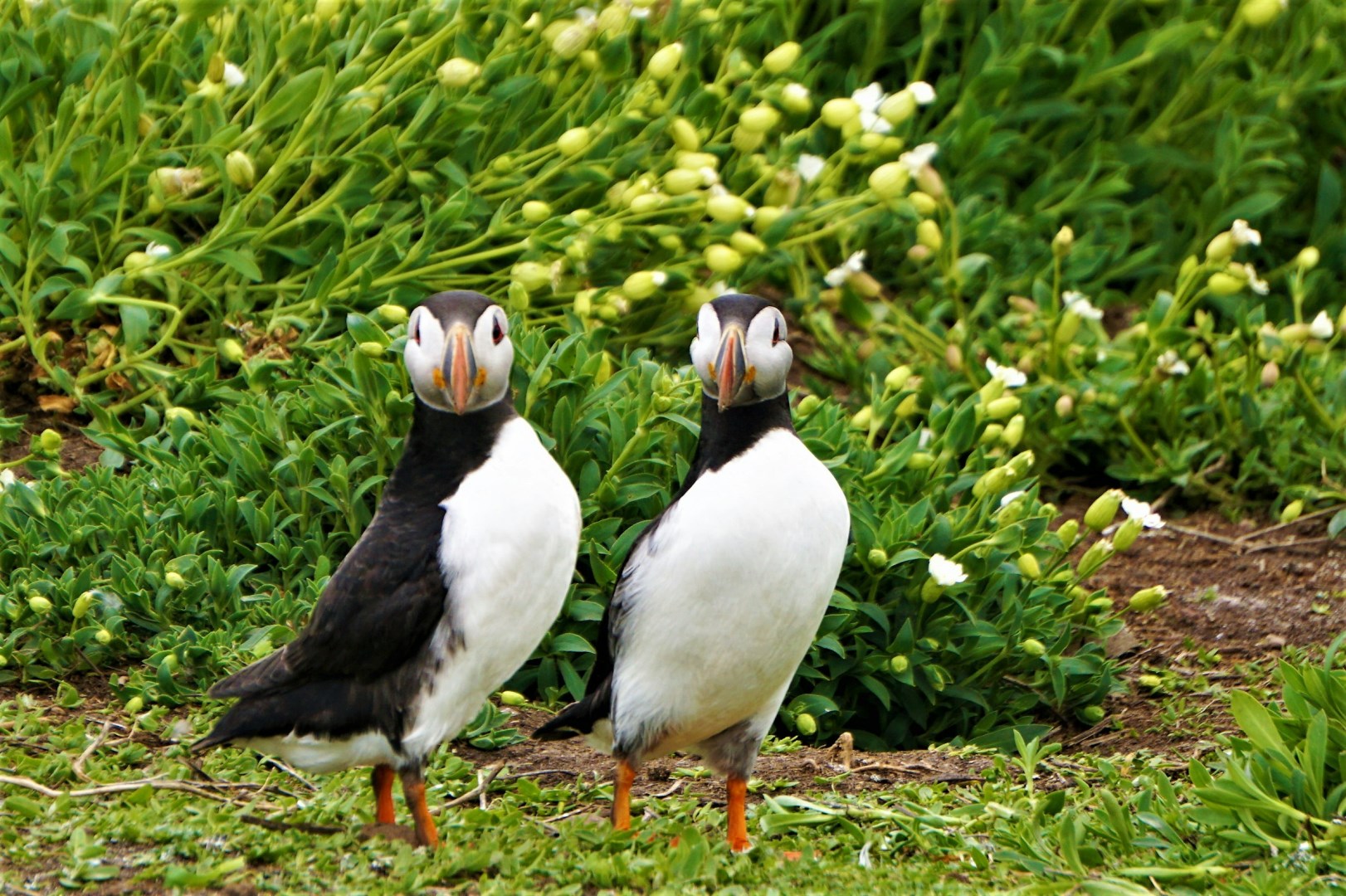
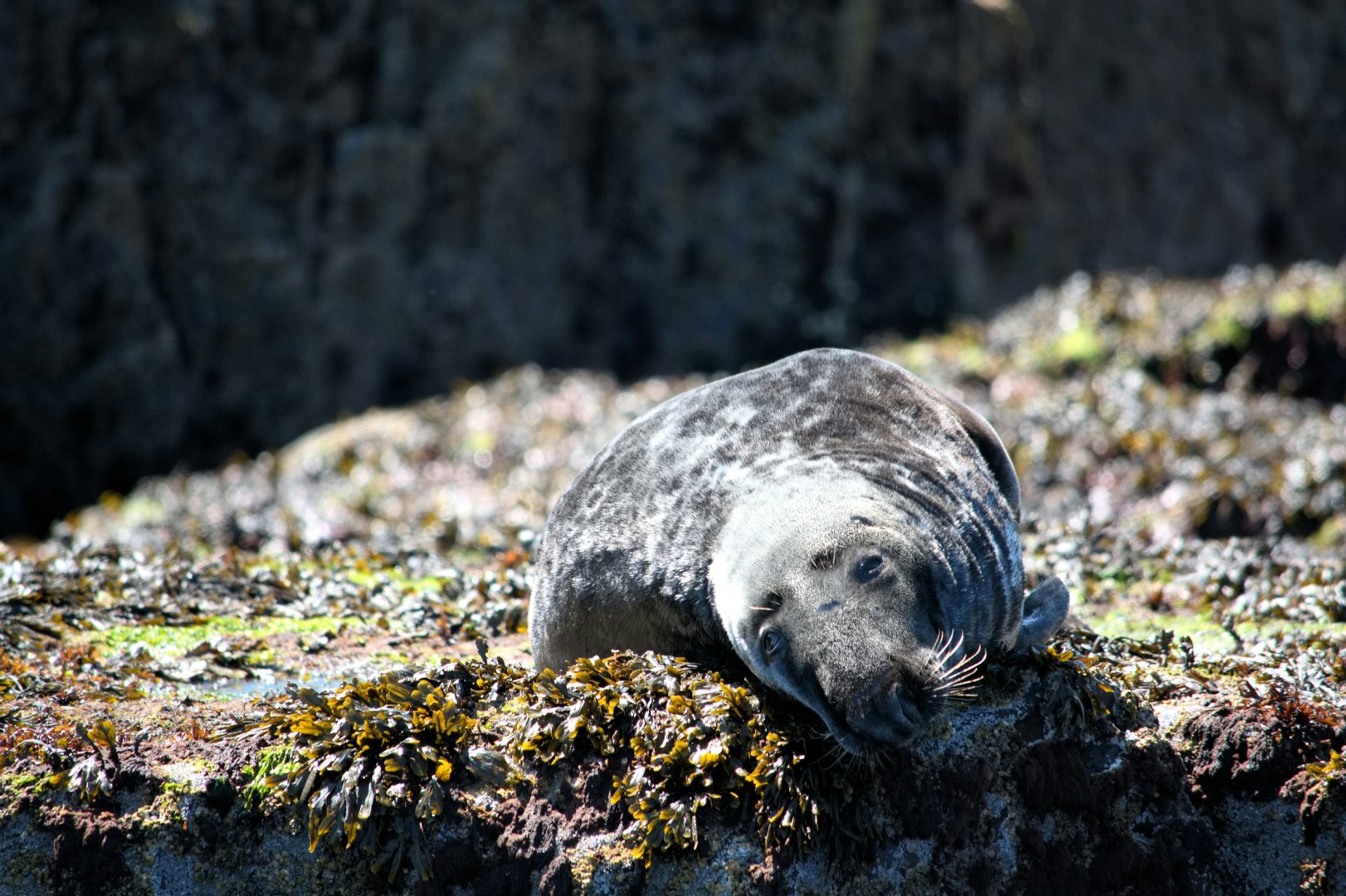
The Farne Islands are a group of rocky islands off the Northumberland coast in northeast England, separated from the mainland by the waters of the North Sea. The archipelago consists of the Inner and Outer Farne Islands and is known for its exposed cliffs, sea caves, rocky shores, and internationally important wildlife colonies. The islands have no permanent population and are reached by boat from nearby Seahouses. Their isolation has helped protect important breeding grounds for seabirds and Atlantic grey seals, while the surrounding waters form an important part of the marine environment along the Northumberland coast.
The islands have a strong religious heritage associated with Saint Cuthbert, who lived as a hermit on Inner Farne. St Cuthbert’s Chapel, with its stone structure and surviving decorative features, remains an important reminder of this period of religious life. Over the centuries, the islands were also occupied by monks, lighthouse keepers, soldiers, and other temporary residents. Longstone Lighthouse is particularly associated with Grace Darling, who helped rescue survivors from a shipwreck near the islands. The combination of religious remains, maritime structures, and wildlife conservation gives the Farnes a distinctive cultural identity.
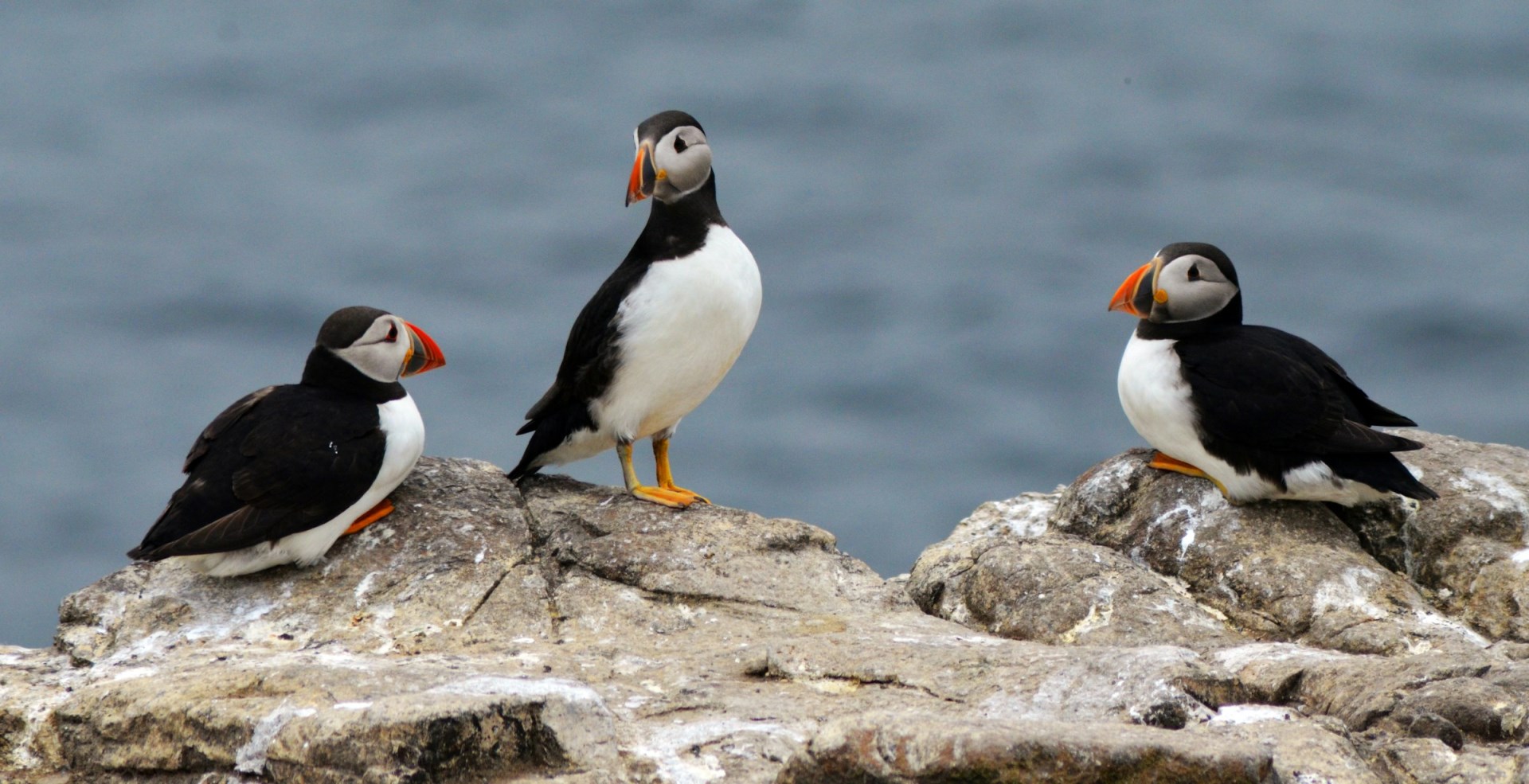
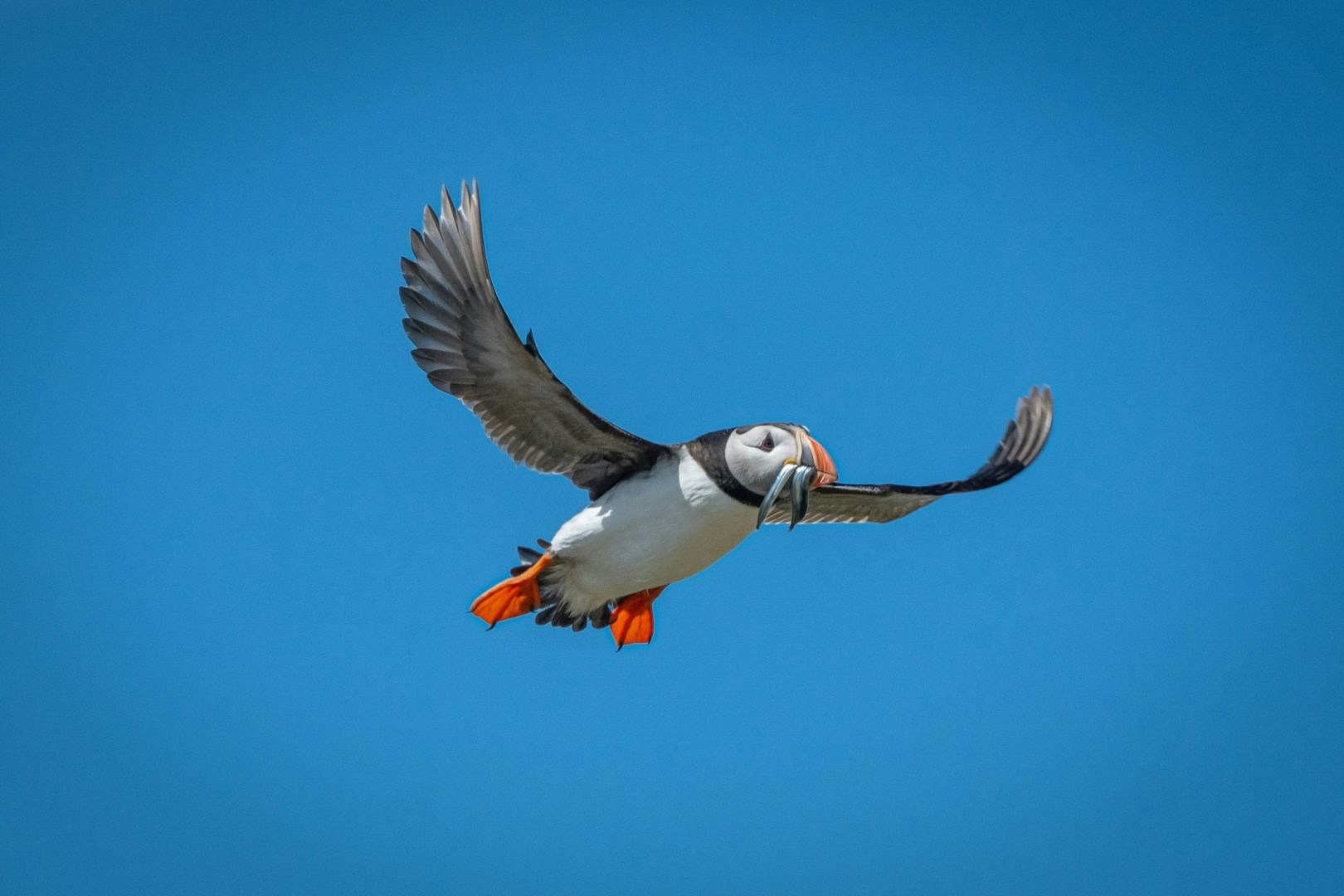
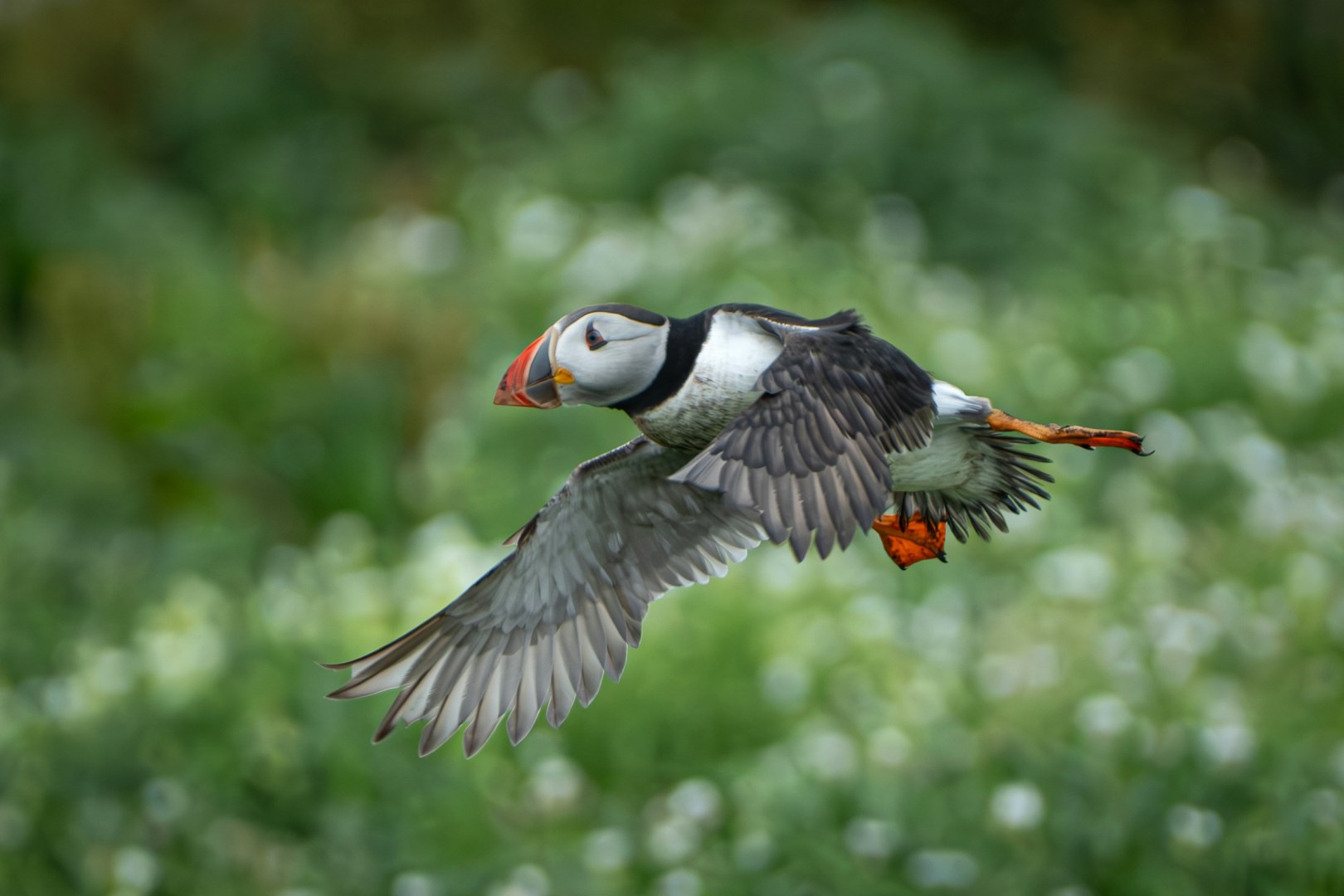
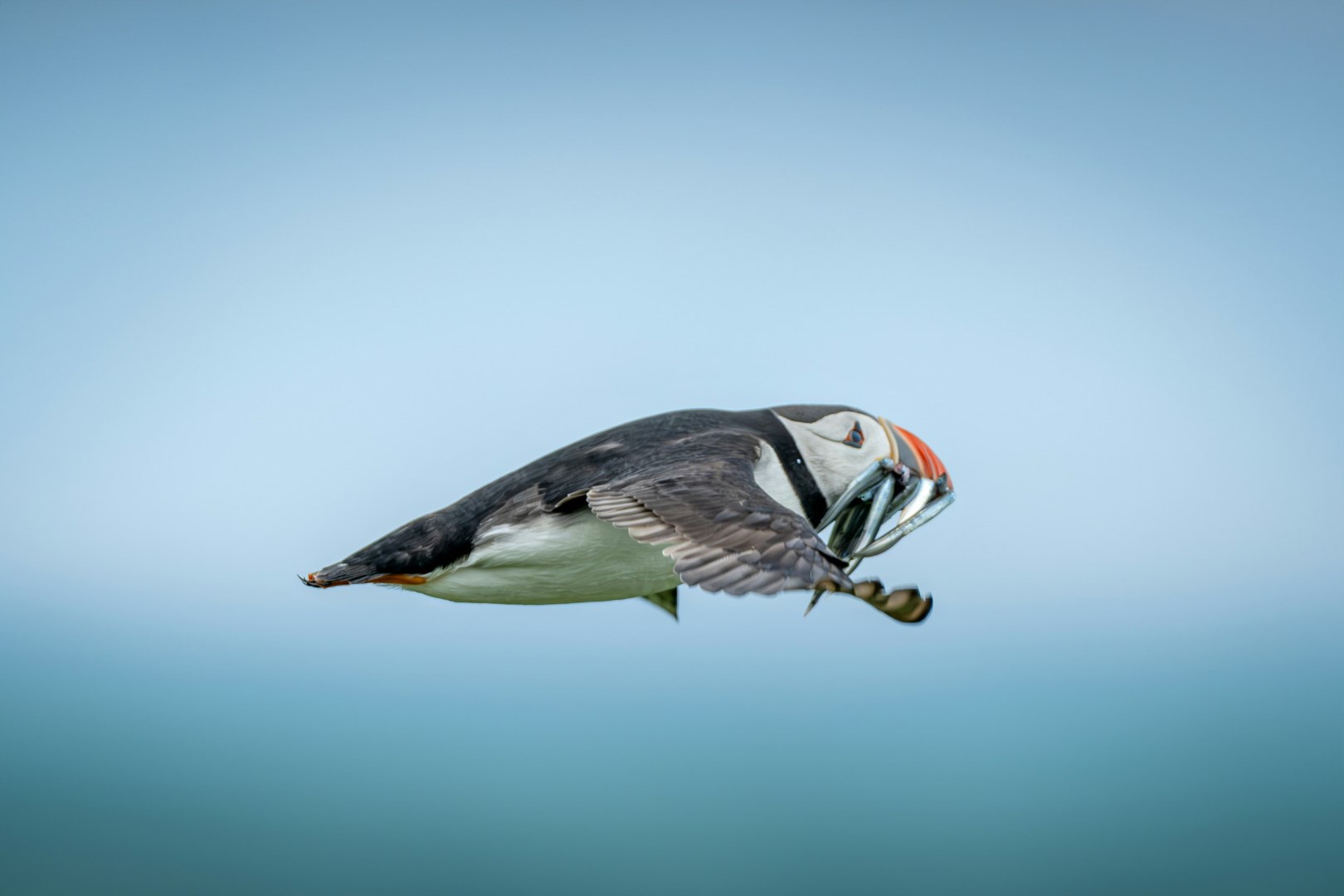
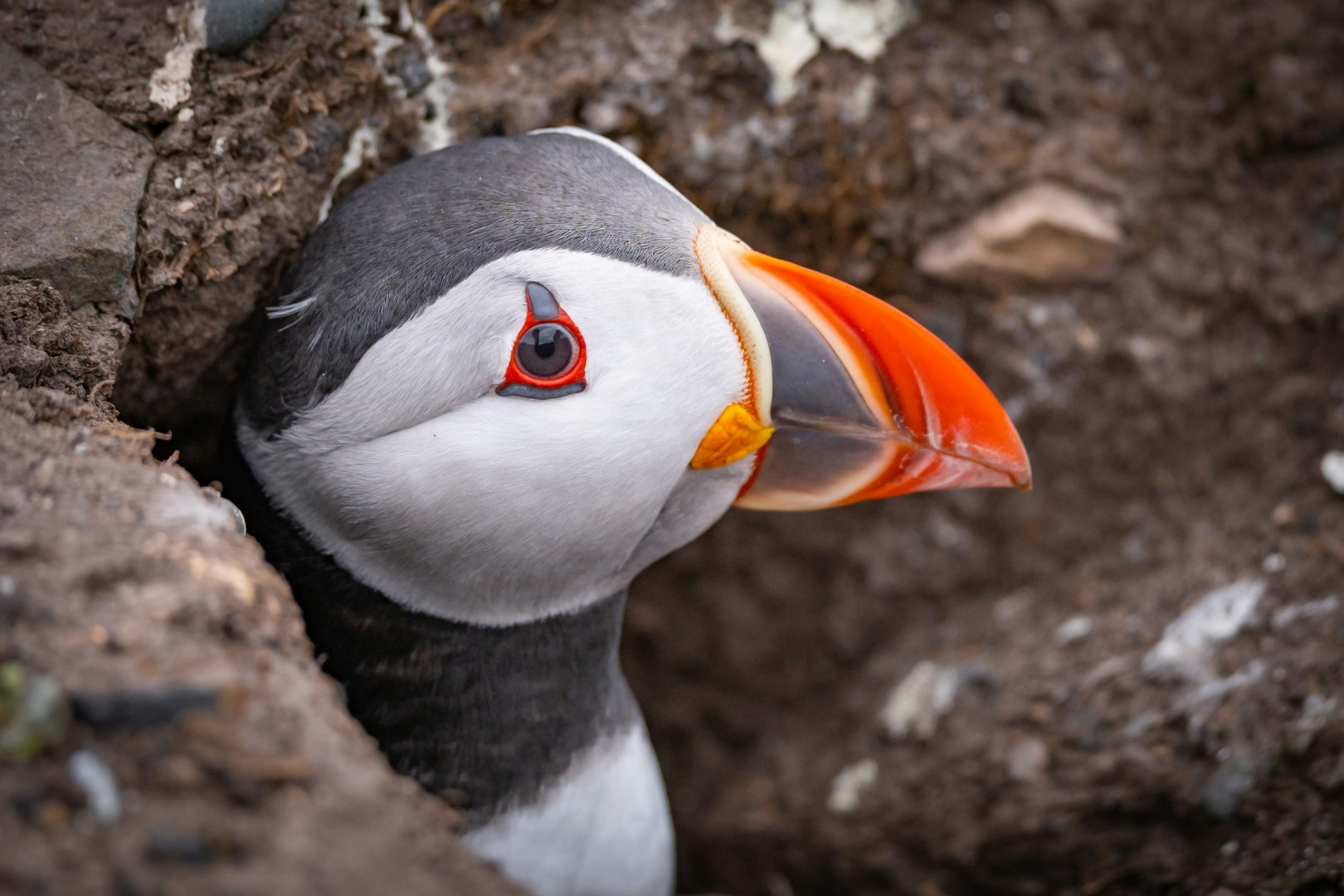
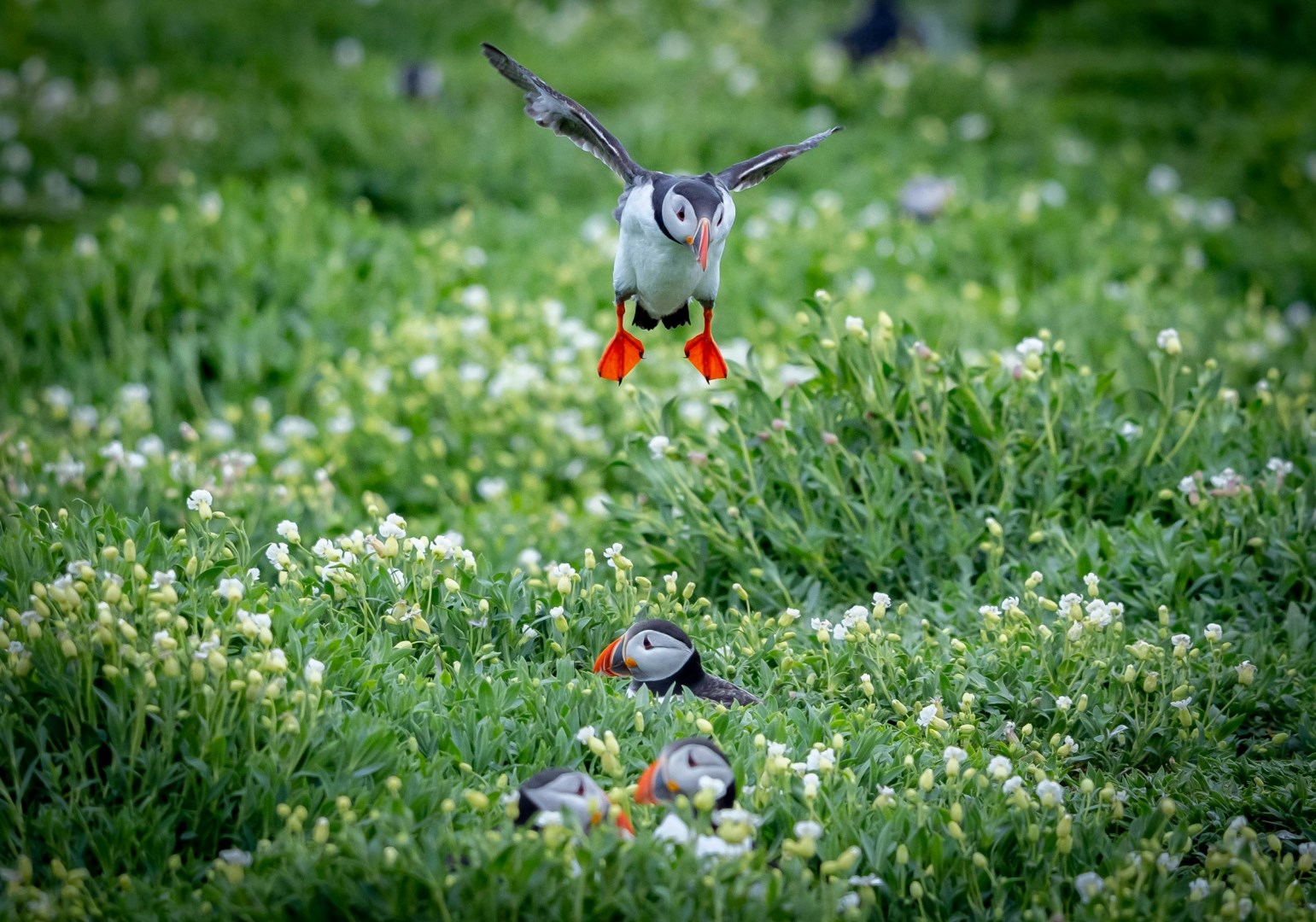
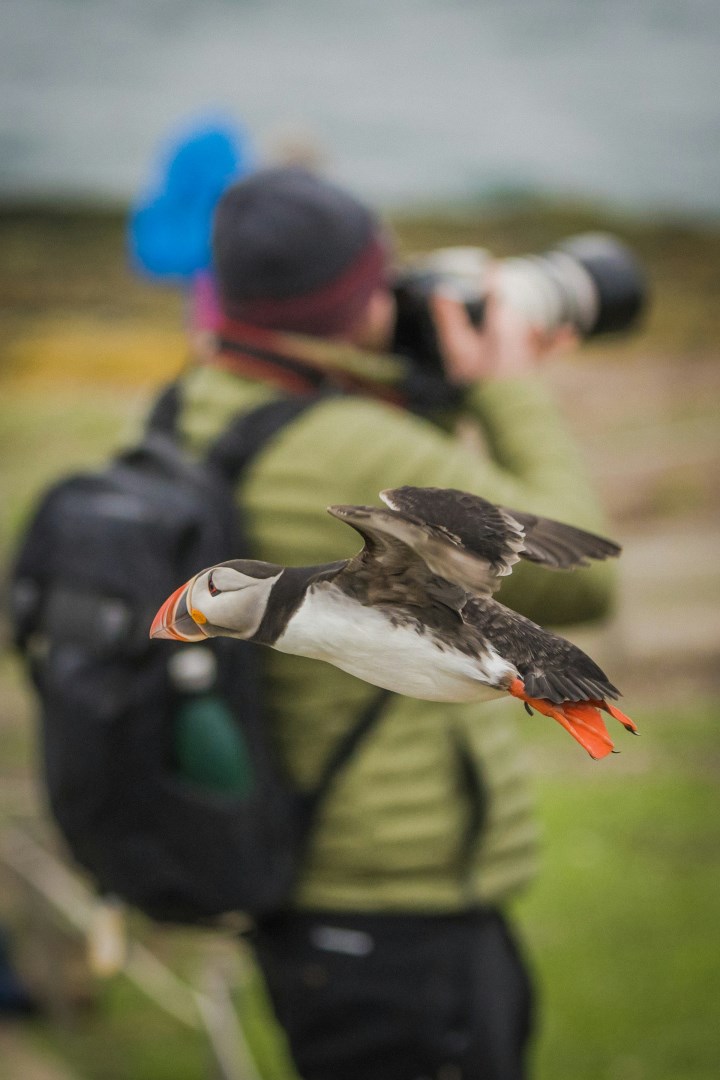
Wildlife is the principal attraction of the Farne Islands. During the breeding season, large numbers of puffins, Arctic terns, guillemots, razorbills, kittiwakes, shags, and eider ducks gather on the cliffs and rocky ledges. The islands are also home to a major colony of Atlantic grey seals, with seal pups appearing in large numbers during the autumn. Boat trips from Seahouses allow visitors to sail around the islands, while seasonal landing trips provide access to Inner Farne and, when permitted, other islands. The surrounding cliffs, caves, beaches, and open sea create a landscape shaped by wind, waves, and wildlife.
The Farne Islands have no resident food culture, but the nearby fishing town of Seahouses provides the main starting point for visits and reflects the maritime character of the Northumberland coast. Local seafood is prominent in the area, particularly fish and shellfish landed along the North Sea coast. One unusual feature of the islands is the nickname “Cuddy’s ducks” for eider ducks, a reference to Saint Cuthbert and the tradition that he protected the birds from bad weather. The islands are also a National Nature Reserve and Site of Special Scientific Interest, with conservation work focused on protecting their seabirds, seals, habitats, and historic sites.
Other Popular Destinations in England


