

Africa | South Africa | Pilanesberg National Park



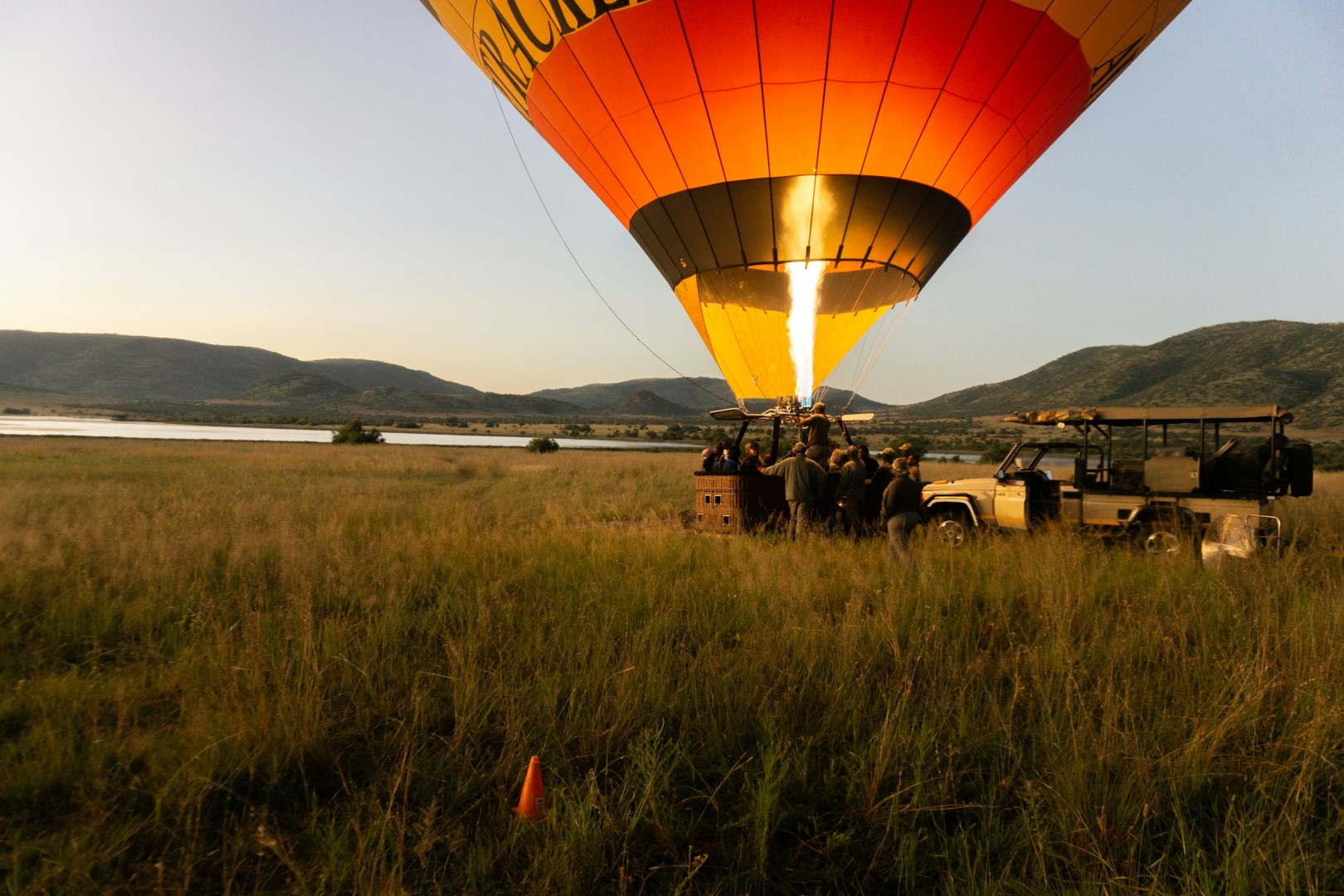
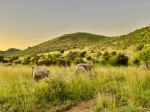
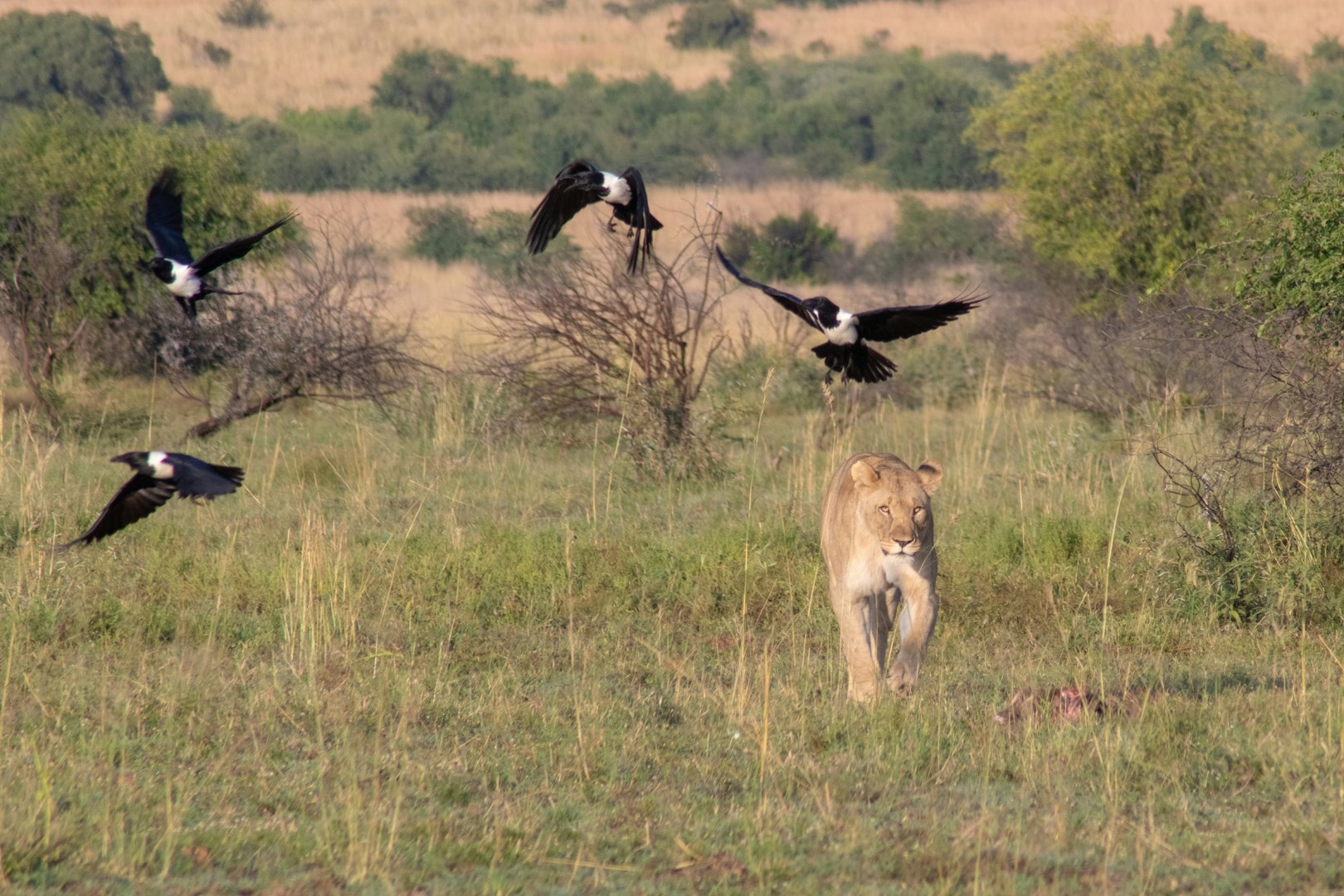
Pilanesberg National Park is a protected wildlife area in South Africa’s North West province, located within an ancient volcanic crater near Sun City. The park covers about 55,000 hectares and contains a varied landscape of hills, valleys, open grassland, woodland, and seasonal watercourses. Its geological setting is one of its defining features, with concentric ridges forming the remains of a long-eroded volcanic complex. The park is surrounded by the Pilanesberg Game Reserve area and lies within a region where conservation, tourism, local communities, and commercial development exist close together.
The Pilanesberg area has cultural connections with Tswana communities and the wider history of the North West province. The landscape also contains archaeological evidence of earlier human occupation, including stone tools and other traces associated with communities that used the region’s water and natural resources. Modern conservation has transformed former agricultural land into protected habitat, creating a refuge for wildlife in a region where farming and settlement remain important. The park’s proximity to Sun City has also shaped its tourism role, while local communities continue to contribute to the cultural identity of the surrounding area through language, crafts, food, and traditional practices.
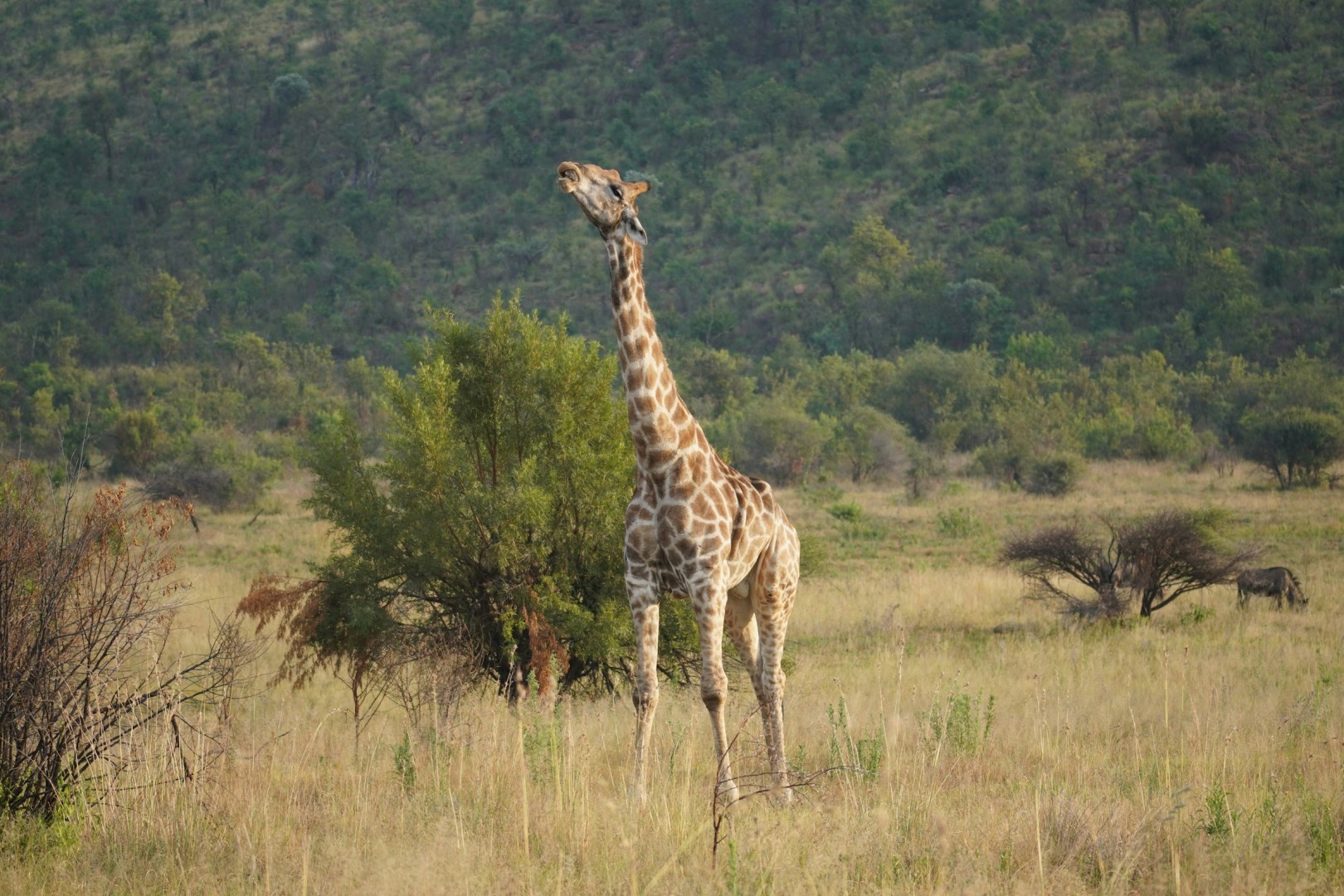
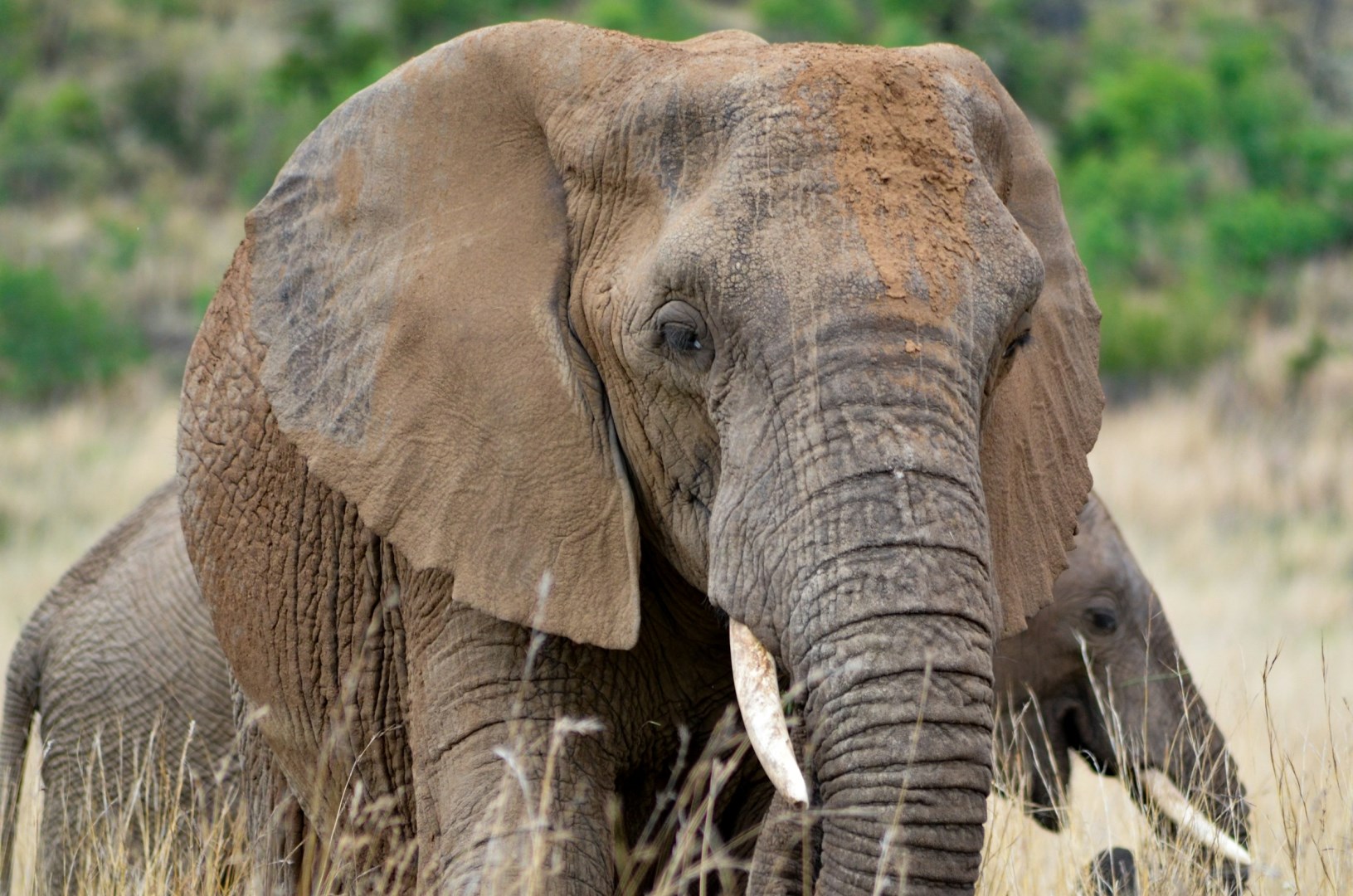
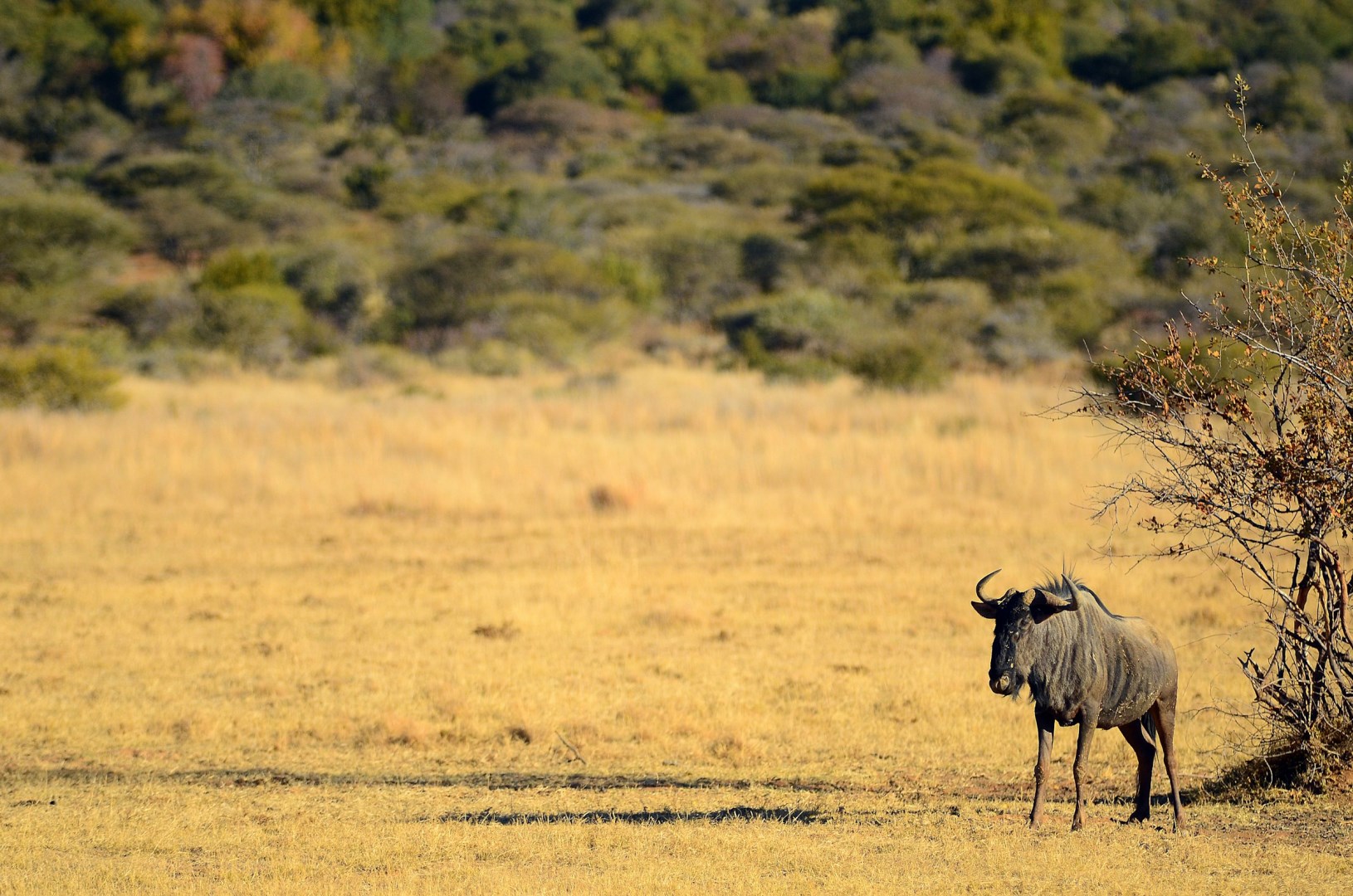
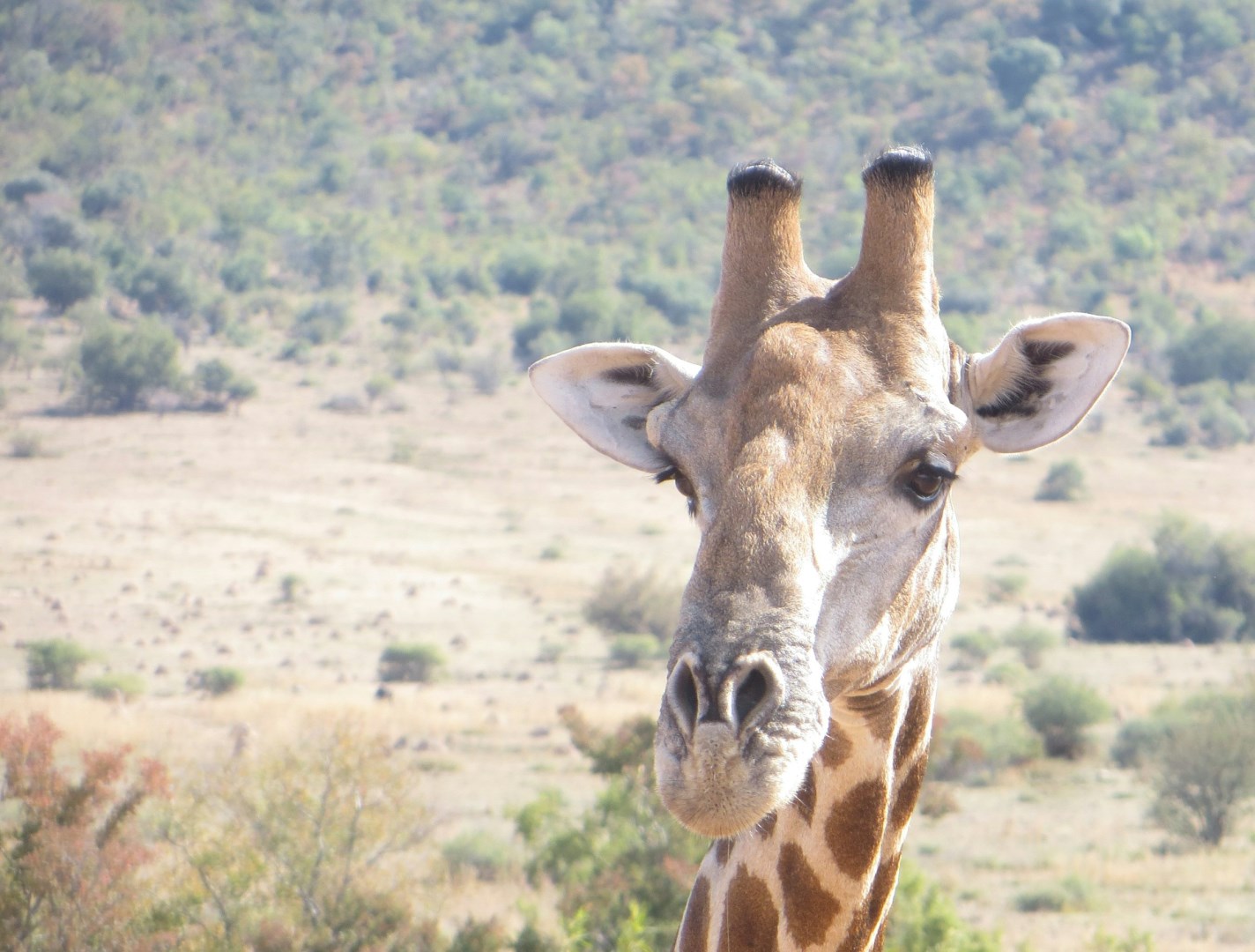
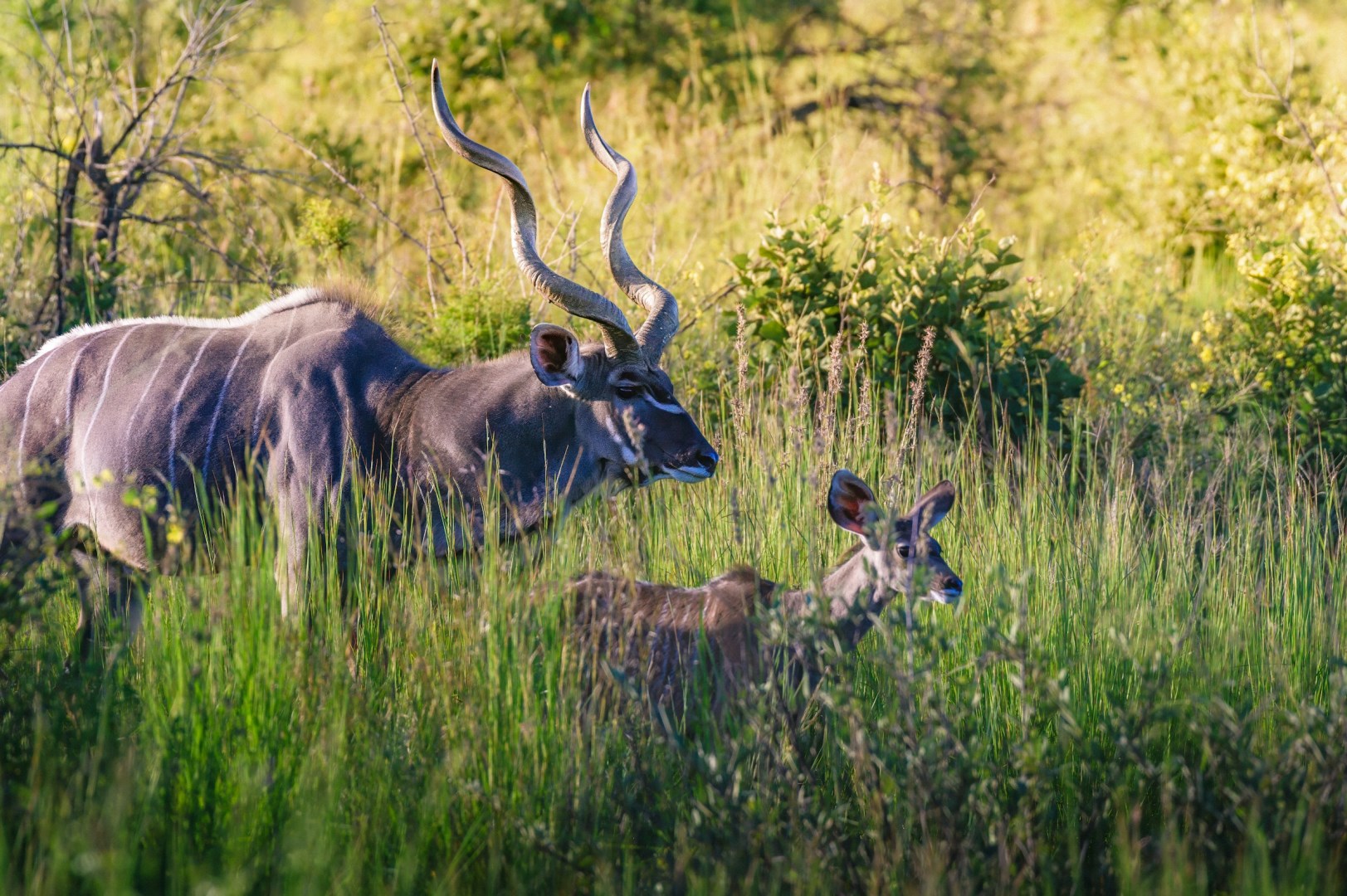
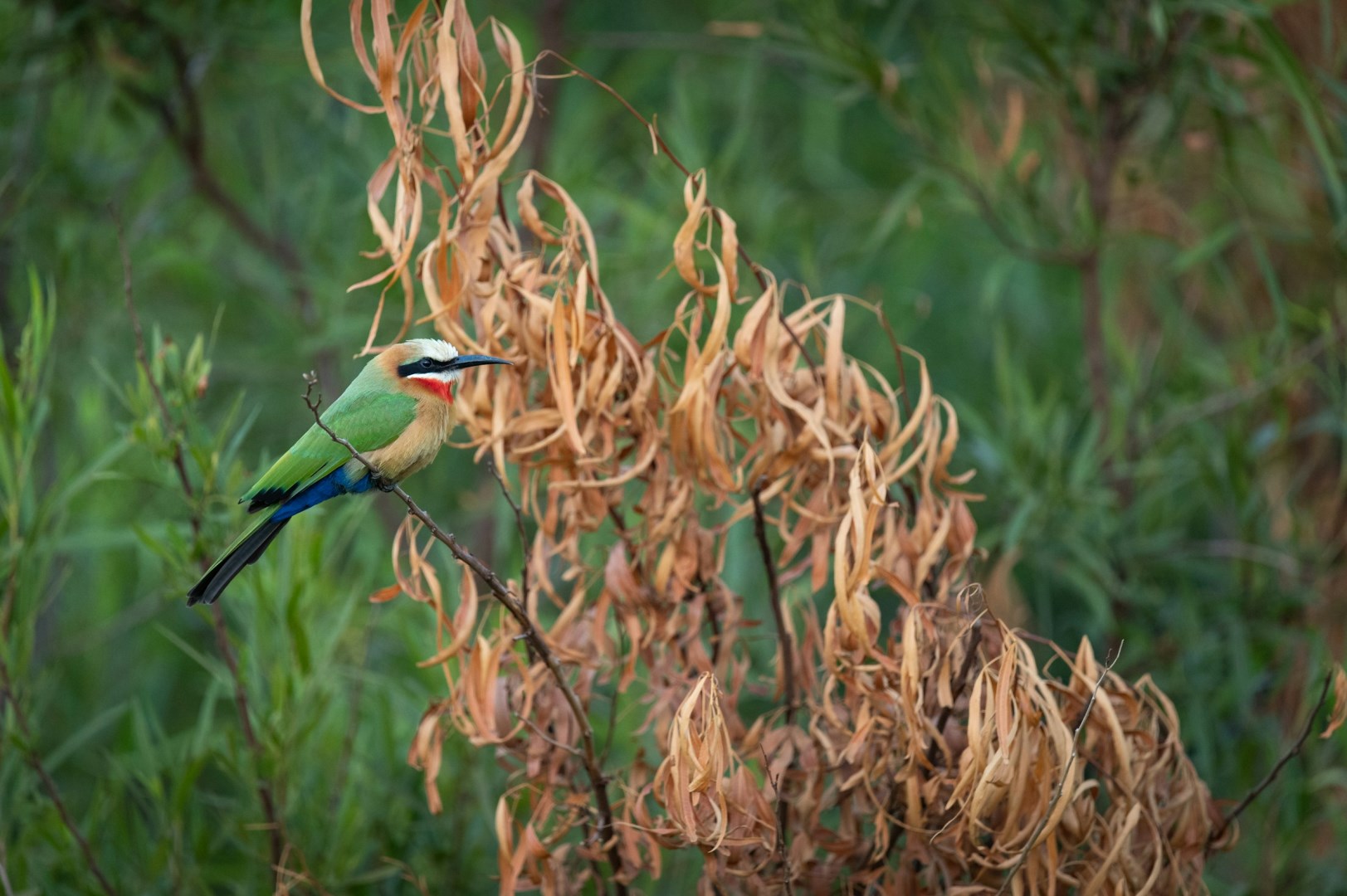
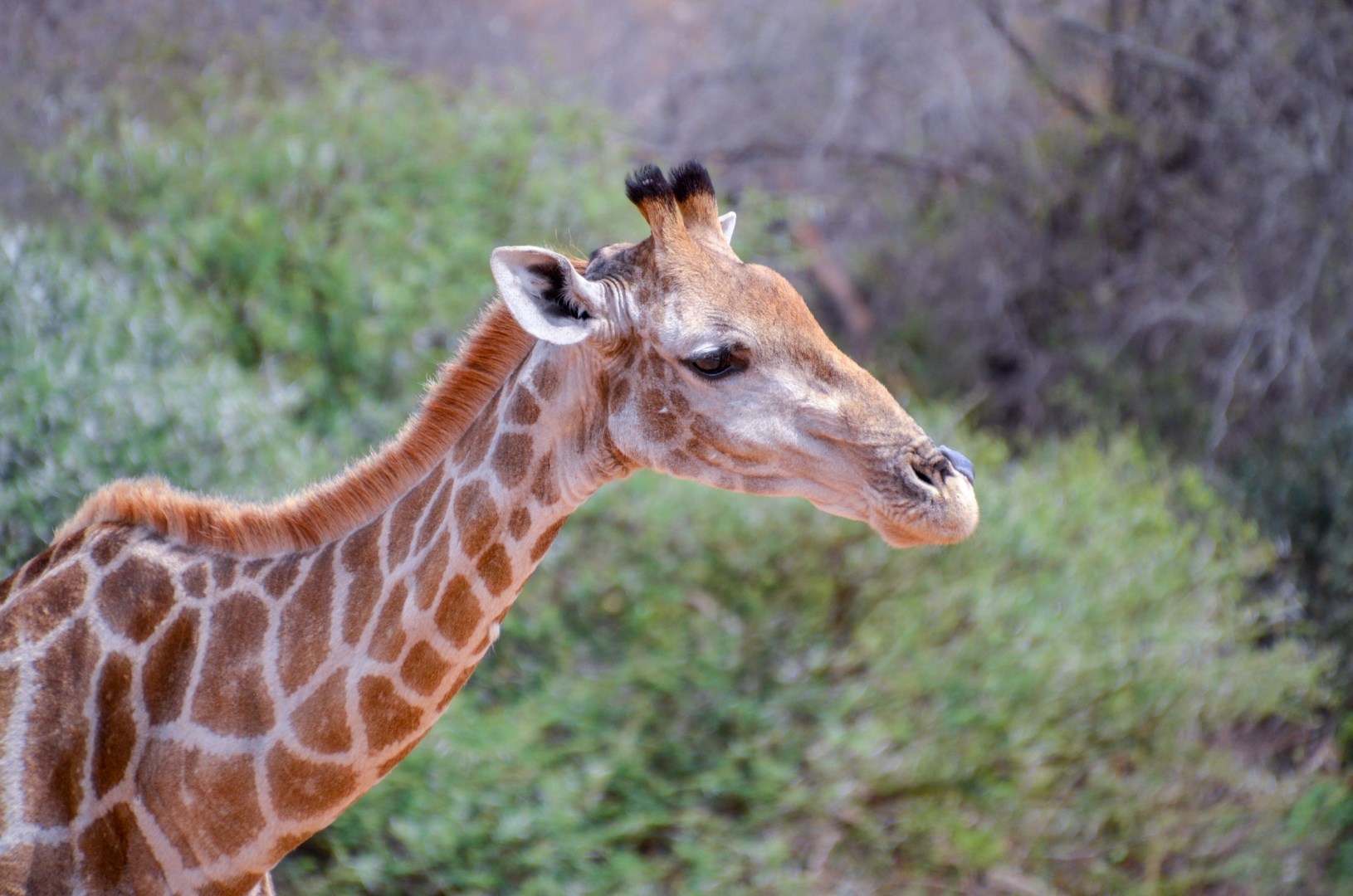
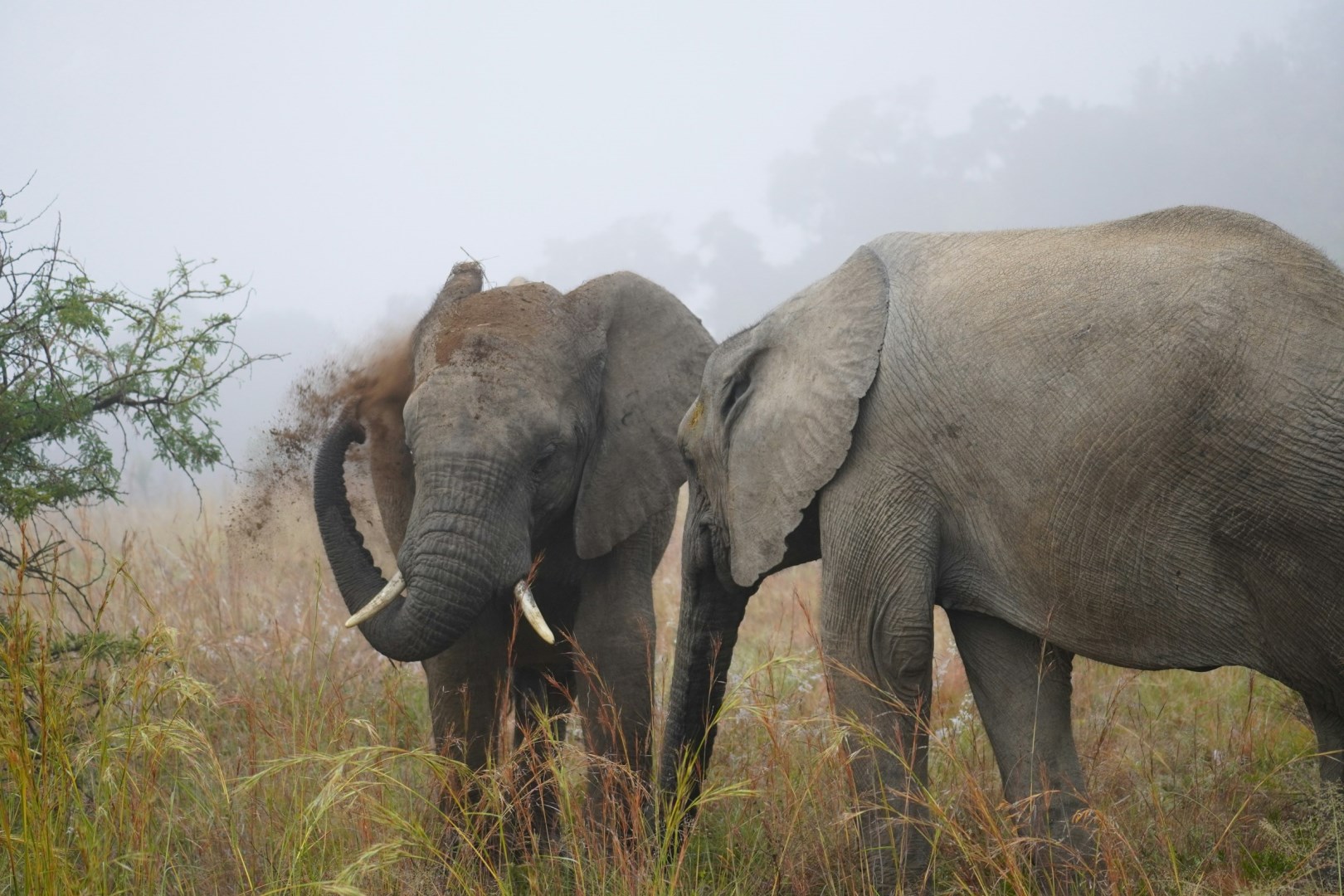
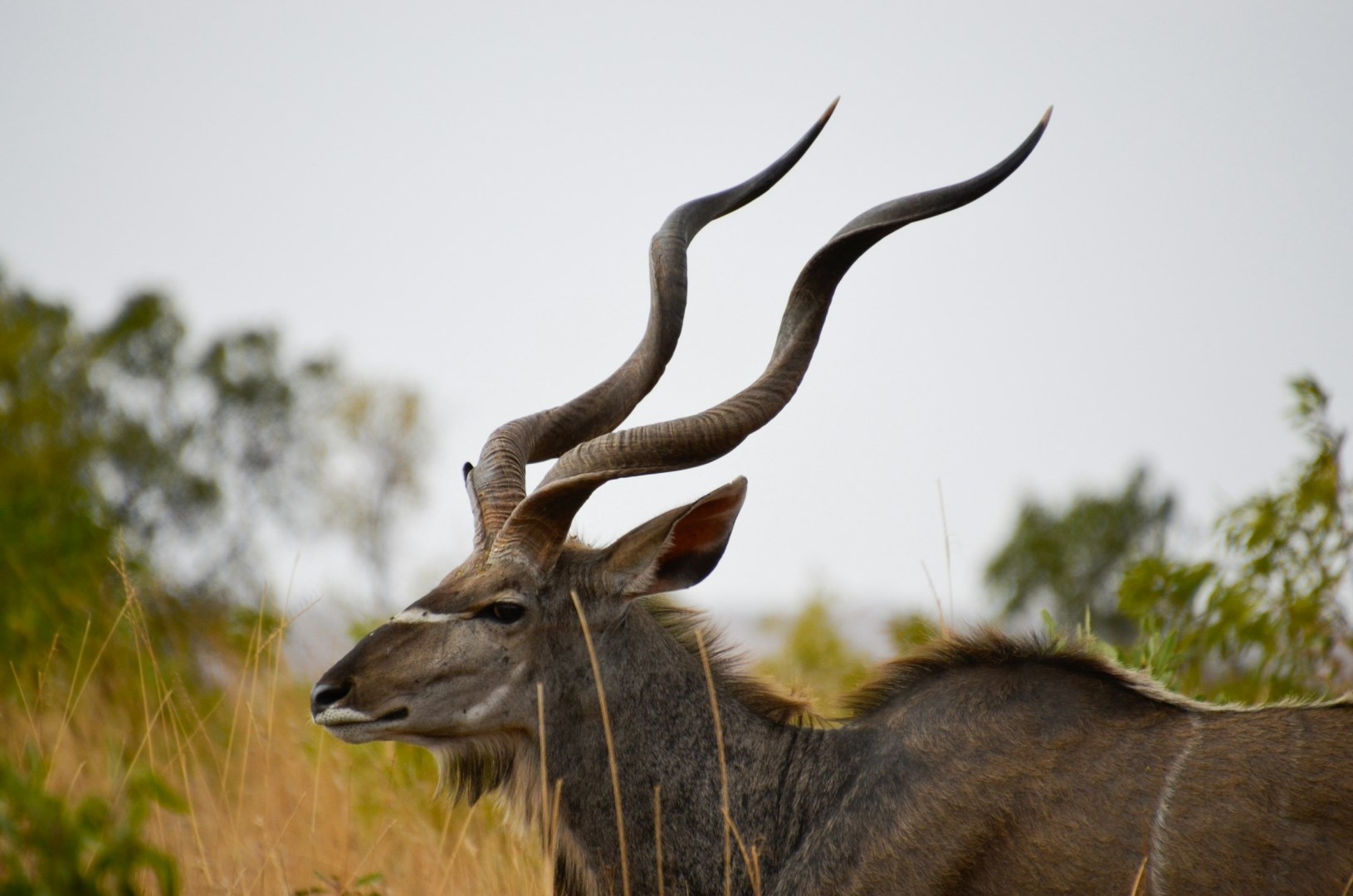
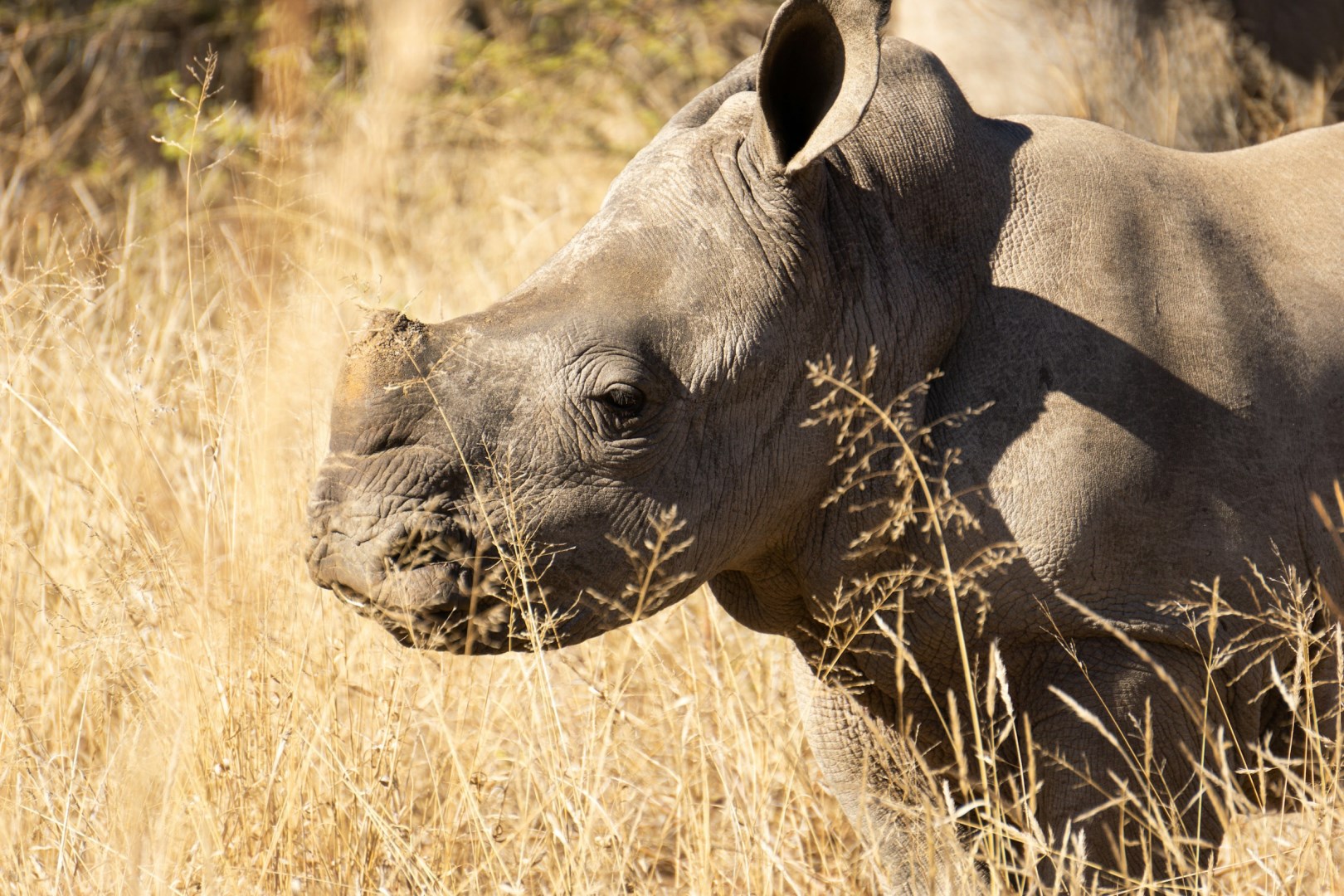
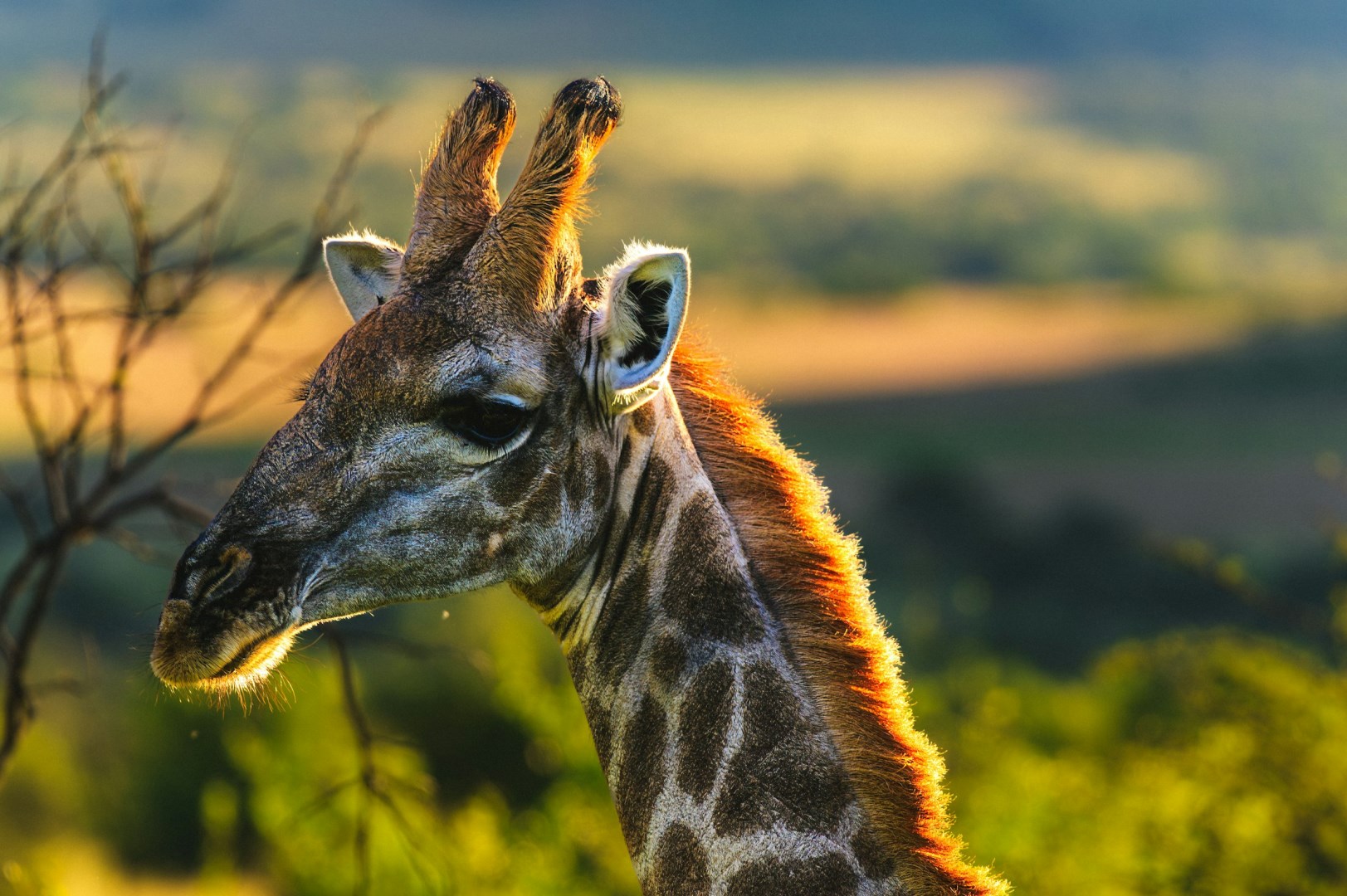
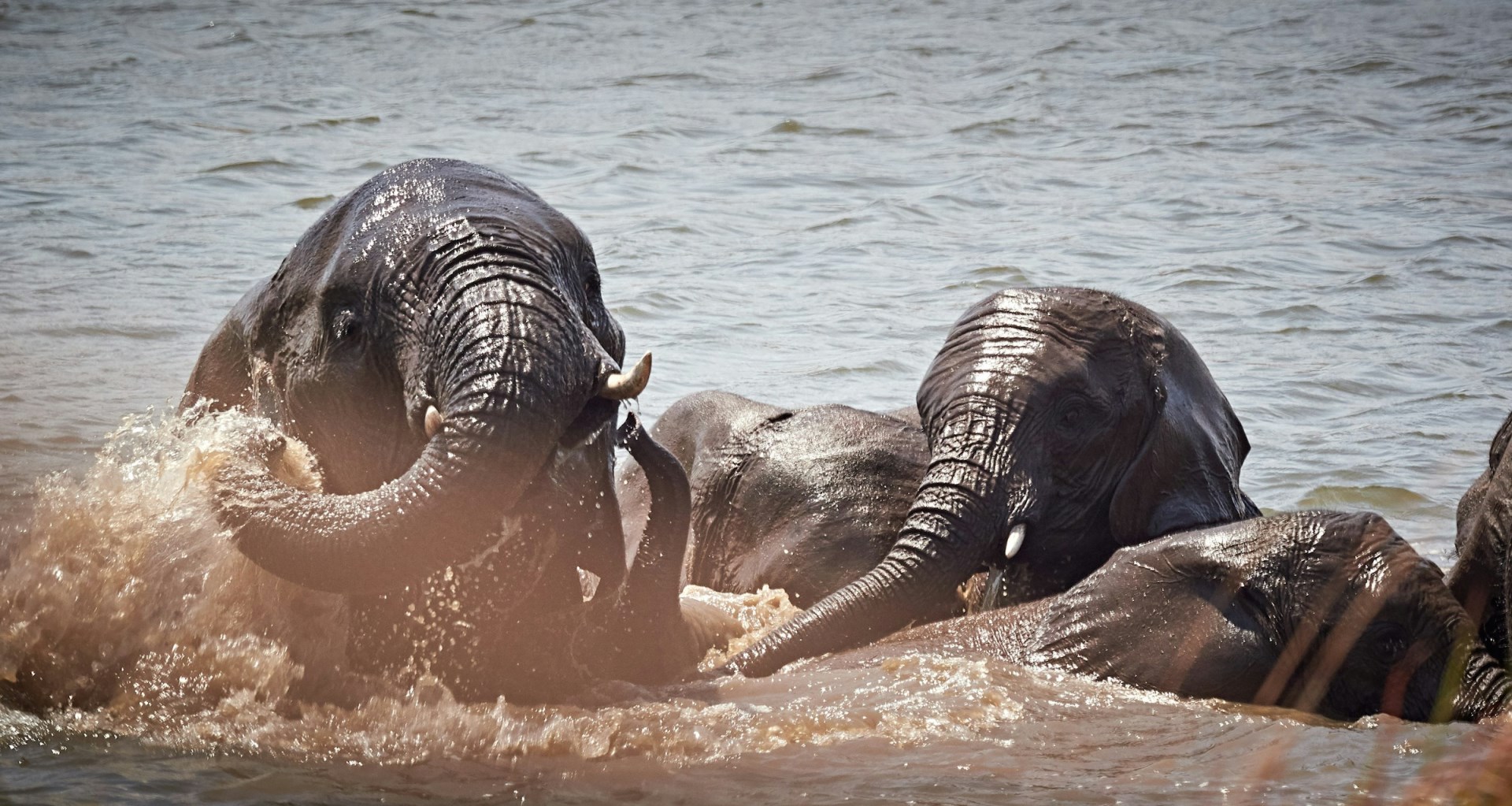
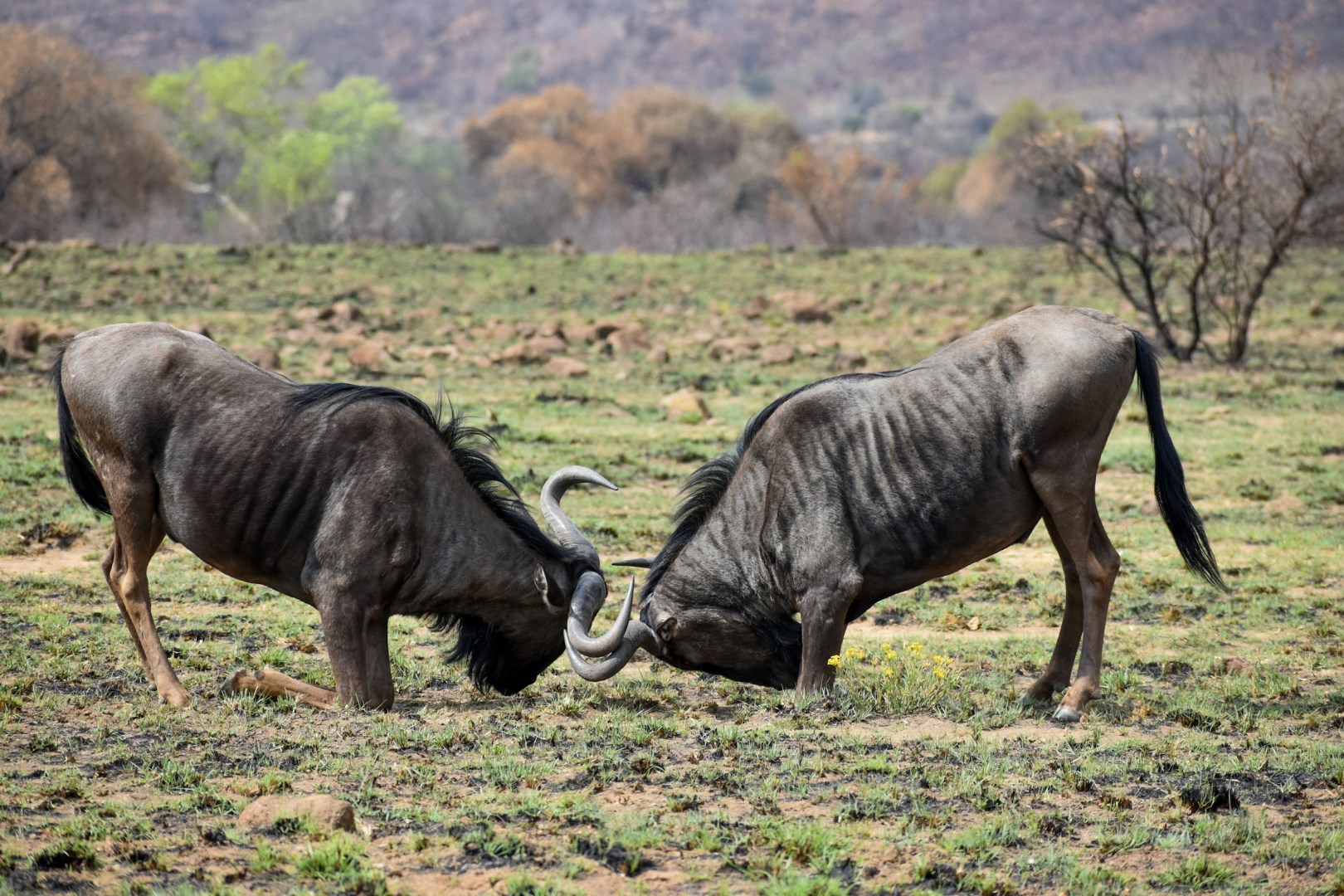
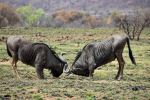
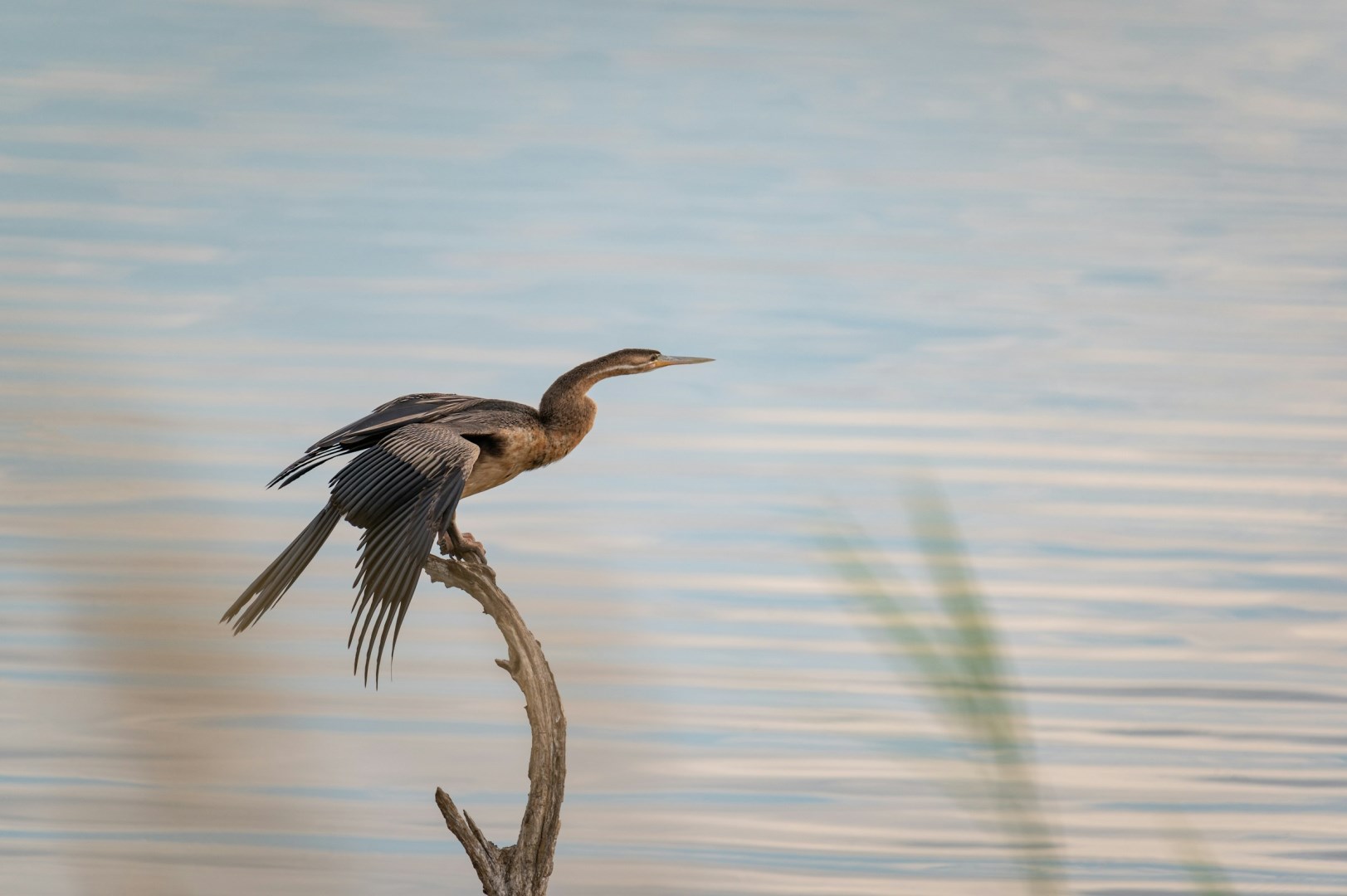
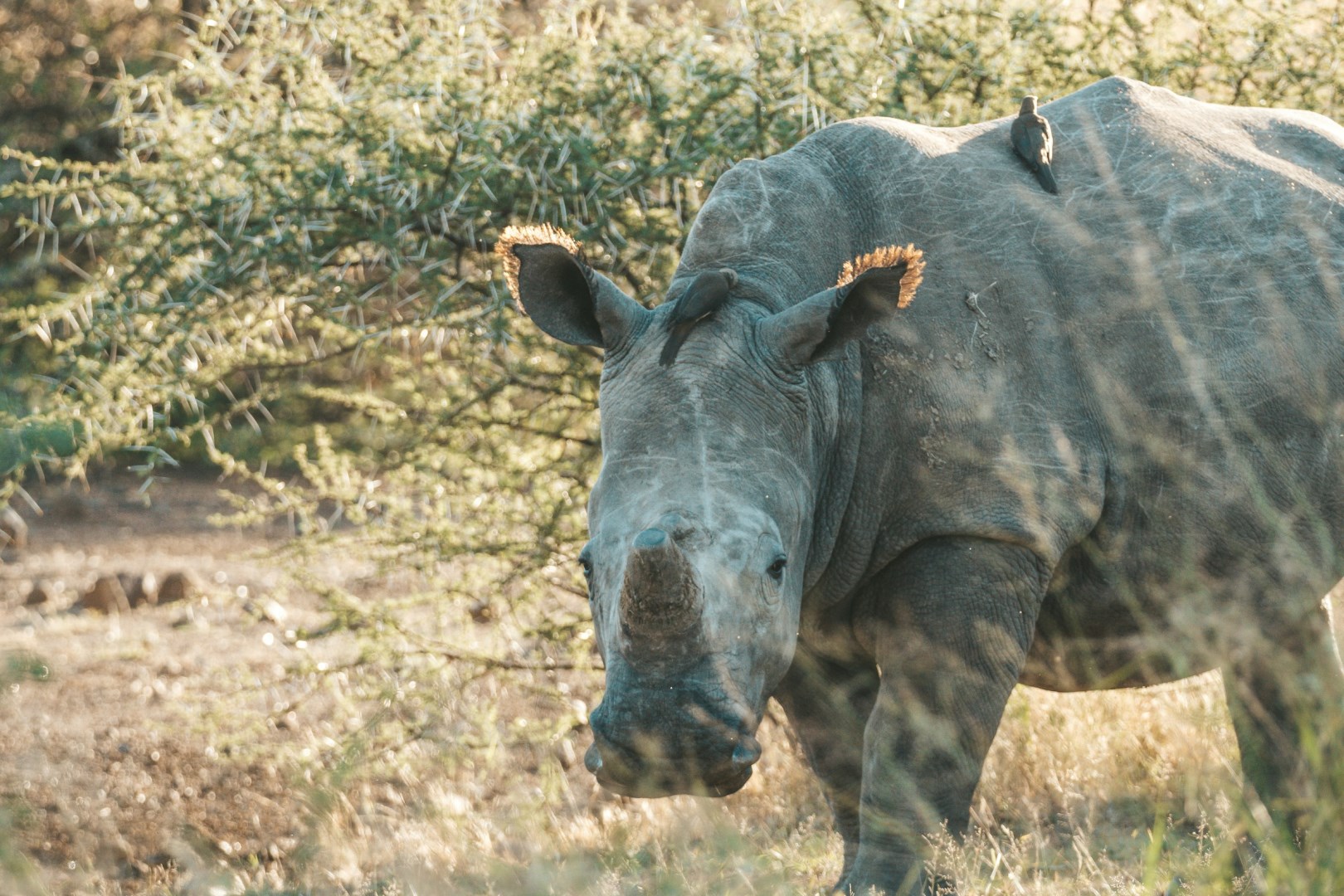
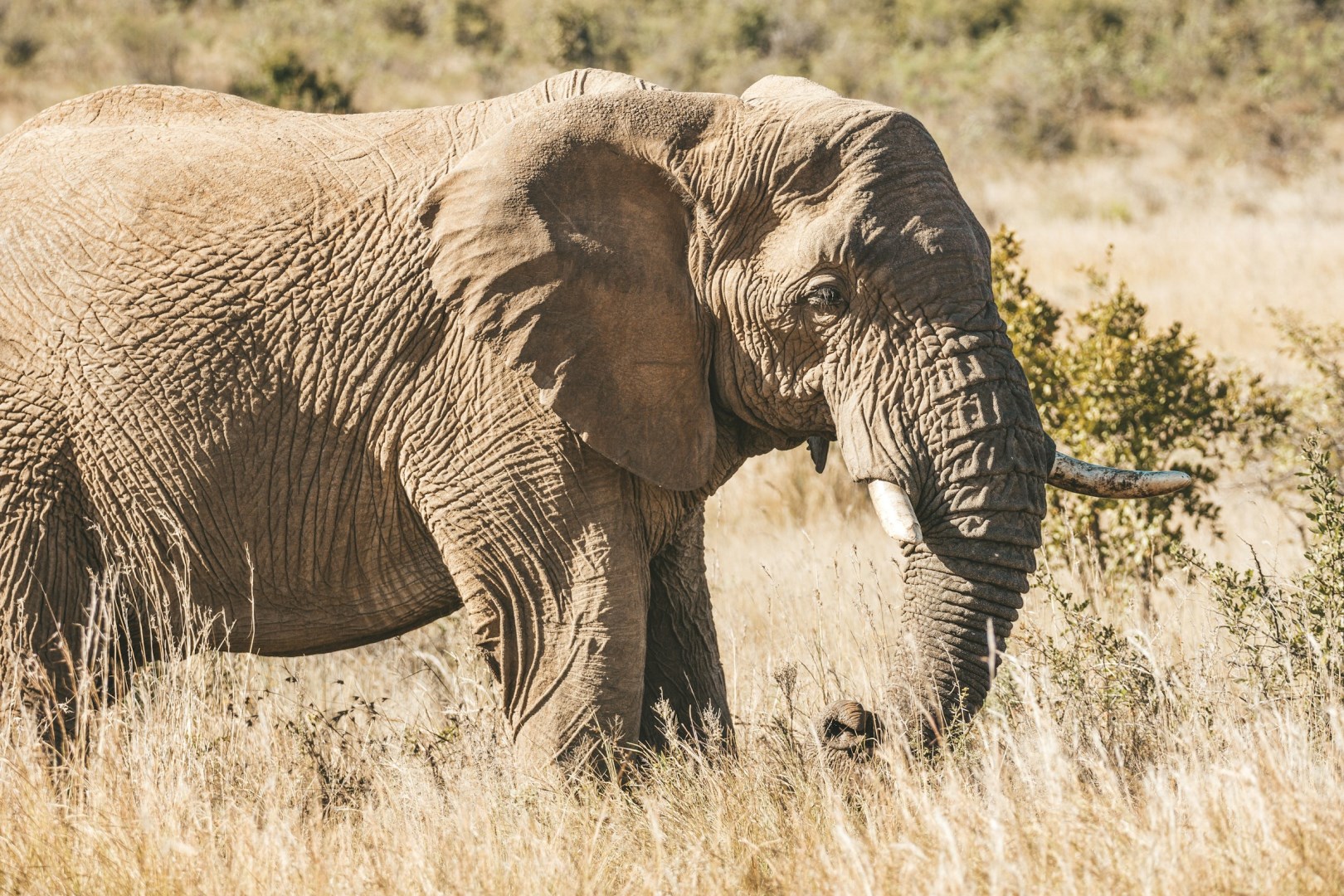
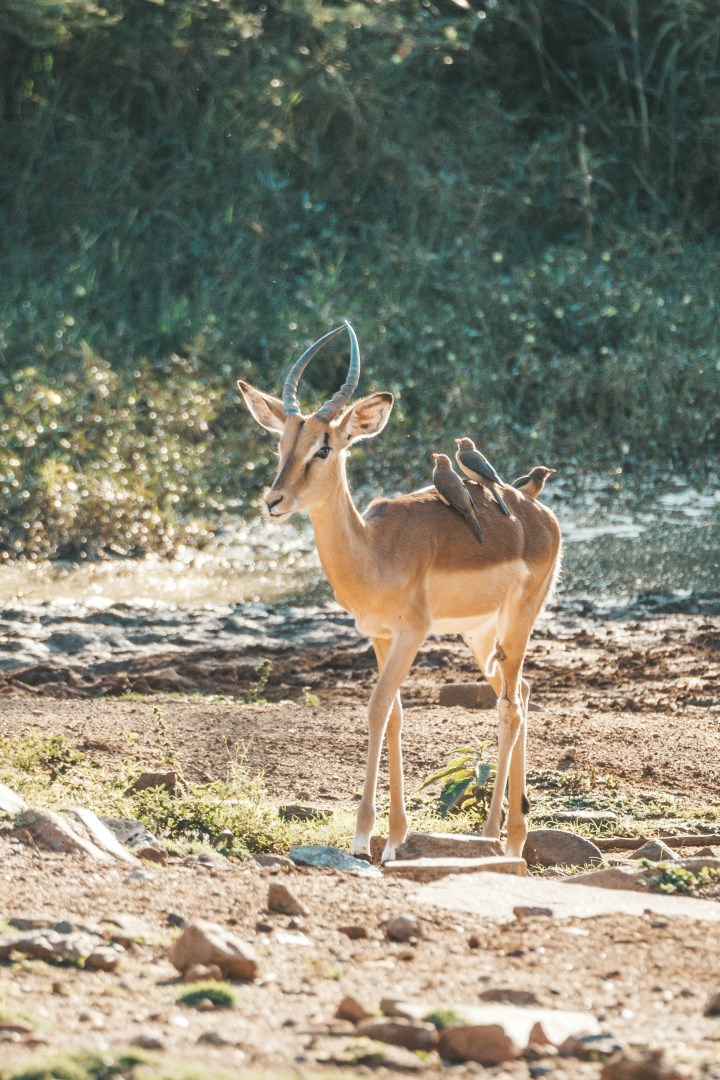
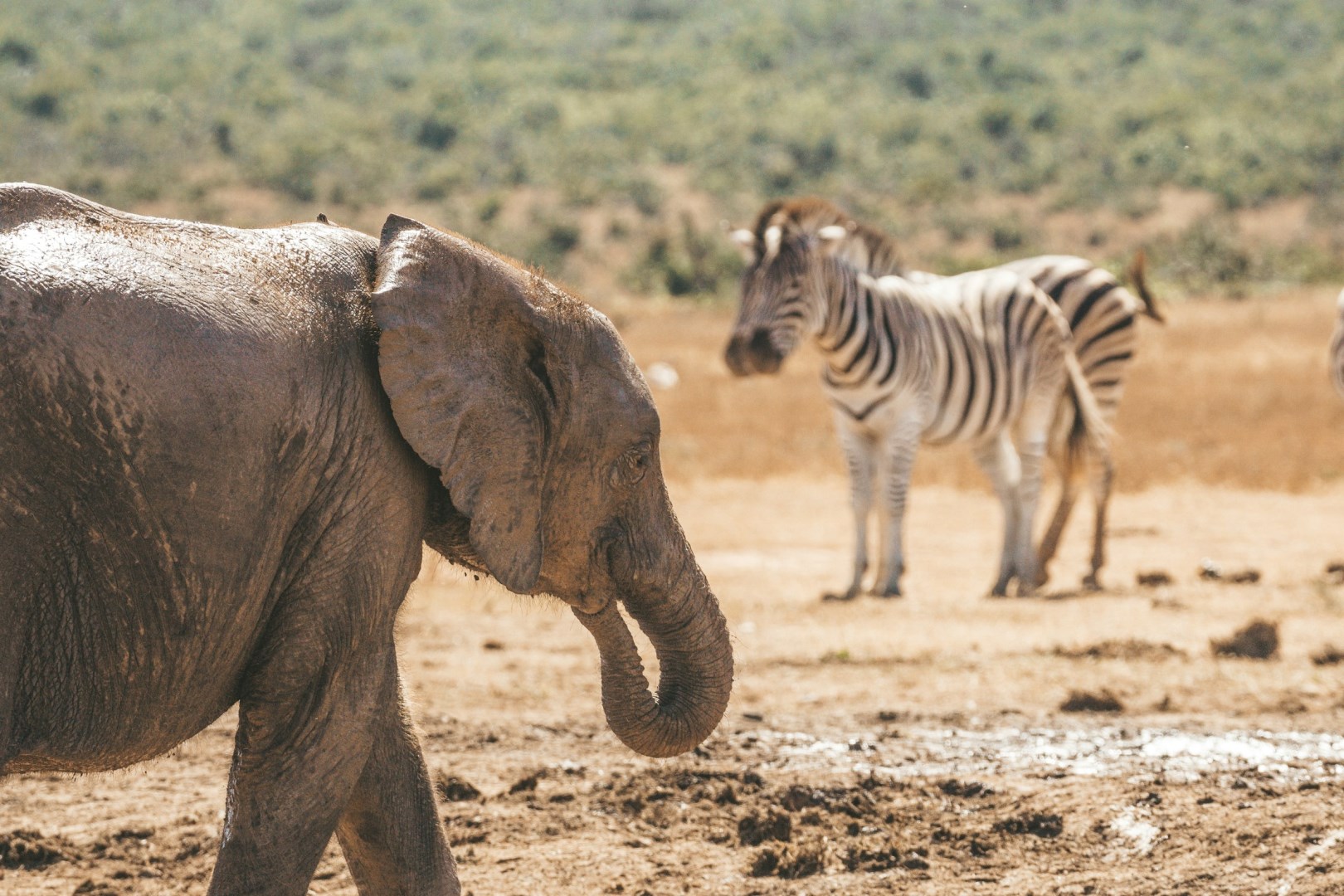
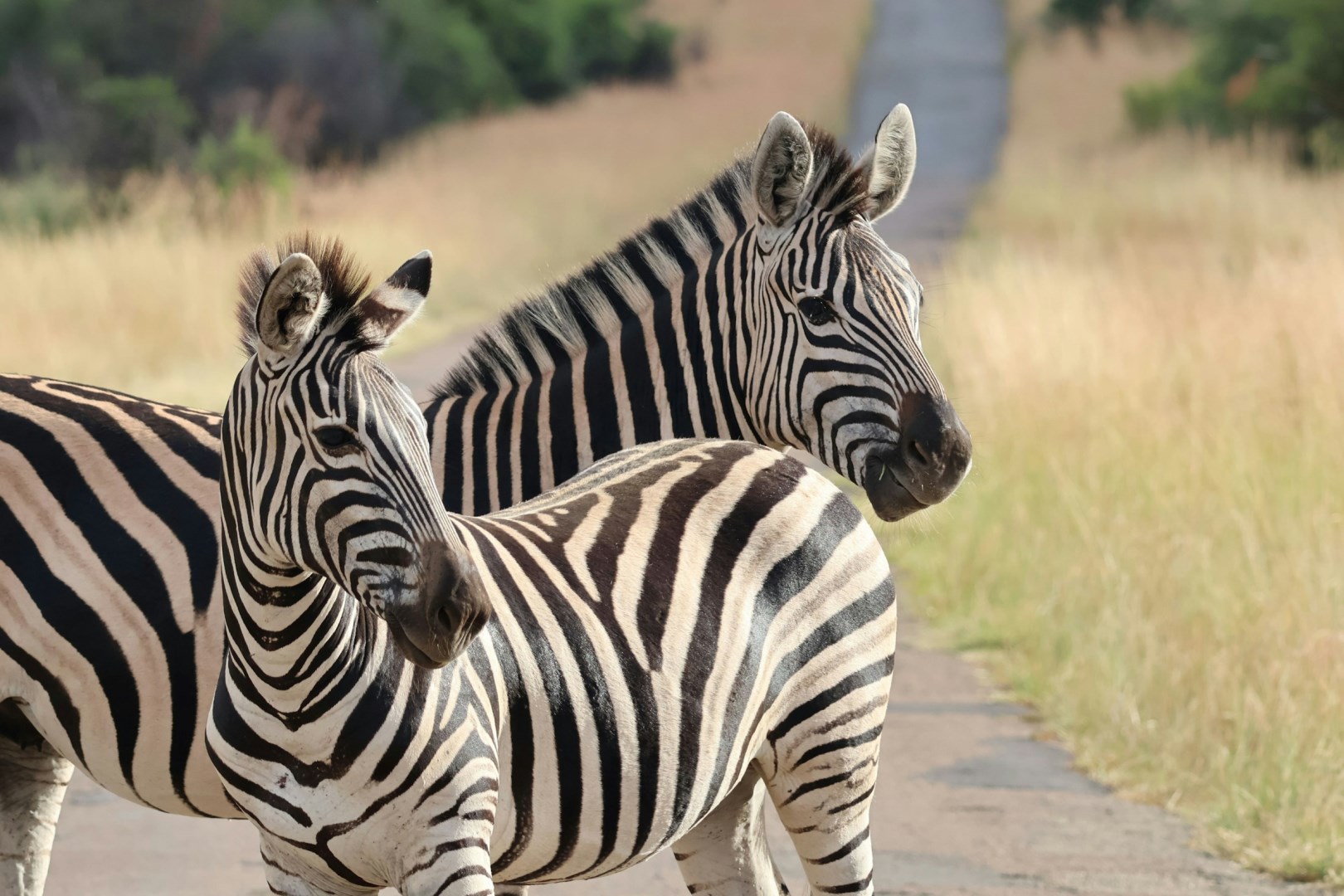
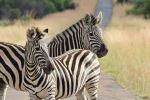
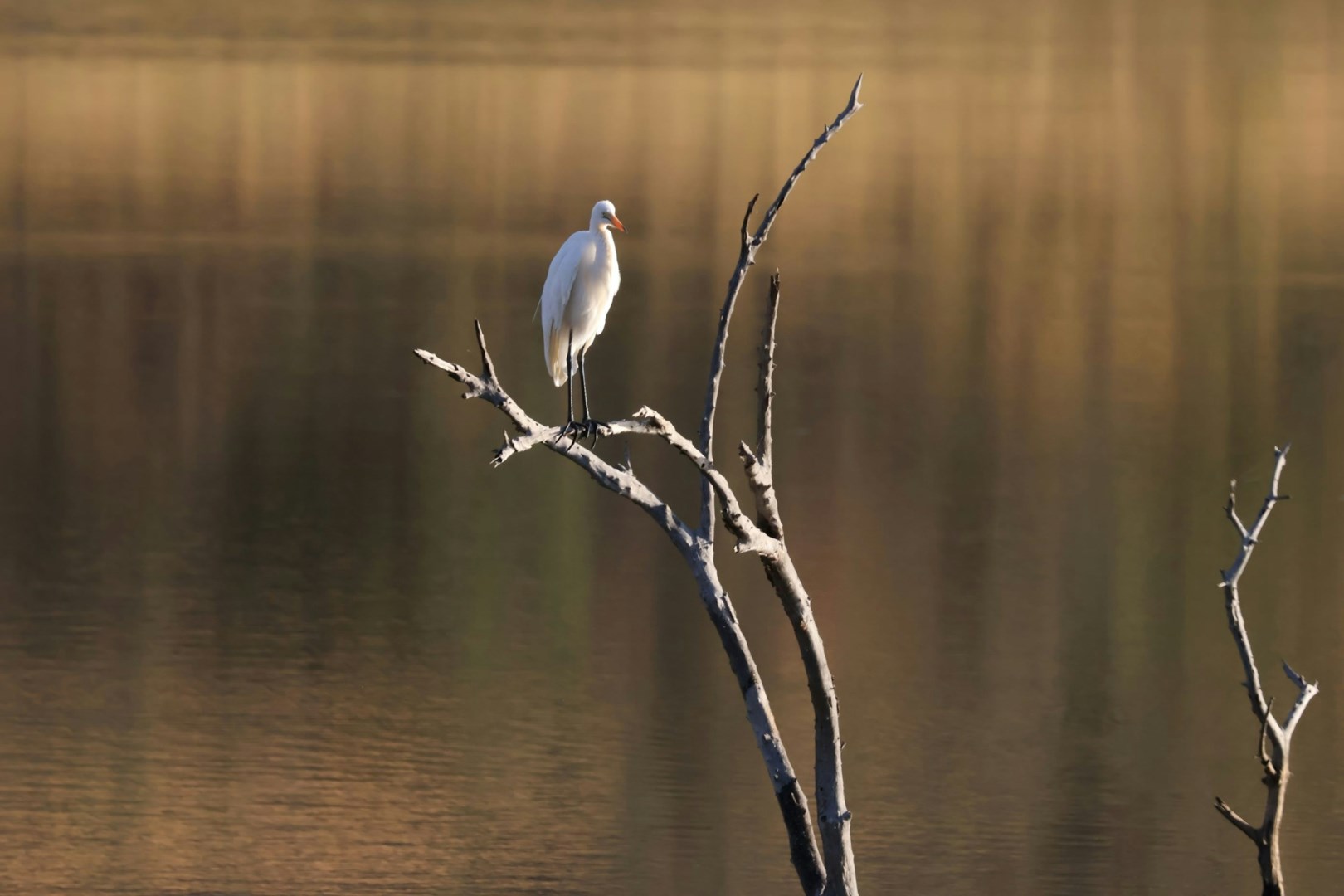
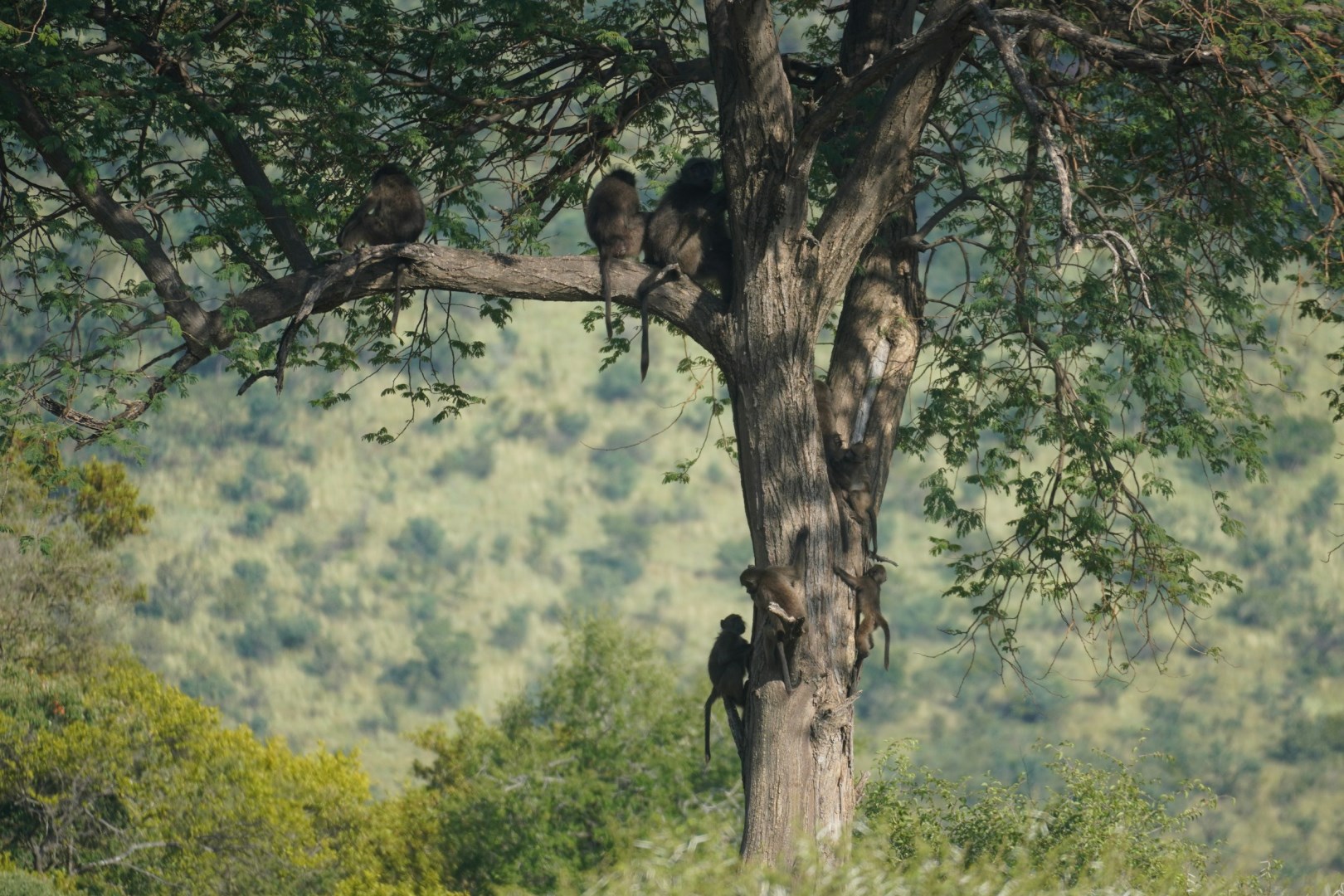
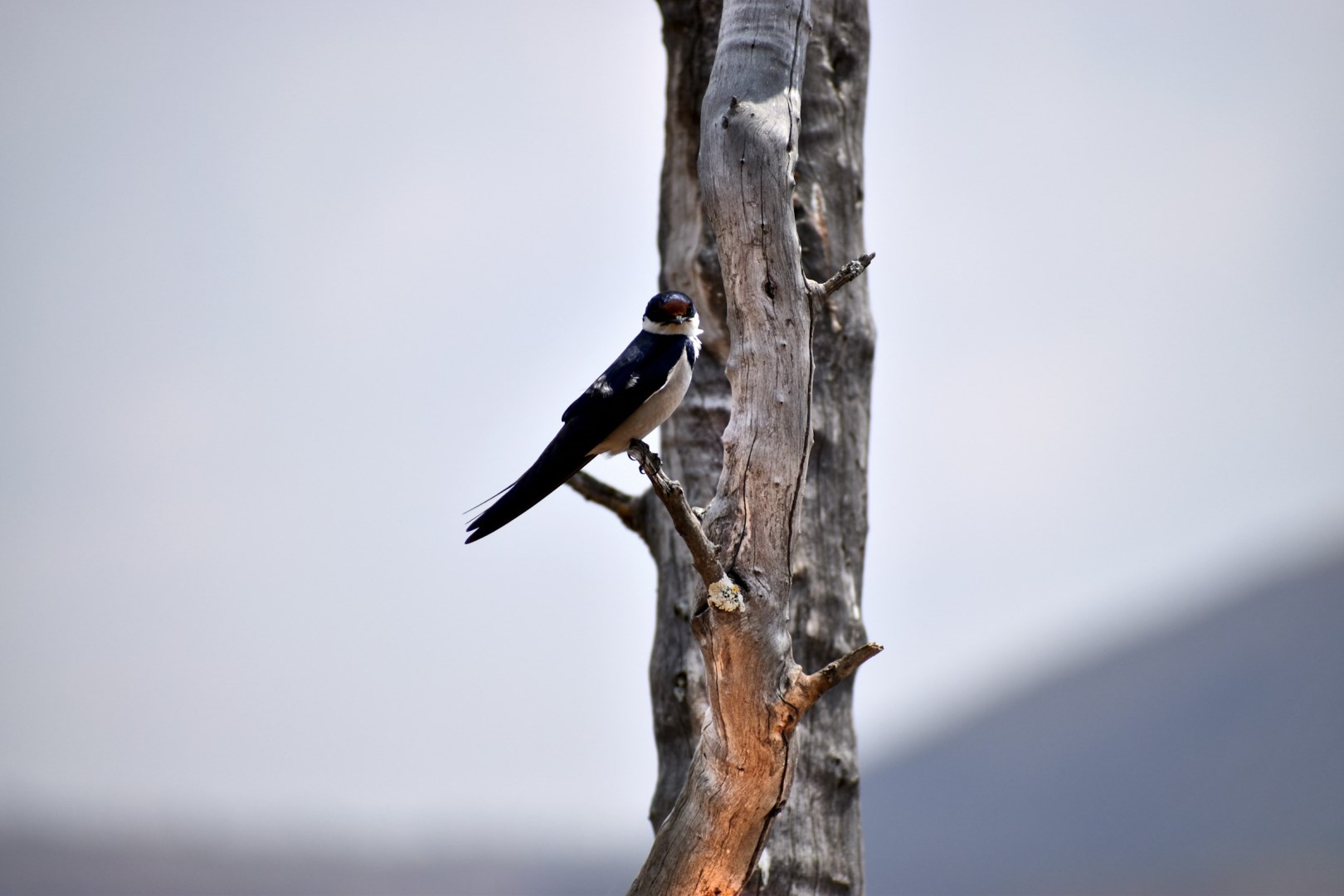
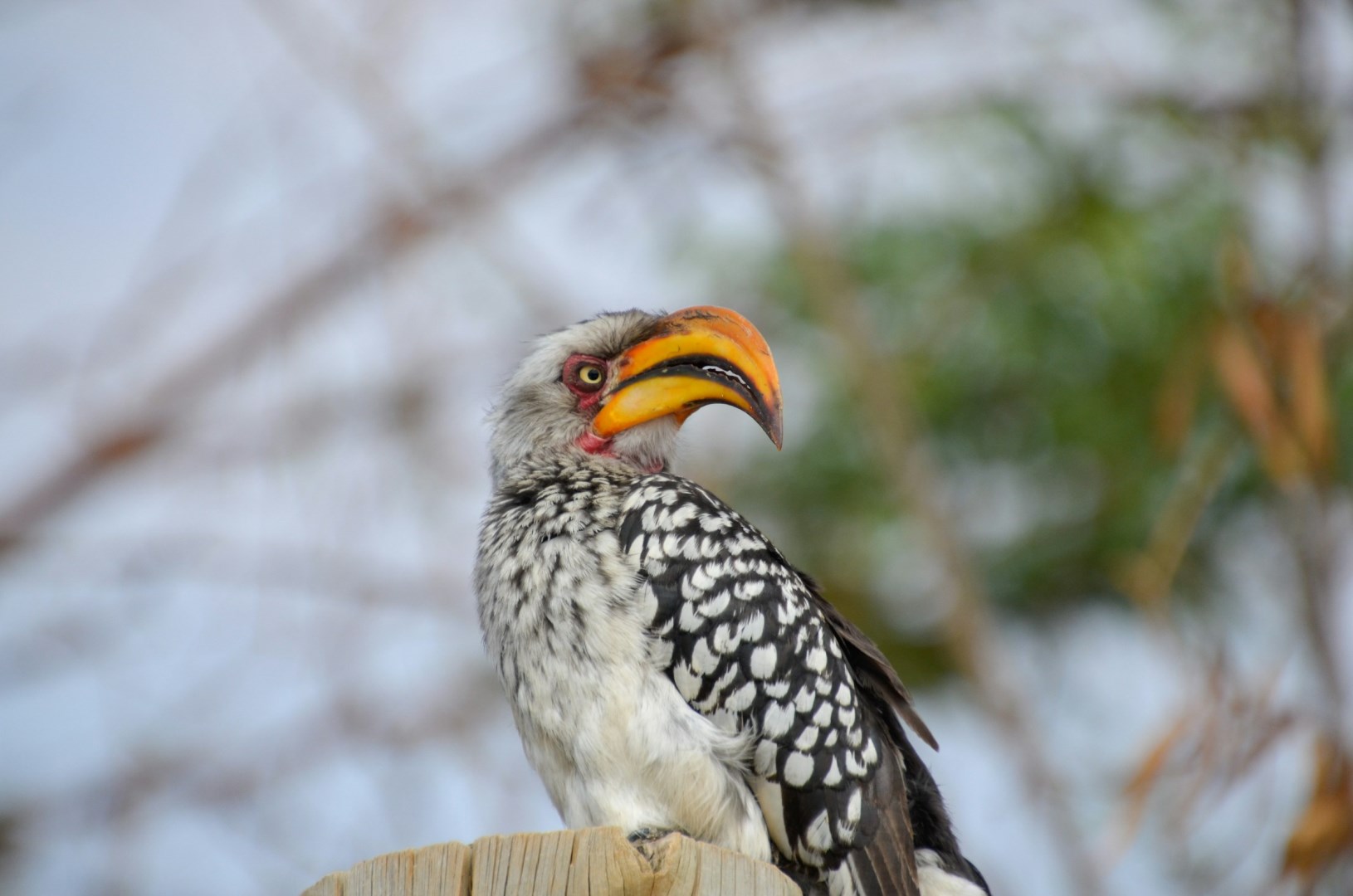
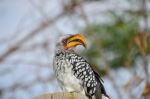
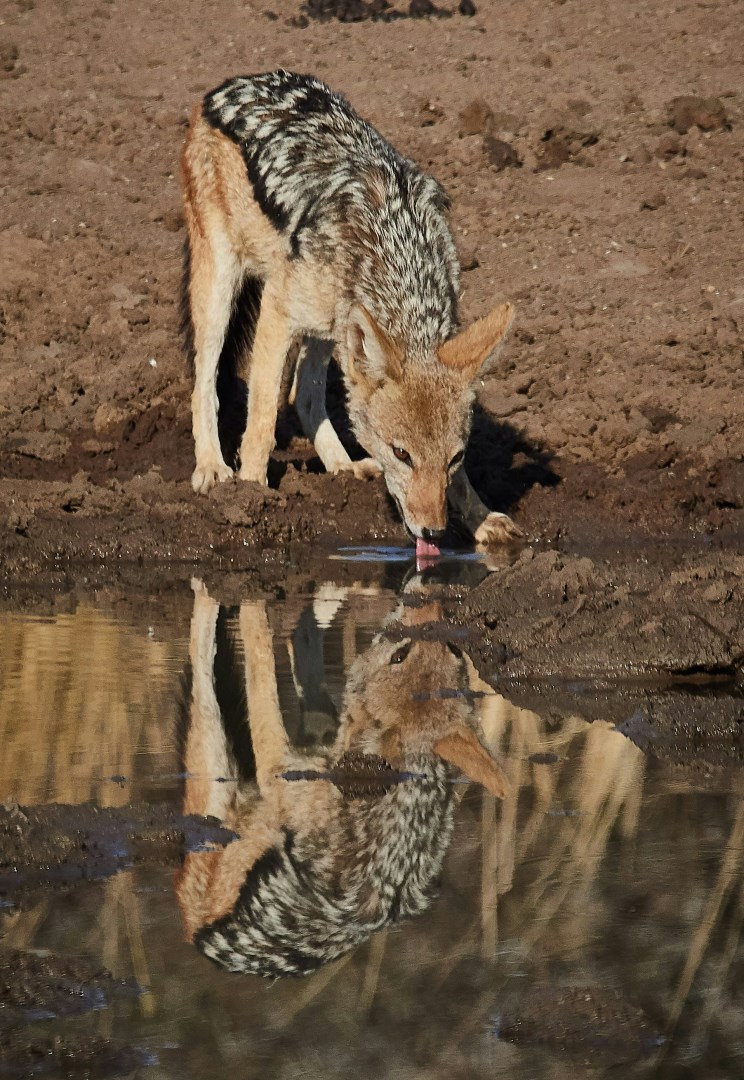
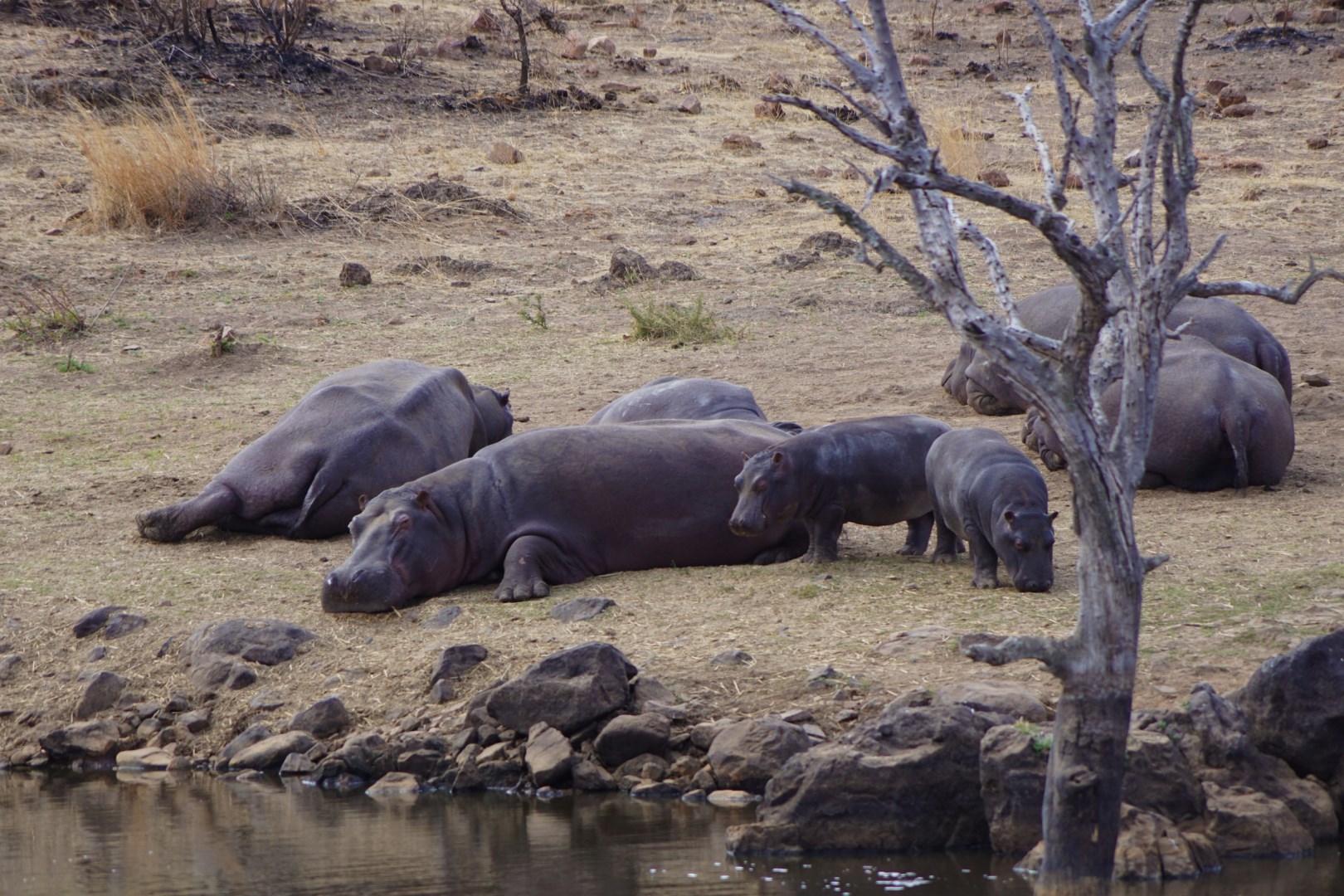
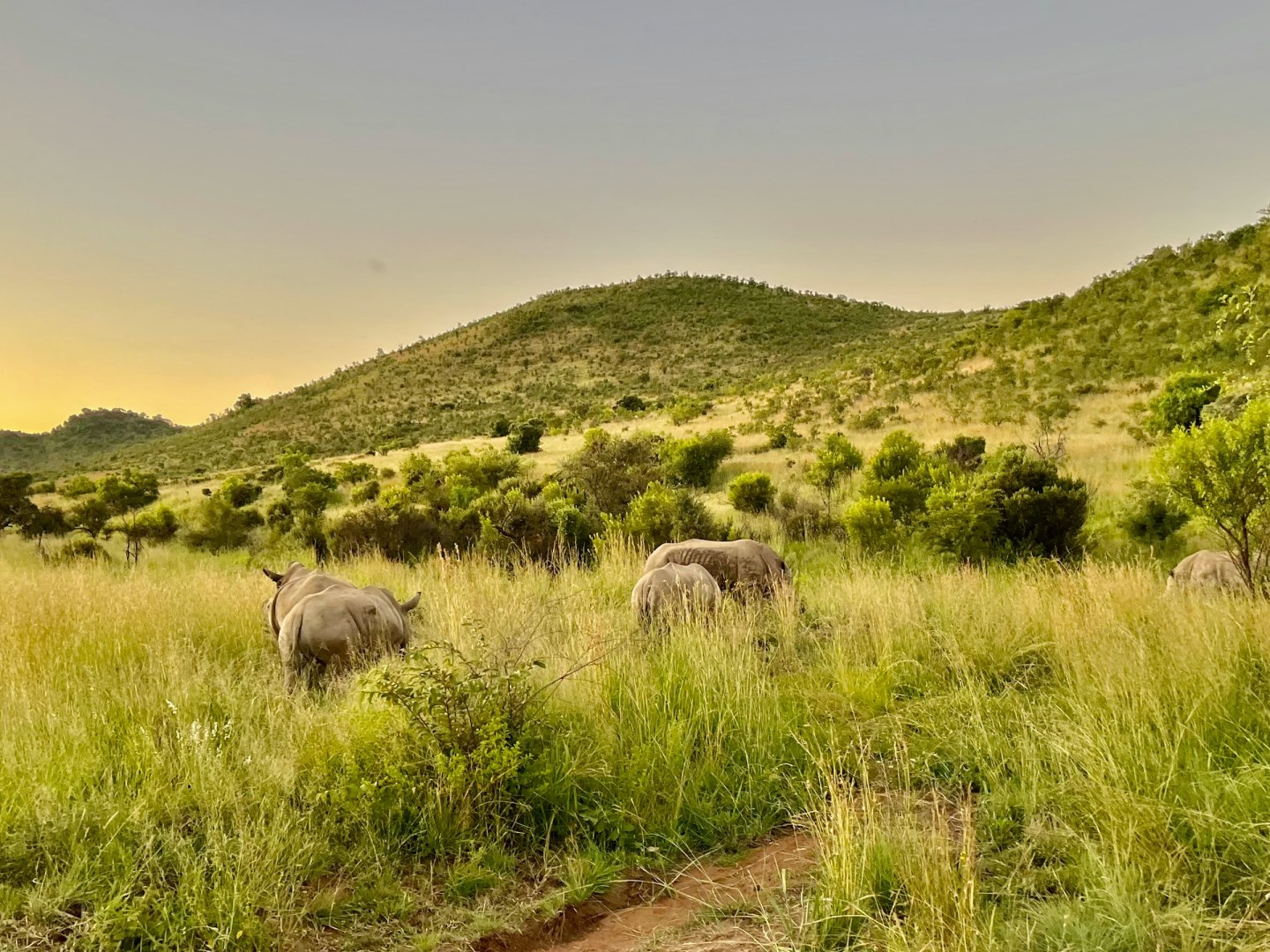
Pilanesberg is home to the African Big Five: elephant, lion, leopard, rhinoceros, and buffalo. Other wildlife includes cheetahs, giraffes, zebras, hippos, brown hyenas, wildebeest, kudu, impala, and numerous smaller mammals. The park’s network of dams and waterholes provides important habitat for wildlife and attracts a wide range of birds. Game drives are available on both guided and self-drive routes, allowing visitors to explore the volcanic hills and surrounding plains. Mankwe Dam is one of the park’s major water sources and is a useful location for observing animals and waterbirds.
The park’s bushveld setting supports vegetation dominated by grasses, shrubs, acacias, and other trees adapted to seasonal rainfall. Food experiences in the wider North West region include traditional Tswana dishes based on maize, beans, vegetables, and meat, alongside South African braai-style cooking. Pilanesberg’s most distinctive feature is its geology: the park occupies the eroded remains of a volcanic complex, with ancient rock formations creating a circular pattern of hills around the interior. This geological structure also influences drainage, vegetation, and wildlife distribution, giving the park a landscape that differs from many other South African safari areas.
Other Popular Destinations in South Africa