



South Pacific | New Caledonia | Lifou
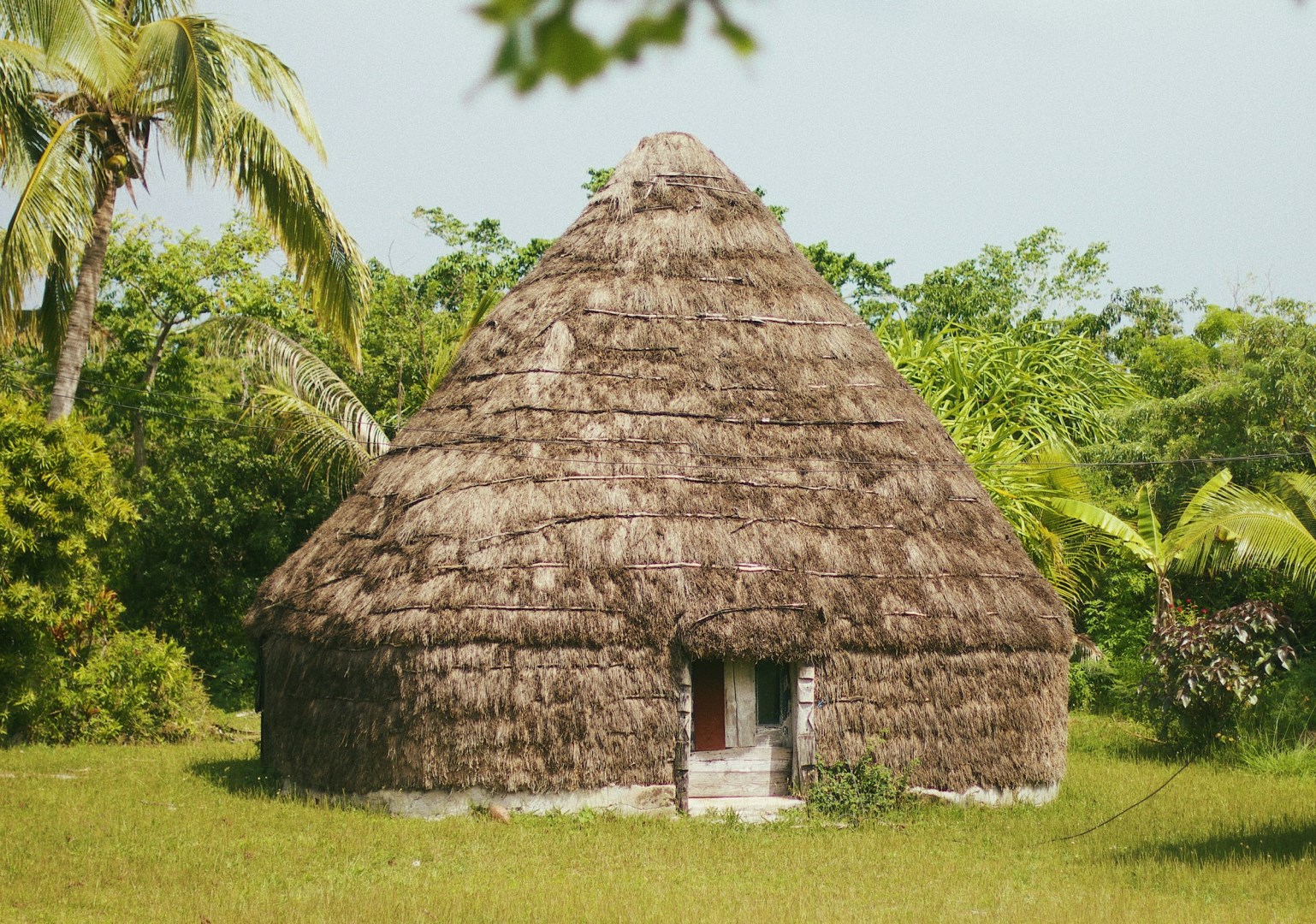
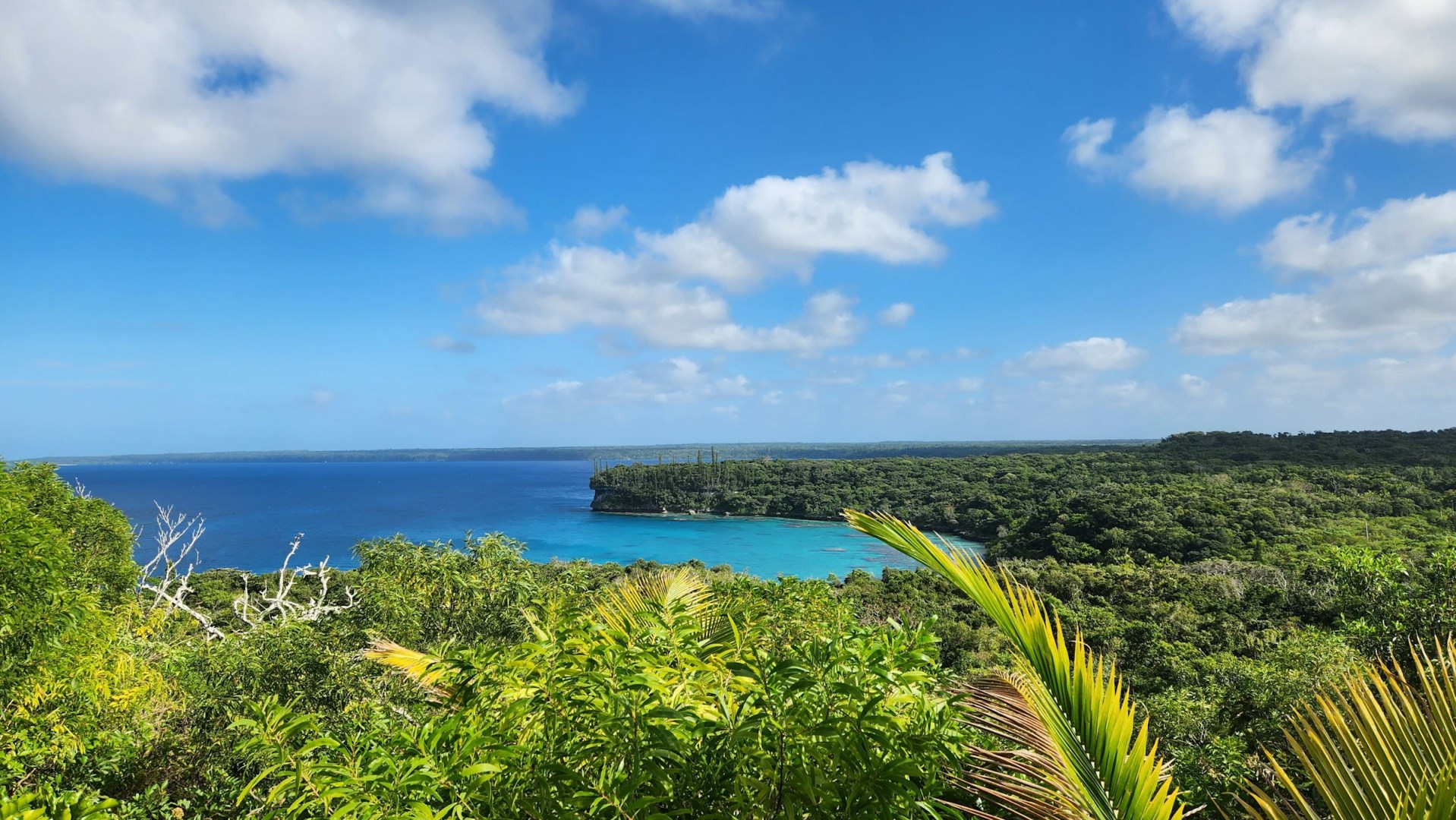
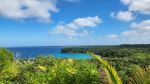
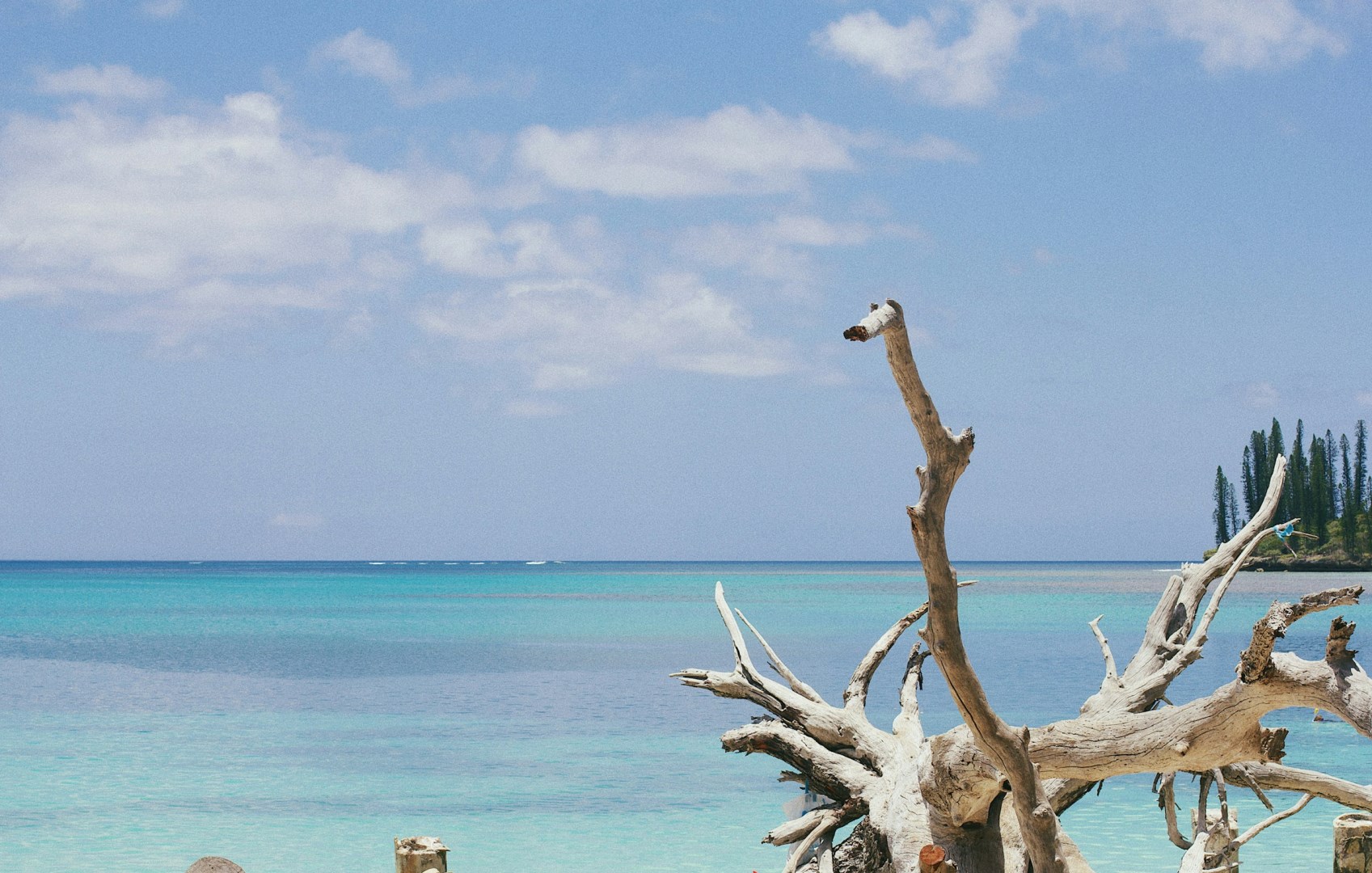
Lifou is the largest of the Loyalty Islands of New Caledonia and is known for its raised coral landscape, clear lagoons, and forested interior. Unlike Grande Terre, Lifou has no high mountain range, but its limestone plateau reaches enough elevation to create cliffs, caves, and elevated coastal viewpoints. The island is divided into several customary districts and communities, with Wé serving as its main administrative and commercial center. Much of Lifou remains rural, with villages, gardens, coconut palms, and wooded areas extending between the coast and the island’s interior.
Lifou has a strong Kanak cultural identity, particularly through the customary traditions of the Drehu people. Drehu is widely spoken alongside French, and customary relationships continue to influence community life and local ceremonies. Traditional clan structures, chiefly authority, communal responsibilities, and respect for customary land remain important features of the island. Churches are also prominent landmarks, reflecting the influence of Christianity on Lifou communities. Local cultural practices include traditional dance, music, weaving, and the preparation of food for communal gatherings. Visitors are expected to respect customary rules when entering villages, beaches, or other areas under customary authority.
Lifou’s coastline contains some of New Caledonia’s most distinctive island scenery. Luengöni Beach has white sand backed by vegetation and limestone formations, while Joj Beach and Peng Beach offer quieter coastal settings. The Cliffs of Xodre rise along the southern end of the island, with views across the surrounding ocean. Notre-Dame de Lourdes, a small religious site near the cliffs at Easo, overlooks the sea, while nearby Santal Bay provides access to clear lagoon waters. Lifou is also known for its caves and coral formations, including the Grotte du Diable near the northern part of the island.
Lifou’s cuisine draws heavily on local gardens and the surrounding sea. Coconut, taro, yam, sweet potato, banana, and manioc are commonly used, while fish and other seafood provide important sources of protein. Bougna, a traditional Kanak dish, combines ingredients such as chicken or fish, root vegetables, and coconut milk, traditionally cooked in an earth oven. Coconut crab is another notable local food, although its availability and collection are subject to local rules. Lifou is also one of New Caledonia’s important vanilla-growing areas, and vanilla plantations form part of the island’s agricultural landscape and local products.
