

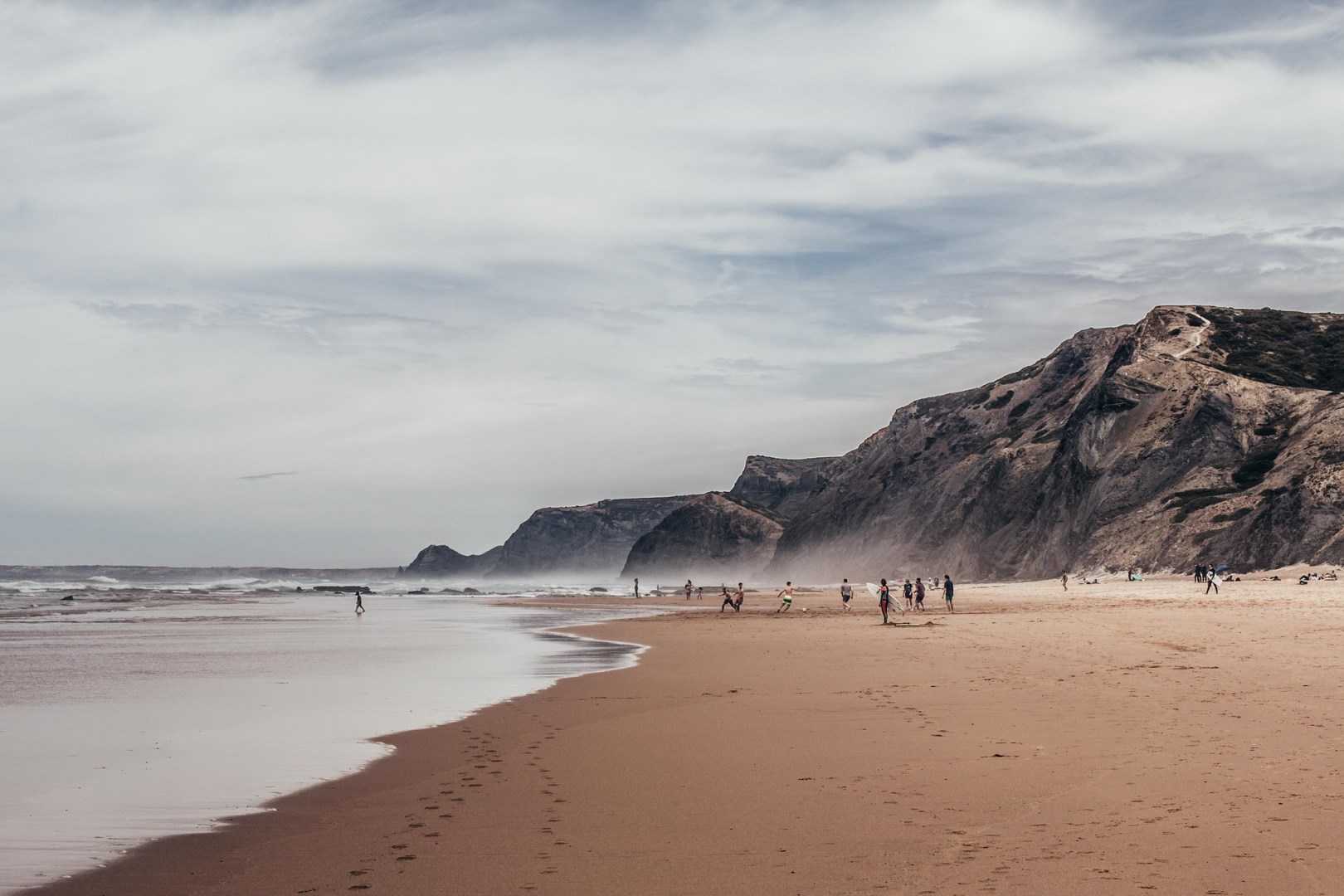
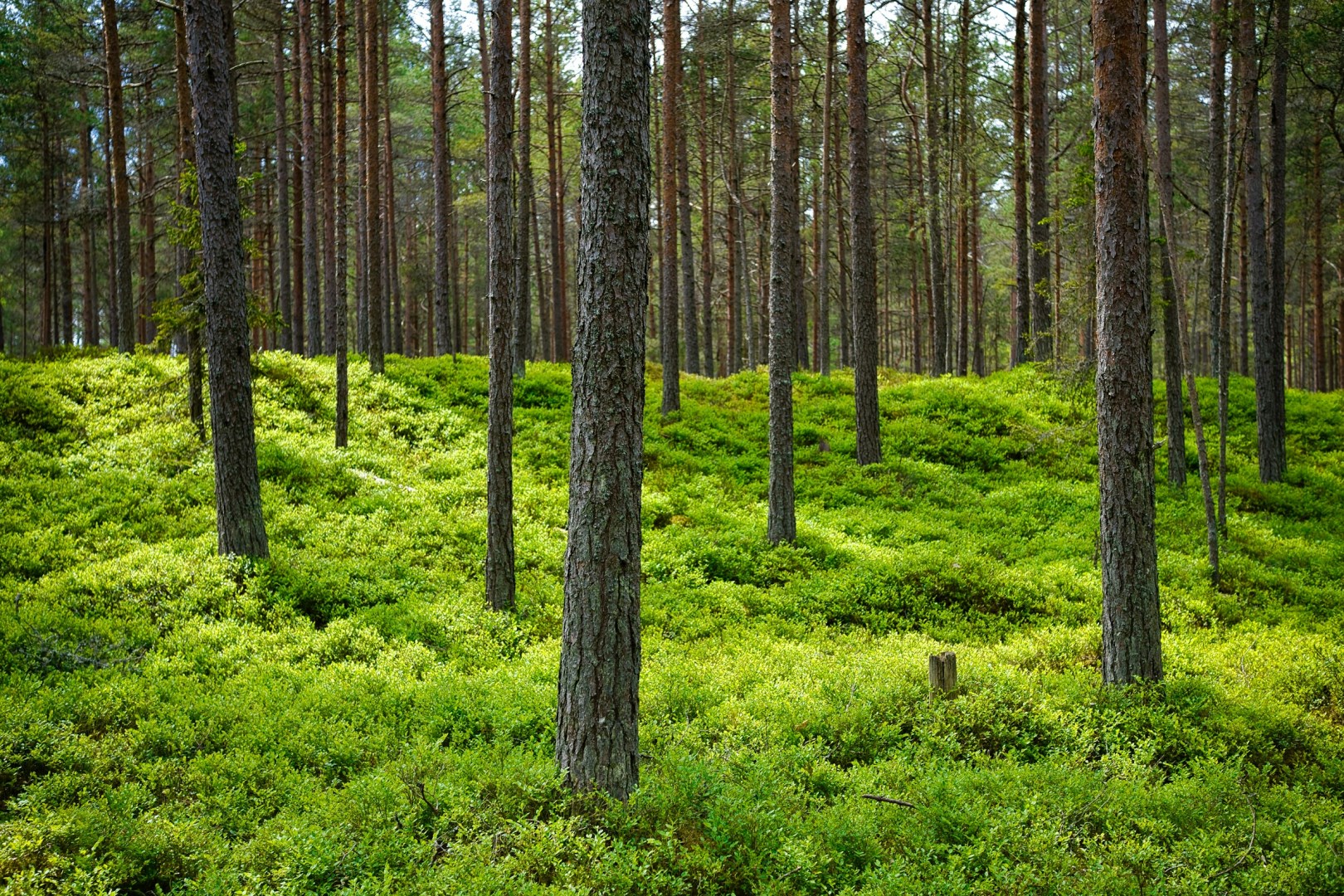
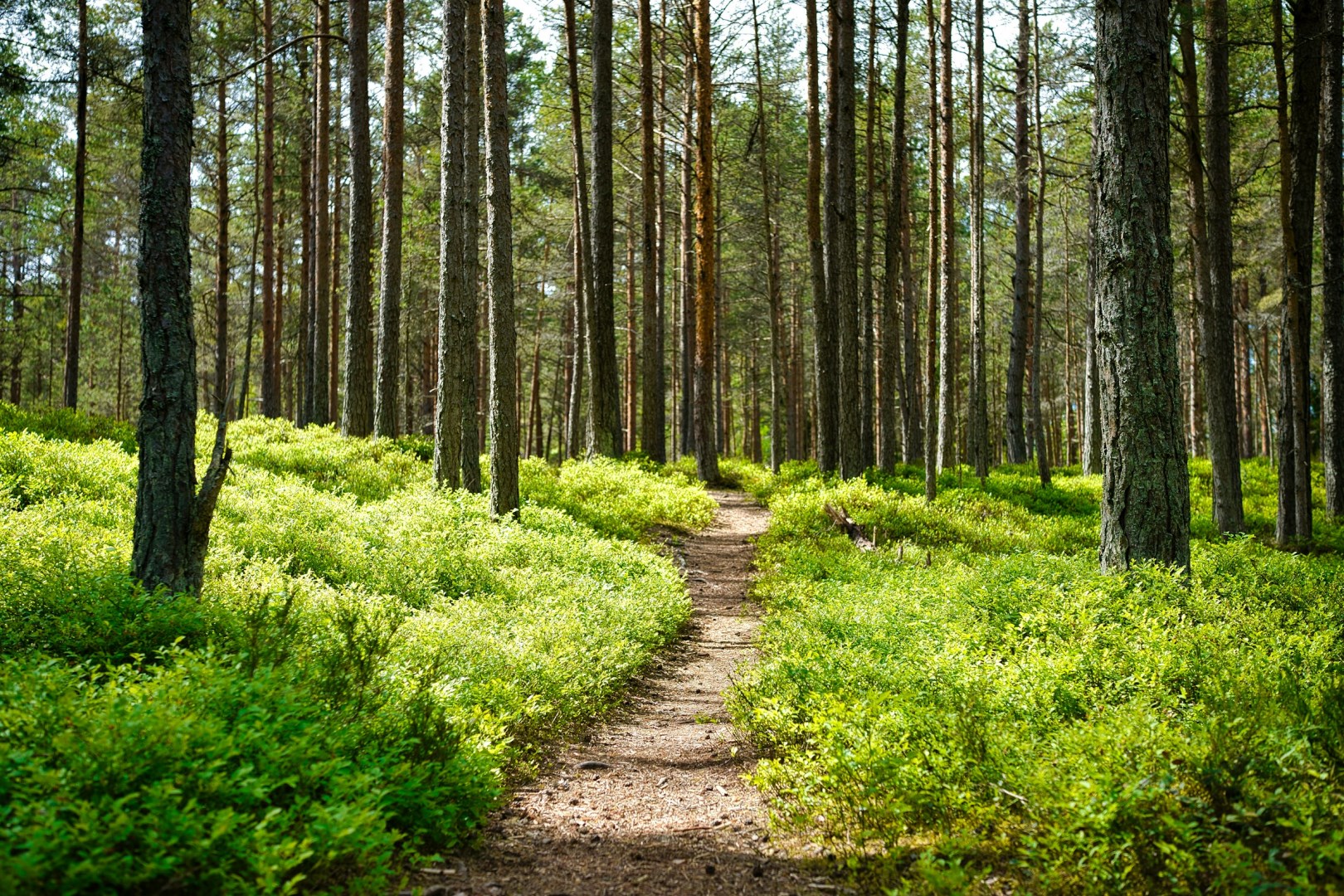
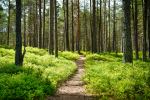
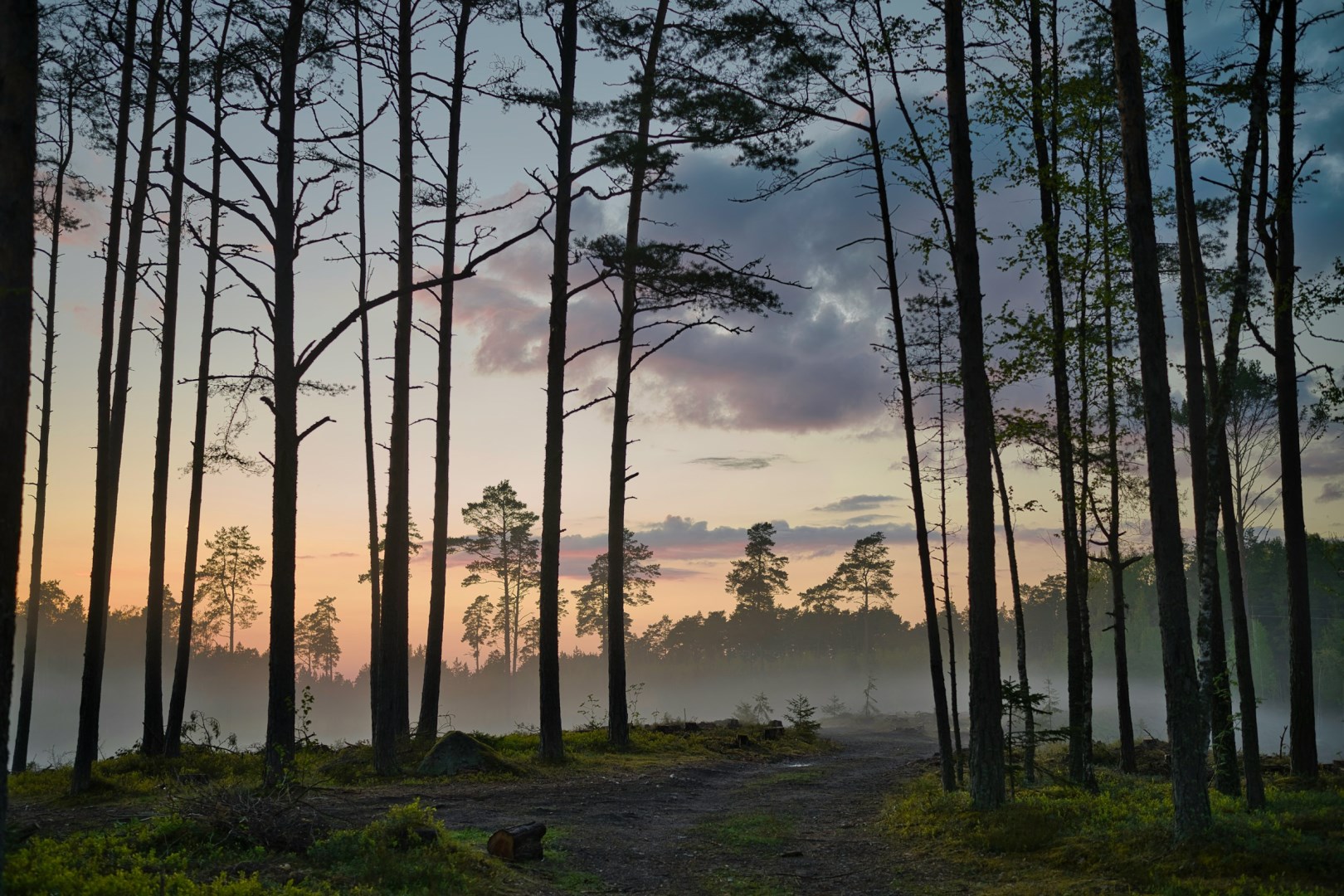
Kaberneeme is a small coastal village on a wooded peninsula in Harju County, northeastern Estonia, overlooking Kaberneeme Bay and the Gulf of Finland. The village is surrounded largely by sandy ground and pine forest, with the shoreline, marina, and beach forming its main points of interest. Its location gives Kaberneeme a distinctly maritime character while keeping it within easy reach of Tallinn. The village is part of Jõelähtme Parish, an area known for its long, indented coastline, traditional settlements, and protected landscapes. Kaberneeme remains a quiet destination shaped more by the sea and forest than by large-scale development.
Fishing has been central to Kaberneeme for centuries, and the village developed into an important fishing harbor and fish-processing center as the local maritime economy expanded. The harbor was also actively used during the Soviet period as part of the Kirov fishing collective. Today, the community continues to maintain connections with its coastal heritage through the marina, fishing activities, and local village association. The former schoolhouse near the sea is associated with writers Jüri and Ülo Tuulik, whose father served as the local school head. Community events and volunteer activities remain part of village life.
Kaberneeme Marina sits on the western shore of Kolga Bay and is the main recreational harbor in the village. A sandy beach lies directly beside the harbor, while pine forest covers much of the peninsula and provides a natural setting for walks. Boat trips from the marina can reach several small islands in Kolga Bay, including Koipsi, although access to protected islands may be restricted during bird nesting periods. The surrounding Jõelähtme area also contains several protected landscapes, including Kolga Bay Landscape Protection Area, which encompasses islands and coastal habitats around the bay.
Kaberneeme's food traditions are closely connected with its fishing heritage, although the village is now also known for its seaside dining. The marina has a seasonal harbor café, while the nearby Kabe Beach restaurant offers food beside the coast. Fresh fish remains an important part of Estonian coastal cuisine, with species such as perch, pike, salmon, and flounder found in Estonian waters. A distinctive feature of Kaberneeme is the combination of a working small-craft harbor, sandy beach, and pine-covered peninsula in one compact village. The nearby islands also make the area a departure point for boat excursions across Kolga Bay.
