




East and Southeast Asia | Japan | Mishima
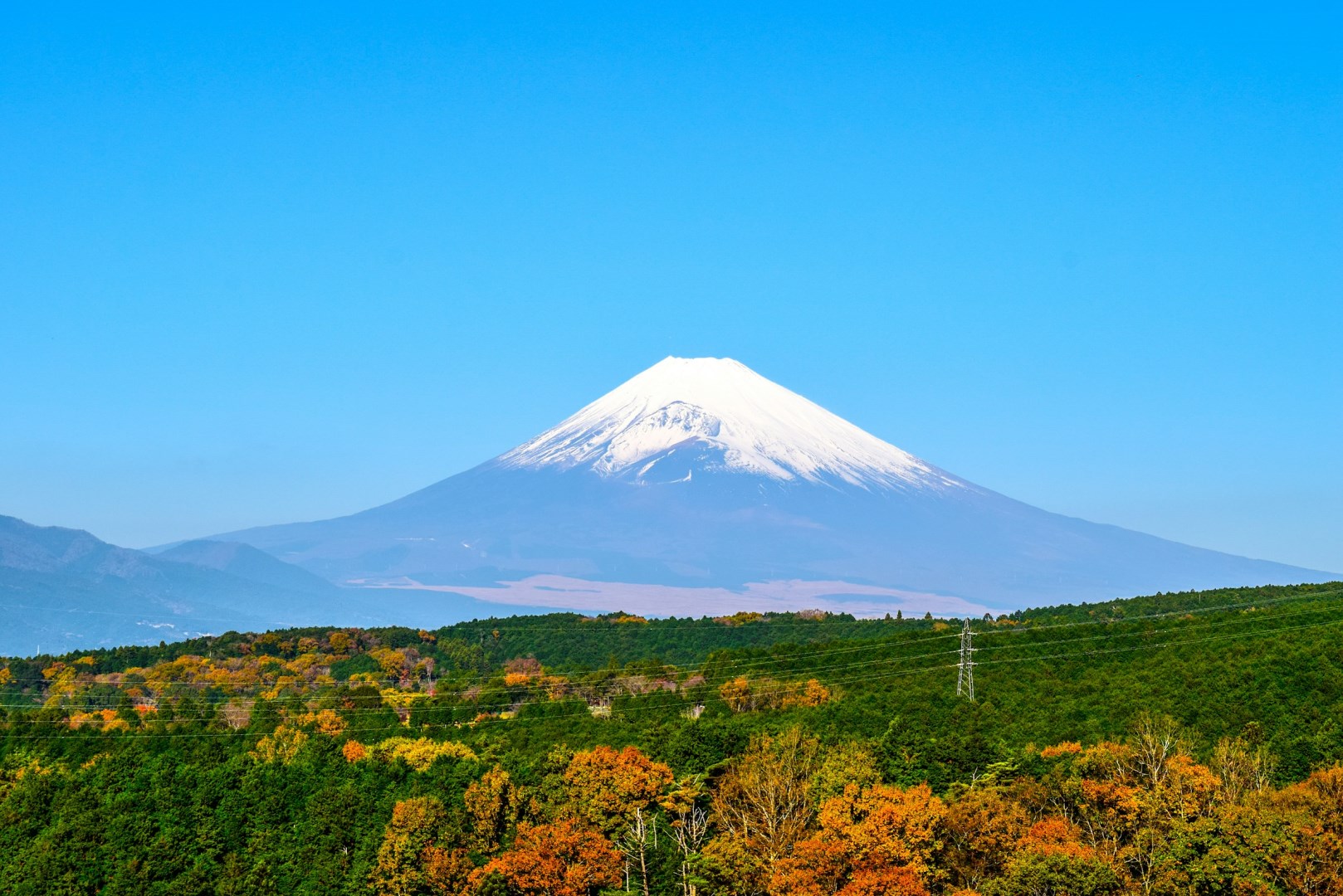
Mishima is a city in eastern Shizuoka Prefecture, located at the northern end of the Izu Peninsula near the foot of Mount Fuji. The city is closely connected with the abundant spring water that flows from the mountain through its urban landscape. Rivers, canals, ponds, and walking paths give Mishima a distinctive relationship with water, while its location provides access to both the Izu Peninsula and the Mount Fuji area. Mishima Station is also an important transport point, making the city a practical base for exploring central Shizuoka and nearby attractions.
Mishima has a long cultural connection with Mishima Taisha, an important Shinto shrine surrounded by mature trees and traditional buildings. The shrine is closely associated with the city's identity and remains an active place of worship and local festivals. The historic streets around the shrine reflect Mishima's former role as a stopping point along routes crossing eastern Japan. Mishima's water culture is also part of local identity, with the Genbe River and surrounding waterways incorporated into walking routes through residential and commercial areas. Traditional food shops and small businesses add to the city's everyday character.
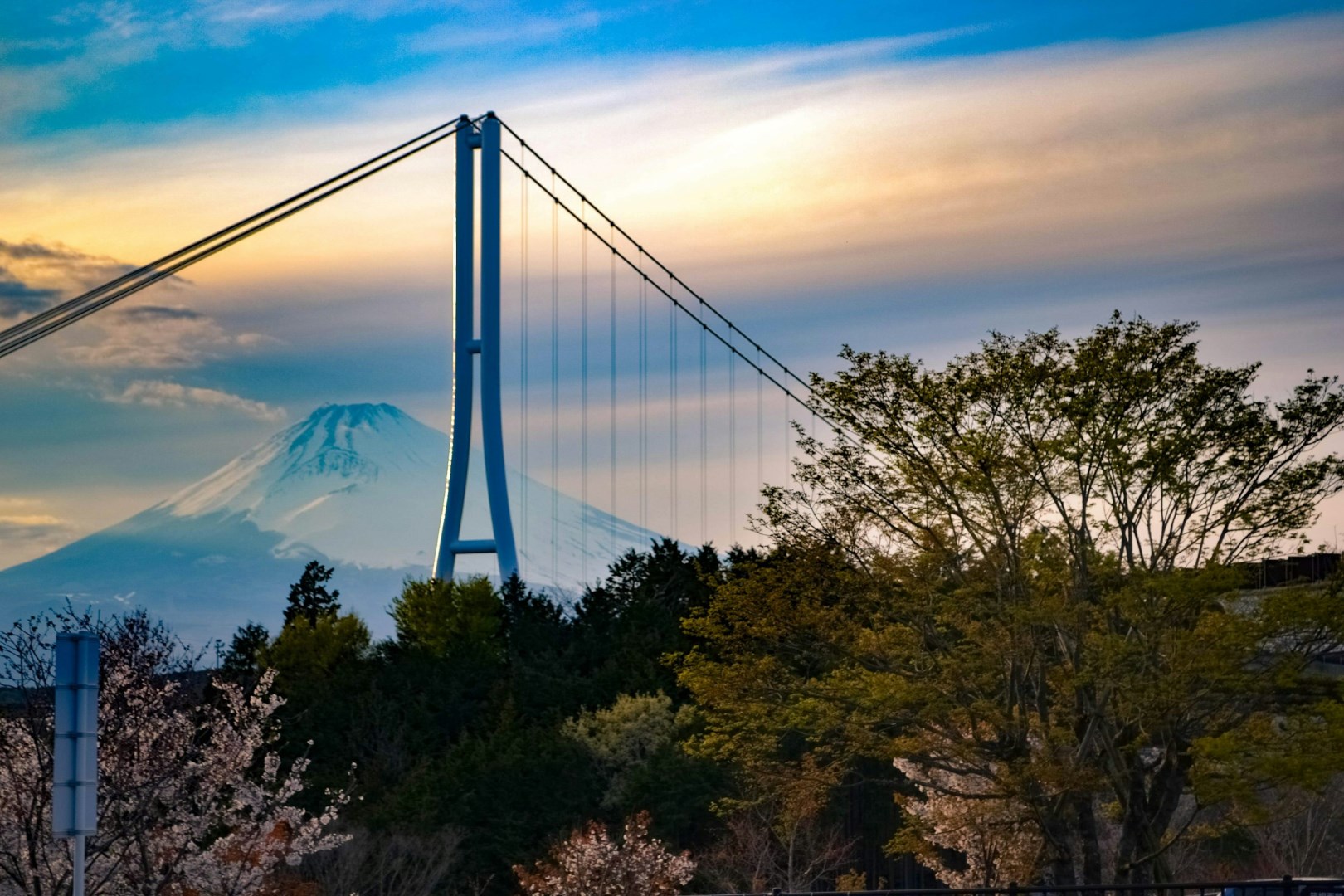
The Genbe River is one of Mishima's notable natural features, with clear spring water flowing through a landscaped urban setting. Rakujuen Garden combines ponds, trees, walking paths, and views of the surrounding landscape, while the nearby Kakita River is another important waterway fed by underground water from Mount Fuji. Just outside the city, the Mishima Sky Walk crosses a long suspension bridge and provides views toward Mount Fuji and Suruga Bay when conditions are clear. The surrounding Izu region also offers access to mountains, hot springs, coastlines, and forested landscapes.
Mishima's food culture makes use of the region's fresh water and agricultural products, with unagi, or grilled eel, being one of the city's best-known specialties. Local restaurants prepare eel in traditional Japanese styles, often serving it over rice. Mishima's spring water is also important to local agriculture, including the cultivation of vegetables and wasabi in suitable areas of the surrounding region. A distinctive feature of the city is the way spring water appears within the built environment, flowing through rivers, ponds, gardens, and canals rather than remaining separate from everyday urban life.
Other Popular Destinations in Japan


