


Europe | Faroe Islands | Mykines
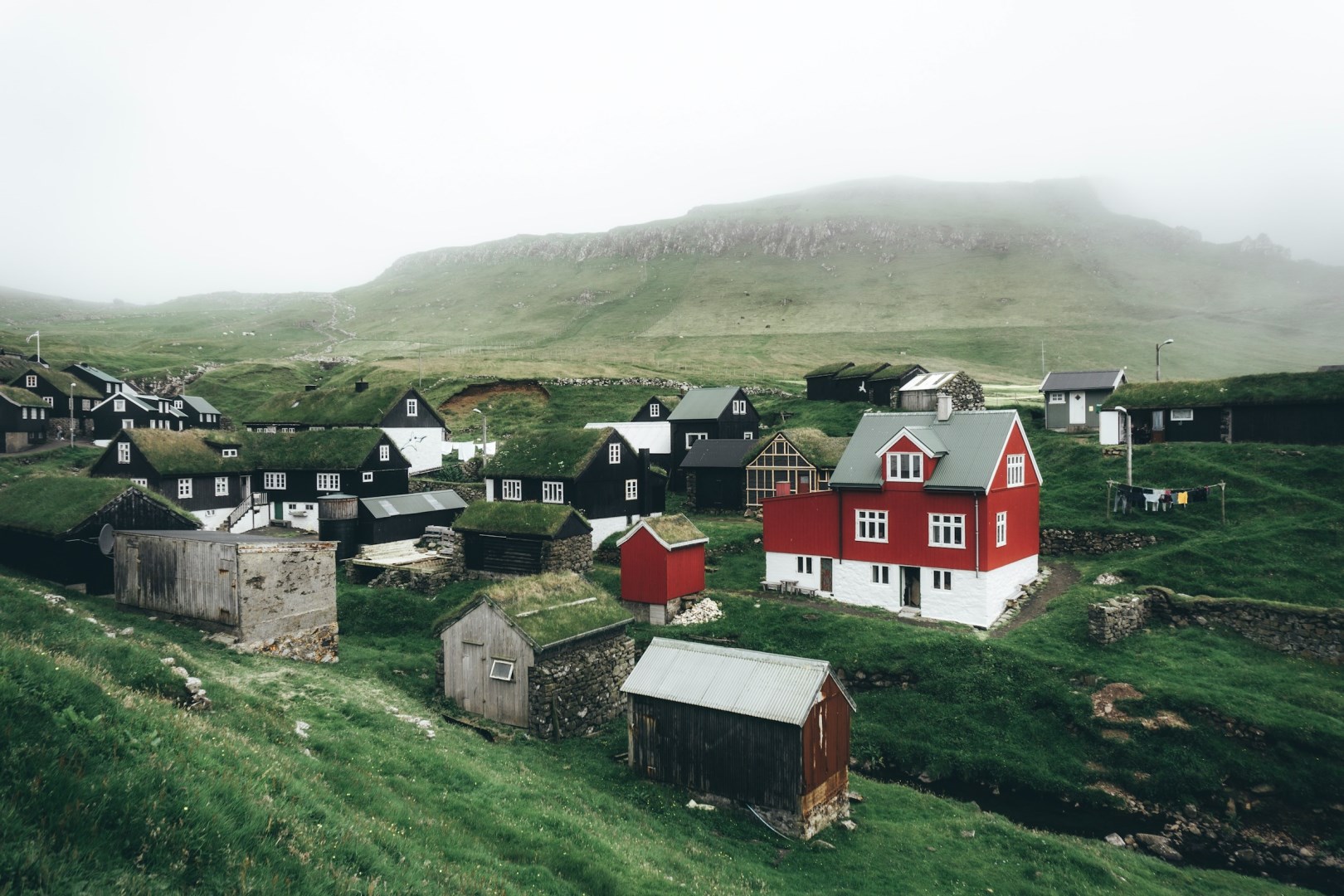
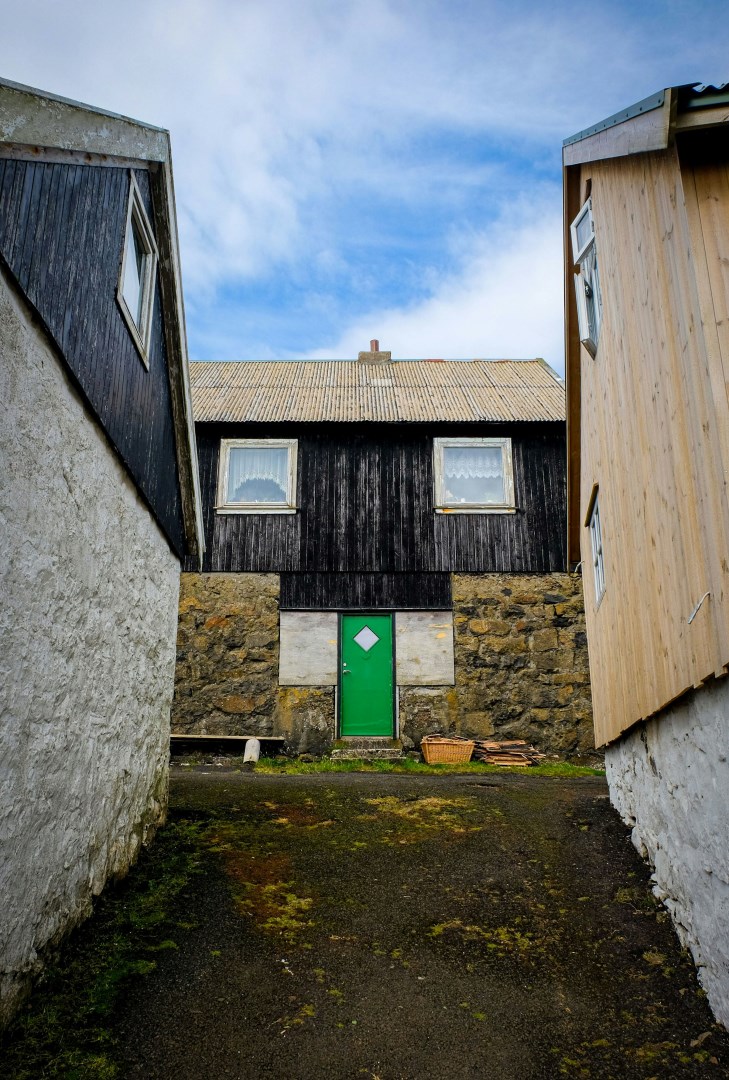
Mykines is the westernmost of the main islands of the Faroe Islands, separated from Vágar by the narrow Mykinesfjørður strait. The island is known for steep mountains, grassy slopes, sea cliffs, and a small settlement of the same name on its southern side. Mykines village consists of traditional houses clustered around narrow lanes, with sheep grazing on the surrounding hillsides. The island’s exposed position in the North Atlantic gives it a remote character, while its lack of road connections and limited population preserve a landscape closely tied to farming, fishing, and seabird colonies.
Mykines has a long tradition of sheep farming and bird harvesting, activities that were closely connected to the island’s isolated way of life. The village church stands at the center of the settlement and remains an important part of local community life. Mykines is also associated with Faroese boatbuilding and fishing traditions, while the island’s steep terrain influenced where people could farm and travel. The settlement has experienced population decline, but traditional houses, stone walls, grazing land, and paths remain visible reminders of a community that adapted its daily life to a small and demanding island environment.
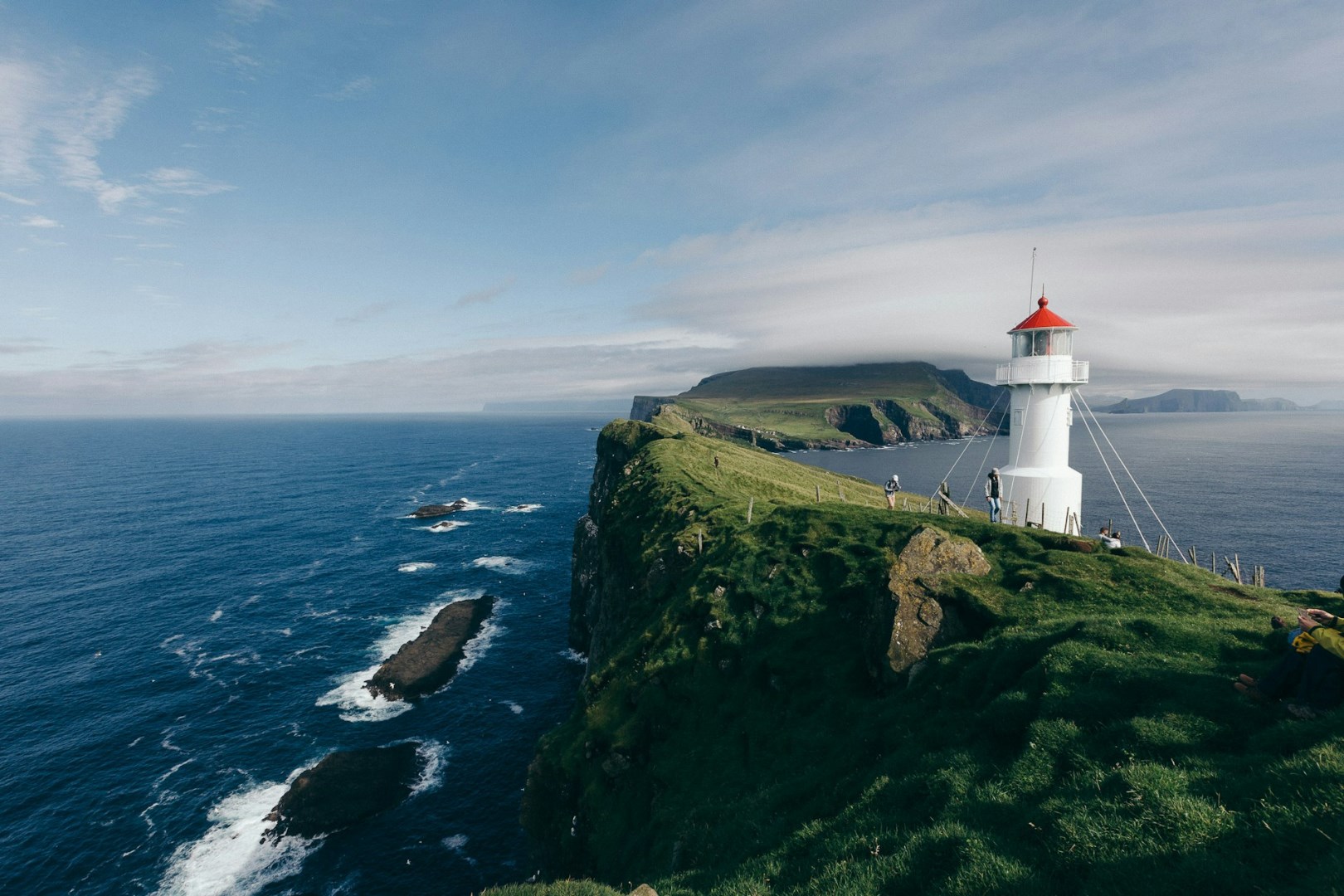
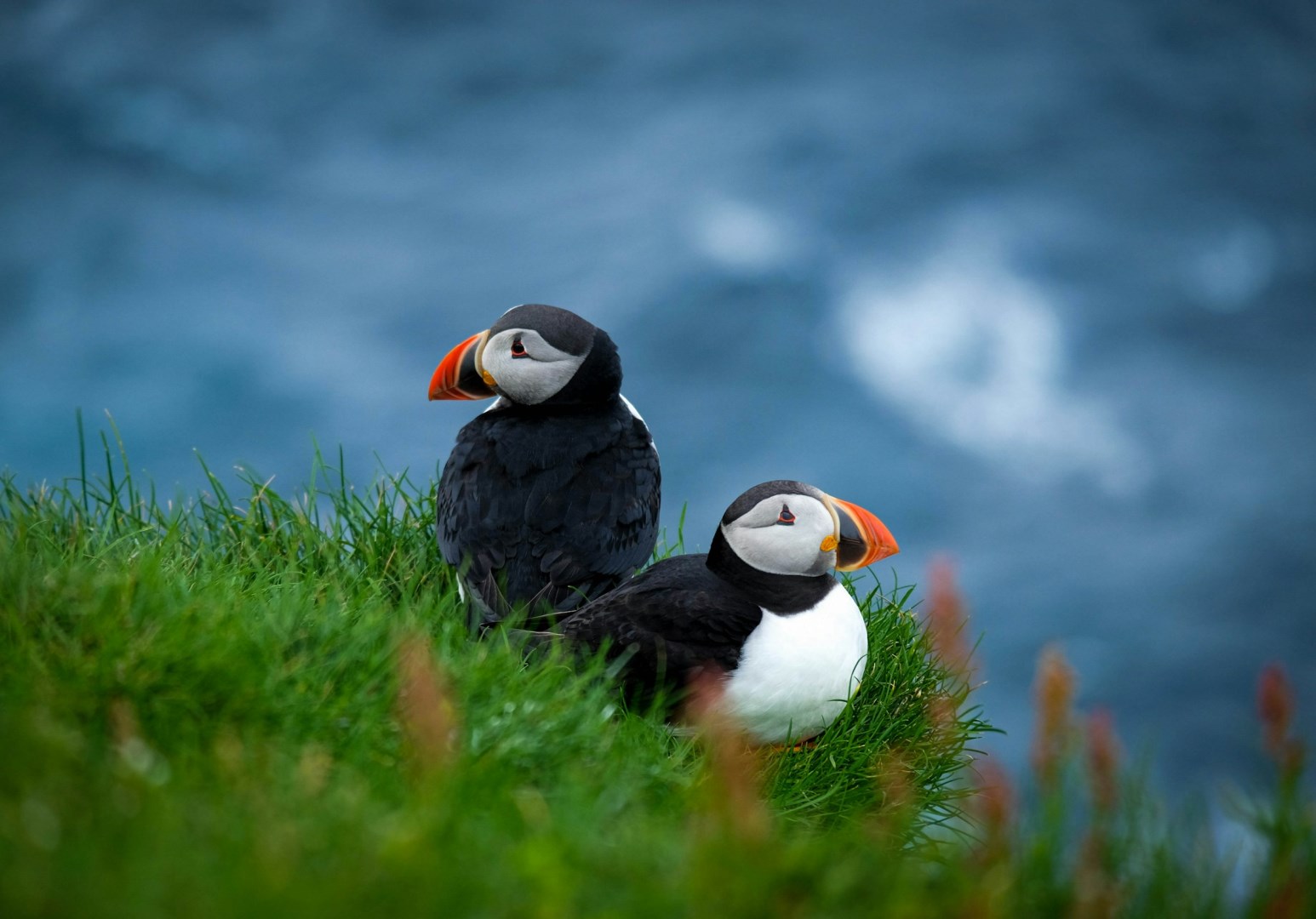
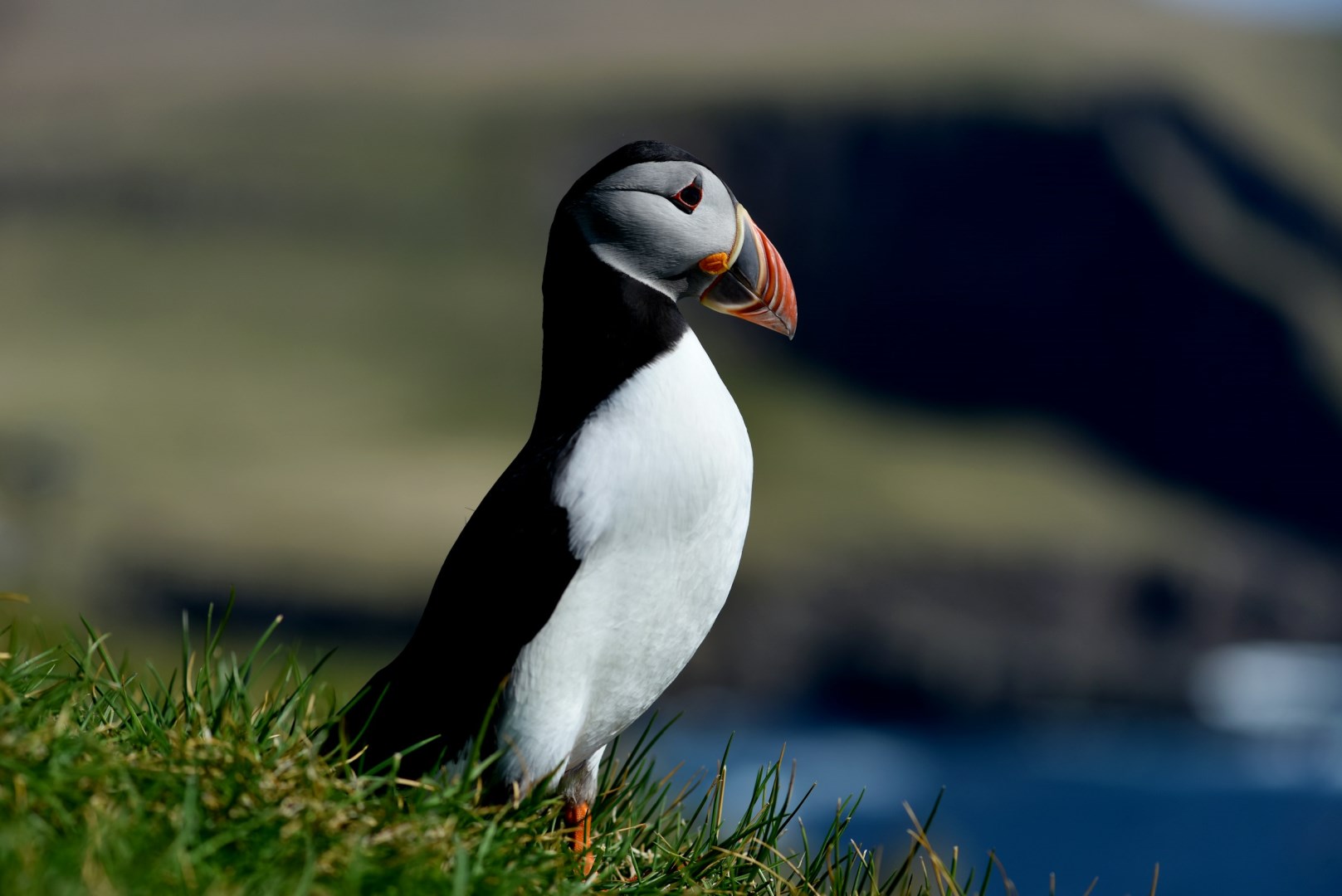
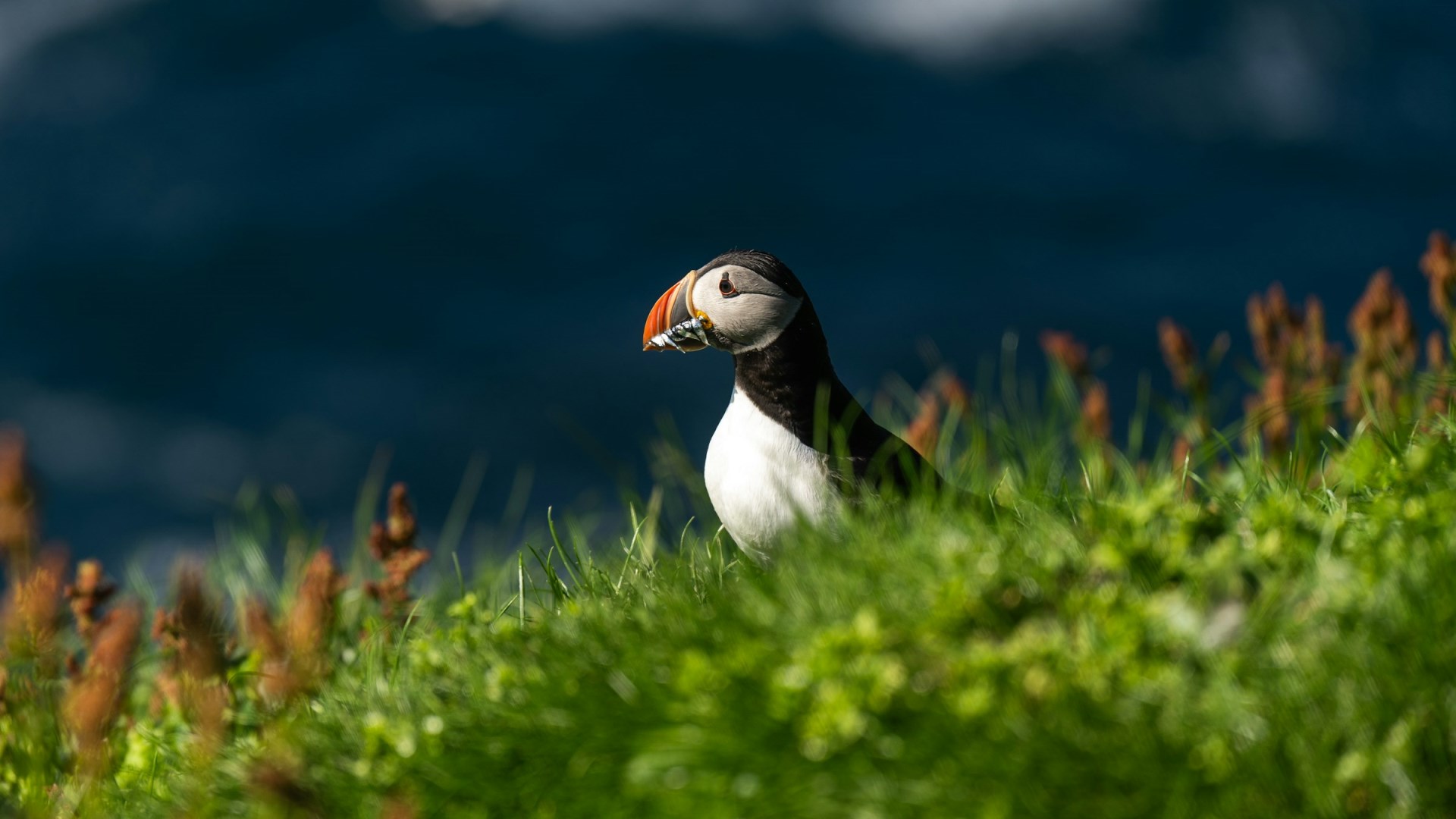
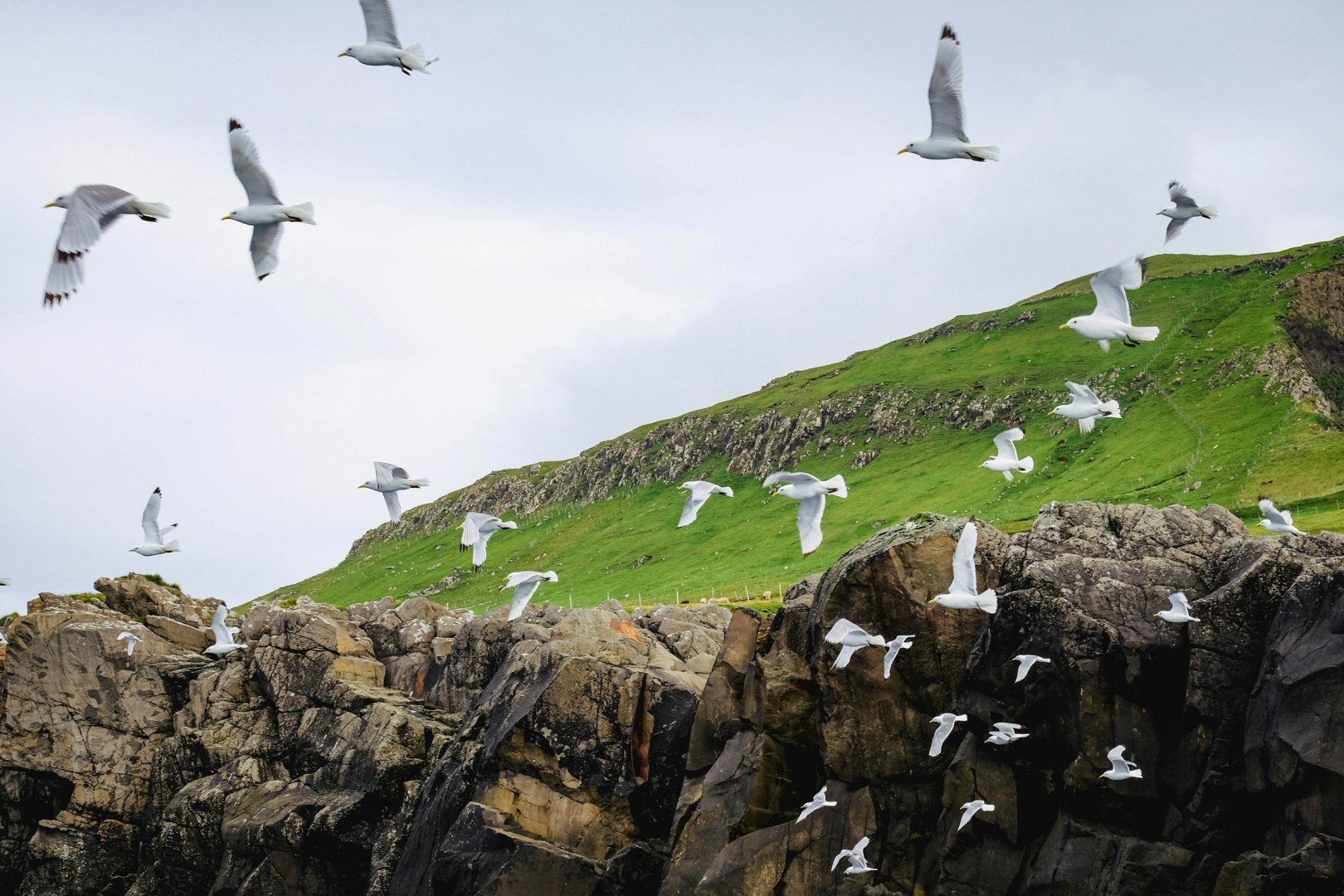
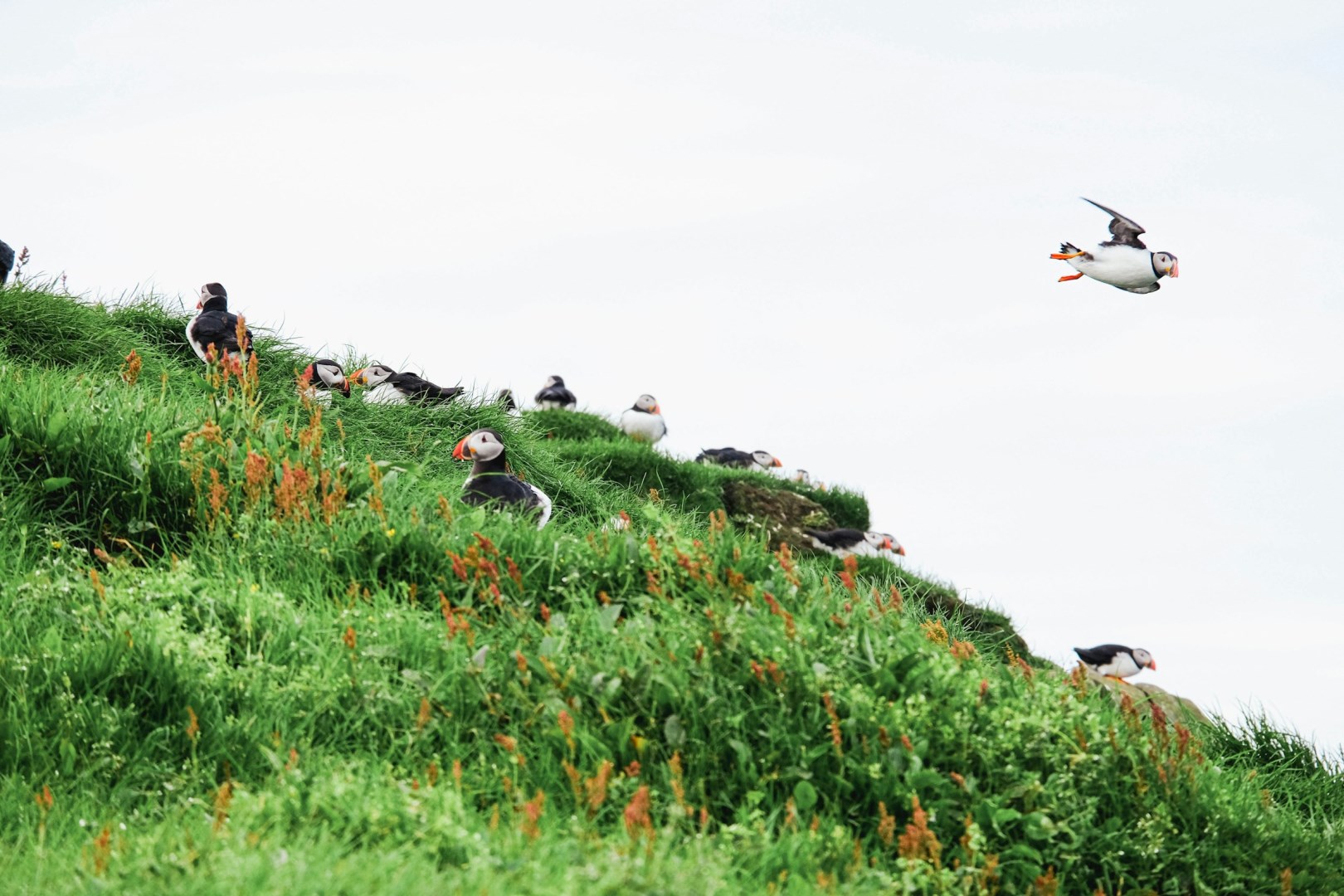
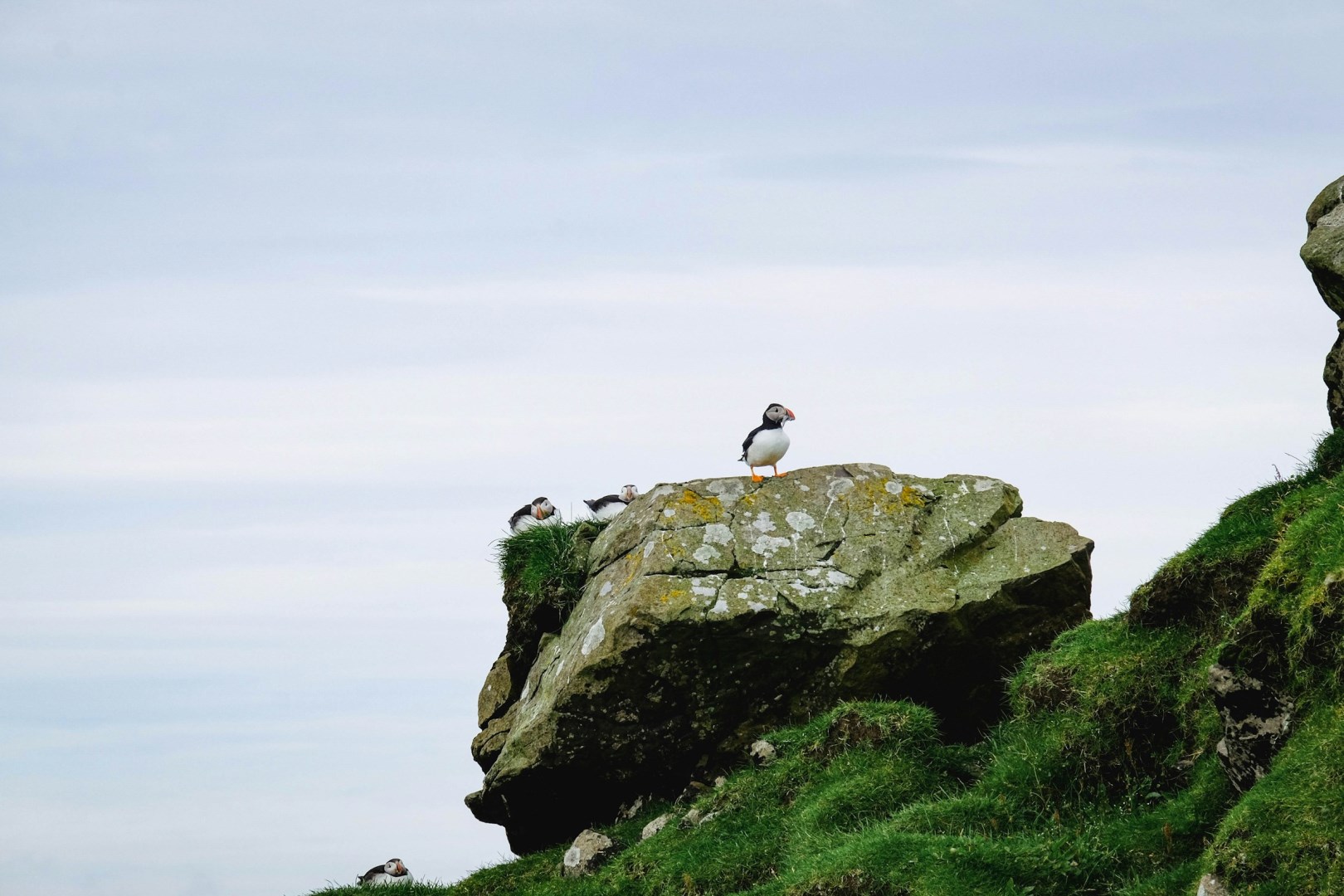
The island’s most famous landmark is the Mykines lighthouse, reached by a trail that crosses the narrow islet of Mykineshólmur. A footbridge spans the gorge between the main island and the islet, providing views of the surrounding cliffs and sea. Mykines is particularly important for seabirds, including Atlantic puffins, northern gannets, and various species of gulls and fulmars. The hiking route can be steep and exposed, and access to parts of the trail may be restricted during bird-nesting periods. Weather can change quickly, making conditions an important consideration for visitors.
Mykines has no large commercial center, and food options are limited compared with the larger Faroese islands. Local food traditions reflect the wider Faroese reliance on lamb, fish, potatoes, and other ingredients suited to the North Atlantic climate. The island is particularly distinctive for the relationship between its settlement and wildlife: seabird colonies occupy the cliffs immediately around areas once used for farming and fishing. Access is also part of the experience, as visitors generally arrive by boat from Sørvágur or by helicopter service, depending on seasonal schedules and weather conditions.
