




South Pacific | Guam | Pagat
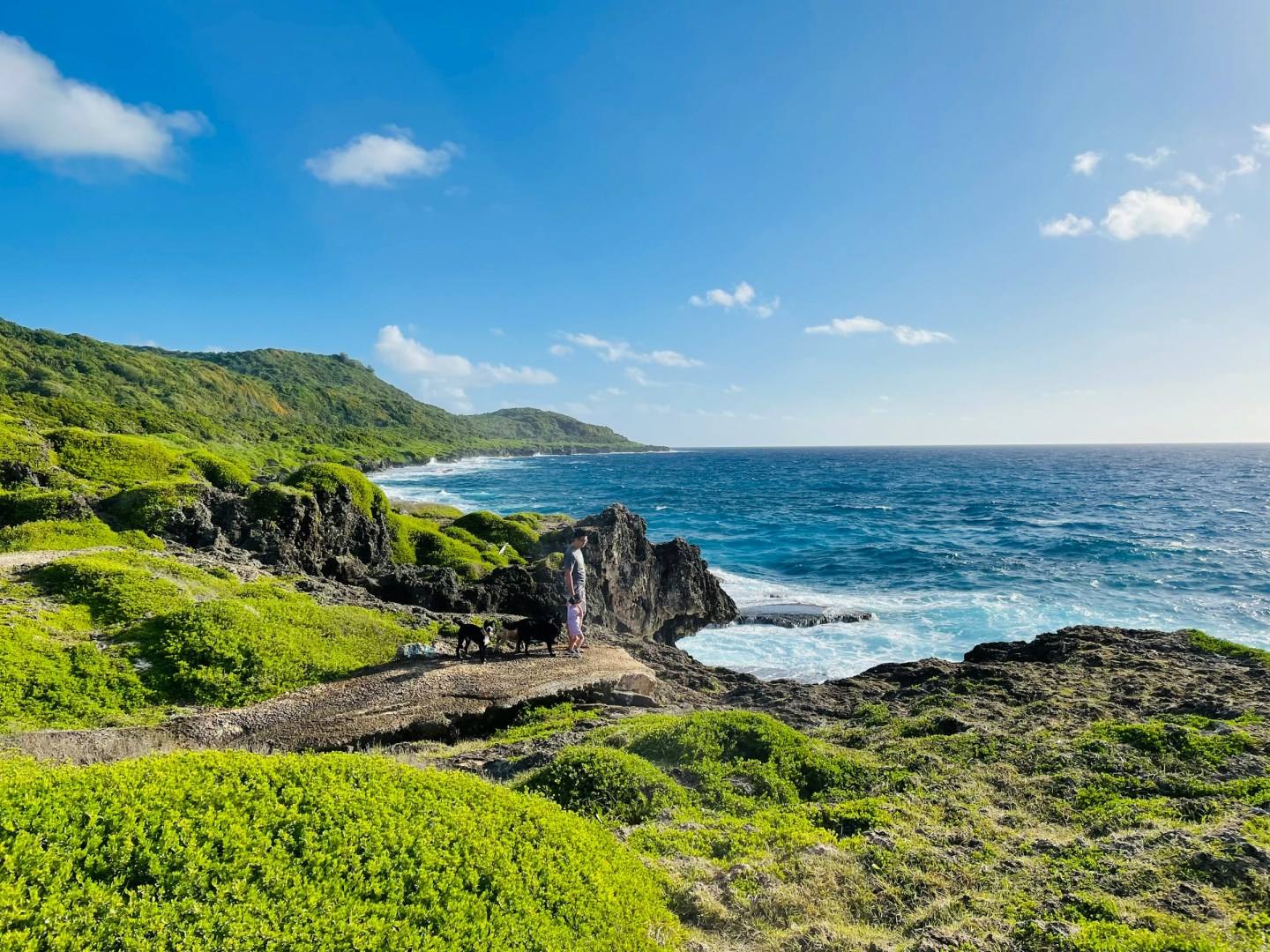

Pagat is a historic village area on Guam's northeastern coast, known for its archaeological remains, limestone cliffs, caves, and coastal trails. The area lies within Guam's rugged northern landscape, where dense vegetation covers limestone terraces above the Pacific Ocean. Pagat is particularly significant because it preserves evidence of ancient CHamoru settlement, including stone structures, pottery fragments, and remnants of traditional village life. The combination of archaeological sites and undeveloped coastal terrain makes Pagat an important place for understanding Guam's Indigenous heritage and natural environment.
Pagat's cultural significance is closely connected to the CHamoru people, the Indigenous inhabitants of the Mariana Islands. Archaeological remains in the area include latte stones, the distinctive paired stone pillars and capstones associated with traditional CHamoru settlements. Other remains provide evidence of food preparation, habitation, and daily life before European contact. The site is also connected with the broader history of CHamoru relationships with land and water, as coastal settlements relied on nearby forests, freshwater sources, reefs, and fishing grounds. Pagat's archaeological resources are protected as part of Guam's cultural heritage.
The Pagat coastal area includes a limestone cave with a freshwater pool, steep cliffs, and a trail leading from the interior toward the ocean. The hike passes through dense tropical vegetation and limestone terrain before reaching the archaeological area and shoreline. The cave's freshwater pool is one of the best-known features of the site, while the coast provides views across the Philippine Sea. Visitors should take care around the cliffs and rough terrain, as the area is relatively undeveloped and conditions can become slippery after rain. The site is also subject to preservation restrictions intended to protect archaeological remains.
