Africa | St. Helena | Jamestown
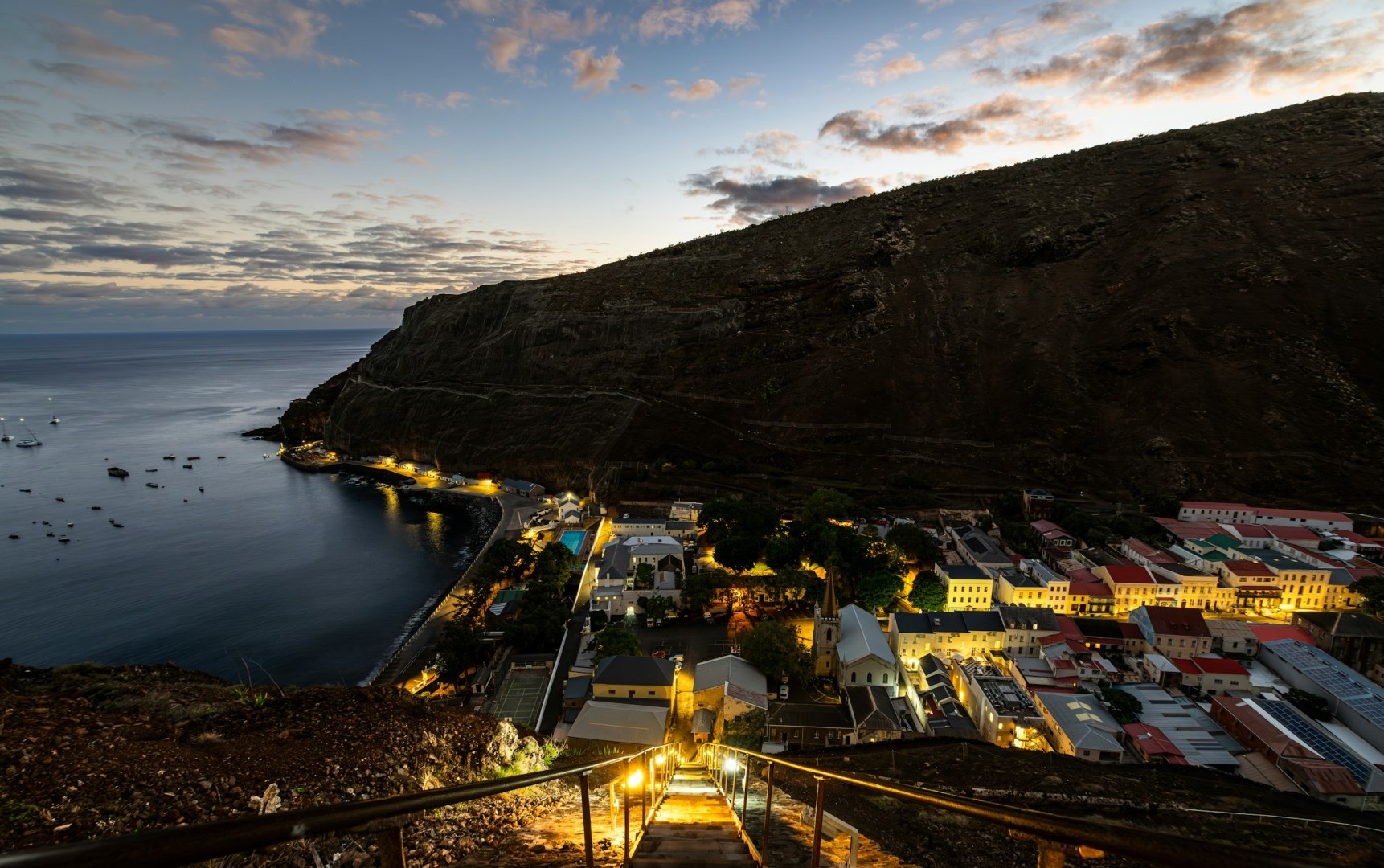

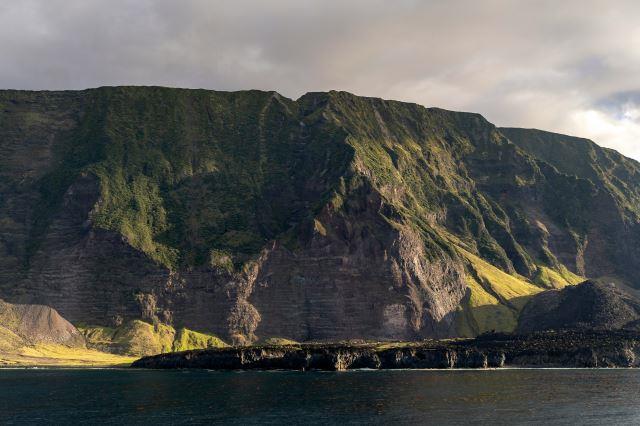
Jamestown is the capital and main settlement of St. Helena, a remote British Overseas Territory in the South Atlantic. The town lies in a narrow valley opening onto the sea, with steep volcanic cliffs rising on both sides and historic buildings lining the main streets. Its compact centre contains many surviving structures associated with the island’s East India Company heritage, reflecting Jamestown’s former role as an important mid-Atlantic port. Today, it serves as St. Helena’s administrative and commercial centre, with shops, cafés, restaurants, museums, and public facilities concentrated around the waterfront and Main Street.
Jamestown has a long and layered history shaped by maritime trade, colonial administration, and the island’s use as a place of exile. Historic buildings throughout the town reflect its connection with the East India Company, while St. James’ Church and other surviving structures form part of the island’s architectural heritage. Jamestown is also closely associated with Napoleon Bonaparte’s exile on St. Helena, although his final residence was at Longwood. The town’s heritage includes stories of enslaved people, soldiers, sailors, prisoners, and travellers who passed through the island during its role as a strategic Atlantic port.
One of Jamestown’s most recognizable landmarks is Jacob’s Ladder, a steep flight of 699 steps climbing from the valley to Ladder Hill. The town also provides access to the Museum of St. Helena, historic fortifications, Plantation House farther inland, and walking routes into the surrounding hills. The waterfront offers views across the South Atlantic, while the valley’s steep slopes create a dramatic setting for the settlement. Jamestown is also a starting point for exploring St. Helena’s wider natural attractions, including Diana’s Peak National Park, endemic forests, coastal cliffs, and island hiking trails.
Local food reflects St. Helena’s isolated island setting, with seafood, locally grown vegetables, meat, and traditional home cooking appearing in cafés and restaurants around Jamestown. Coffee grown on St. Helena is another notable local product, while island dishes can include fish, pumpkin, and other locally available ingredients. The town’s compact geography is one of its defining characteristics: steep valley walls rise directly behind the streets, leaving little flat land for expansion. Jamestown also has an unusual connection with global history through its many surviving buildings, allowing visitors to encounter maritime, military, colonial, and Napoleonic heritage within a walkable town centre.
Other Popular Destinations in St. Helena