
USA | California | Morro Bay
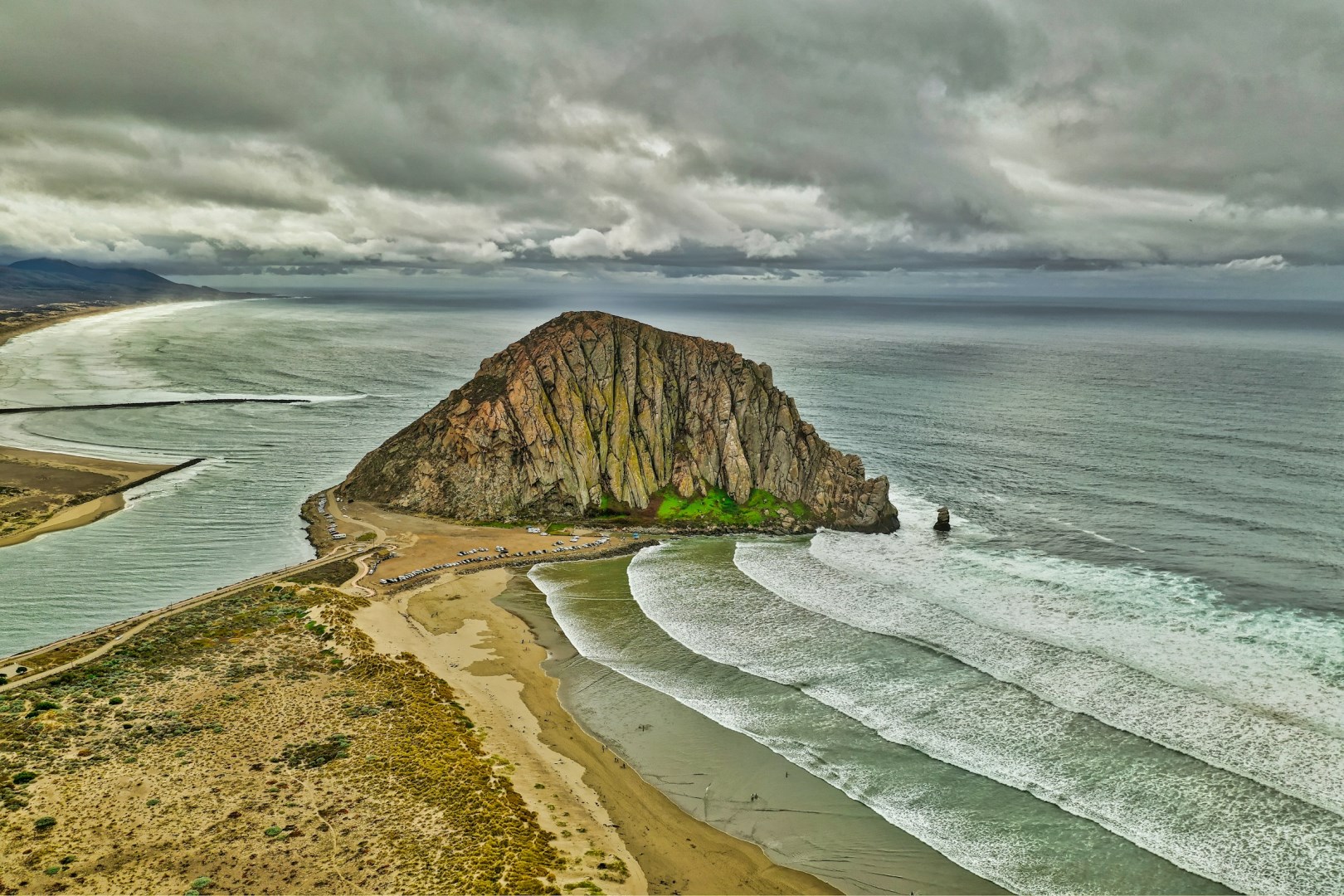

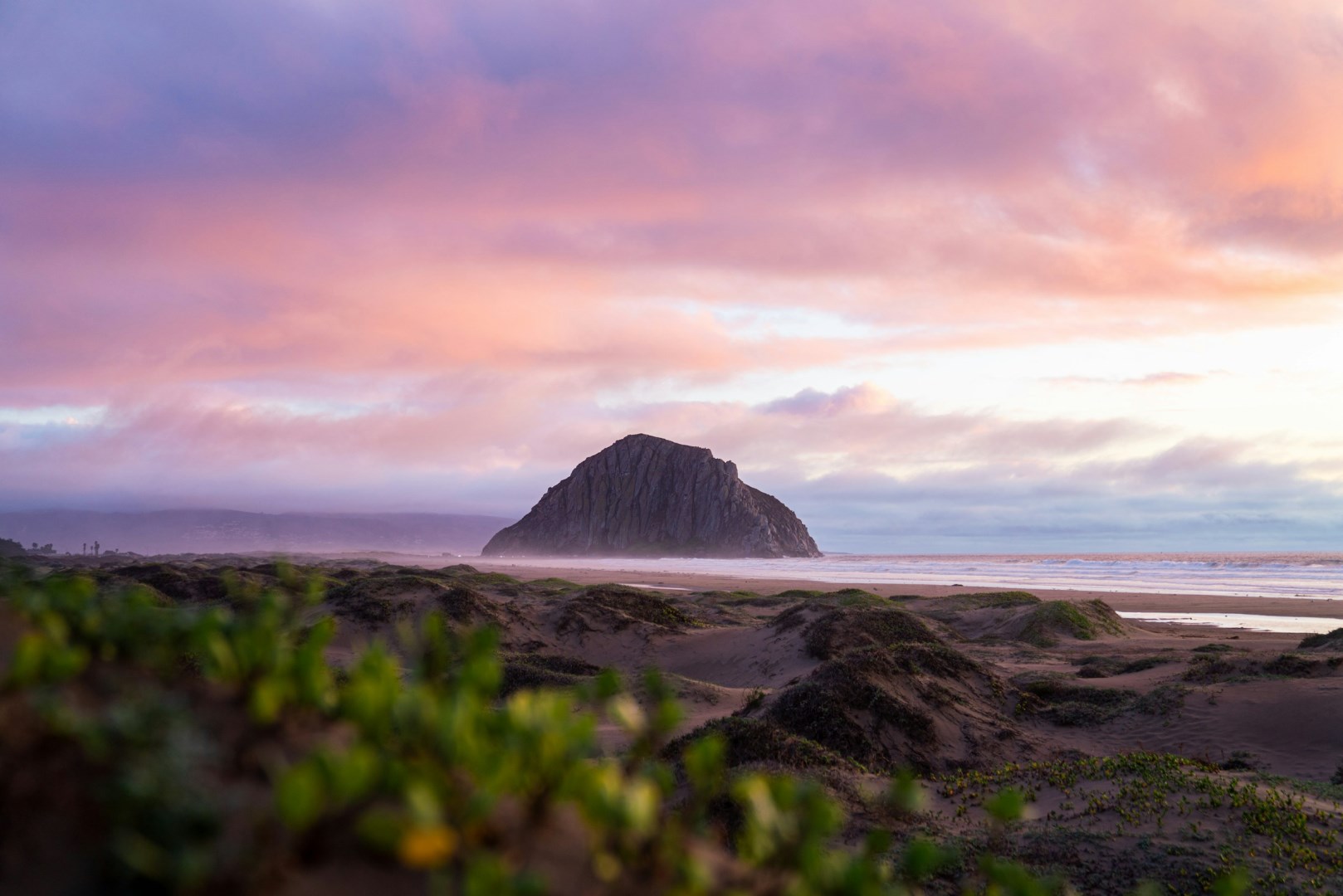


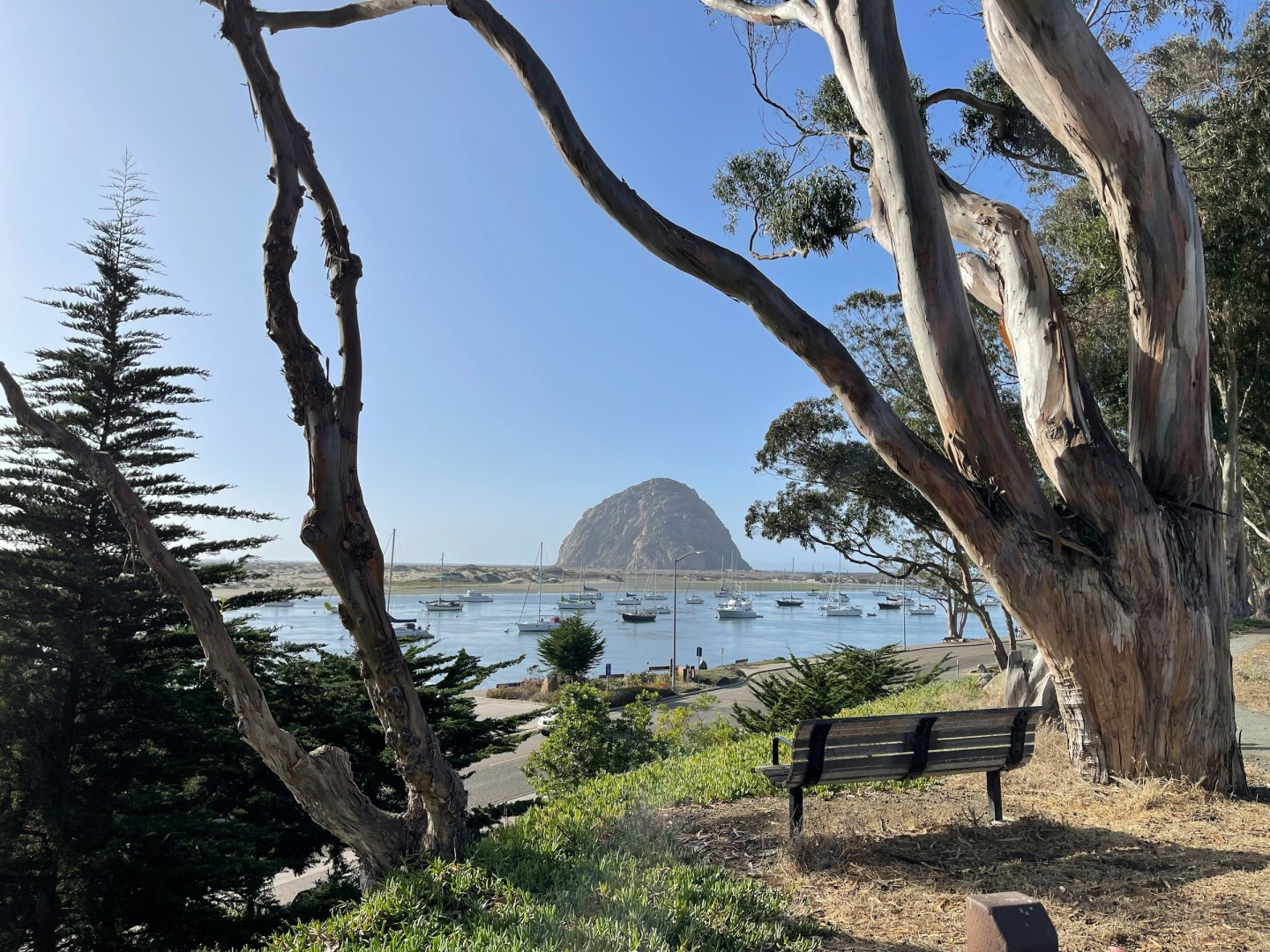
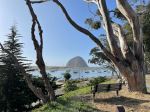
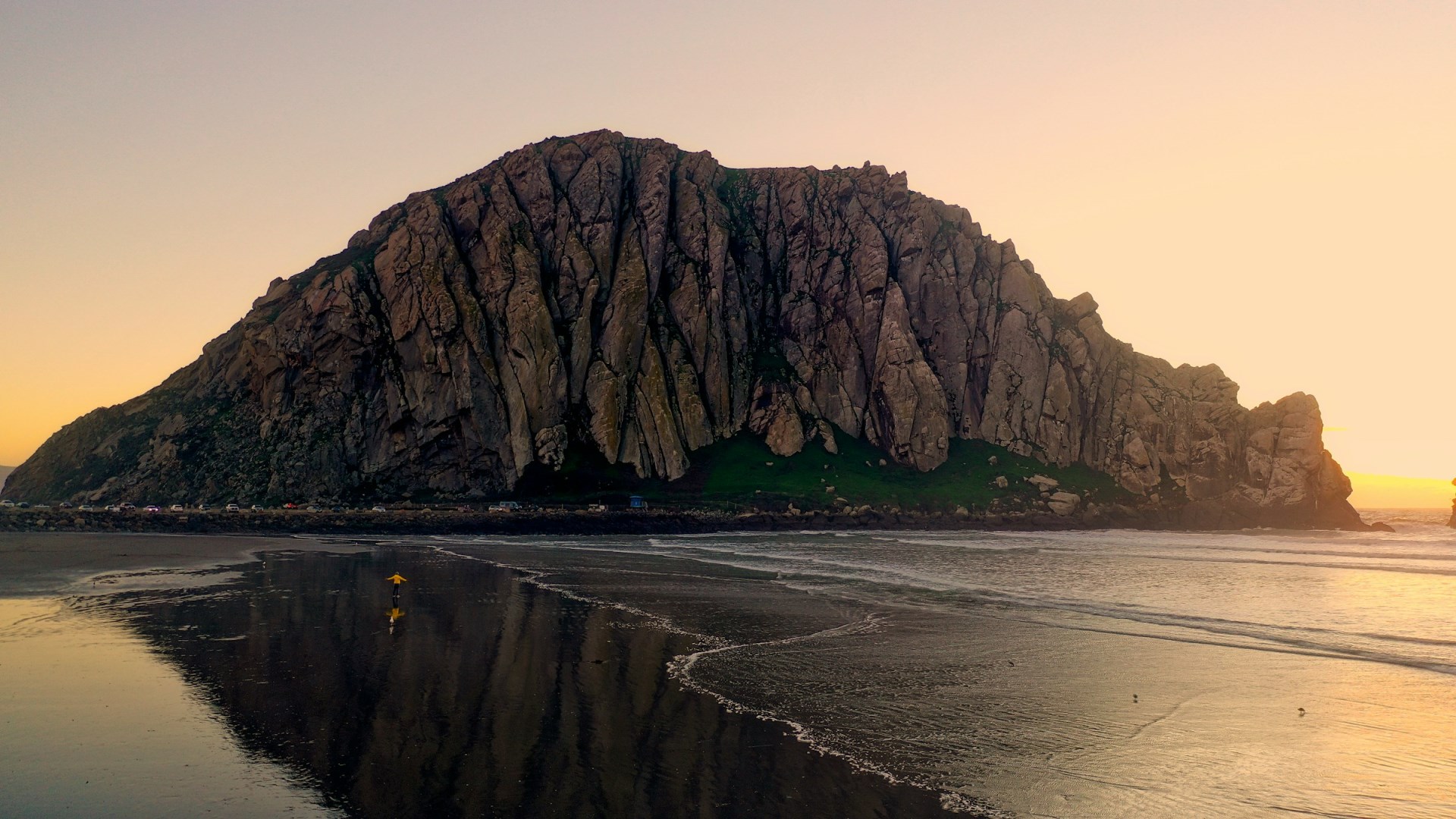

Morro Bay is a coastal city on California’s Central Coast, situated around a natural harbor between San Luis Obispo and the Pacific Ocean. Its most recognizable landmark is Morro Rock, a large volcanic plug rising at the entrance to the bay. The city’s waterfront includes fishing docks, marinas, beaches, and a working harbor, while wetlands and dunes surround parts of the shoreline. Morro Bay’s setting combines ocean, estuary, and coastal hills, creating a landscape that supports both a long-standing fishing community and a protected range of marine and bird habitats.
Morro Bay has longstanding connections to the Chumash people, who lived along the Central Coast and used the bay and surrounding waters for fishing, gathering, and transportation. Spanish explorers later recorded the prominent rock at the harbor entrance, and the area eventually developed around fishing, shipping, and other maritime activities. Today, Morro Bay retains an active commercial fishing fleet, while the Morro Bay Maritime Museum and Morro Bay State Park Museum provide insight into the region’s coastal and maritime heritage. Morro Rock itself remains an important natural and cultural landmark.
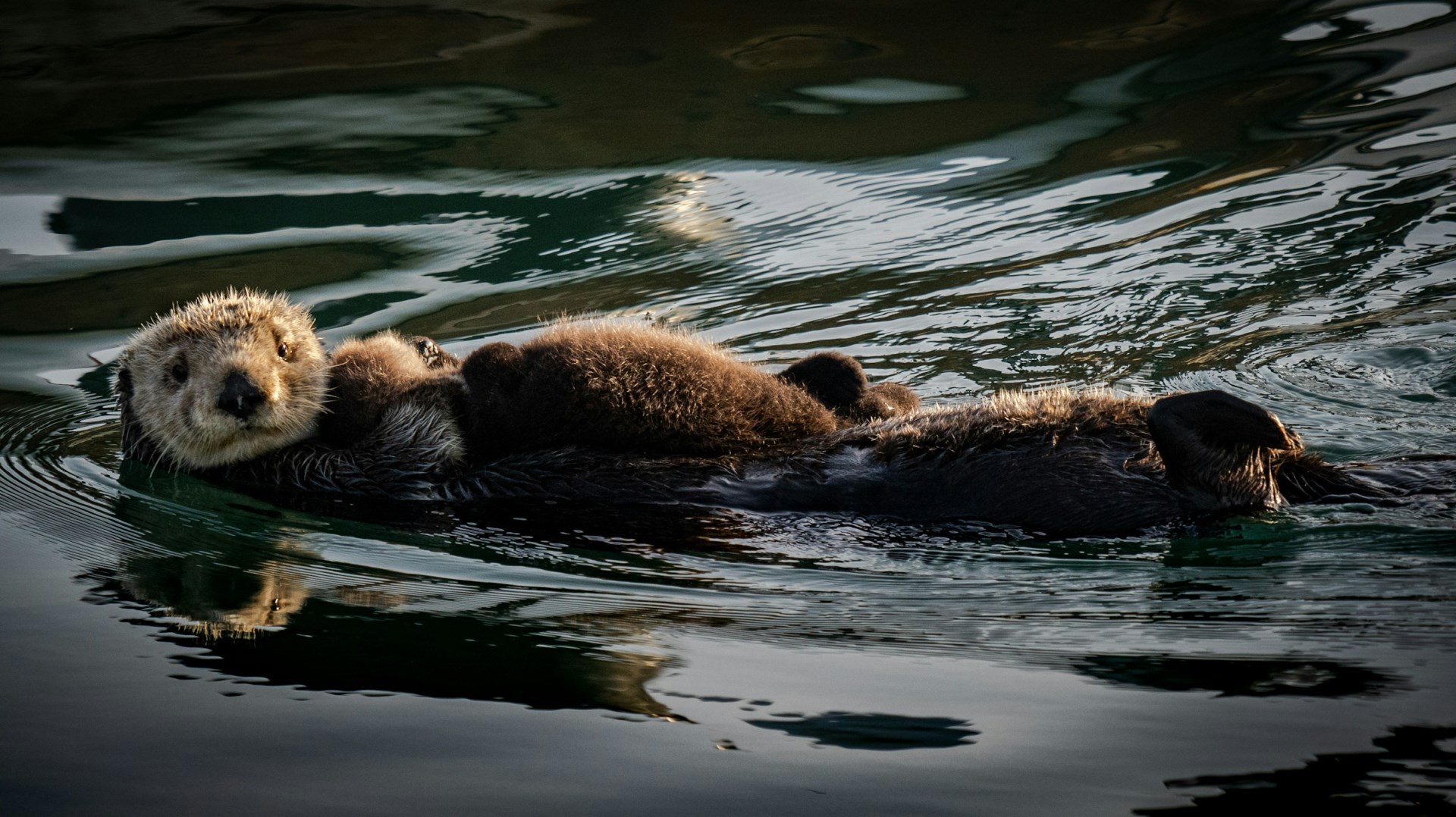
The bay and surrounding coastline provide several notable natural attractions. Morro Bay State Park protects salt marsh, lagoon, and coastal habitat, with trails and viewpoints overlooking the estuary. The bay supports sea otters, harbor seals, seabirds, and many species of fish, while the surrounding dunes and beaches provide additional habitat. Morro Strand State Beach extends along the coast north of the city and offers a long stretch of sandy shoreline. Morro Rock is protected as a state historic landmark and serves as a nesting site for several seabird species, making access to the rock itself restricted.
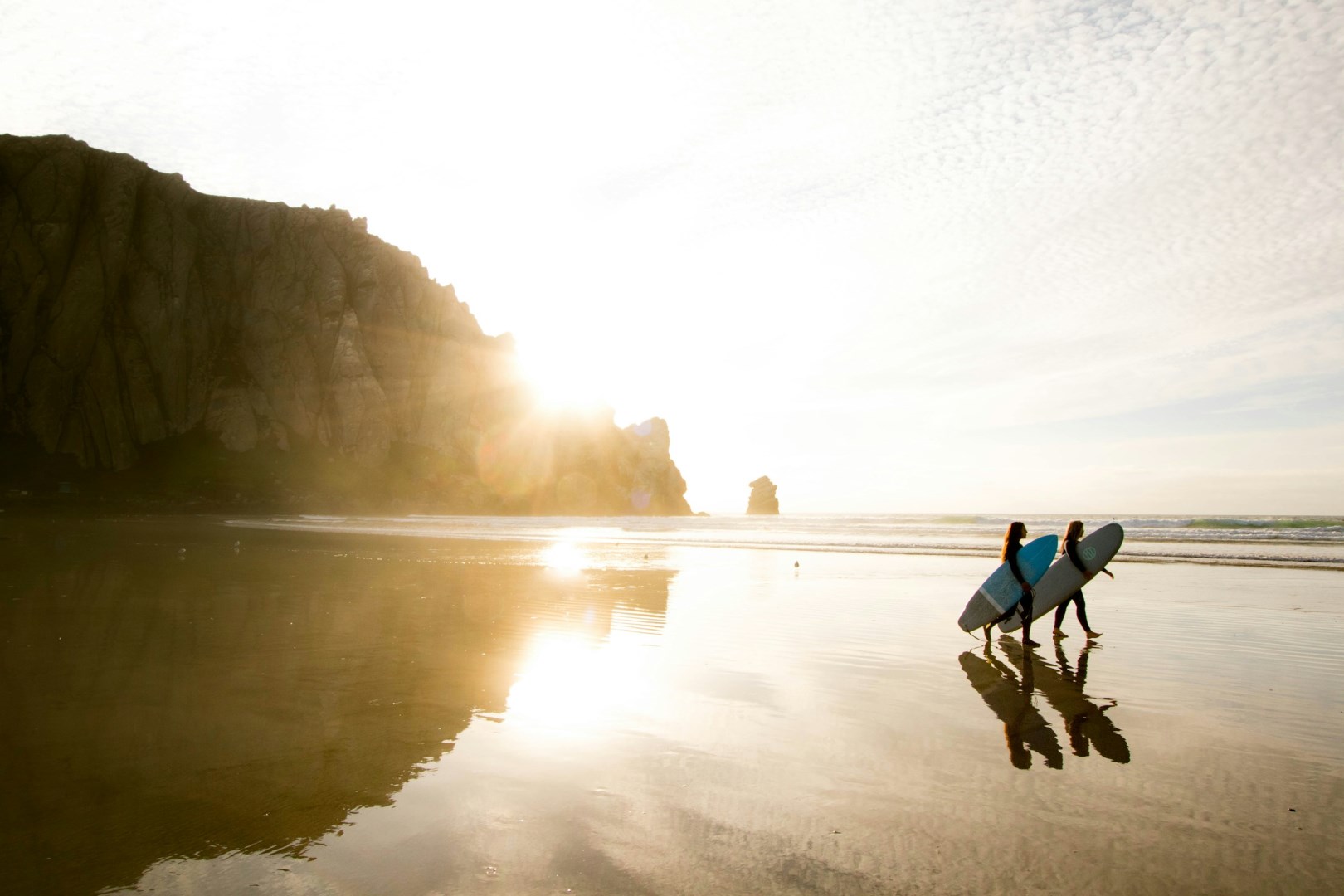
Seafood is central to Morro Bay’s food culture, with local restaurants and markets serving Pacific species alongside California-style dishes and produce from the surrounding agricultural region. Commercial fishing remains visible along the Embarcadero, where boats bring in catches and seafood businesses operate beside the harbor. The city is also known for kayaking, birdwatching, sailing, fishing, and marine wildlife observation. A distinctive feature of Morro Bay is the close proximity of working waterfront infrastructure to protected wetlands and wildlife habitat. The result is a coastal community where fishing, conservation, recreation, and tourism occupy the same compact landscape.
Other Popular Destinations in California