

USA | California | Anza-Borrego Desert State Park
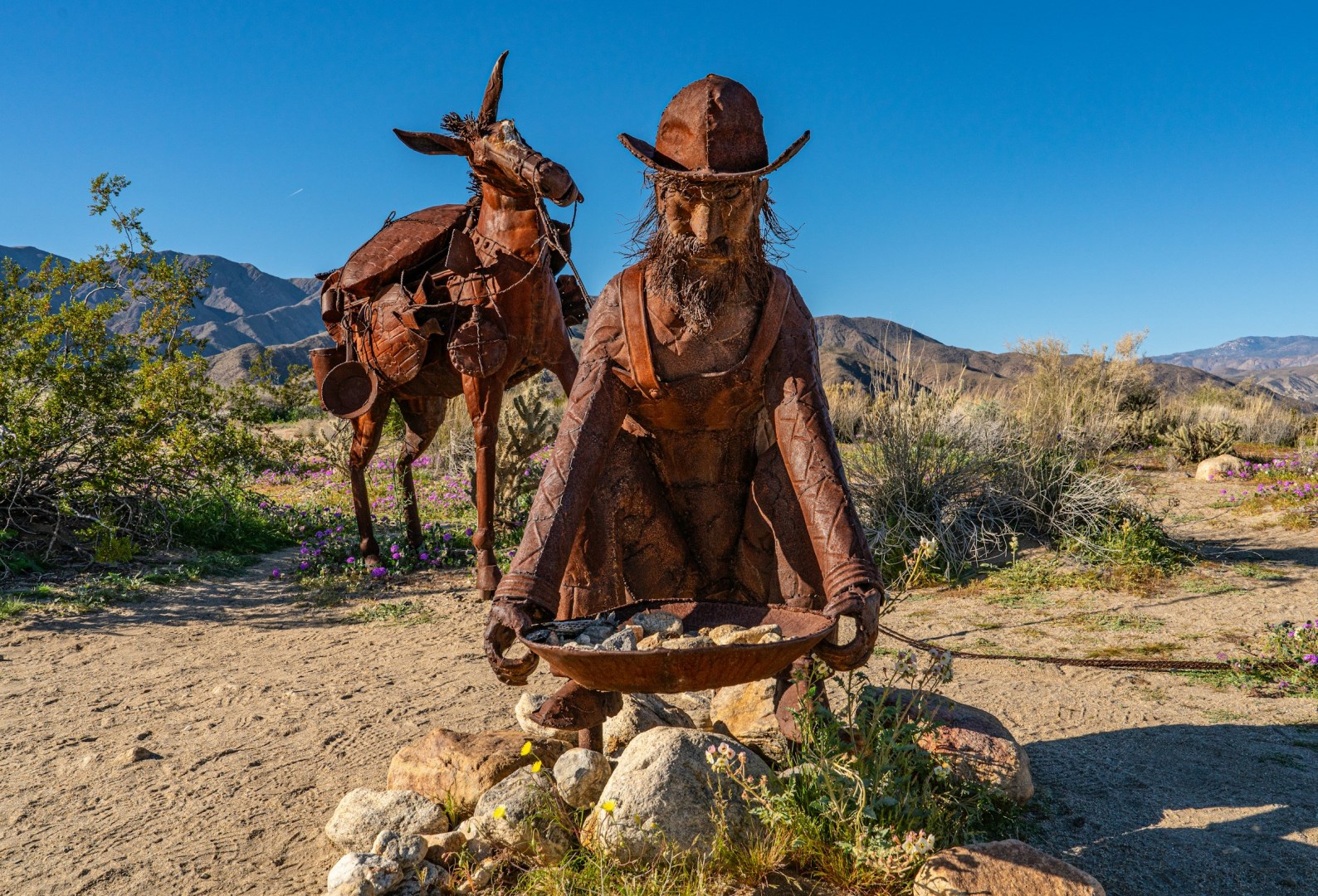
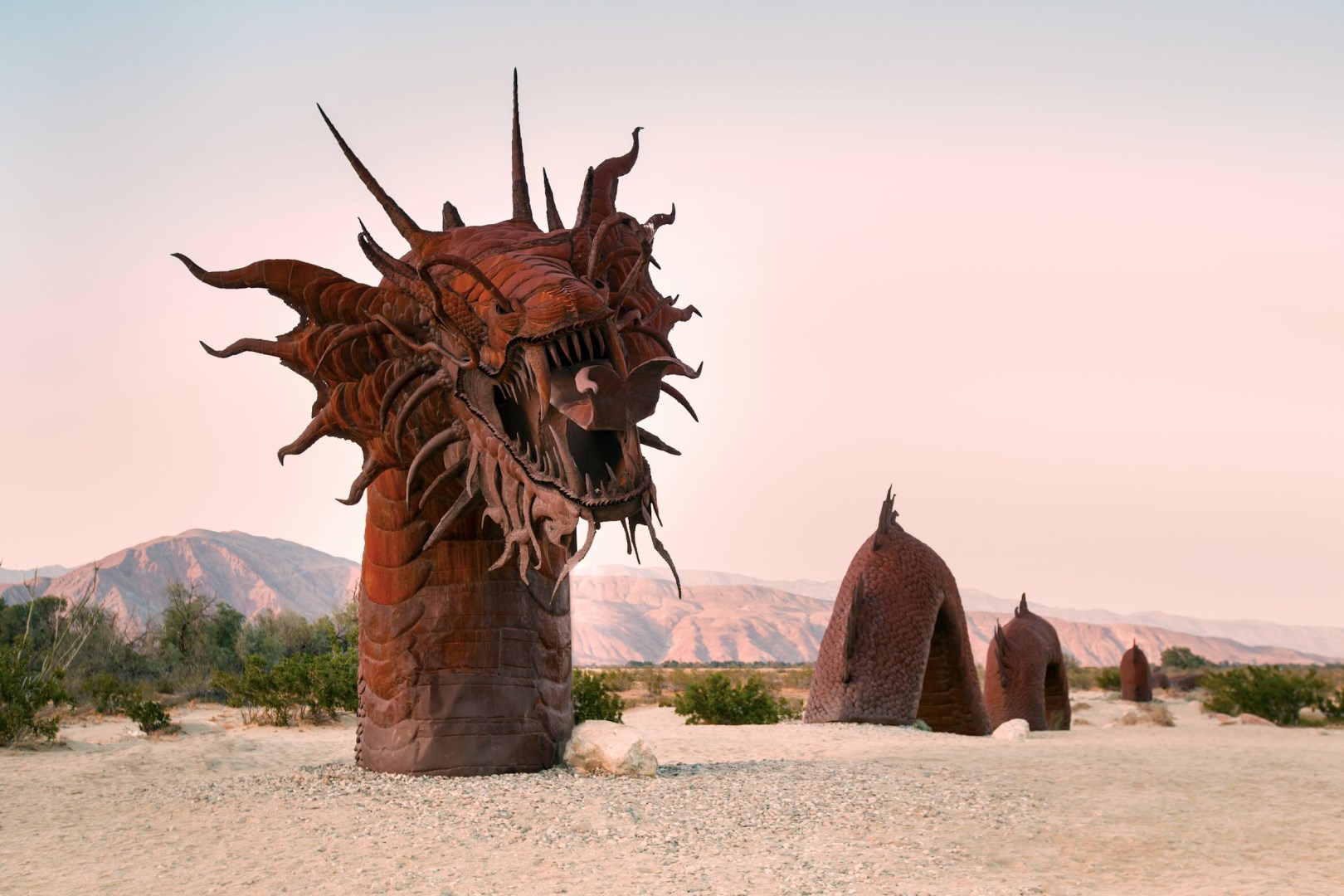
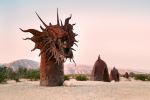
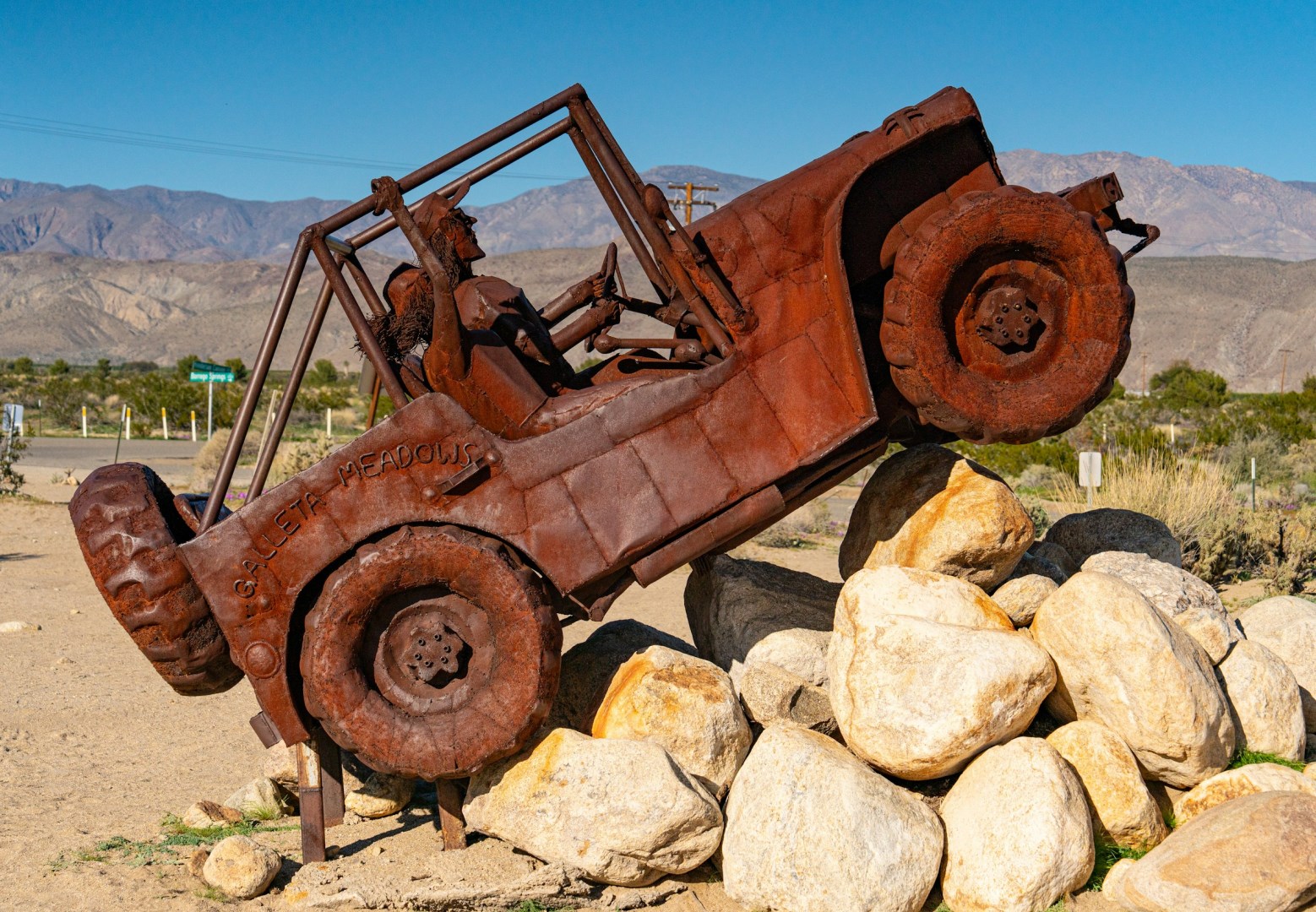

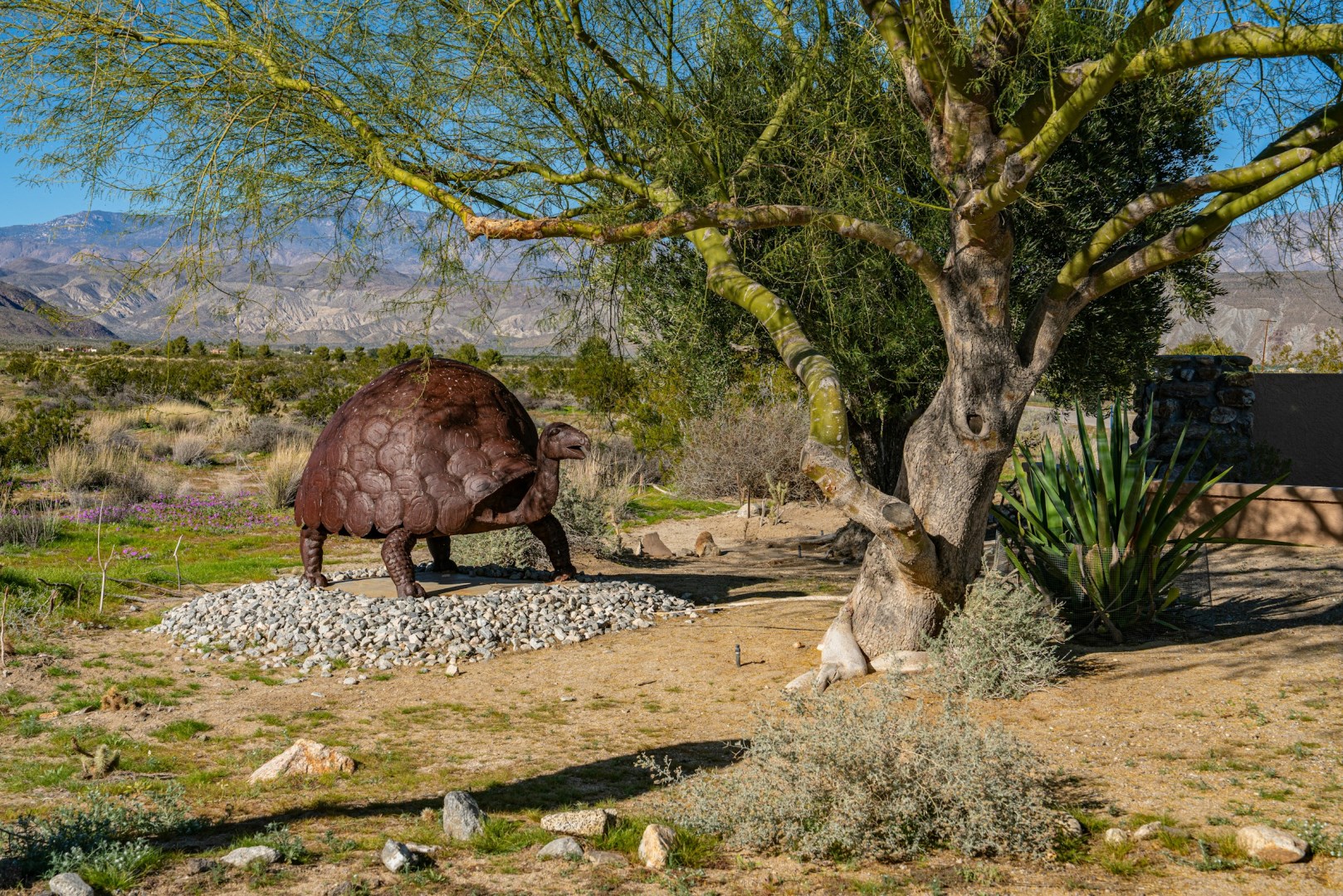
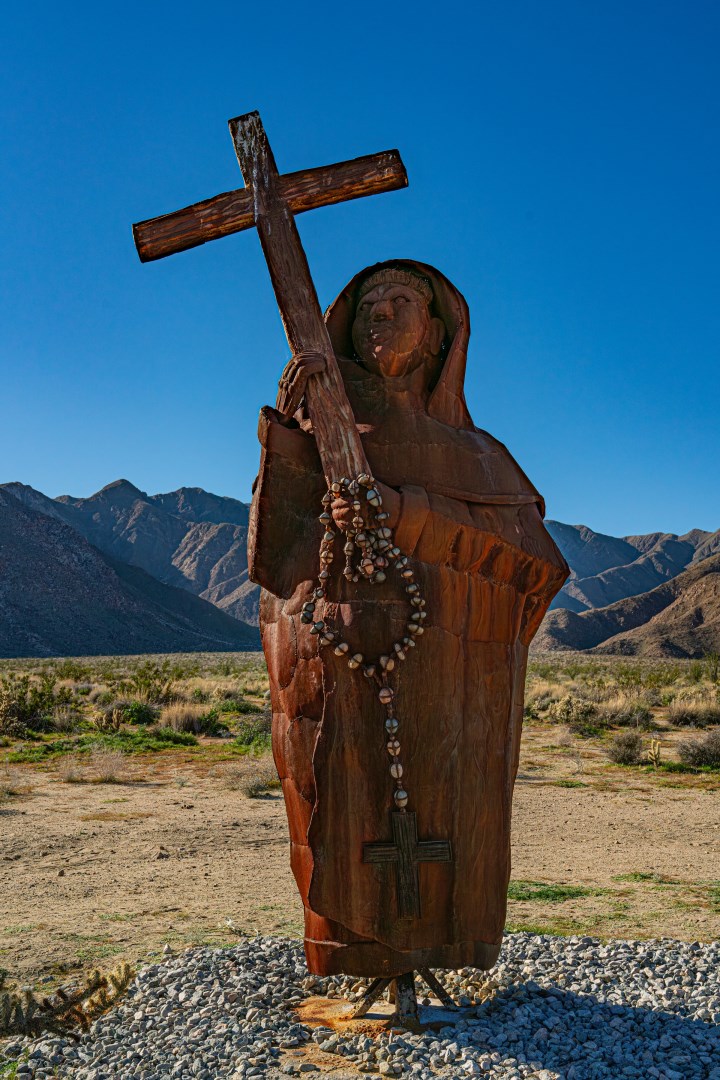
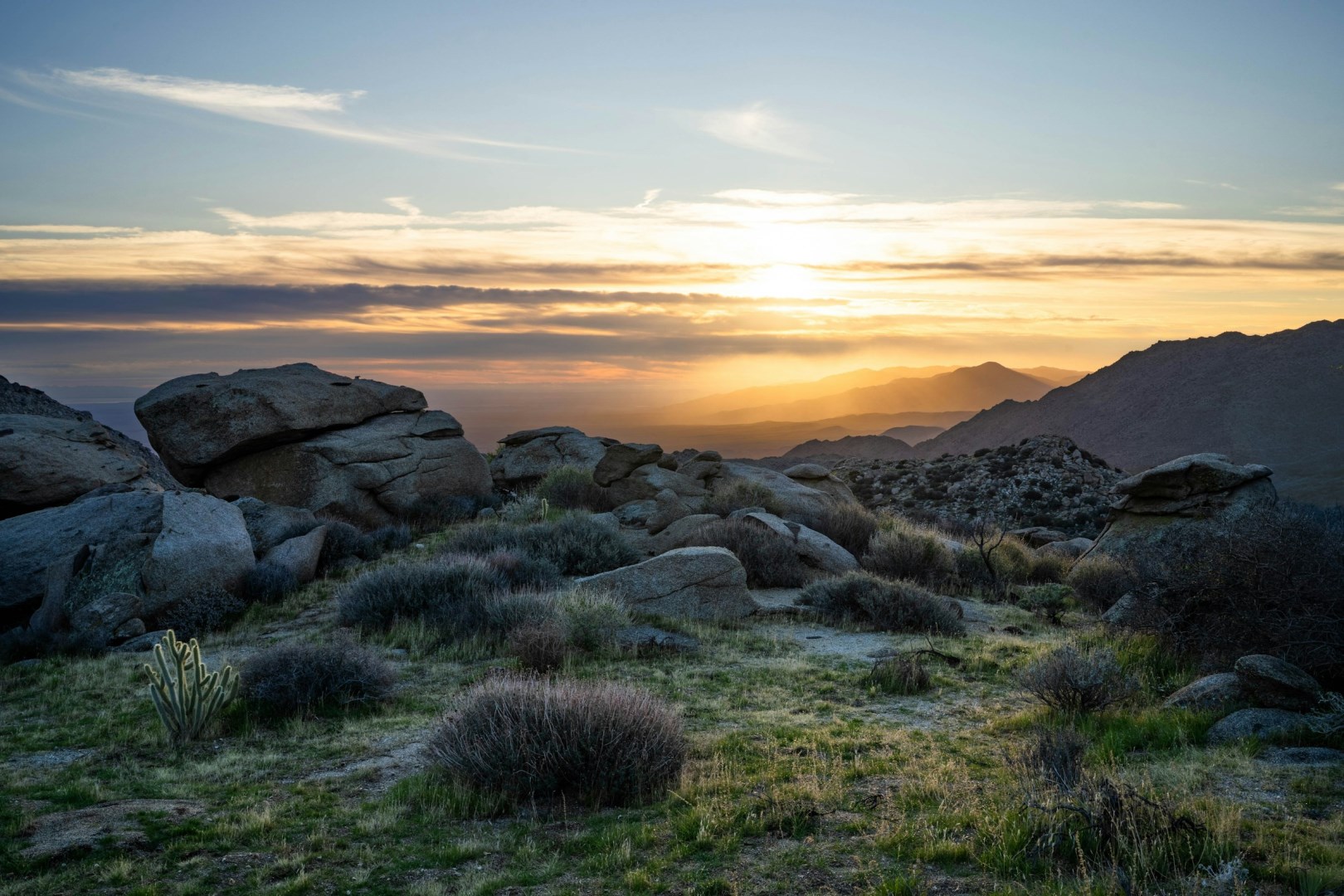
Anza-Borrego Desert State Park occupies a large area of southeastern California, extending across the Colorado Desert east of San Diego County. It is California’s largest state park and contains a varied desert landscape of broad valleys, badlands, rocky mountains, palm oases, dry washes, and sandy plains. The park takes its name from Spanish explorer Juan Bautista de Anza and the Spanish word for bighorn sheep. Its remote setting provides a strong contrast with the developed coastal areas of Southern California, with Borrego Springs serving as the main gateway community.
The park has deep connections to the Indigenous peoples of the region, particularly the Kumeyaay, whose ancestral lands extend across parts of southern California and northern Baja California. Indigenous rock art, bedrock mortars, trails, and other archaeological features occur throughout the desert landscape. Later travelers used routes through the region connecting inland settlements and the coast. The park also preserves evidence of ranching, mining, and homesteading. At the Anza-Borrego Desert State Park Visitor Center, exhibits interpret the area's natural and cultural history, including the people who have adapted to its demanding desert environment.
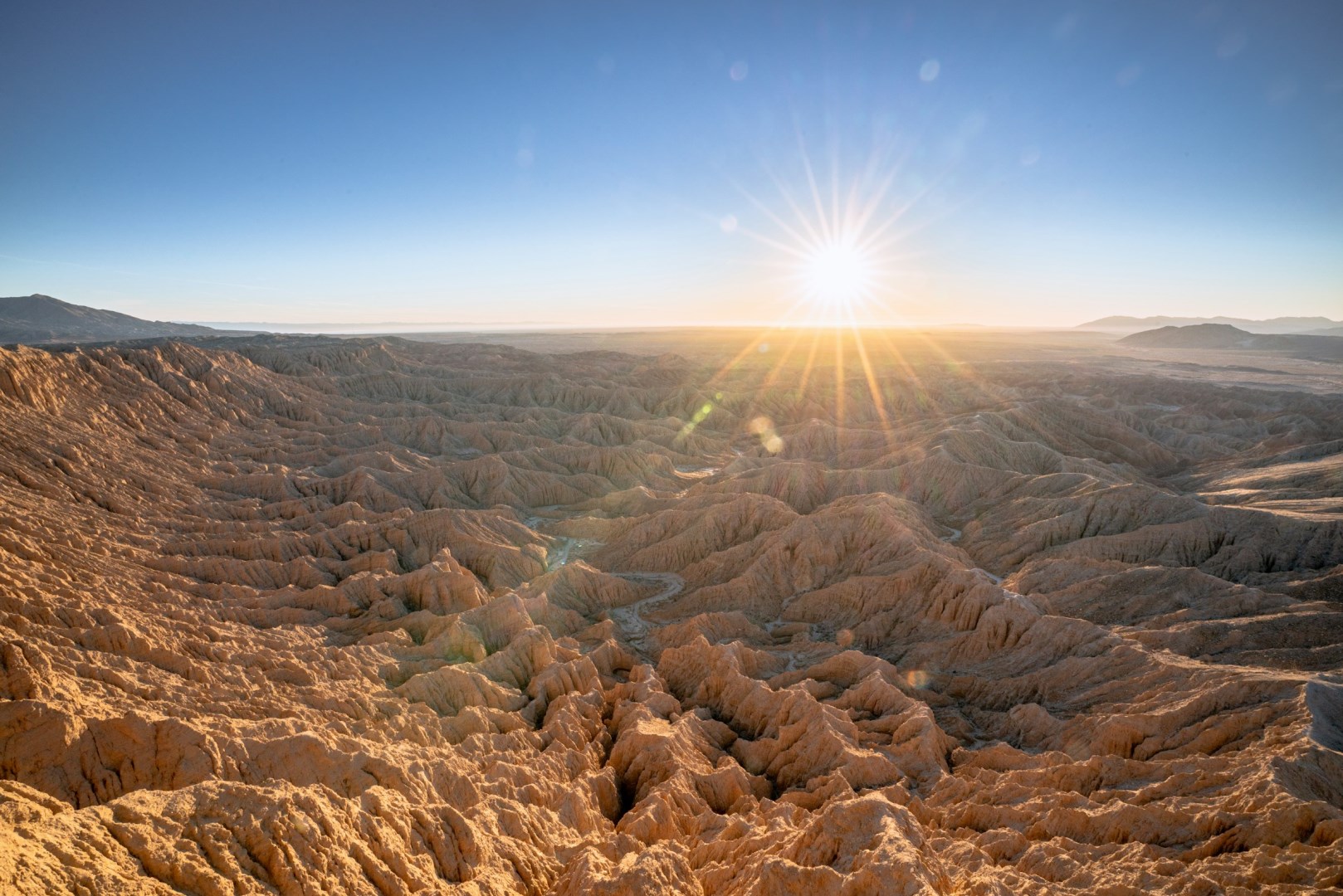
Anza-Borrego is especially notable for its geological formations and fossil record. The Borrego Badlands contain deeply eroded ridges and washes created by wind and water, while Fonts Point provides a well-known overlook across the sculpted desert terrain. Palm Canyon leads to a natural oasis where California fan palms grow beside a seasonal stream. The park also protects extensive fossil deposits, including remains of prehistoric mammals such as mastodons, camels, and giant ground sloths. In wet years, seasonal wildflower displays can cover portions of the desert floor, although flowering varies greatly with rainfall and temperature.
Other Popular Destinations in California