


Russia & Northwest Asia | Kazakhstan | Temirtau
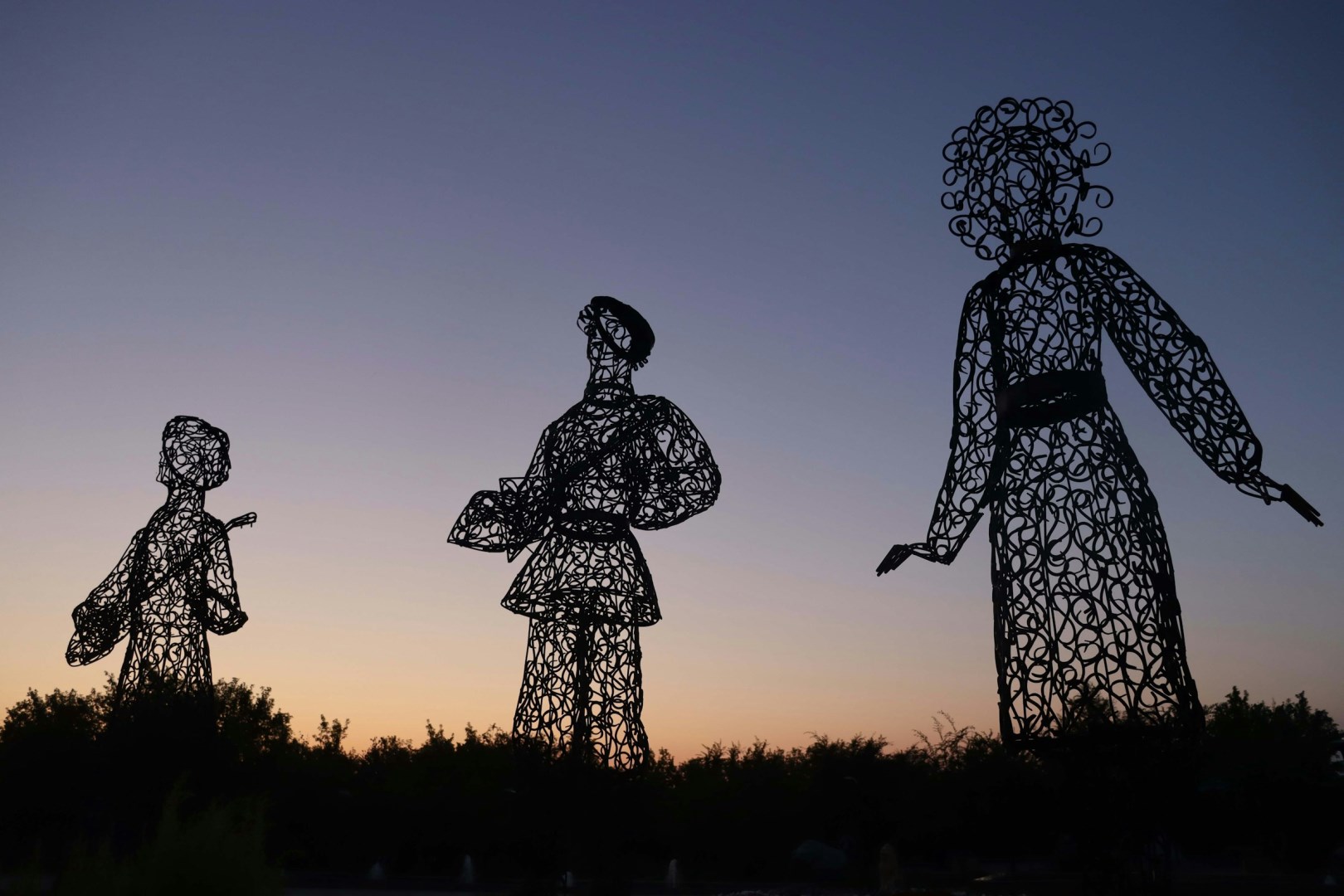

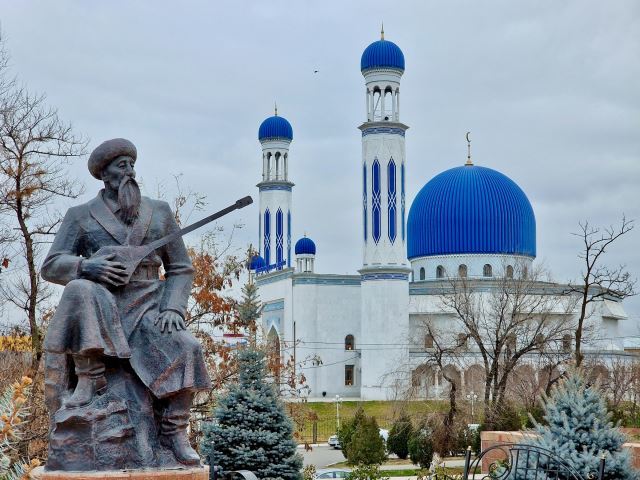
Temirtau is an industrial city in central Kazakhstan, located in the Karaganda Region on the Nura River near the Samarkand Reservoir. Its landscape combines broad steppe with the waterways and low hills of central Kazakhstan, while the city itself is strongly associated with metallurgy and heavy industry. Large industrial facilities form an important part of its skyline and local economy. Temirtau also has extensive parks, residential districts, sports facilities, and cultural institutions. Its history and identity are closely connected with the development of Kazakhstan's industrial sector and the workers who built and sustained its major steel industry.
Temirtau's modern cultural identity was shaped by industrial communities from across the Soviet Union and Kazakhstan. The city is closely associated with the Karaganda Metallurgical Plant, now part of the country's major steel industry, and its industrial heritage remains central to local identity. Temirtau also has a significant connection with Kazakhstan's first president, Nursultan Nazarbayev, who worked at the metallurgical plant before entering politics. The city's museums preserve photographs, documents, industrial equipment, and personal objects that illustrate the development of the settlement and the lives of its workers.
The Samarkand Reservoir is one of Temirtau's main recreational landscapes, providing a broad expanse of water beside the city and opportunities for fishing, boating, and shoreline recreation. Central Park and other green spaces provide walking areas within the urban environment, while the city's Palace of Culture and local museums provide places to explore its industrial and social history. The nearby Nura River is an important natural feature, crossing the steppe landscape and supporting wetlands and agricultural areas. Temirtau's industrial facilities remain visually prominent, providing a marked contrast with the open steppe and water landscapes surrounding the city.
Food in Temirtau reflects the diverse population that developed around its industrial economy, combining Kazakh dishes with Russian, Ukrainian, Korean, and other culinary traditions. Beshbarmak, baursaks, kuyrdak, and horse-meat products are part of the wider Kazakh food tradition, while soups, breads, dumplings, and preserved foods associated with Slavic cuisines are also common. The city is distinctive for the close relationship between its urban identity and metallurgy: steel production has influenced employment, architecture, community institutions, and local traditions. Temirtau therefore offers a different perspective on central Kazakhstan, centered on industrial heritage rather than the archaeological and mountain landscapes found elsewhere in the country.
Other Popular Destinations in Kazakhstan